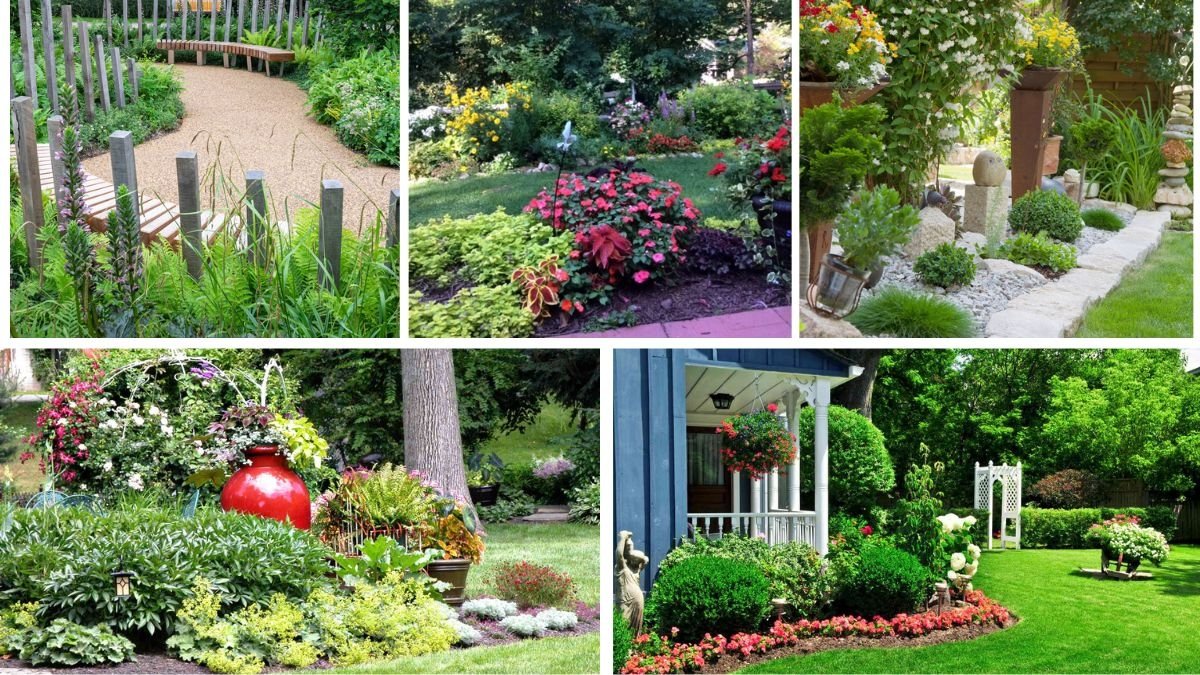
In today’s fast-paced world, minimalist gardens offer a peaceful retreat where simplicity meets beauty. Characterized by clean lines, uncluttered layouts, and thoughtful plant selection, minimalist garden design emphasizes quality over quantity. It’s not just about reducing elements—it’s about creating a serene, functional, and visually appealing outdoor space. Whether you have a small backyard, patio, or rooftop garden, minimalist principles can transform your space into a stylish, calming sanctuary. This guide explores five minimalist garden design tips to help you create a chic and harmonious garden you’ll love.
Why Minimalist Garden Design?
Minimalist gardens have become increasingly popular due to their simplicity, elegance, and ease of maintenance. Here’s why you might consider a minimalist approach:
- Visual Clarity: Fewer elements create a clean, uncluttered look.
- Low Maintenance: Minimal plants, furniture, and décor reduce upkeep.
- Enhanced Focus: Highlights key plants, structures, or focal points.
- Timeless Style: Clean designs remain elegant over time without looking dated.
- Stress Reduction: Open, calm spaces promote relaxation and mental clarity.
- Versatility: Works in any outdoor space, from small balconies to spacious yards.
By focusing on essential elements and maintaining balance, minimalist gardens create a sense of harmony and order.
1. Embrace Clean Lines and Geometric Shapes
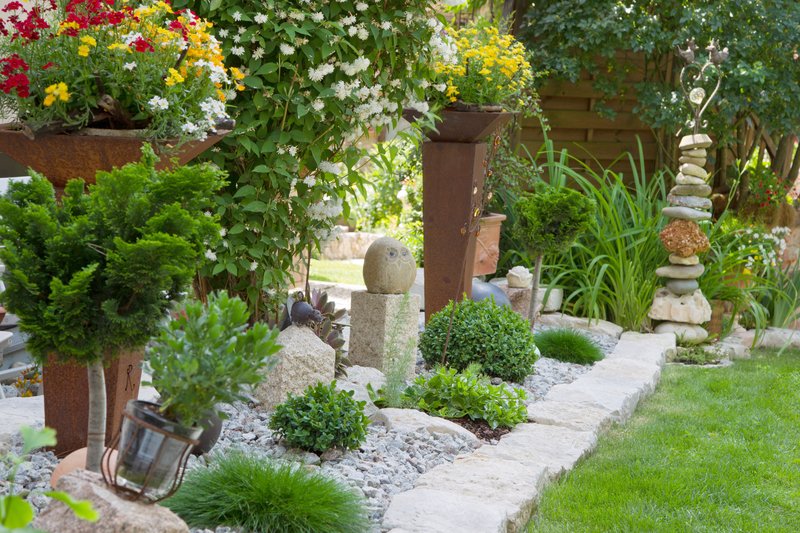
Minimalist gardens thrive on structure and simplicity, which often involves geometric shapes and clean lines. This approach helps define spaces while keeping the overall design uncluttered.
How to Implement:
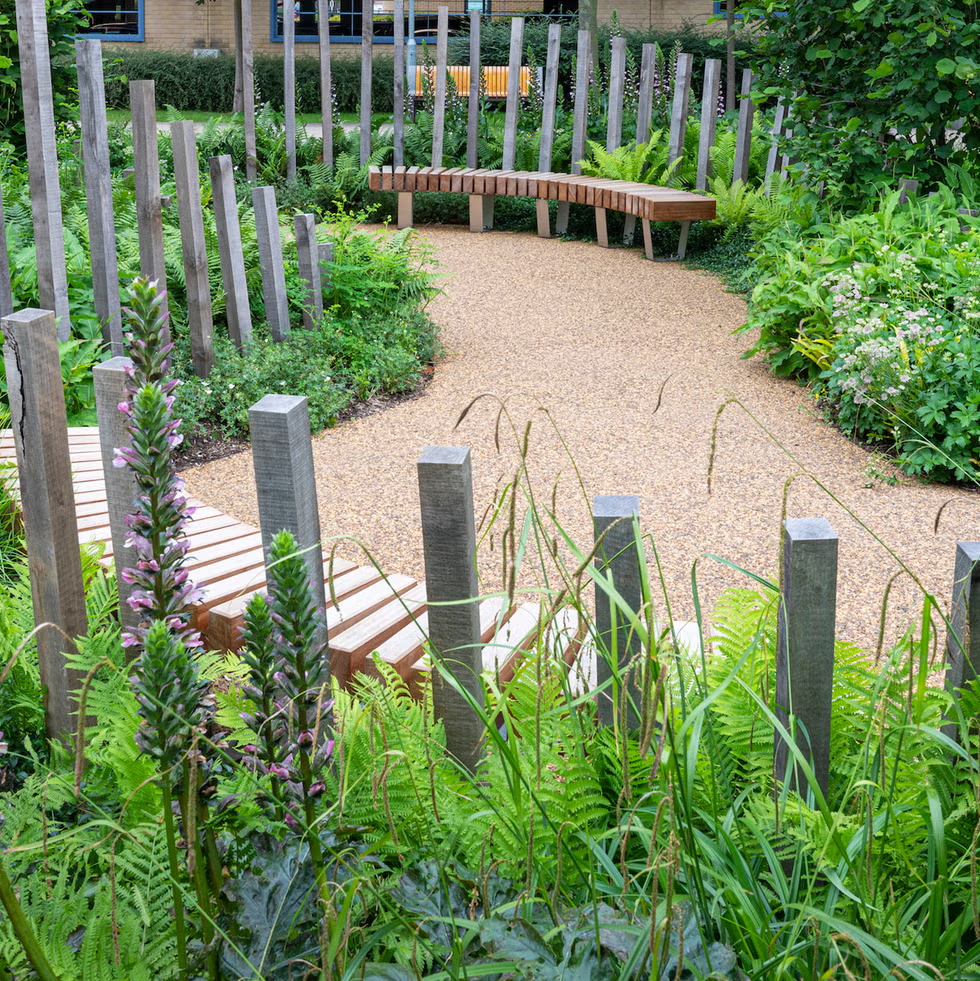
- Pathways: Use straight, rectangular, or gently curved paths made of concrete, gravel, or stone.
- Plant Beds: Arrange beds in clear geometric shapes like squares, rectangles, or circles.
- Furniture & Structures: Choose simple, modern benches, pergolas, or planters with clean silhouettes.
- Water Features: Opt for linear or box-shaped fountains that complement the structured layout.
Benefits: Clean lines create a sense of order and sophistication while guiding the eye naturally through the garden.
Design Tip: Limit decorative elements to a few statement pieces to maintain a minimalist aesthetic.
2. Choose a Limited Plant Palette
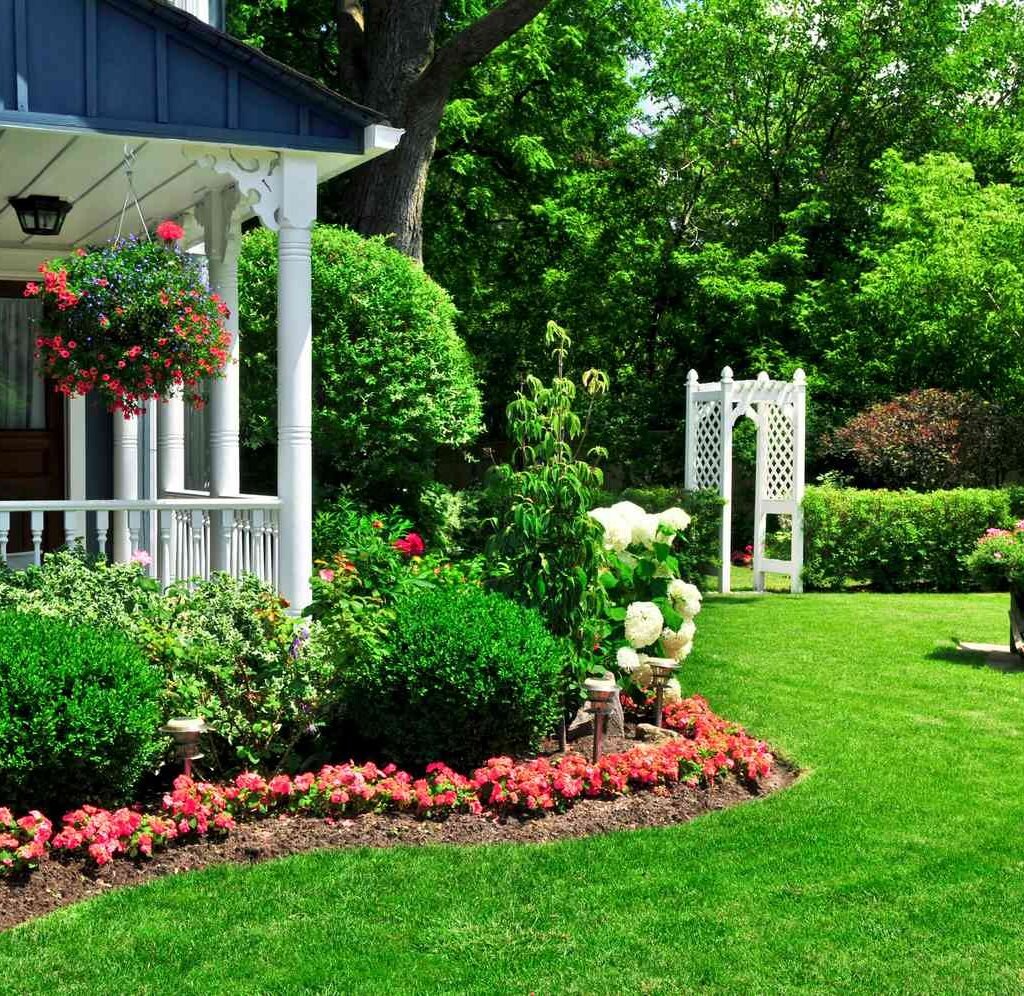
Minimalist gardens rely on simplicity, so selecting a limited variety of plants is key. Fewer plant species create a cohesive, harmonious look that is easy to maintain.
Plant Selection Tips:
- Focus on Foliage: Use plants with interesting leaf textures and colors instead of relying solely on flowers.
- Monochromatic or Complementary Colors: Stick to one or two main colors to avoid visual clutter.
- Structural Plants: Incorporate shrubs, grasses, and evergreens with clean shapes for year-round appeal.
- Layering: Plant in odd numbers and varying heights for depth without overcrowding.
Examples of Minimalist Plants: Boxwood, lavender, ornamental grasses, succulents, Japanese maple, and ferns.
Benefits: A limited plant palette reduces maintenance while emphasizing textures, shapes, and focal points.
Design Tip: Use repetition to create rhythm and continuity across the garden.

3. Incorporate Negative Space
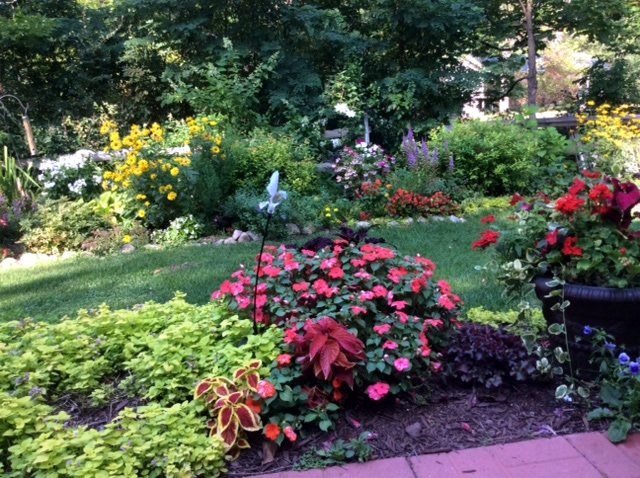
In minimalist design, empty space—often called “negative space”—is just as important as the elements you include. Negative space provides breathing room, highlights focal points, and makes the garden feel larger.
How to Use Negative Space:
- Spacing Between Plants: Avoid overcrowding; leave gaps to accentuate each plant.
- Open Lawns: Use simple lawn areas or gravel beds to provide calm, open spaces.
- Pathways and Seating Areas: Allow ample room around benches or patios for easy movement.
- Visual Balance: Place focal points like sculptures, water features, or plants strategically within open areas.
Benefits: Negative space reduces visual noise, making the garden feel serene and airy.
Design Tip: Think of your garden as a canvas—what you leave empty is as powerful as what you fill in.
4. Use Natural Materials and Neutral Colors
Material choice is critical in minimalist gardens. Natural materials and neutral colors create a harmonious, understated look while adding texture and warmth.
Material Tips:
- Paths & Paving: Concrete, stone, gravel, or wood for clean, modern lines.
- Planters & Containers: Simple ceramic, metal, or wooden planters without excessive decoration.
- Fencing & Screens: Minimalist metal or wood panels in neutral tones.
- Furniture: Sleek, modern outdoor furniture in muted shades like gray, white, or earth tones.
Benefits: Natural materials blend with plants seamlessly, while neutral colors create a calming atmosphere and allow the greenery to shine.
Design Tip: Mix textures like smooth stone with rough wood to add visual interest without clutter.
5. Add a Focal Point or Statement Feature
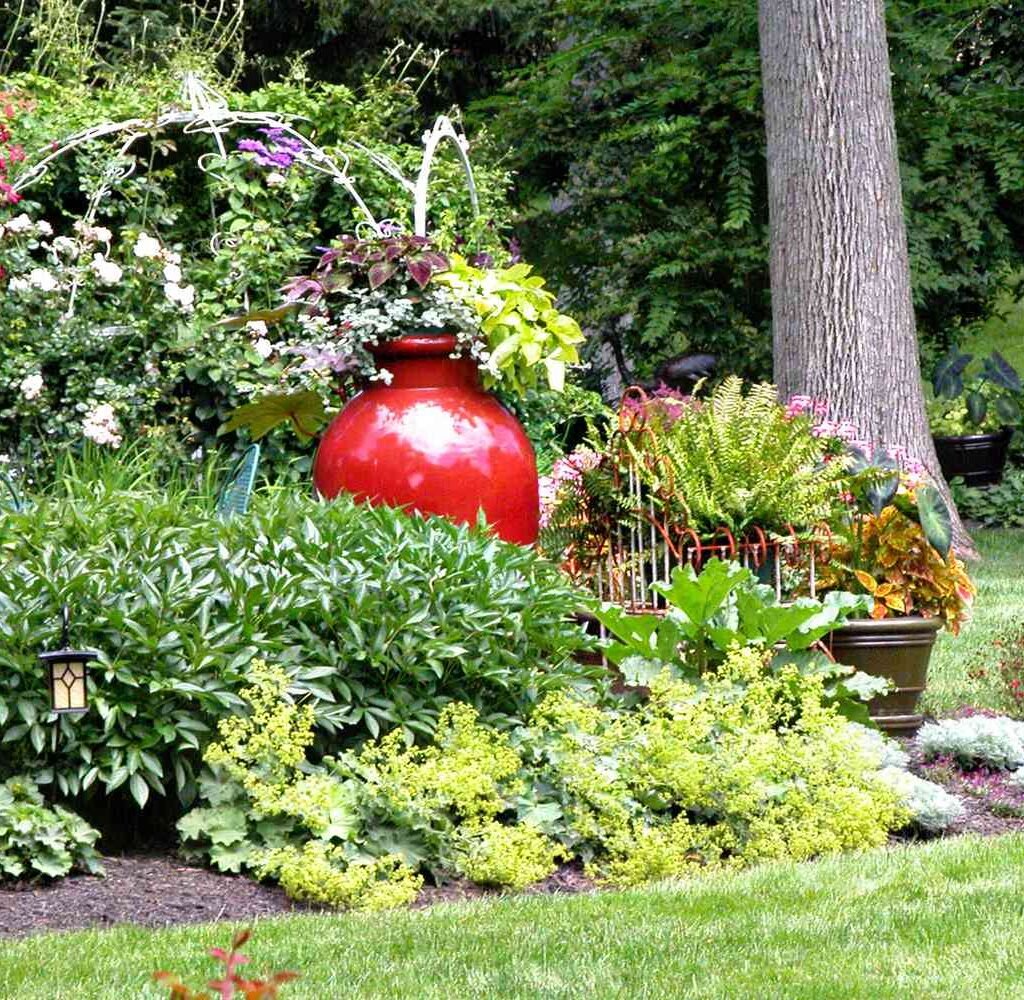
Minimalist gardens are most effective when they include one or two focal points that draw the eye. This could be a plant, sculpture, water feature, or piece of furniture.
Ideas for Focal Points:
- Sculpture or Art Piece: Choose a modern, abstract sculpture that complements the garden’s lines.
- Water Feature: A small fountain or reflecting pool adds sound and visual interest.
- Specimen Plant: A single tree, large shrub, or unique plant becomes the garden’s centerpiece.
- Lighting: Spotlighting or LED strips can highlight key areas or features at night.
Benefits: A focal point provides structure and purpose, anchoring the minimalist design and preventing it from feeling empty.
Design Tip: Ensure the focal point contrasts subtly with surrounding elements to stand out without overwhelming the space.
Additional Minimalist Garden Design Tips
- Keep Accessories Minimal: Avoid excessive décor—use a few high-quality pieces instead.
- Layer Textures: Combine plants with different leaf shapes, stones, and materials to create subtle interest.
- Integrate Seating: Choose simple, functional furniture that blends with the garden style.
- Maintain Order: Regular pruning and cleaning are essential to preserve the minimalist look.
- Consider Seasonal Interest: Select plants that look good year-round to maintain visual appeal.
- Lighting: Soft, unobtrusive lighting enhances the space at night and highlights key features.
- Balance Vertical and Horizontal Elements: Use trellises, vertical planters, or wall features sparingly.
- Sustainability: Incorporate drought-tolerant plants and low-maintenance materials to reduce resource use.
- Reflect Personal Style: Minimalist does not mean boring—choose elements that reflect your taste and personality.
- Focus on Experience: Think about walking through the garden—simplicity and flow should enhance the user experience.
Following these principles ensures that your minimalist garden remains functional, visually appealing, and stress-free.

Benefits of Minimalist Garden Design
- Low Maintenance: Fewer plants and decorative elements make upkeep simple.
- Timeless Appeal: Clean, simple lines remain elegant across changing design trends.
- Relaxation: Open, uncluttered spaces promote calmness and mental clarity.
- Enhanced Outdoor Living: Minimalist gardens integrate seamlessly with patios, decks, or indoor spaces.
- Versatility: Works well in urban settings, rooftop terraces, or traditional yards.
Minimalist gardens emphasize quality over quantity, creating elegant spaces that feel peaceful and organized.
Conclusion
Creating a minimalist garden is about balancing simplicity, function, and aesthetic appeal. By embracing clean lines, a limited plant palette, negative space, natural materials, and a focal point, you can transform any outdoor space into a serene and stylish retreat.
Minimalist design is not just about reducing elements; it’s about thoughtful placement, intentional choices, and creating a garden that provides both beauty and relaxation. Whether you have a small backyard, patio, or rooftop garden, these five minimalist garden design tips will help you craft an outdoor space that is modern, elegant, and easy to maintain.
By keeping it simple and focusing on essential elements, you can create a garden that feels spacious, harmonious, and inviting—an outdoor sanctuary that you’ll love for years to come.

Leave A Comment