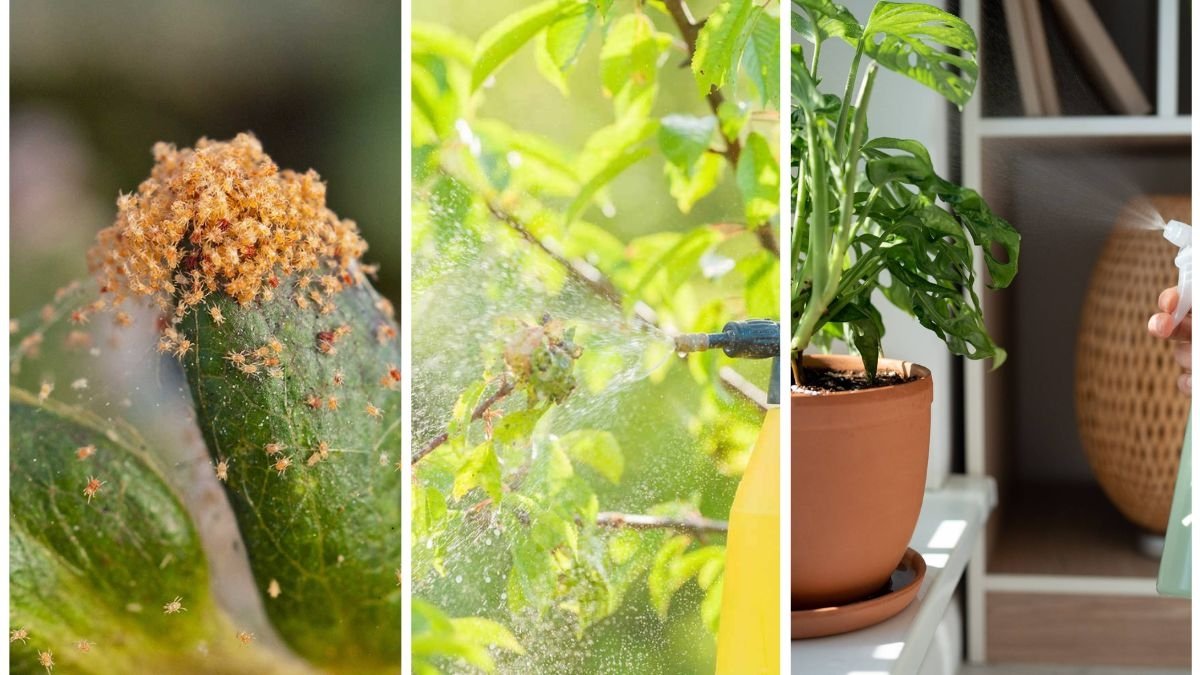
Spider mites are tiny, eight-legged pests that can wreak havoc on houseplants, vegetables, and ornamental plants. They feed on plant sap, causing yellowing, stippling, and leaf drop, and can reproduce rapidly in warm, dry conditions. While chemical pesticides are available, they often harm beneficial insects and may leave residues on your plants. The good news is that you can control spider mites naturally with a homemade spray—safe, effective, and easy to make.
In this article, we’ll explore why spider mites are so destructive, the signs of infestation, and the best homemade sprays and application techniques to keep them under control.
Understanding Spider Mites
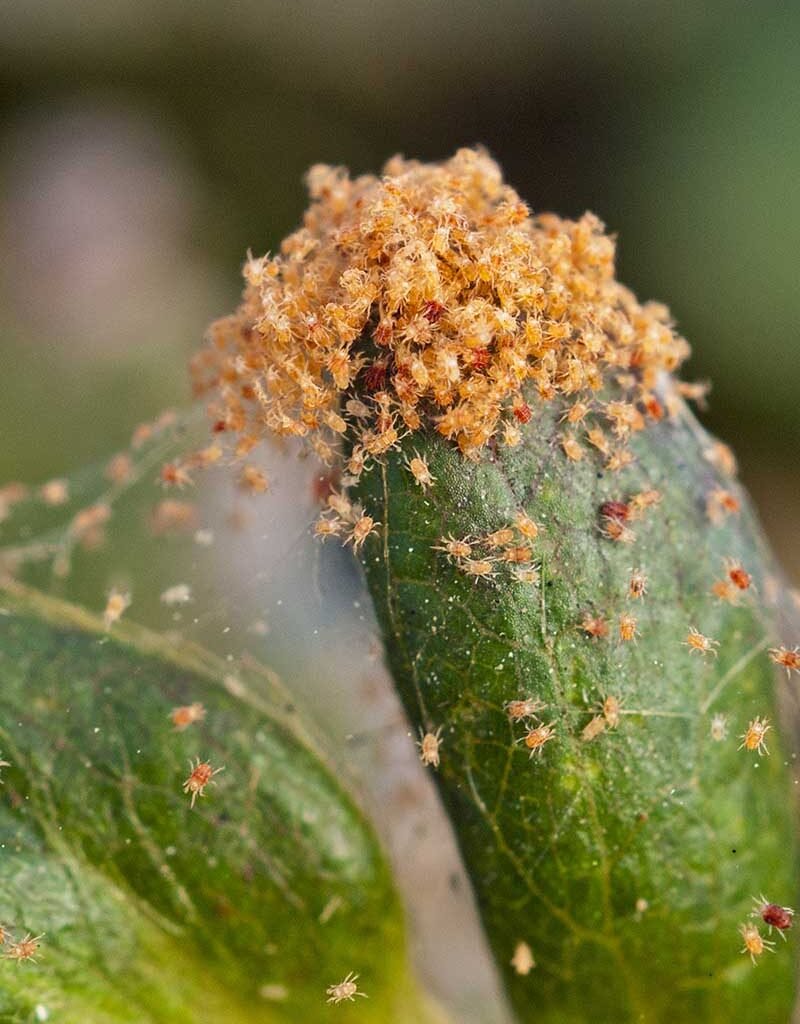
Spider mites are not insects but arachnids, related to spiders and ticks. They are less than 1 mm long, making them nearly invisible to the naked eye. Despite their size, they can cause significant damage:
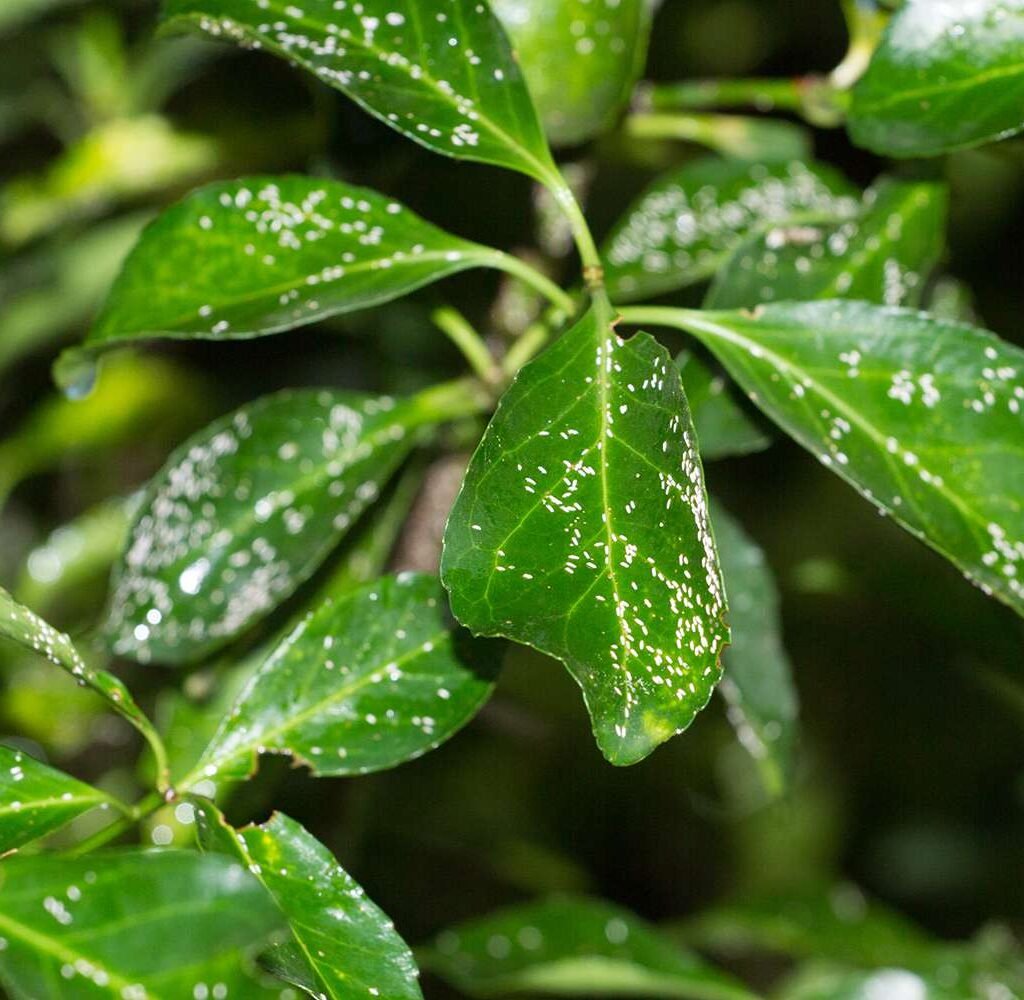
- Feeding damage: They pierce plant cells and suck out the sap, leaving tiny yellow or white speckles on leaves.
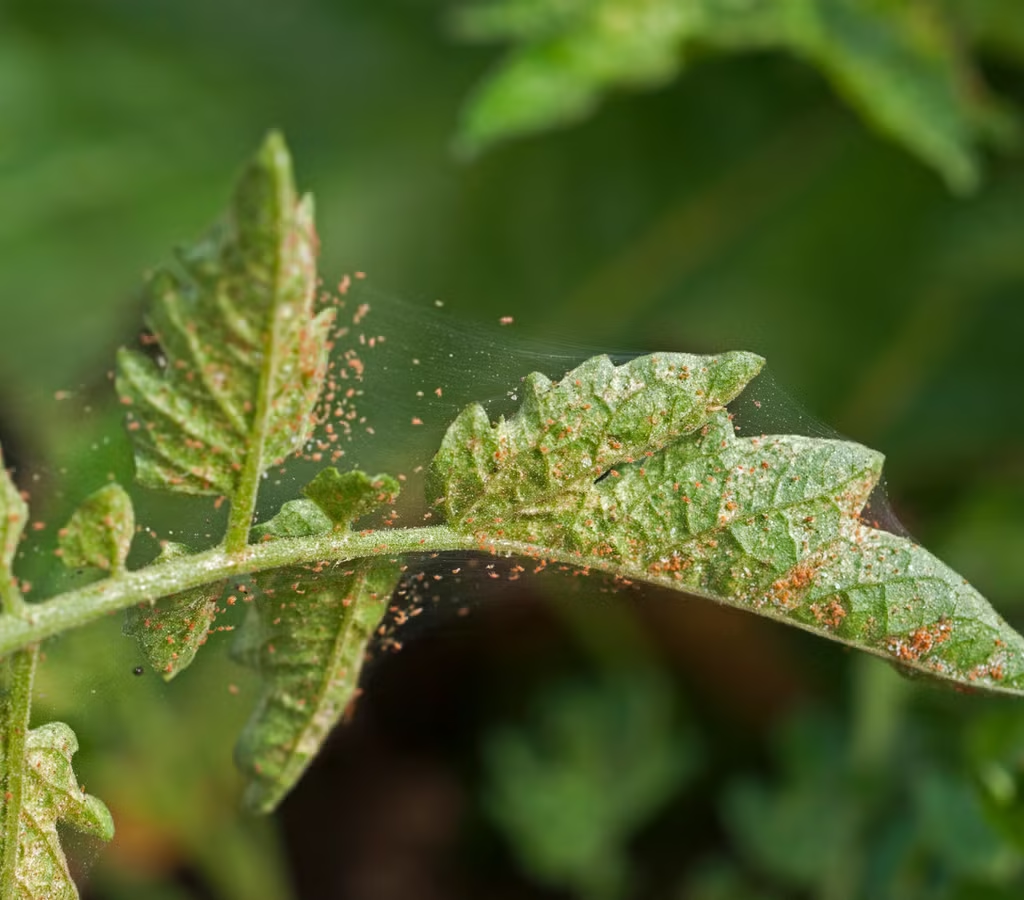
- Webbing: Severe infestations produce fine, silken webs covering leaves and stems.
- Rapid reproduction: Spider mites lay eggs that hatch quickly, making infestations grow fast.
Plants Commonly Affected:
- Houseplants like ficus, hibiscus, and ivy
- Vegetables such as tomatoes, cucumbers, and peppers
- Ornamentals like roses, marigolds, and chrysanthemums
Understanding their biology and preferred conditions (hot, dry environments) is key to controlling them effectively.
Signs of Spider Mite Infestation
Early detection is crucial for controlling spider mites. Common signs include:
- Stippled or speckled leaves: Small yellow or white spots appear, starting on older leaves.
- Webbing on leaves and stems: Especially in severe infestations.
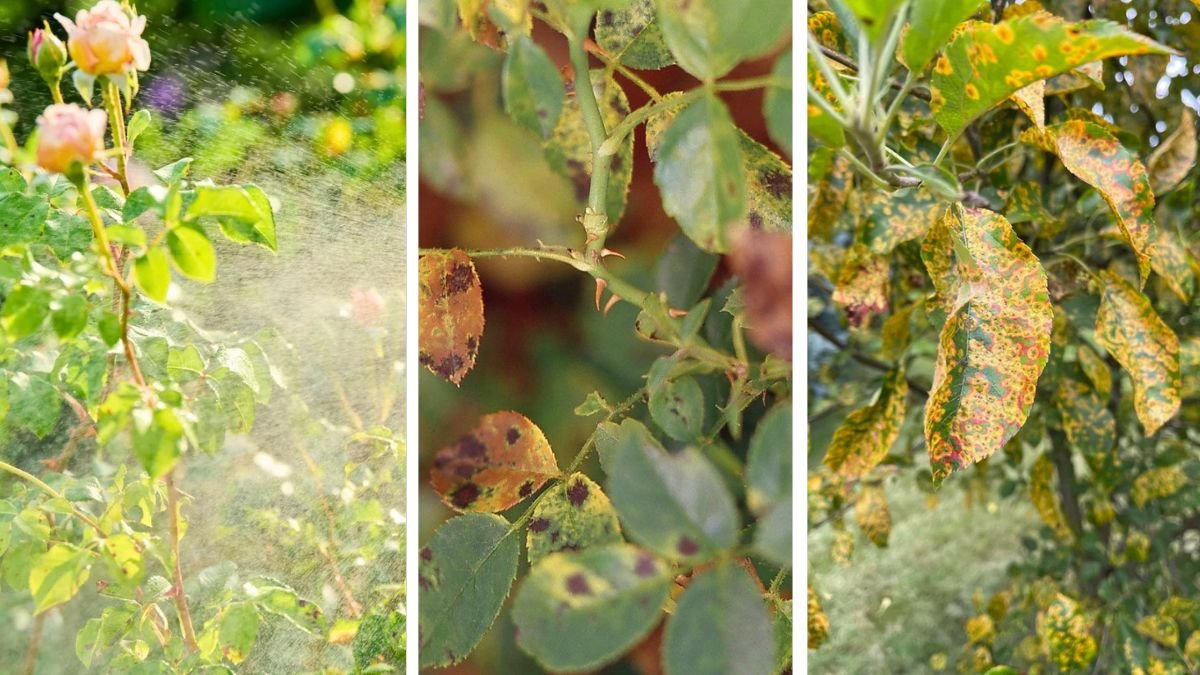
- Leaf discoloration and drop: Leaves may turn yellow, bronze, or brown and fall off prematurely.
- Tiny moving dots: Spider mites are so small you may need a magnifying glass to see them on leaf undersides.
Ignoring these signs allows the mites to multiply, potentially killing the plant over time.

The Best Homemade Sprays for Spider Mites
Several natural ingredients can effectively control spider mites. Homemade sprays work by smothering mites, disrupting their feeding, or repelling them without harming your plants.
1. Soap and Water Spray
Ingredients:
- 1–2 teaspoons mild liquid soap (like castile soap)
- 1 quart (4 cups) of water
How to Make:
- Mix the soap with water in a spray bottle.
- Shake well to ensure even distribution.
How It Works:
Soap breaks down the outer protective coating of spider mites, causing them to dehydrate and die.
Application Tips:
- Spray the undersides of leaves where spider mites hide.
- Apply every 3–4 days until the infestation is under control.
- Test on a small leaf first to ensure the plant doesn’t react adversely.
2. Neem Oil Spray
Ingredients:
- 1–2 teaspoons neem oil
- 1 quart water
- Few drops of mild liquid soap
How to Make:
- Combine neem oil, water, and soap in a spray bottle.
- Shake well before each use.
How It Works:
Neem oil is a natural pesticide that disrupts the feeding and reproductive cycles of spider mites. It also has antifungal properties, making it a multi-purpose plant protector.
Application Tips:
- Spray thoroughly on all plant surfaces, especially leaf undersides.
- Apply in the morning or late afternoon to avoid sunburn.
- Reapply weekly for ongoing protection.
3. Garlic and Pepper Spray
Ingredients:
- 2 cloves garlic
- 1 small chili pepper (optional for extra potency)
- 1 quart water
- Few drops of soap
How to Make:
- Blend garlic and chili with water.
- Let the mixture sit for a few hours.
- Strain and add a few drops of liquid soap.
- Pour into a spray bottle.
How It Works:
Garlic contains sulfur compounds that repel spider mites, while chili adds extra deterrent properties. The soap helps the mixture adhere to leaves.
Application Tips:
- Spray every few days on affected plants.
- Avoid spraying in direct sunlight to prevent leaf burn.
4. Alcohol Spray (For Severe Infestations)

Ingredients:
- 1 part rubbing alcohol (70% isopropyl)
- 3 parts water
- Optional: few drops of mild soap
How to Make:
- Mix alcohol and water in a spray bottle.
- Add soap if desired.
How It Works:
Alcohol dehydrates and kills spider mites on contact.
Application Tips:
- Spray lightly and avoid overuse to prevent damaging leaves.
- Test on a small leaf before full application.
- Use mainly for stubborn infestations or small plants.
Best Practices When Using Homemade Sprays
- Target the undersides of leaves: Spider mites prefer hiding there, so thorough coverage is essential.
- Regular application: Repeat every 3–7 days until mites are gone.
- Timing matters: Apply early in the morning or late afternoon to avoid leaf burn.
- Combine methods: Using neem oil and soap sprays alternately can be more effective.
- Clean affected leaves: Rinse plants occasionally to remove webs and eggs before spraying.
Additional Tips to Prevent Spider Mites
Preventing infestations is easier than dealing with them after they appear. Here’s what you can do:
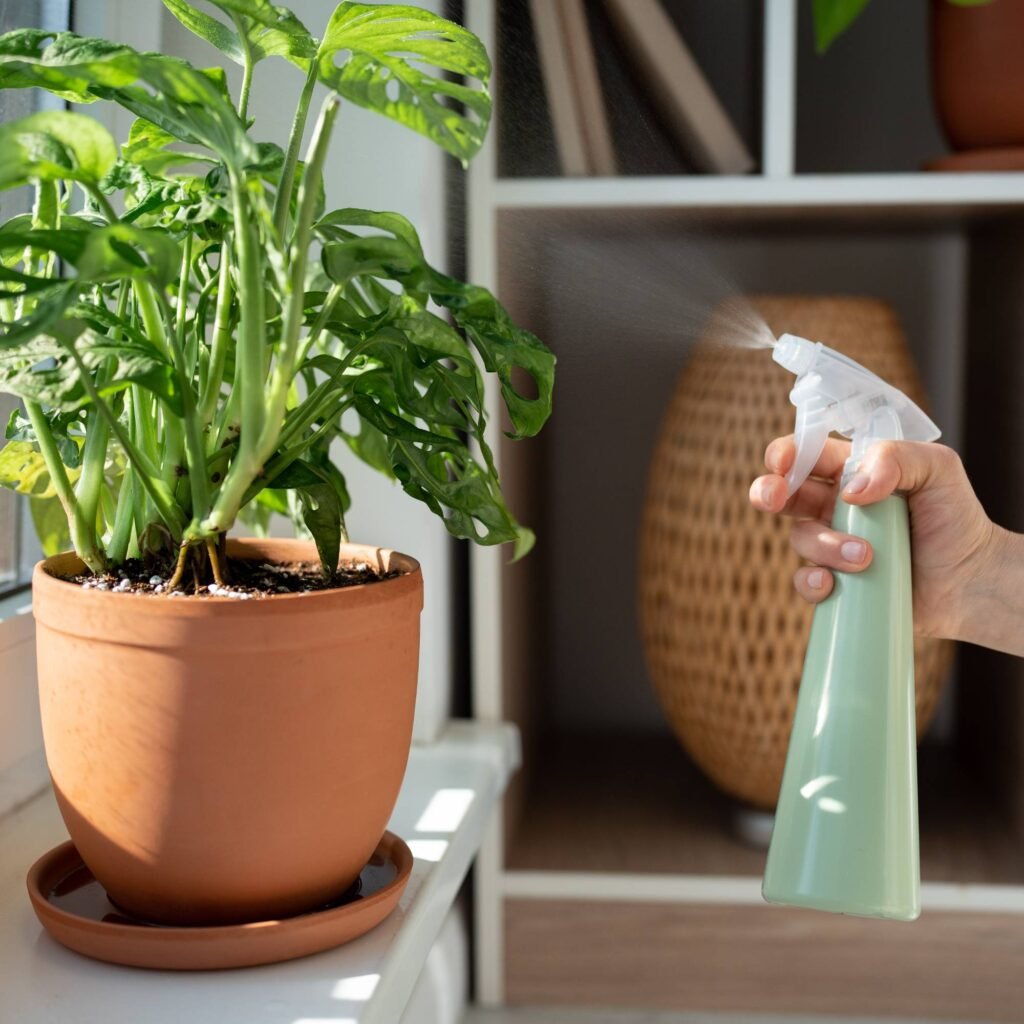
- Maintain humidity: Spider mites thrive in dry conditions, so misting indoor plants can discourage them.
- Regular inspection: Check leaves, especially undersides, weekly for early signs.
- Isolate new plants: Quarantine new additions to prevent introducing mites.
- Remove heavily infested leaves: Dispose of them away from the garden.
- Encourage natural predators: Ladybugs, predatory mites, and lacewings feed on spider mites naturally.
Conclusion
Spider mites may be tiny, but their impact on plants can be significant. The best way to deal with them is through early detection and consistent control. Homemade sprays—like soap and water, neem oil, garlic-chili, and alcohol solutions—offer safe, natural, and effective ways to eliminate spider mites without harming your plants, beneficial insects, or the environment.
By following the tips outlined in this guide, you can protect your plants, maintain healthy growth, and enjoy a beautiful, thriving garden—all while avoiding harsh chemical pesticides. Consistency, thorough application, and preventive care are the keys to keeping spider mites at bay.

Leave A Comment