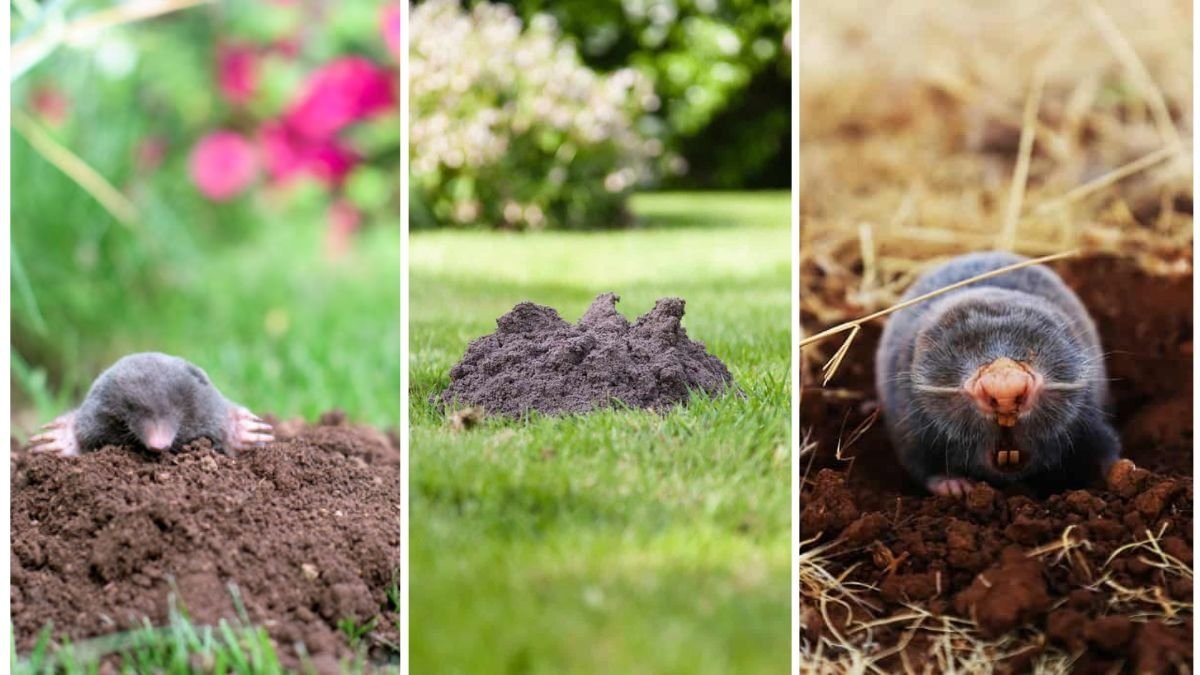
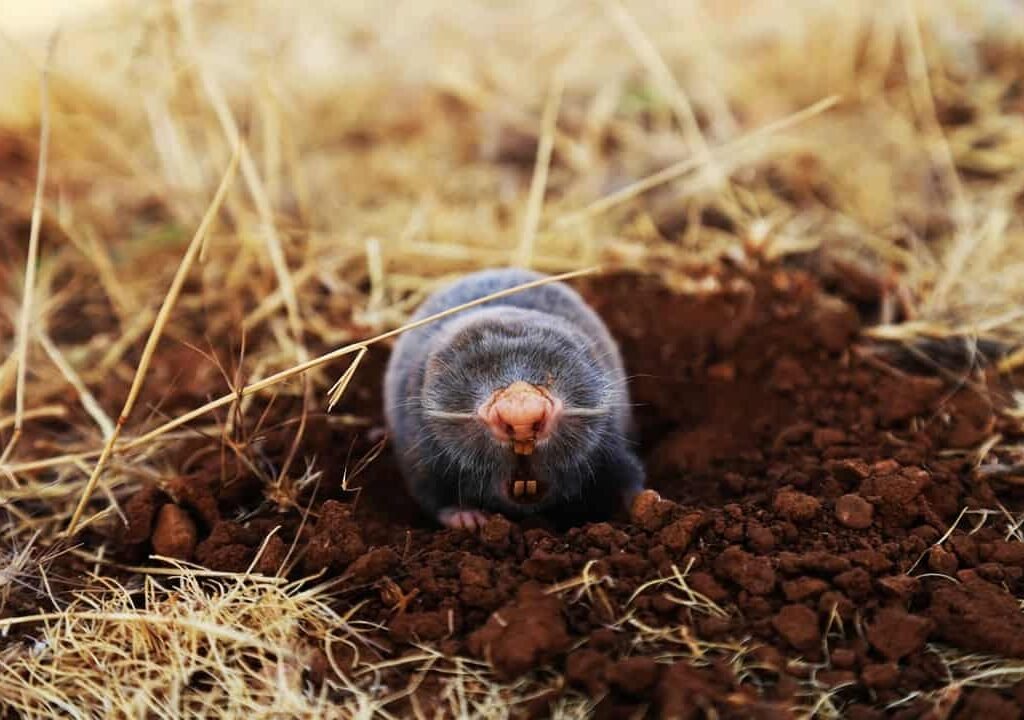
A lush, green garden full of vibrant plants and flowers is every gardener’s dream. But that dream can quickly turn into a nightmare when moles invade. These small, burrowing mammals are known for creating unsightly tunnels, mounds of soil, and damaging root systems. While moles don’t eat plants directly, their underground activity disrupts soil stability and can harm your lawn and garden.
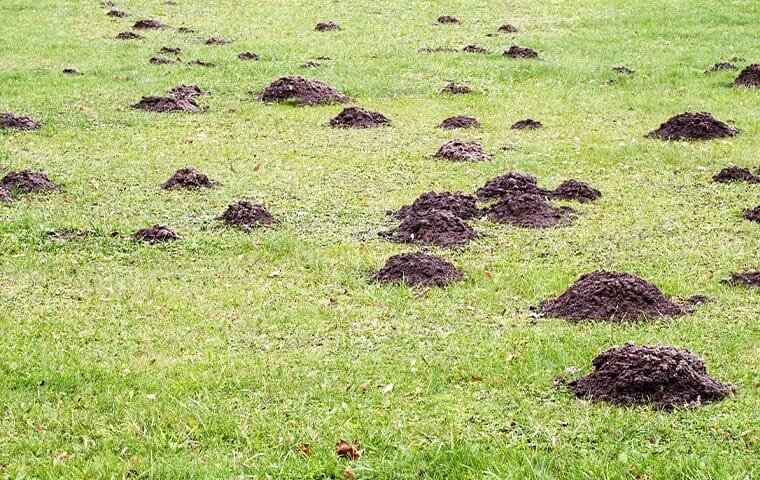
If you’ve noticed raised ridges in your lawn or small volcano-shaped soil piles, you’re likely dealing with moles. The good news? You don’t have to surrender your garden to them. With the right combination of strategies, you can deter moles effectively while maintaining a healthy outdoor space. In this article, we’ll explore what attracts moles, how they damage gardens, and the best natural, physical, and preventive methods to stop them from destroying your garden.
Understanding Moles and Their Behavior
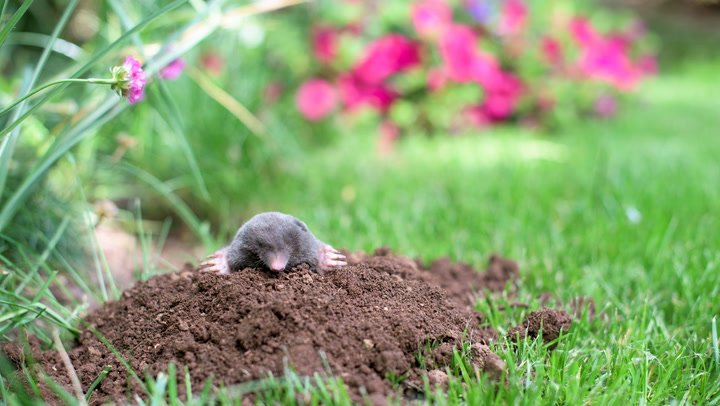
Before you can stop moles, it’s important to understand why they show up in the first place.
- Diet: Moles are insectivores. They mainly feed on earthworms, grubs, and insects found underground. They don’t eat plant roots or vegetables directly. However, while digging for food, they unintentionally damage roots and disrupt soil.
- Habitat: They prefer moist, loose soil because it’s easier to dig through. That’s why gardens and lawns with rich soil often attract them.
- Signs of Mole Activity:
- Raised ridges or surface tunnels in the lawn.
- Small cone-shaped mounds of dirt (molehills).
- Plants that appear to be wilting because their roots have been disturbed.
By identifying mole activity early, you can take steps before the damage becomes widespread.
Why Moles Are a Problem for Gardeners
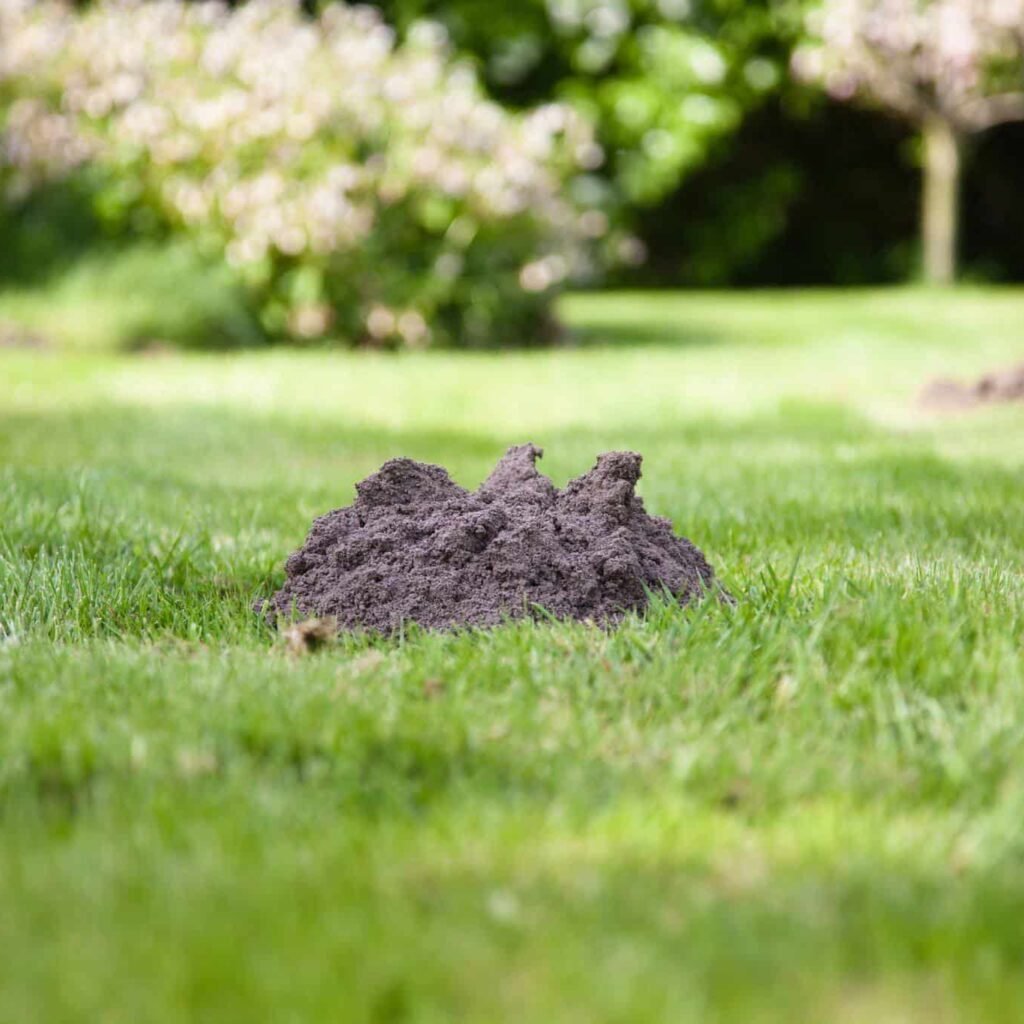
Even though moles play a beneficial role in nature by aerating soil and controlling insect populations, they can cause chaos in a cultivated garden.
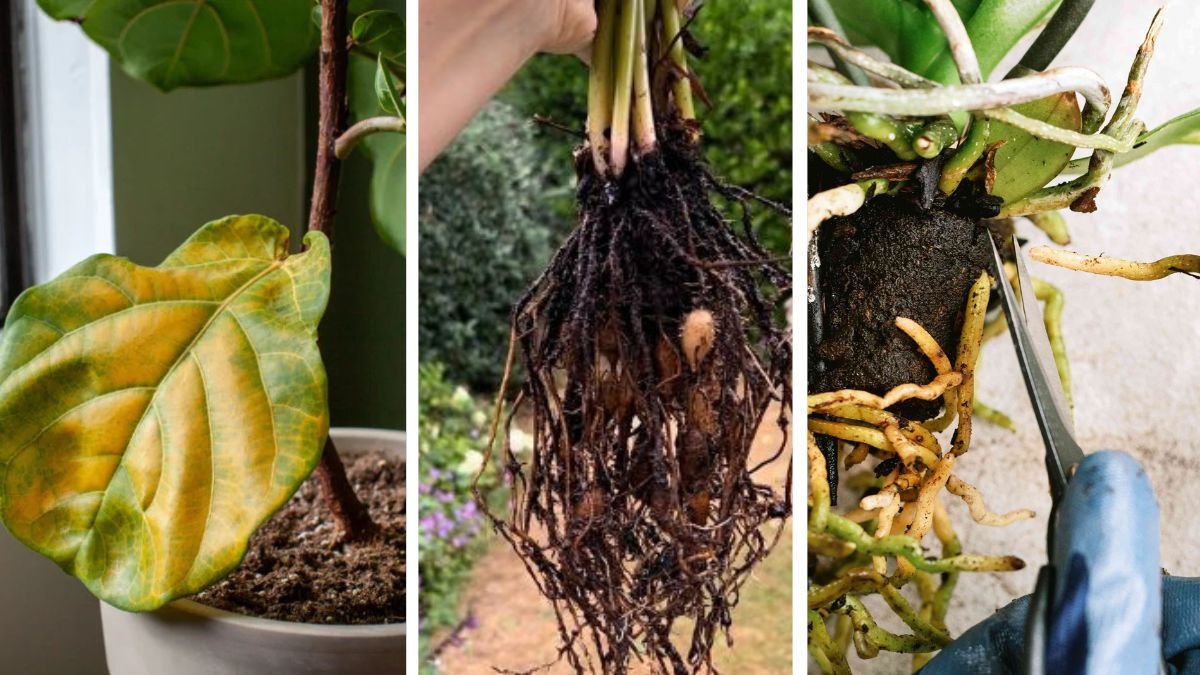
- Root Damage: Their tunneling disrupts root systems, causing plants, flowers, and grass to weaken or die.
- Uneven Lawns: The surface ridges make your yard bumpy and unattractive.
- Weed Growth: Disturbed soil from mole tunnels often creates openings for weeds to sprout.
- Soil Erosion: Extensive tunnels can destabilize garden beds, leading to soil washout during heavy rain.
So while moles aren’t out to eat your vegetables, their activity indirectly harms your garden’s health and beauty.
5 Effective Ways to Stop Moles from Destroying Your Garden
1. Remove Their Food Sources
Since moles come to your garden looking for insects and grubs, reducing their food supply can encourage them to leave.
- Control grubs: Apply beneficial nematodes or milky spore to the soil. These natural treatments kill grubs without harming plants.
- Reduce insects: Avoid overwatering, as moist soil attracts worms and insects.
- Limit mulch layers: Thick organic mulch encourages insect activity, which may draw moles.
By cutting down on food availability, you make your garden less attractive to moles.
2. Use Natural Mole Repellents
Natural repellents can drive moles away without harming your plants or soil.
- Castor oil spray: One of the most popular mole deterrents. Mix castor oil with water and a few drops of dish soap, then spray it over mole tunnels and garden beds. Moles dislike the taste and smell, forcing them to move.
- Garlic and chili powder: Sprinkle around active tunnels to create an unpleasant environment.
- Coffee grounds: Spread around garden beds. The strong smell deters moles while enriching the soil.
For best results, reapply repellents after rain or watering.
3. Install Physical Barriers
If you want a long-term solution, barriers are highly effective.
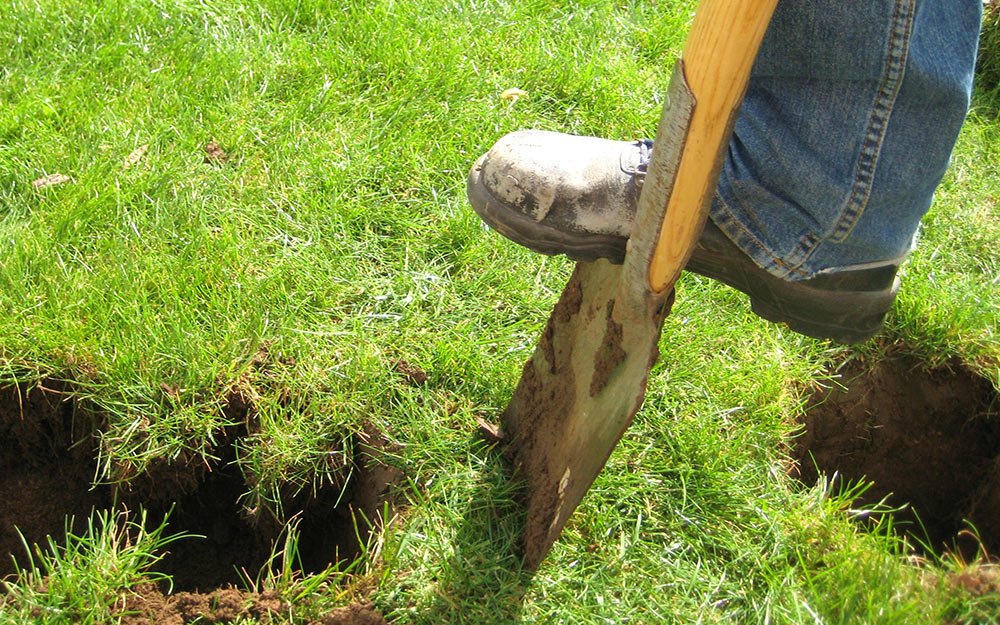
- Underground fencing: Dig a trench about 2 feet deep around your garden beds and line it with hardware cloth or metal mesh. This prevents moles from tunneling into the area.
- Raised beds with mesh bottoms: Great for vegetable gardens. Adding wire mesh beneath the soil keeps moles out while allowing roots to grow freely.
- Garden edging: Installing strong edging around lawns and flower beds makes it harder for moles to invade.
Though labor-intensive, barriers are one of the most reliable mole control methods.
4. Encourage Natural Predators
Nature can help control mole populations if you attract the right animals.
- Owls and hawks: Installing owl boxes or perches can encourage these birds to hunt in your yard.
- Cats and dogs: Pets often scare away or catch moles.
- Snakes: While not everyone welcomes them, some non-venomous snakes naturally reduce mole activity.
By encouraging predators, you create a natural balance in your backyard ecosystem.
5. Use Traps as a Last Resort
If the mole infestation is severe and other methods fail, traps may be necessary.
- Scissor traps and harpoon traps: Placed directly in active mole tunnels, these are effective but should be used with care.
- Humane traps: These allow you to capture and relocate moles without harming them.
Note: Trapping should be done responsibly and according to local wildlife regulations.
Preventing Moles from Returning
Stopping moles is only half the battle—preventing them from coming back is just as important.
- Maintain a dry lawn: Avoid overwatering. Moles prefer moist soil for digging.
- Regular soil checks: Watch for new ridges or tunnels so you can act quickly.
- Healthy lawn care: Keep grass trimmed, aerate the soil naturally, and limit excessive fertilizer that may encourage insect populations.
- Plant mole-repelling plants: Certain plants, like daffodils, marigolds, and alliums, are thought to deter moles due to their strong scent.
Are Moles Ever Beneficial?
Interestingly, while moles are frustrating for gardeners, they aren’t always entirely bad.
- Their digging aerates compacted soil.
- They help control harmful grub and insect populations.
- Their tunnels improve water penetration into soil.
So, in some cases, gardeners in less manicured spaces choose to tolerate moles. But in ornamental gardens or lawns, their damage is usually too much to ignore.
Final Thoughts
Moles may be small, but their impact on a garden can be big. The key to dealing with them is a multi-layered approach: reduce their food sources, use natural repellents, install barriers, encourage predators, and if necessary, use traps. With patience and consistency, you can protect your garden from mole damage while keeping your outdoor space beautiful and thriving.
Remember, a healthy garden is not just about fighting pests—it’s about creating a balanced environment where plants, soil, and beneficial wildlife can flourish together. By stopping moles the smart way, you’ll reclaim your lawn and enjoy your garden without unwanted underground visitors.

Leave A Comment