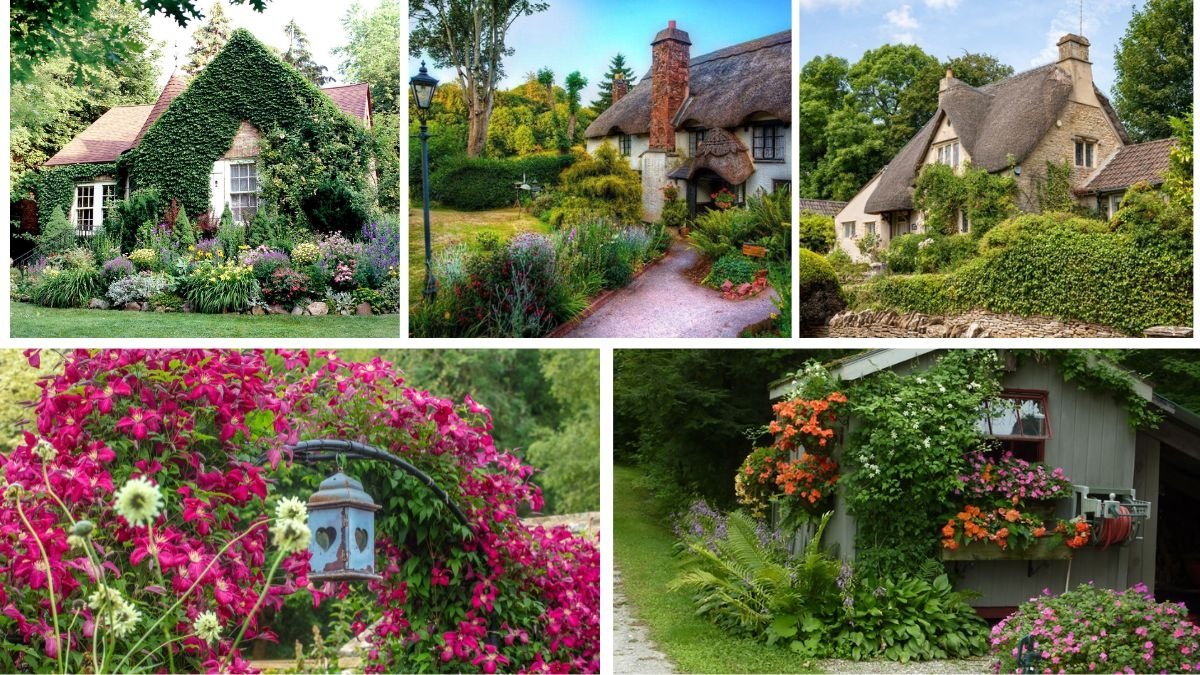
A cottage garden evokes charm, nostalgia, and a sense of timeless beauty. Characterized by informal layouts, layers of colorful blooms, and a mix of perennials, shrubs, and climbers, this style has captivated gardeners for generations. The key to creating a stunning cottage garden lies in plant selection. Choosing the right mix of flowers, foliage, and scents ensures year-round interest and a natural, romantic atmosphere. Here’s a comprehensive guide to the best plants for achieving that quintessential cottage garden look.
1. Roses – The Quintessential Cottage Garden Flower
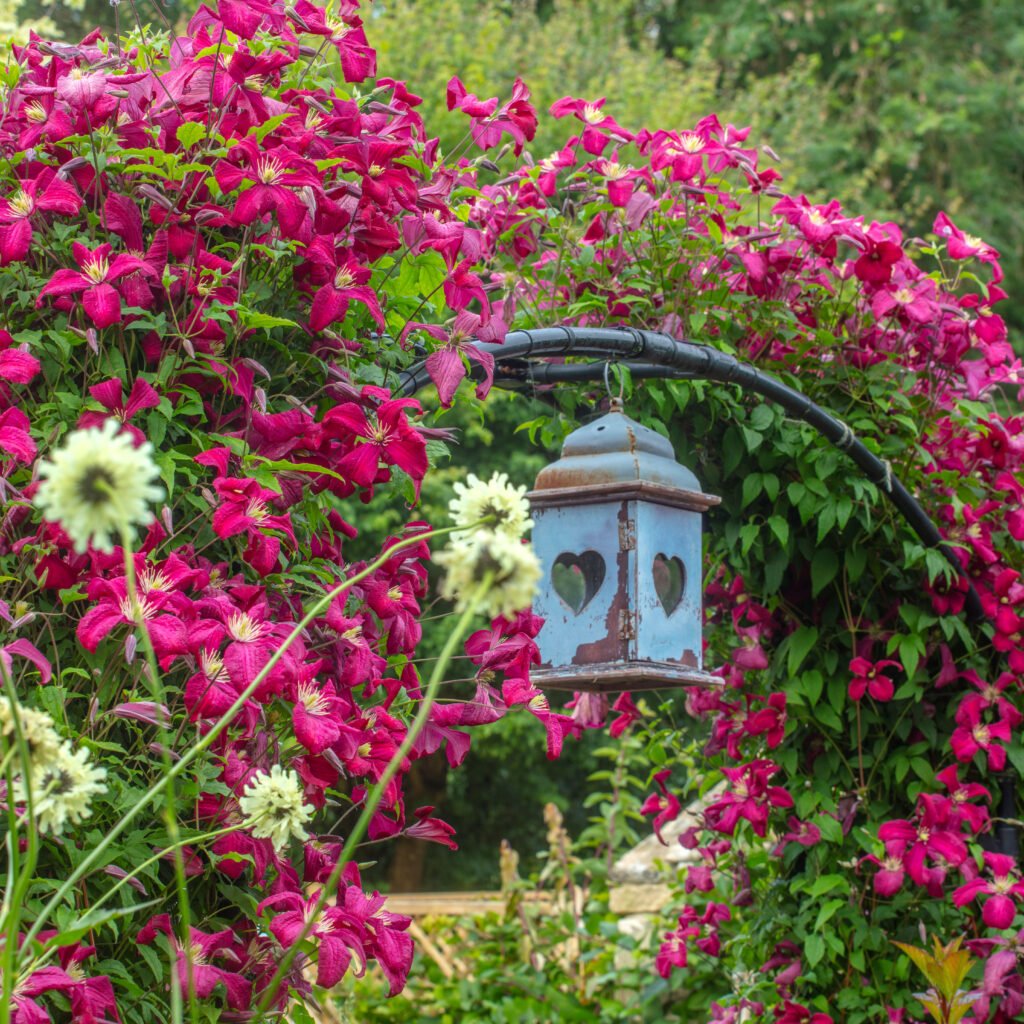
No cottage garden is complete without roses. Known for their timeless elegance and delightful fragrance, roses can serve as the centerpiece of your garden. For a classic look, choose old-fashioned varieties like David Austin roses or Damask roses, which have a soft, romantic appearance. Plant climbing roses along trellises or fences to create vertical interest, while bush roses can fill borders and pathways. Pair roses with complementary flowers such as lavender or foxgloves for a harmonious color palette.
Tips:
- Plant roses in well-drained soil enriched with compost.
- Water regularly but avoid wetting foliage to prevent disease.
- Deadhead spent blooms to encourage continuous flowering.
2. Lavender – Fragrant and Versatile
Lavender is a staple in cottage gardens, prized for its soothing fragrance and beautiful purple blooms. It works well as a border plant, along pathways, or even in pots near doorways. Beyond its aesthetic appeal, lavender attracts pollinators like bees and butterflies, enhancing the garden’s biodiversity.
Popular Varieties: English Lavender, Hidcote, Munstead.
Tips:

- Prefers full sun and well-drained soil.
- Prune lightly after flowering to maintain shape and encourage regrowth.
- Combine with roses, catmint, or geraniums for a classic cottage feel.
3. Foxgloves – Tall and Elegant
Foxgloves (Digitalis purpurea) are iconic in cottage gardens. These towering plants bring vertical height and drama, with their bell-shaped blooms cascading down tall spikes. They thrive in partially shaded areas and pair beautifully with roses, delphiniums, and hollyhocks.
Tips:
- Foxgloves are biennials, so stagger planting to ensure continuous blooms.
- Handle with care—plants are toxic if ingested.
- Water regularly and mulch to retain soil moisture.
4. Hollyhocks – Vintage Charm
Hollyhocks are another classic cottage garden favorite. Their tall, colorful spikes evoke a sense of old-world charm, perfect for planting against walls or fences. Available in shades of pink, red, yellow, and white, hollyhocks bloom in summer, attracting bees and butterflies.
Tips:
- Plant in sunny locations with fertile, well-drained soil.
- Support tall stems with stakes to prevent them from toppling.
- Regularly remove spent flowers to prolong the blooming season.
5. Delphiniums – Graceful Vertical Accents
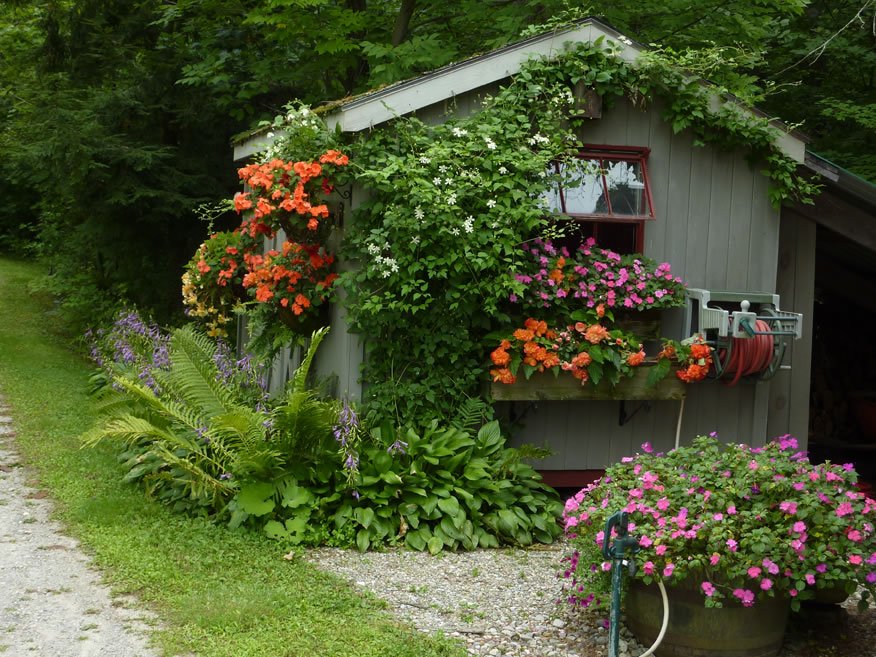
Delphiniums add elegance and a splash of vibrant color to cottage gardens. With their tall spires of blue, purple, or white flowers, they create a striking contrast against softer, rounded blooms. They pair well with roses, foxgloves, and peonies.
Tips:

- Require full sun and fertile soil.
- Provide strong stakes for support.
- Deadhead after flowering to encourage a second bloom.
6. Peonies – Lush and Romantic
Peonies are beloved for their large, lush blooms and sweet fragrance. They thrive in sunny spots with well-drained soil and add a luxurious touch to cottage gardens. With colors ranging from soft pastels to vibrant pinks and reds, peonies are perfect for mass planting in borders or as focal points.
Tips:
- Plant in spring or fall for best results.
- Avoid cutting flowers back too early—allow foliage to nourish the roots.
- Mulch in winter to protect roots from frost.
7. Sweet Peas – Climbing Delights
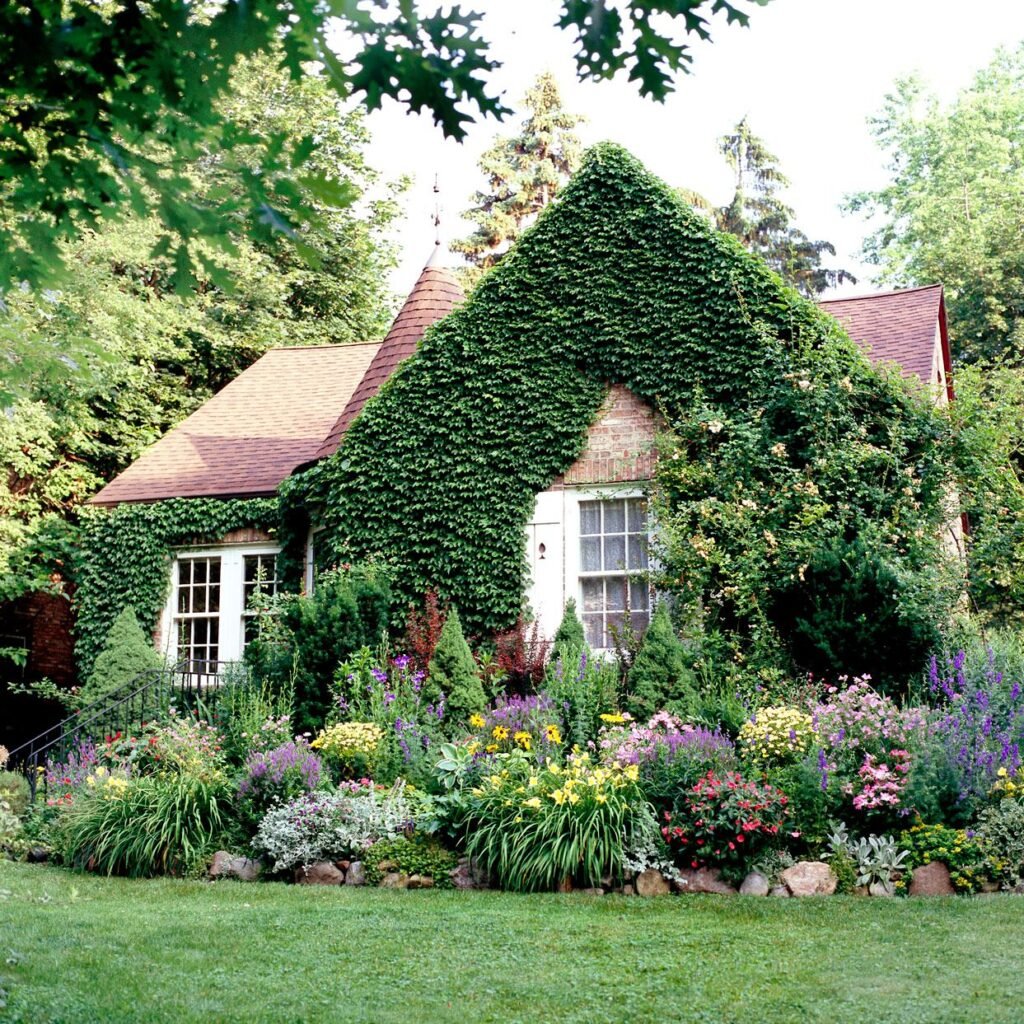
Sweet peas (Lathyrus odoratus) are climbing annuals with delicate flowers and a heavenly fragrance. They work beautifully on trellises, fences, and arches, adding height and softness to your cottage garden. Their pastel shades of pink, purple, and white complement almost any planting scheme.
Tips:
- Sow seeds in early spring for summer blooms.
- Provide support for climbing.
- Pinch back early growth to encourage bushier plants and more flowers.
8. Catmint – Long-Lasting Blooms
Catmint (Nepeta) is a hardy perennial with blue or purple flowers that bloom from spring through autumn. Its gray-green foliage adds texture, while the flowers attract pollinators. Catmint works well as a border plant, under roses, or in mixed beds, providing a soft, flowing look.
Tips:
- Thrives in full sun with well-drained soil.
- Prune after flowering to encourage new growth.
- Drought-tolerant once established.
9. Phlox – Colorful Clusters
Phlox adds vibrant color and a sweet scent to cottage gardens. Available in tall and creeping varieties, it can be used in borders, rock gardens, or as ground cover. Tall garden phlox creates vertical interest, while creeping phlox spreads across pathways and rocks, adding charm and color.
Tips:
- Plant in sunny locations with rich soil.
- Deadhead spent flowers to prolong blooming.
- Ensure good air circulation to prevent mildew.
10. Lily of the Valley – Delicate and Scented
Lily of the valley (Convallaria majalis) is perfect for shaded corners of the cottage garden. Its small, bell-shaped white flowers are highly fragrant and bloom in spring. It spreads easily, making it an excellent groundcover.
Tips:
- Prefers partial shade and moist, well-drained soil.
- Avoid planting in areas where pets or children may ingest it—it’s toxic if eaten.
- Divide clumps every few years to maintain vigor.
11. Lavender-Blue Salvias – Pollinator Magnets
Salvia, with its spikes of blue, purple, or pink flowers, adds both height and a splash of color. It thrives in sunny spots and attracts butterflies, bees, and hummingbirds. It complements roses and lavender, enhancing the classic cottage garden aesthetic.
Tips:

- Requires full sun and well-drained soil.
- Cut back after flowering to encourage a second bloom.
- Pair with catmint, phlox, or daisies for a colorful display.
12. Cottage Garden Accessories – The Finishing Touch
Beyond plant selection, adding elements like wooden trellises, rustic pathways, birdbaths, and wrought-iron arches enhances the cottage garden vibe. These accents provide structure and charm while letting your plants shine. Climbing plants like roses, clematis, and sweet peas can twine around trellises or arches, creating picturesque corners.
Final Tips for a Stunning Cottage Garden Look
- Mix Heights and Textures: Combine tall flowers like delphiniums and foxgloves with medium-height roses and low-growing groundcovers for visual depth.
- Plant in Layers: Layering perennials, annuals, and climbers gives the garden its characteristic “full and abundant” look.
- Embrace Naturalistic Planting: Let plants mingle rather than creating strict rows. Cottage gardens look best when slightly informal.
- Include Fragrant Plants: Lavender, roses, sweet peas, and lily of the valley add an aromatic dimension.
- Succession Planting: Choose a mix of plants that bloom at different times to ensure year-round beauty.
By carefully selecting a mix of roses, perennials, climbers, and fragrant blooms, anyone can create a cottage garden that exudes charm, color, and character. Whether you have a small yard or a large space, the right combination of plants and a touch of creativity will result in a garden that feels timeless, welcoming, and truly magical.

Leave A Comment