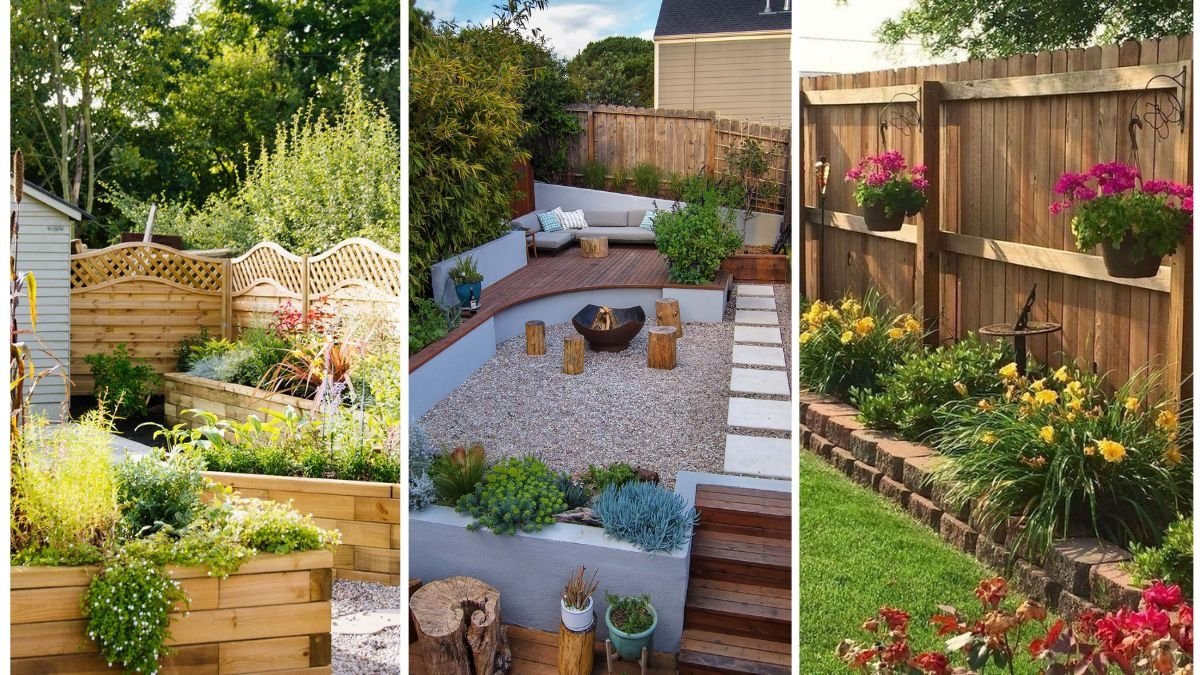
A backyard is a personal sanctuary—a place where you can relax, entertain guests, or simply enjoy fresh air. But for many homeowners, the thought of maintaining a yard can feel overwhelming. Endless mowing, weeding, pruning, and watering often take up more time than people can spare. The solution? A low-maintenance backyard design that combines beauty, functionality, and sustainability while minimizing effort.
Designing a backyard that thrives with minimal upkeep requires thoughtful planning. By choosing the right plants, materials, and layout, you can enjoy a stunning outdoor space without spending every weekend caring for it. In this article, we’ll explore practical tips and design strategies to help you create a backyard that’s both inviting and easy to manage.
1. Start with a Smart Layout
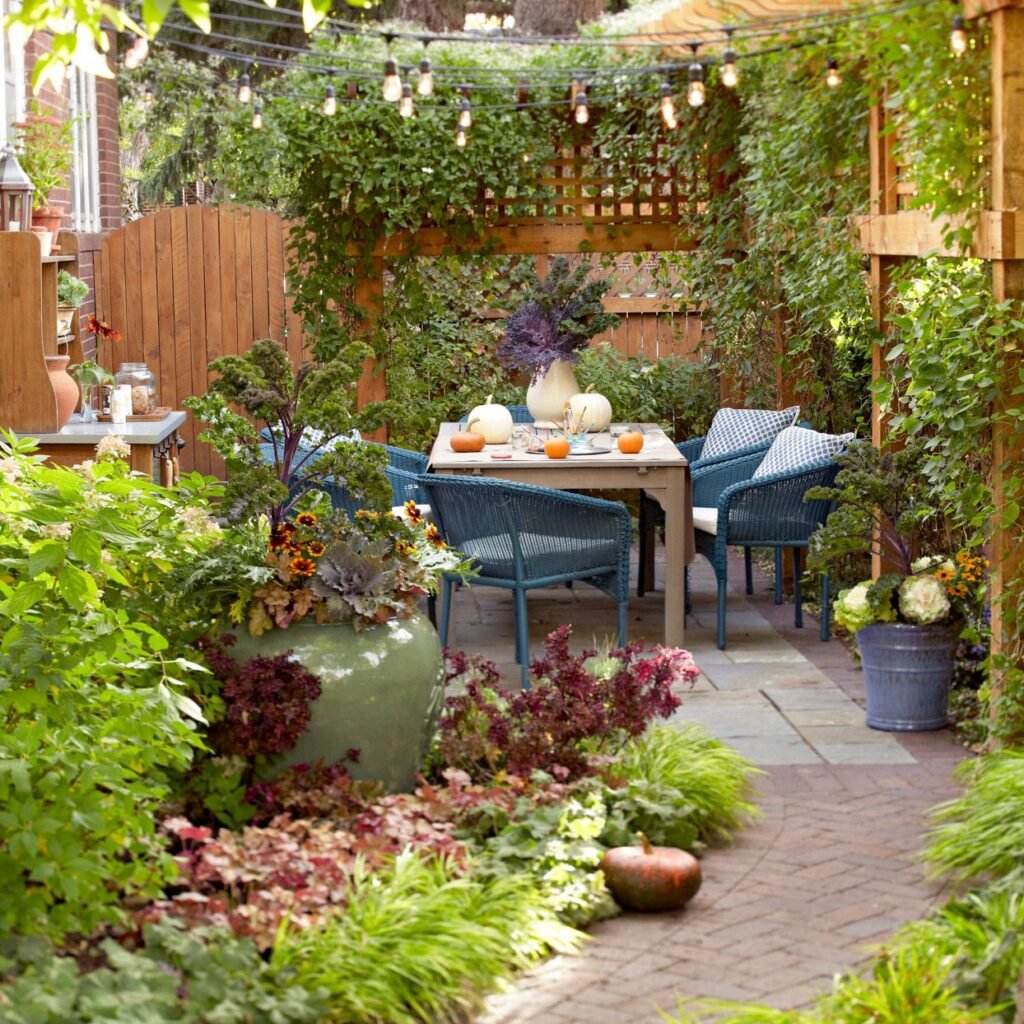
The foundation of a low-maintenance backyard is its layout. A well-planned design makes your space easier to use and care for.
- Simplify shapes: Stick to clean, simple lines when designing garden beds, patios, and walkways. Curved or complex layouts are harder to mow and edge.
- Define zones: Divide your backyard into functional areas, such as a seating zone, play area, or garden space. Clear boundaries reduce clutter and make upkeep easier.
- Limit lawn size: Lawns require the most maintenance, so consider reducing grass areas by replacing them with gravel, pavers, or planting beds.
A thoughtful layout ensures that every part of your yard has a purpose and is easier to maintain over time.
2. Choose Low-Maintenance Plants
Plant selection plays a huge role in reducing backyard chores. Opt for plants that are hardy, drought-tolerant, and well-suited to your climate.
- Perennials over annuals: Perennials come back year after year, reducing the need for replanting.
- Native plants: Local species are naturally adapted to your environment, meaning they need less water, fertilizer, and care.
- Shrubs and evergreens: These provide year-round structure and require less attention than high-maintenance flowers.
- Ground covers: Plants like creeping thyme, sedum, or mondo grass can replace turfgrass in certain areas, suppressing weeds while looking attractive.
By focusing on the right plants, you create a backyard that largely takes care of itself.
3. Minimize Lawn Care
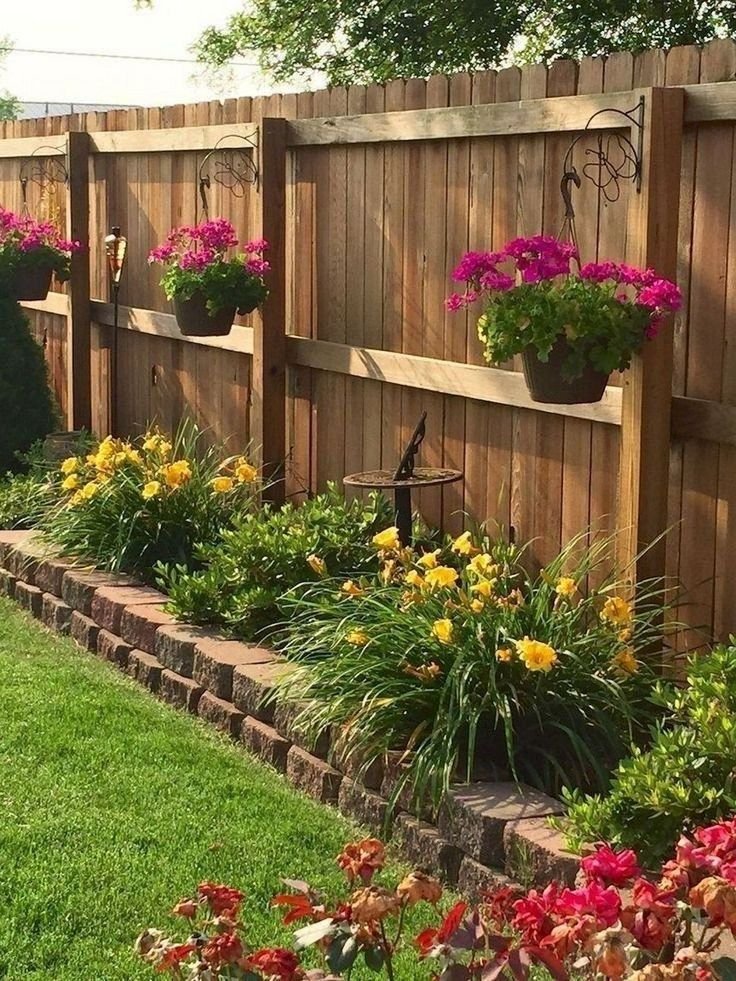
Traditional lawns are beautiful but notoriously high-maintenance. If you love the look of green, there are alternatives that save time and effort.
- Artificial turf: Modern synthetic grass looks realistic and eliminates mowing, watering, and fertilizing.
- Drought-tolerant grass varieties: If you prefer real grass, choose low-maintenance species like buffalo grass or zoysia.
- Lawn alternatives: Replace sections of grass with mulch, gravel, or native plant beds for a stylish, eco-friendly solution.
Even reducing your lawn size by half can dramatically cut down on yard work.
4. Use Hardscaping for Structure
Hardscaping—non-plant elements like patios, decks, and pathways—adds beauty and reduces the amount of living landscape to maintain.
- Patios and seating areas: A paved patio or deck creates a permanent outdoor living space that doesn’t need constant upkeep.
- Walkways: Gravel, stone, or paver walkways not only look neat but also reduce muddy paths and wear on grass.
- Retaining walls and raised beds: These simplify maintenance by reducing erosion, weeds, and bending over for gardening tasks.
Hardscaping also allows you to design functional, stylish areas that require minimal seasonal effort.

5. Focus on Mulching
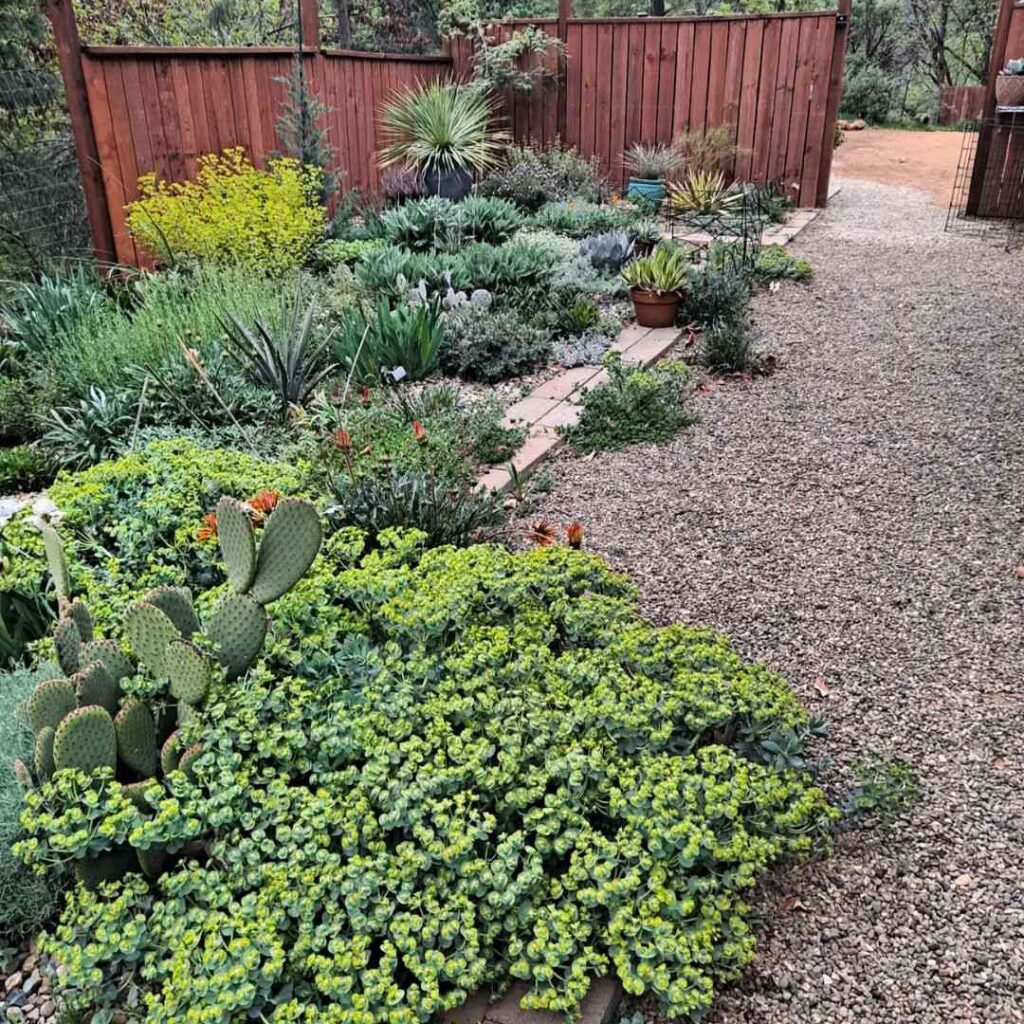
Mulch is a low-maintenance gardener’s best friend. It conserves soil moisture, reduces weeds, and improves the look of planting beds.
- Organic mulch: Wood chips, bark, and shredded leaves enrich the soil as they break down.
- Inorganic mulch: Gravel, stones, or rubber mulch last longer and require little replacement.
- Depth matters: Spread mulch about 2–3 inches deep to block sunlight from reaching weed seeds.
Replenishing mulch once or twice a year is far easier than constant weeding and watering.
6. Install Smart Irrigation
Watering can be one of the most time-consuming backyard tasks. Smart irrigation systems simplify the process and reduce water waste.
- Drip irrigation: Delivers water directly to plant roots, minimizing evaporation and runoff.
- Soaker hoses: Great for garden beds, as they evenly moisten soil with little effort.
- Smart sprinklers: These can be programmed or connected to weather apps to water only when necessary.
Once installed, these systems require little input, ensuring your plants stay healthy without daily watering chores.
7. Add Outdoor Living Spaces
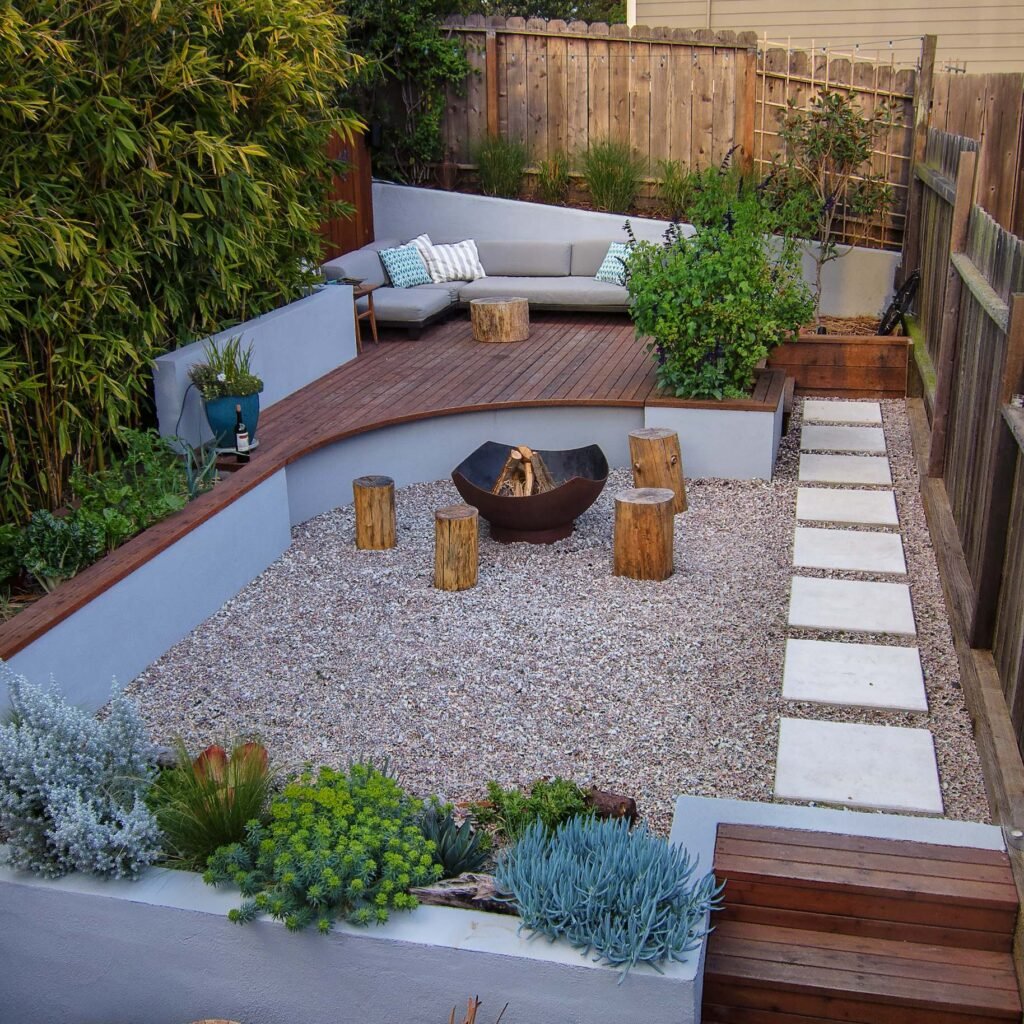
Low-maintenance doesn’t mean bare—it means thoughtful design. Adding outdoor living spaces reduces yard work while making your backyard more enjoyable.

- Pergolas or gazebos: These provide shade, structure, and a focal point without requiring upkeep.
- Fire pits or outdoor fireplaces: Perfect for cozy gatherings and require little maintenance once installed.
- Furniture: Opt for weather-resistant materials like aluminum, resin wicker, or teak to minimize upkeep.
These features expand your backyard’s usability while reducing the need for more grass or plants.
8. Embrace Container Gardening
Container gardening offers flexibility and ease compared to large in-ground beds.
- Low-maintenance plants in pots: Succulents, dwarf shrubs, and herbs thrive in containers with minimal care.
- Self-watering planters: These keep plants hydrated longer and reduce watering frequency.
- Movable design: You can rearrange containers to refresh the look of your yard without replanting.
Container gardens are particularly useful for small yards, patios, or areas where you want instant greenery without heavy work.
9. Keep Décor Simple and Functional
Overdecorating a backyard can create more cleaning and organizing tasks. Instead, focus on simplicity and functionality.
- Multi-purpose furniture: Benches with storage, foldable tables, or modular seating save space and reduce clutter.
- Minimal accessories: Choose durable, weather-resistant décor pieces rather than lots of delicate items.
- Natural accents: Use large stones, sculptures, or birdbaths as focal points that don’t require constant care.
A simple design is easier to maintain and creates a relaxing, clutter-free atmosphere.
10. Plan for Year-Round Interest
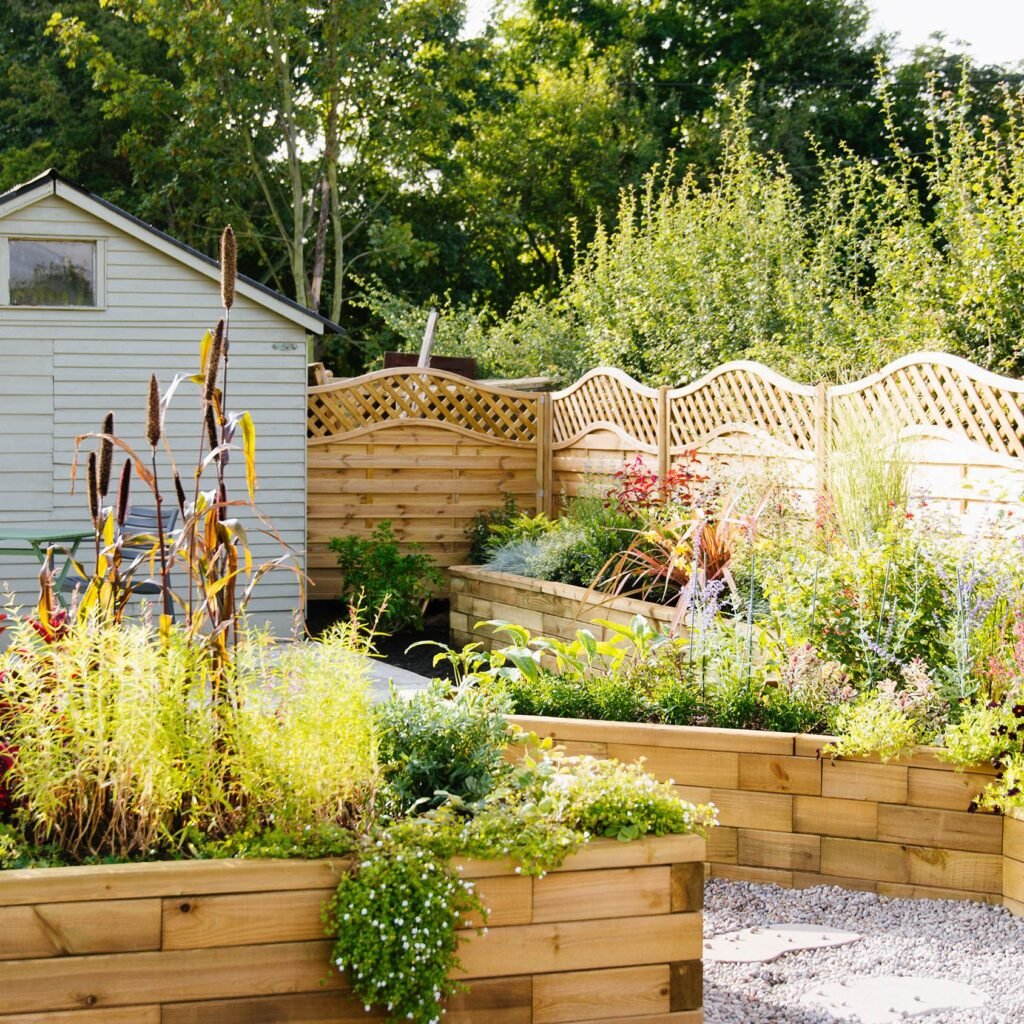
A low-maintenance backyard should look appealing in every season without much intervention.
- Evergreen shrubs: Provide structure and greenery year-round.
- Ornamental grasses: Add movement and texture, thriving with minimal care.
- Seasonal perennials: Choose varieties that bloom in succession to ensure continuous color.
This approach eliminates the need for frequent planting or seasonal overhauls.
Tips to Keep Your Backyard Effort-Free
- Group plants with similar water and light needs to simplify care.
- Use edging materials (like stone or metal borders) to keep mulch and plants neat.
- Prune once or twice a year instead of frequent trimming.
- Choose durable materials like composite decking or stone instead of wood that needs constant staining or sealing.
- Automate as much as possible, from lighting to irrigation.
Final Thoughts
Designing a low-maintenance backyard doesn’t mean sacrificing beauty or functionality. It’s about creating a space that brings joy instead of stress. By reducing lawns, choosing hardy plants, incorporating hardscaping, and adding thoughtful features like container gardens or smart irrigation, you can enjoy a backyard that looks great with minimal effort.
Ultimately, the goal is to create a backyard that suits your lifestyle—whether that means a cozy retreat for relaxation, an entertaining space for friends, or a family-friendly yard with plenty of room to play. With these strategies, you’ll spend less time working and more time enjoying your outdoor oasis.

Leave A Comment