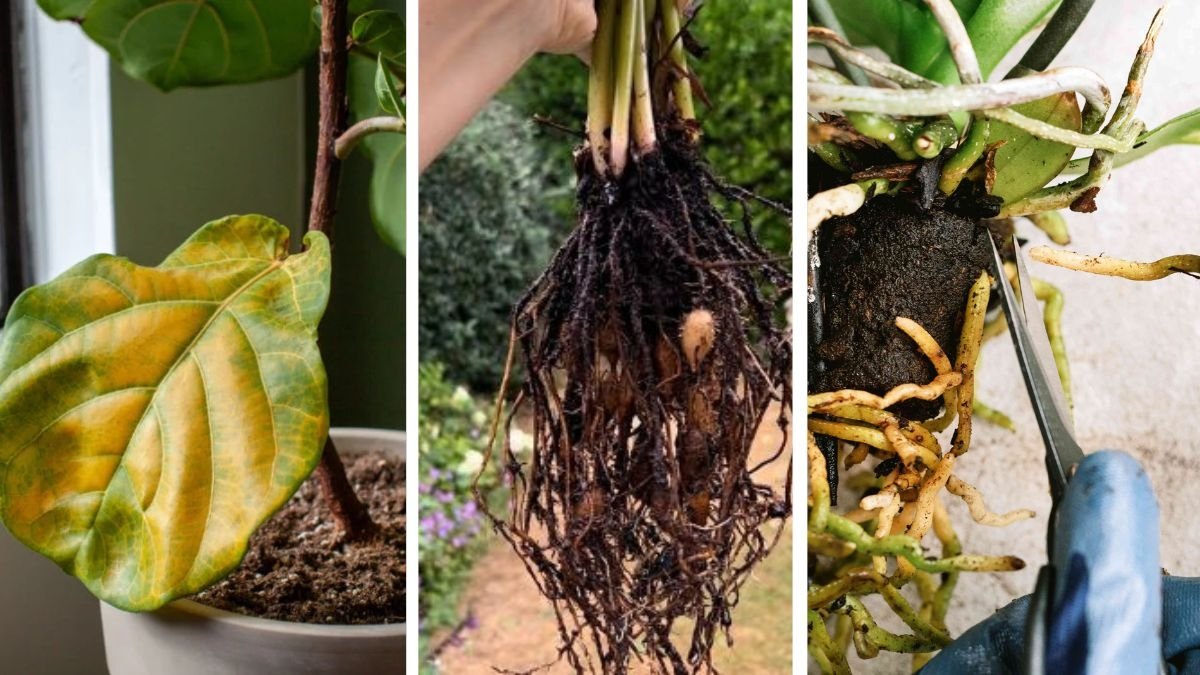
Root rot is one of the most devastating issues a gardener can face. It silently attacks the roots of your plants, reducing their ability to absorb water and nutrients, eventually leading to wilting, stunted growth, and even plant death. Whether you’re growing vegetables, houseplants, or ornamentals, early identification and prompt treatment are crucial to save your plants from root rot.
In this guide, we’ll cover how to recognize root rot, understand its causes, and take fast, effective measures to treat and prevent it.
What is Root Rot?
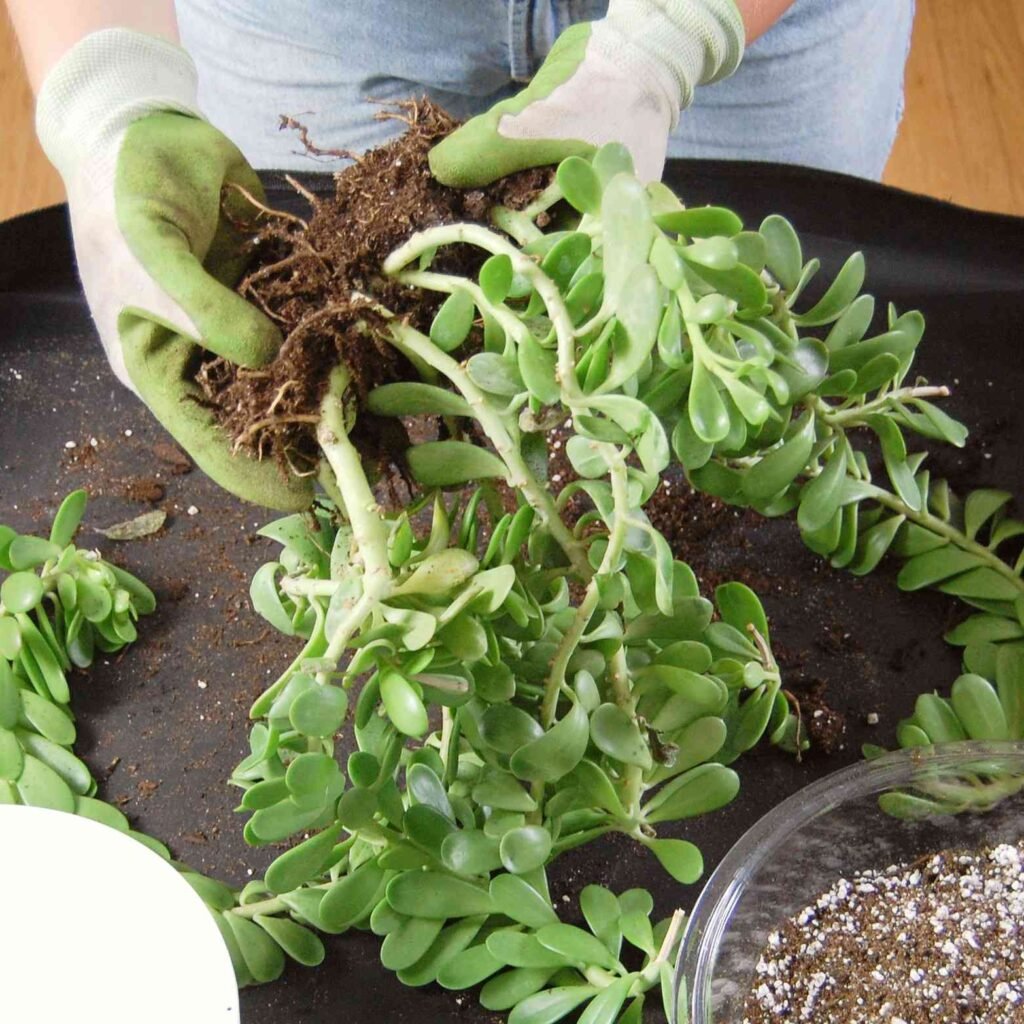
Root rot is a disease that affects the root system of plants, primarily caused by soil-borne fungi such as Phytophthora, Pythium, and Fusarium. These pathogens thrive in overly wet soil conditions, often developing when drainage is poor or watering is excessive.
Key Characteristics of Root Rot:
- Roots become brown, mushy, and foul-smelling.
- Plant growth slows or stops, even with adequate sunlight and nutrients.
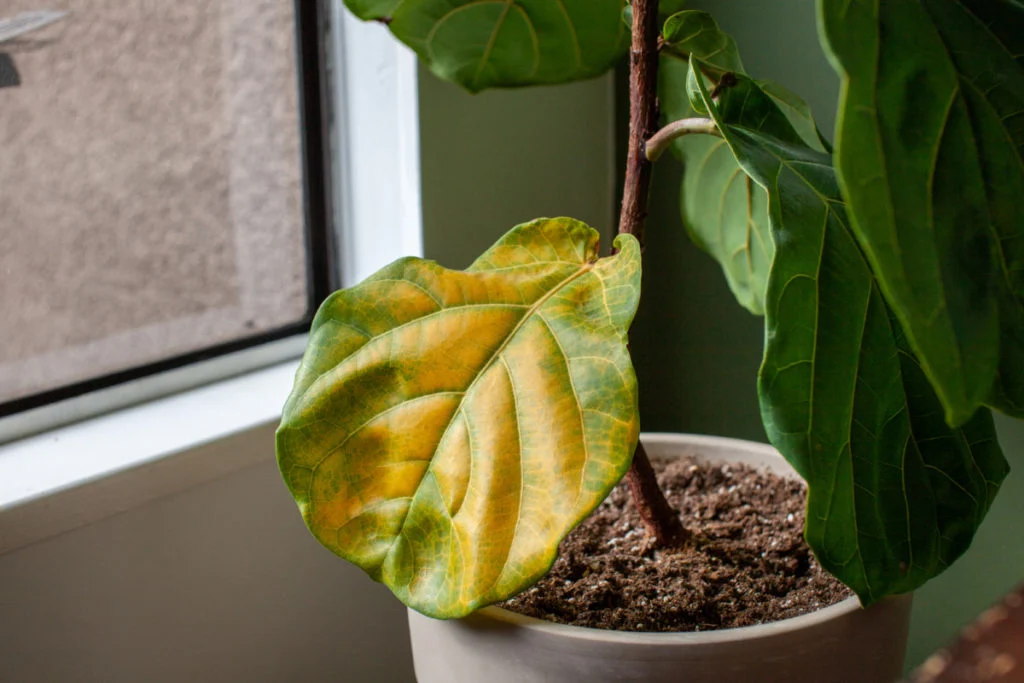
- Leaves may yellow, wilt, or drop prematurely.
- Stems near the soil line may appear discolored or soft.
Understanding the early signs of root rot allows you to take immediate action before the disease spreads too far.

Causes of Root Rot
Root rot is primarily linked to environmental and cultural factors. Knowing the causes helps gardeners prevent future infections.
Common Causes Include:
- Overwatering: Excess water saturates the soil, depriving roots of oxygen and creating a breeding ground for fungi.
- Poor drainage: Heavy clay soils or compacted pots prevent water from flowing away.
- Infected soil or tools: Fungal spores can spread through contaminated soil, pots, or pruning tools.
- Crowded planting: Lack of space reduces airflow and traps moisture around roots.
- Low temperatures: Cold, wet conditions slow plant metabolism, making roots more vulnerable.
Tip: Even healthy plants can develop root rot if environmental conditions are favorable for fungal growth.
How to Identify Root Rot Early
Early detection is key to saving affected plants. Watch for these warning signs:
Above-Ground Symptoms:
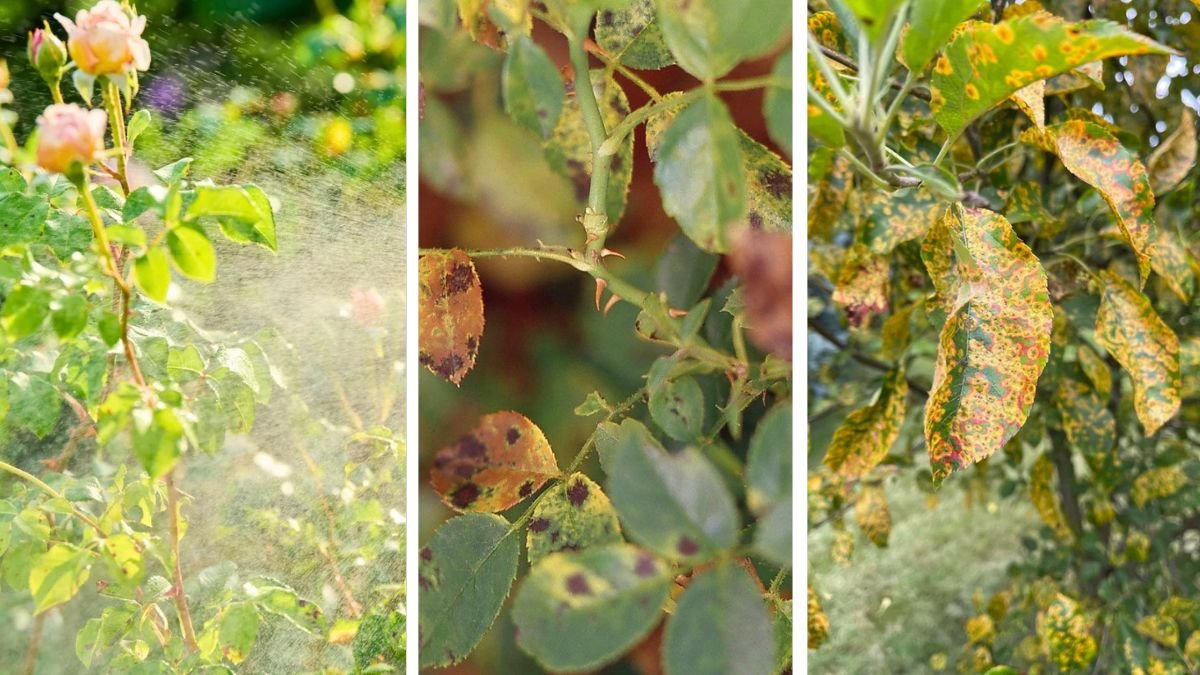
- Yellowing or wilting leaves despite adequate watering
- Drooping stems and poor growth
- Leaf drop or discoloration, often starting from lower leaves
Below-Ground Symptoms:
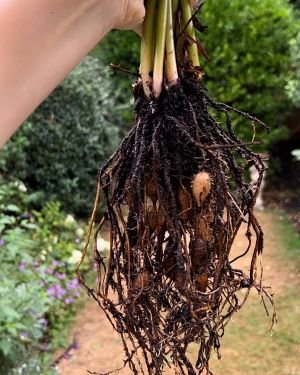
- Discolored roots: Healthy roots are white or light tan; rotting roots turn brown or black.
- Soft or mushy texture: Gently squeeze roots; mushiness indicates rot.
- Foul smell: A sour or decaying odor signals fungal infection.
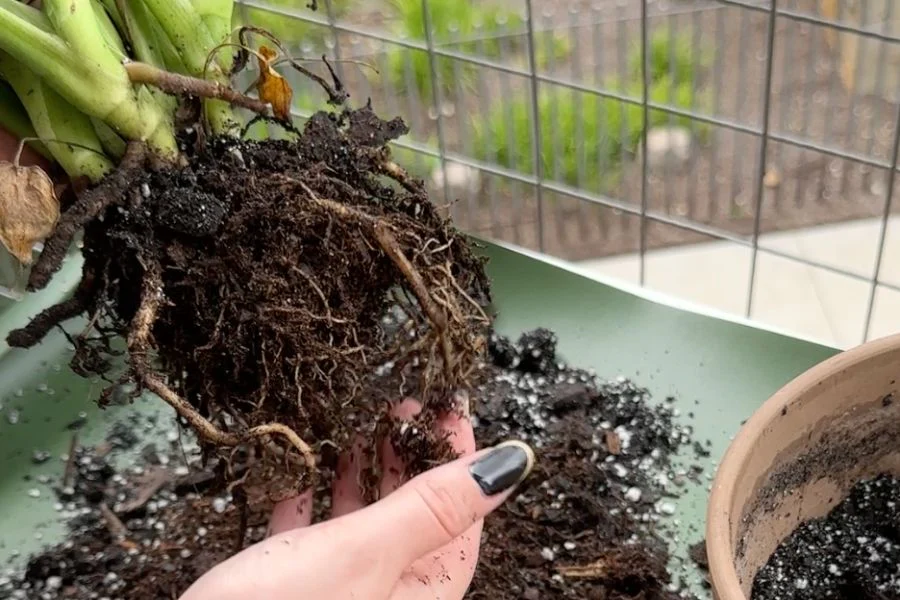
Tip: Always inspect the root system if your plant shows unexplained wilting or yellowing. Catching root rot early gives you a better chance to save the plant.
Fast Treatment Options for Root Rot
Once root rot is identified, immediate action is crucial. The following steps can help you treat affected plants:
1. Remove the Plant from Soil
Carefully take the plant out of its pot or ground to inspect the roots. Shake off excess soil to see the full extent of the damage.
2. Trim Affected Roots
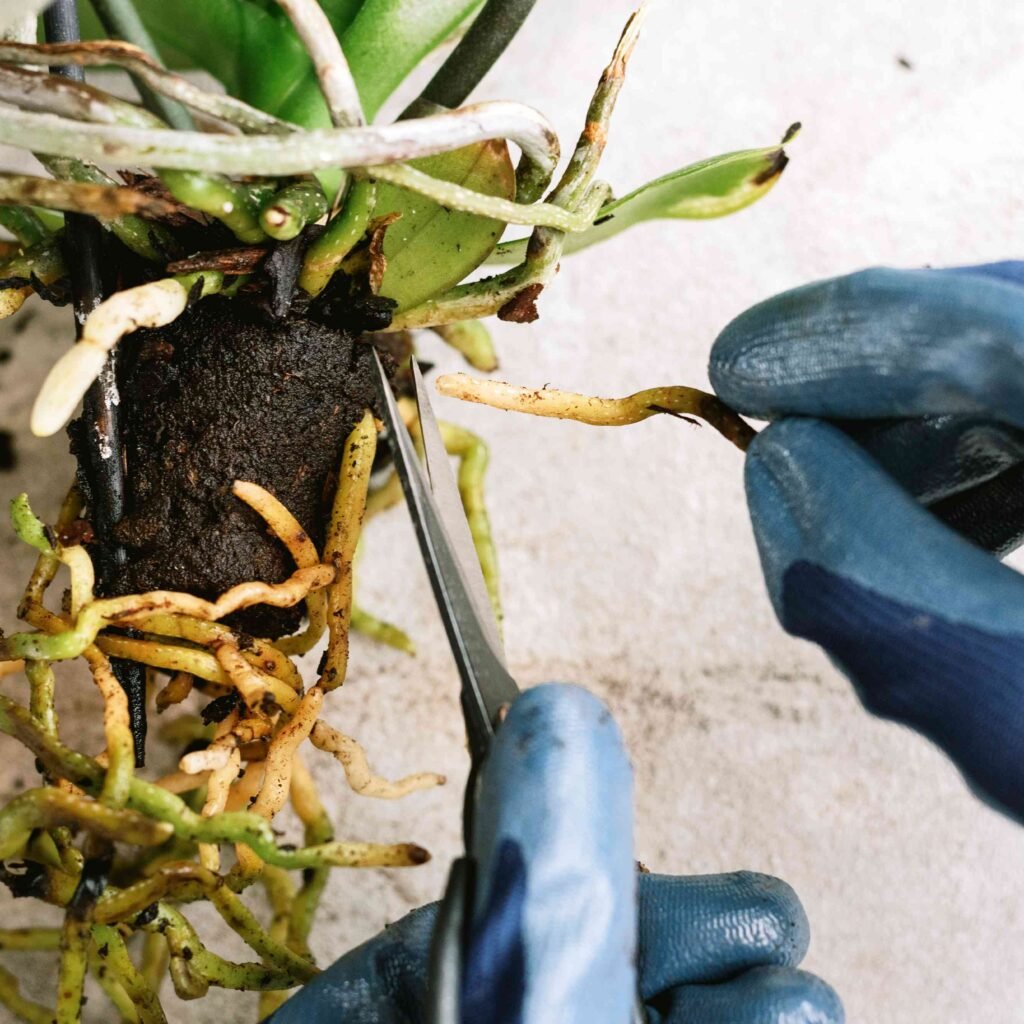
- Use clean, sharp scissors or pruning shears to remove all brown, black, or mushy roots.
- Cut back to healthy, firm roots that are white or light tan.
- Sterilize your tools before and after use to prevent spreading the fungus.
3. Treat with Fungicide or Natural Remedies
- Fungicides: Apply a suitable fungicide labeled for root rot to protect remaining roots.
- Natural alternatives: Cinnamon powder can act as a natural antifungal; dip roots lightly before replanting.
4. Repot in Fresh, Well-Draining Soil
- Choose a clean pot with proper drainage holes.
- Use a fresh, sterile potting mix or soil amended with perlite or sand to improve drainage.
- Avoid planting in the same contaminated soil to prevent reinfection.
5. Adjust Watering Practices
- Water only when the top inch of soil feels dry.
- Avoid letting water pool at the bottom of pots or beds.
- Use pots with drainage holes or raised beds to improve soil aeration.
6. Improve Environmental Conditions
- Provide good airflow around plants.
- Keep plants in a location with appropriate light and temperature.
- Avoid overcrowding, which can trap moisture around roots.
Prevention is Better Than Cure
Preventing root rot is far easier than treating it. Here are key strategies:
1. Choose Well-Draining Soil
- Mix perlite, sand, or coarse compost into garden beds or pots to improve drainage.
- Avoid heavy clay soils that retain water.
2. Proper Watering
- Water deeply but infrequently, allowing the soil to dry between watering.
- Avoid overhead watering on leaves that may drip to roots.
3. Use Clean Pots and Tools
- Sterilize pots, trays, and tools before planting.
- Avoid reusing contaminated soil without proper sterilization.
4. Select Resistant Plants
- Some plants are naturally resistant to root rot pathogens. Research varieties suited for your climate and soil.
5. Monitor Plants Regularly
- Inspect roots and leaves frequently.
- Early detection allows for quick action, preventing widespread damage.
Signs Your Treatment is Working
After treating root rot, monitor your plant carefully. Positive indicators include:
- New growth on leaves or stems
- Firm, healthy roots developing at the base
- Leaves remaining green and upright
- No foul odor from the soil
Tip: Recovery may take several weeks. Be patient and maintain proper care during this period.
Conclusion
Root rot is a serious but manageable plant disease. By understanding its causes, recognizing early symptoms, and taking immediate action, you can save many plants from permanent damage.
Key Takeaways:
- Early detection is essential—inspect roots when leaves yellow or wilt unexpectedly.
- Remove infected roots and repot in fresh, well-draining soil.
- Adjust watering and environmental conditions to prevent recurrence.
- Use fungicides or natural remedies to protect remaining roots.
- Preventive care, including proper soil, spacing, and hygiene, is the best long-term strategy.
With vigilance, proper care, and fast intervention, you can protect your plants from root rot and enjoy a healthy, thriving garden year-round.

Leave A Comment