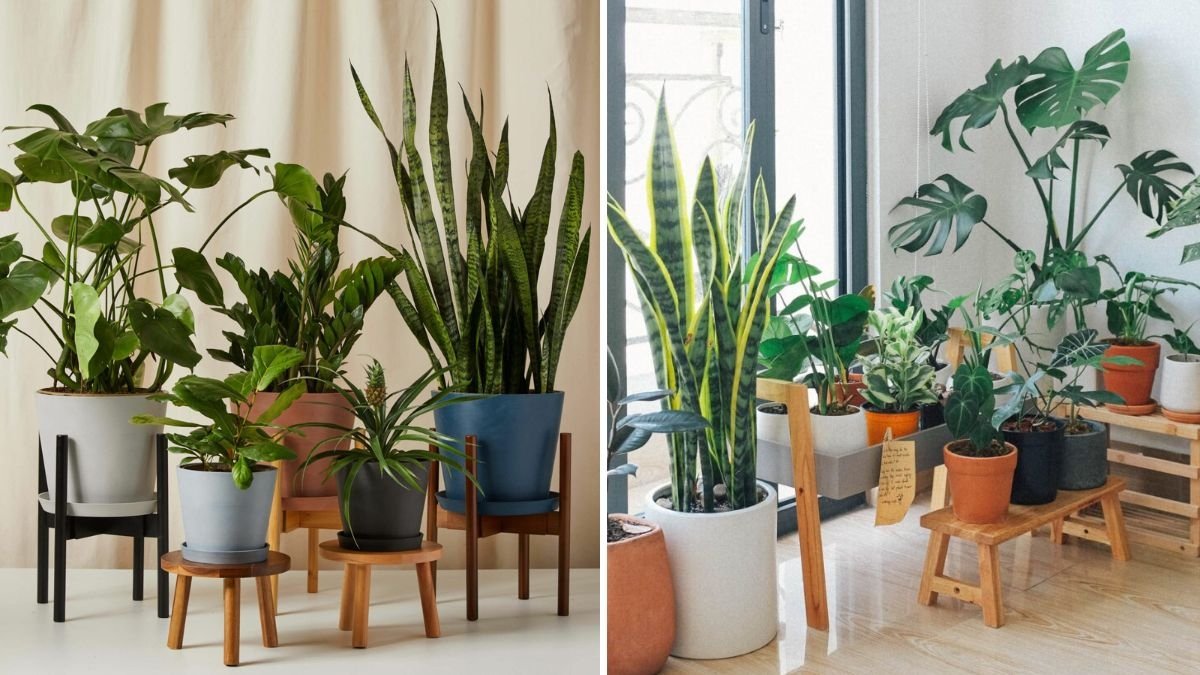
Not every home or office is blessed with abundant natural light. Some rooms face north, others have small windows, and many are shaded by surrounding buildings or trees. Yet, even in these dim spaces, you can still enjoy the beauty and benefits of houseplants. The key is choosing species that naturally thrive in low-light conditions.
This guide explores the best low-light plants to brighten dark rooms, with detailed care tips, benefits, and ways to style them in your living spaces.

Why Low-Light Plants Are Essential
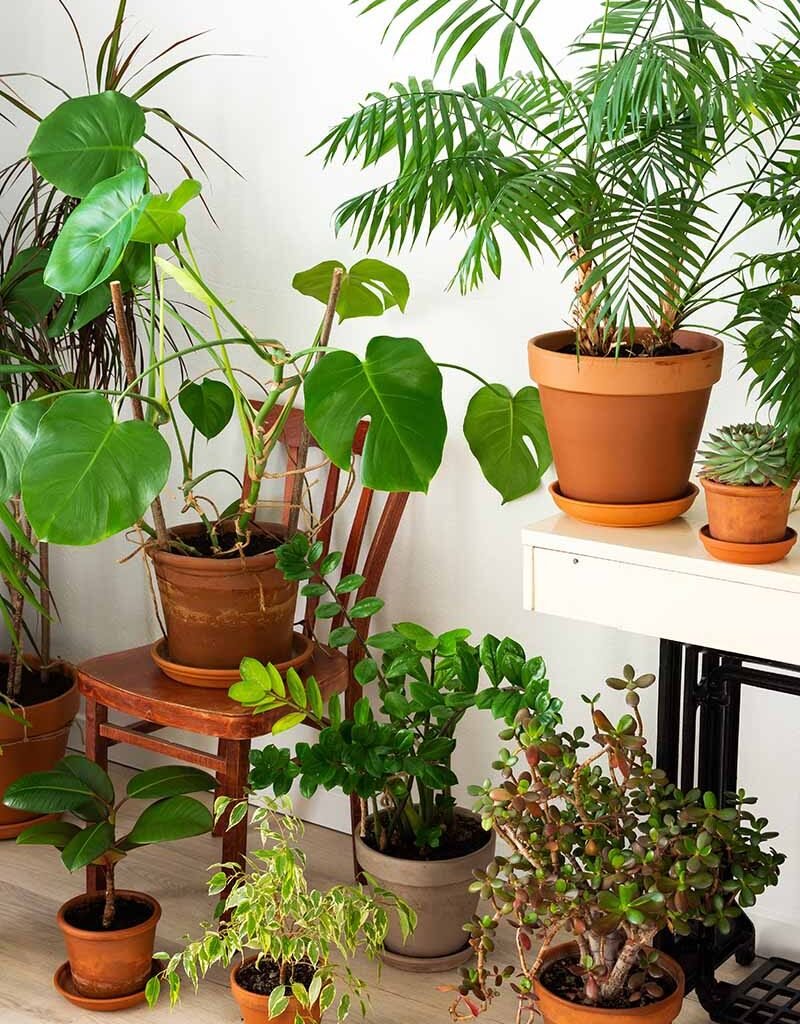
Low-light plants are perfect for apartments, basements, bathrooms, or offices where natural sunlight is scarce. Unlike sun-loving plants, these species adapt to indirect light, artificial light, or shaded corners. Beyond aesthetics, they also:
- Purify the air by removing toxins such as benzene and formaldehyde.
- Improve mood and reduce stress, even in workspaces.
- Add natural décor, making dull corners feel lively and inviting.
- Require minimal maintenance, which makes them ideal for beginners or busy lifestyles.
Factors to Consider When Choosing Low-Light Plants
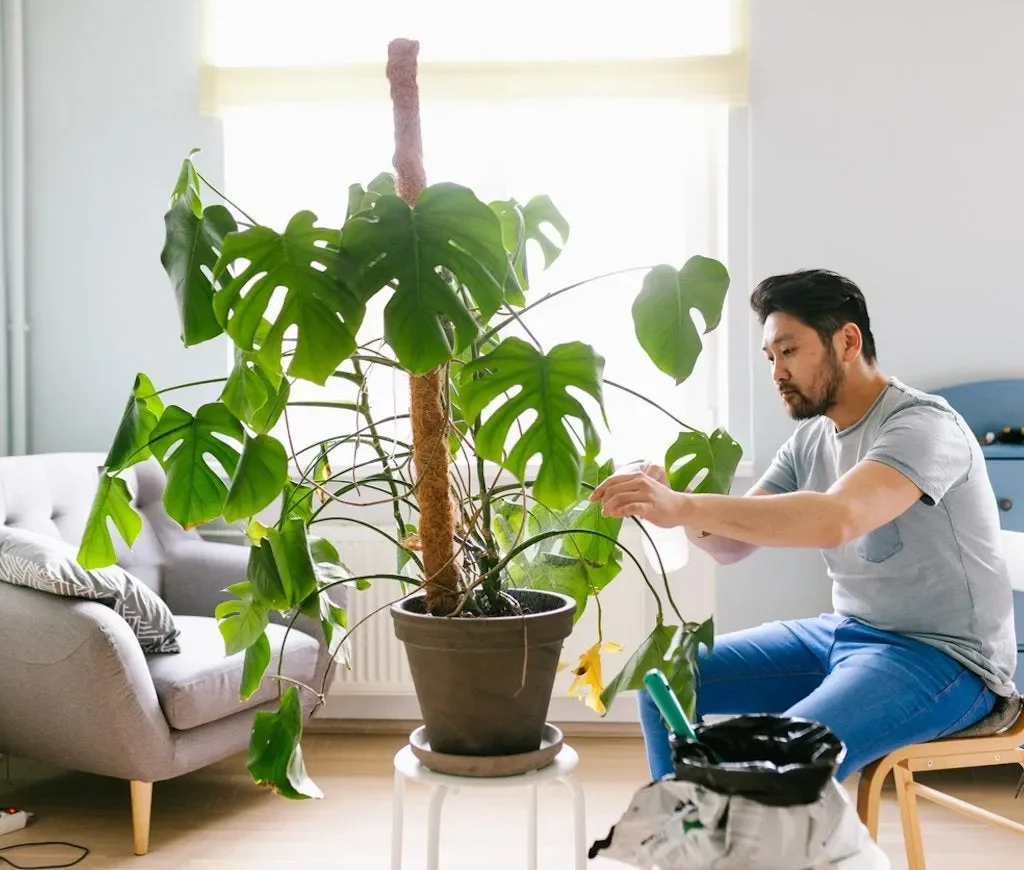
Before selecting your greenery, keep these factors in mind:

- Light Tolerance
- “Low-light” doesn’t mean “no light.” These plants still need some indirect or artificial light to survive.
- Humidity Needs
- Bathrooms and kitchens provide higher humidity, while bedrooms and offices may be drier. Choose plants accordingly.
- Growth Habits
- Some grow tall and upright, while others trail beautifully from shelves. Select based on the space you want to brighten.
- Maintenance Level
- If you’re new to plants, start with hardy species like Snake Plant or ZZ Plant that require minimal care.
Top Low-Light Plants for Dark Rooms
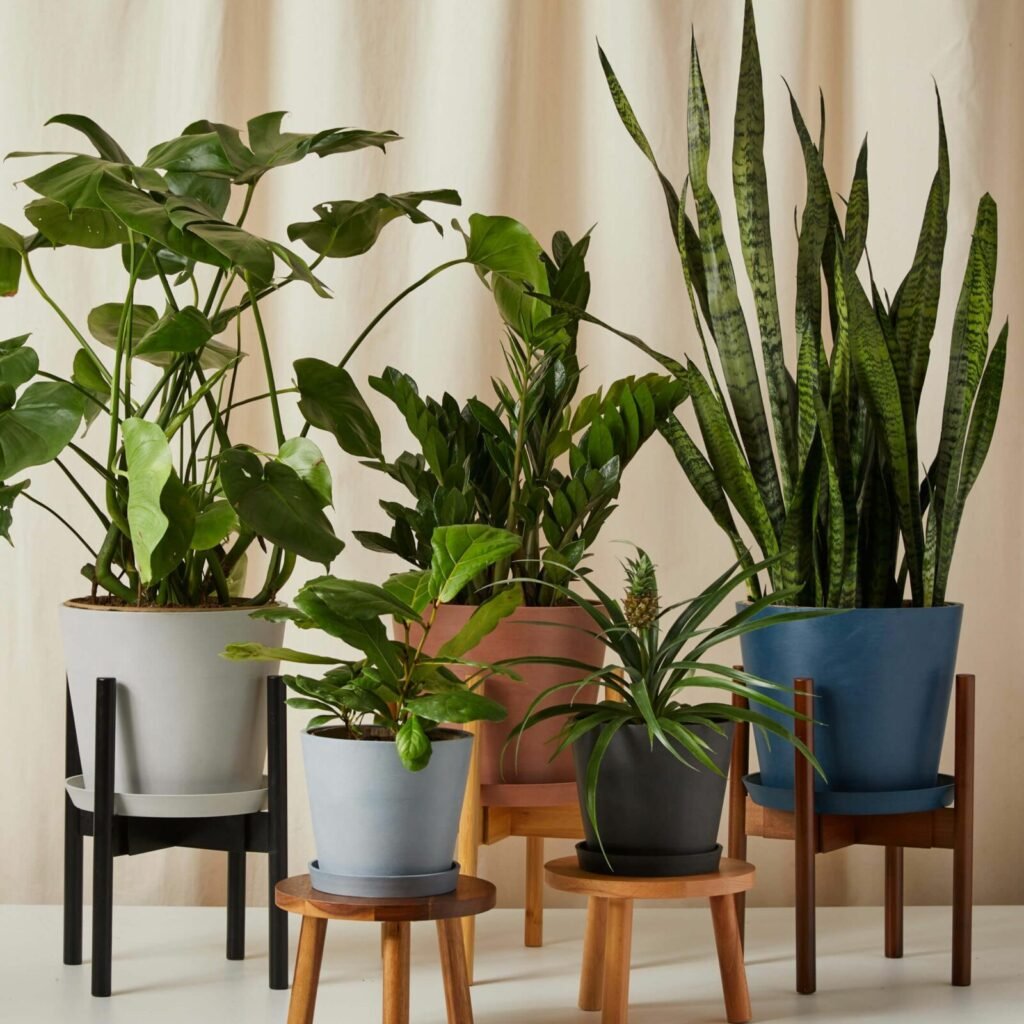
1. Snake Plant (Sansevieria trifasciata)
- Why it’s great: One of the toughest houseplants, the Snake Plant tolerates low light, irregular watering, and neglect. Its tall, sword-like leaves add vertical drama to any space.
- Care tips:
- Water only when soil is completely dry.
- Tolerates fluorescent lighting, making it perfect for offices.
- Avoid overwatering to prevent root rot.
- Bonus: It’s one of NASA’s top-rated air-purifying plants.
2. ZZ Plant (Zamioculcas zamiifolia)
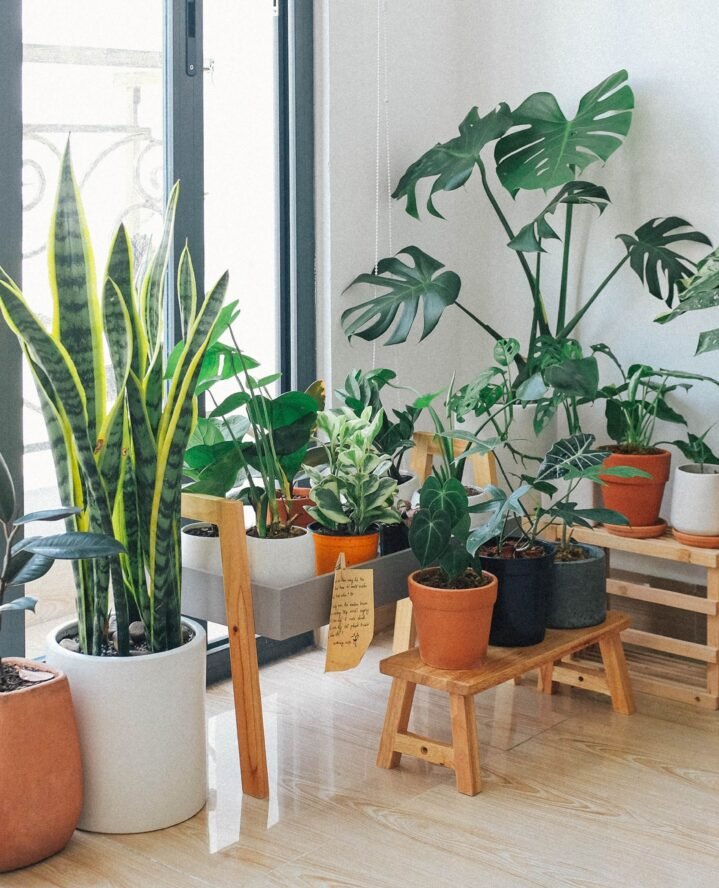
- Why it’s great: Known as the “plant of steel,” the ZZ Plant survives in dim corners where most others fail. Its glossy, deep-green leaves reflect light beautifully, instantly brightening dark spaces.
- Care tips:
- Requires very little water—every 2–3 weeks is enough.
- Thrives in artificial light but avoid direct sun.
- Use a well-draining potting mix.
- Bonus: Virtually pest-free and long-living.
3. Pothos (Epipremnum aureum)
- Why it’s great: A trailing beauty, Pothos can brighten shelves, desks, or hanging baskets with its cascading vines. Its variegated leaves (green, white, yellow, or neon) add brightness even in shaded areas.
- Care tips:
- Tolerates both low light and artificial light.
- Water when the top inch of soil dries out.
- Easy to propagate from cuttings.
- Bonus: Excellent for purifying indoor air.
4. Peace Lily (Spathiphyllum)
- Why it’s great: Peace Lilies are elegant plants with glossy leaves and white blooms that thrive in low light. They’re known to brighten gloomy corners with their striking contrast.
- Care tips:
- Keep soil consistently moist but not soggy.
- Prefers higher humidity—great for bathrooms.
- Wipe leaves regularly to prevent dust buildup.
- Bonus: Excellent at filtering toxins like ammonia and formaldehyde.
5. Cast Iron Plant (Aspidistra elatior)
- Why it’s great: True to its name, this plant is almost indestructible. It thrives in dark rooms, low humidity, and even irregular care.
- Care tips:
- Water only when the soil dries out.
- Avoid overfertilizing—once every 2–3 months is enough.
- Can handle cooler temperatures.
- Bonus: Perfect for beginners who want a zero-fuss plant.
6. Chinese Evergreen (Aglaonema)
- Why it’s great: A colorful low-light option, Chinese Evergreen offers patterned leaves in shades of green, silver, pink, or red. Even in dim rooms, its foliage pops with vibrancy.
- Care tips:
- Prefers indirect or low light but avoid cold drafts.
- Water moderately, allowing the topsoil to dry before watering again.
- Ideal for bedrooms or hallways.
- Bonus: Adds color variety without needing sunlight.
7. Philodendron (Heartleaf Philodendron)
- Why it’s great: With heart-shaped trailing leaves, this plant is excellent for hanging baskets or bookshelves in low-light areas.
- Care tips:
- Tolerates artificial lighting well.
- Water sparingly; too much moisture can cause root rot.
- Trim vines to encourage fuller growth.
- Bonus: Easy to propagate for more plants.
8. Dracaena
- Why it’s great: Dracaena species, especially Dracaena fragrans (Corn Plant), can thrive in dim rooms while adding height and structure. Their long, striped leaves create a tropical feel.
- Care tips:
- Keep soil slightly moist.
- Avoid direct sunlight, which can scorch leaves.
- Works well in offices with fluorescent lights.
- Bonus: Known for filtering toxins like benzene and trichloroethylene.
9. Maidenhair Fern (Adiantum)
- Why it’s great: Delicate and airy, this fern thrives in shady, humid spots. Its feathery foliage adds softness to darker areas.
- Care tips:
- Needs consistently moist soil.
- Prefers high humidity—perfect for bathrooms.
- Keep away from drafts or dry heaters.
- Bonus: Adds a refreshing, elegant texture to dark corners.
10. Calathea (Prayer Plant)
- Why it’s great: Known for its striking leaf patterns and unique “prayer-like” movement at night, Calathea brings vibrancy to dim rooms.
- Care tips:
- Thrives in medium to low indirect light.
- Loves humidity, so mist regularly or use a humidifier.
- Keep soil moist but not soggy.
- Bonus: A non-toxic plant, safe for homes with pets.
Styling Ideas to Brighten Dark Rooms
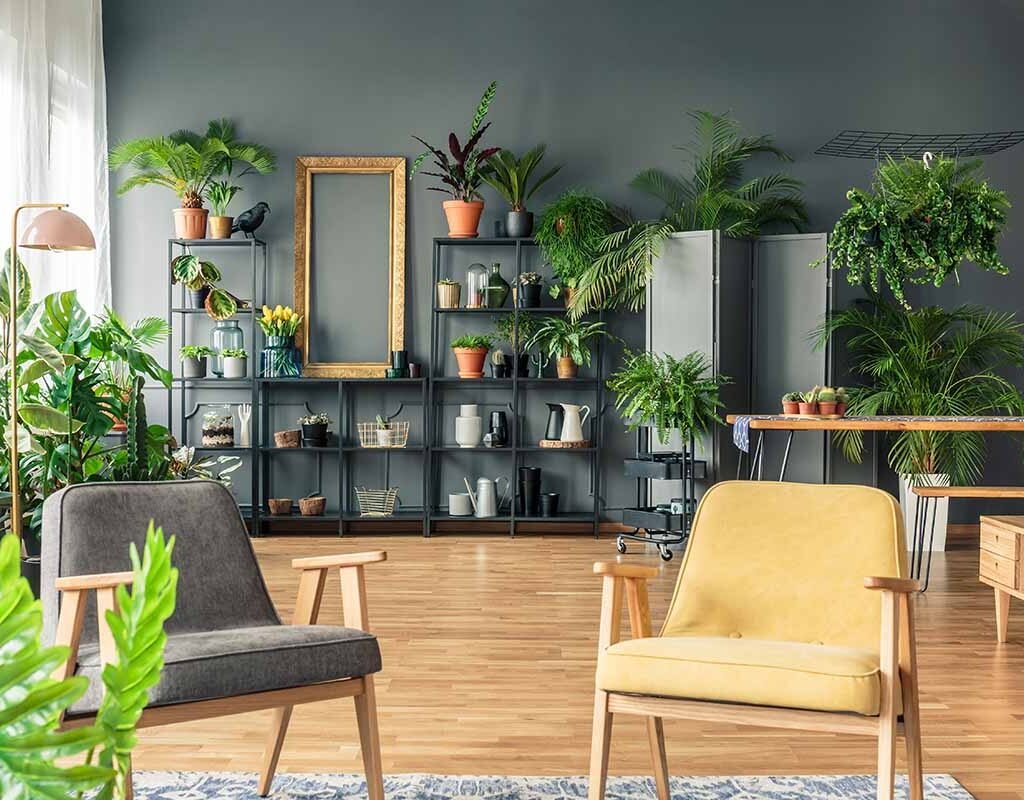
- Use reflective surfaces: Place plants near mirrors to amplify both light and greenery.
- Group plants together: A cluster of different textures and heights creates a lush, bright effect.
- Hanging displays: Pothos, Philodendrons, or ferns look stunning in hanging planters in dark corners.
- Colorful pots: Bright ceramic or metallic pots add extra cheer to shaded areas.
- Plant stands and shelves: Elevate plants to catch more ambient or artificial light.
Tips for Success with Low-Light Plants
- Rotate plants regularly so all sides receive light evenly.
- Dust leaves to allow maximum light absorption.
- Supplement with grow lights if natural light is extremely limited.
- Avoid overwatering, the most common cause of death in low-light plants.
- Observe signs—yellowing leaves may indicate overwatering, while leggy growth means the plant needs more light.
Conclusion
Dark rooms don’t have to feel lifeless. With the right low-light plants, you can bring vibrancy, texture, and freshness into any space. From the hardy Snake Plant and ZZ Plant to the elegant Peace Lily and colorful Calathea, these species thrive where sunlight is scarce.
By combining thoughtful selection, proper care, and creative styling, you can transform even the gloomiest corners into lush, inviting spaces. Low-light plants prove that with a little greenery, every room can feel brighter, healthier, and more alive.


Leave A Comment