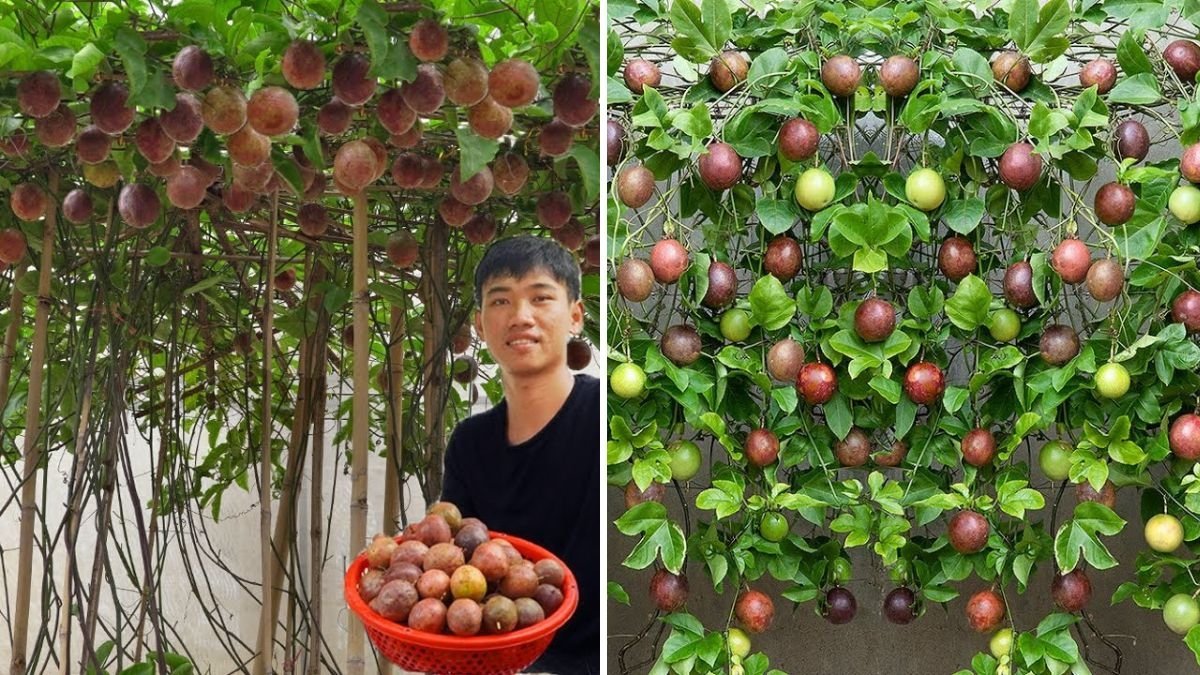
Passion fruit, known for its sweet-tart flavor, aroma, and nutritional benefits, is a favorite among fruit lovers. Rich in vitamin C, antioxidants, fiber, and essential minerals, it supports immunity, digestion, and overall health.
Despite its popularity, many people think passion fruit is difficult to grow at home. However, the YouTube video “Home gardening | Growing passion fruit at home is surprising because of its unbelievable productivity” shows that with the right methods, care, and support, passion fruit can be highly productive, even in small spaces.
This guide will walk you through step-by-step techniques for growing passion fruit at home and tips to maximize yields, ensuring a bountiful and delicious harvest.
Why Grow Passion Fruit at Home?
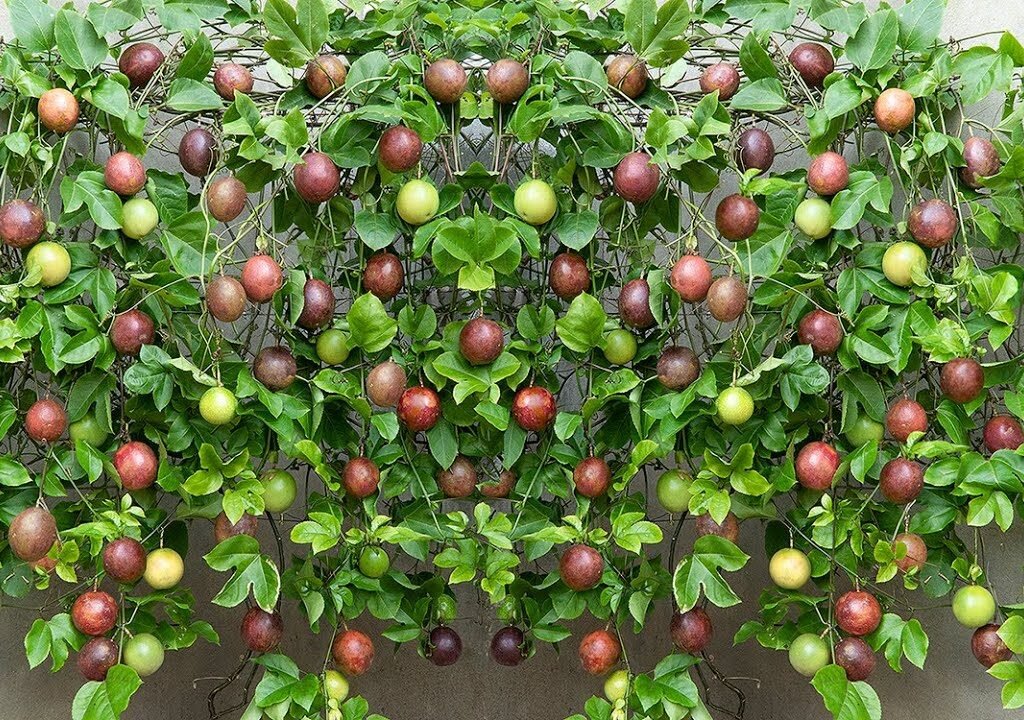
Homegrown passion fruit offers several advantages:
- Fresh and Nutritious: Fruits are free from pesticides and chemicals.
- Cost-Effective: Save money compared to buying from the market.
- Space-Saving: Can grow on trellises, walls, or small backyard spaces.
- Highly Productive: Proper care yields dozens of fruits per vine.
- Aromatic and Delicious: Homegrown fruits are sweeter and more flavorful.
With these benefits, passion fruit is ideal for home gardeners who want maximum yield in minimal space.
Step 1: Selecting the Right Variety
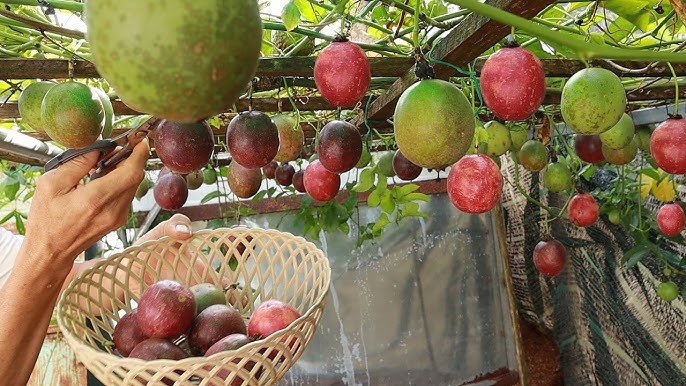
Choosing the right variety ensures high yield and flavor:
- Purple Passion Fruit: Sweet flavor, compact growth, suitable for small gardens.
- Yellow Passion Fruit: High productivity, large fruits, slightly tart taste.
- Hybrid Varieties: Disease-resistant and high-yielding.
Purchase certified seeds or seedlings from a reputable nursery for better growth and fruiting.
Step 2: Choosing a Suitable Location
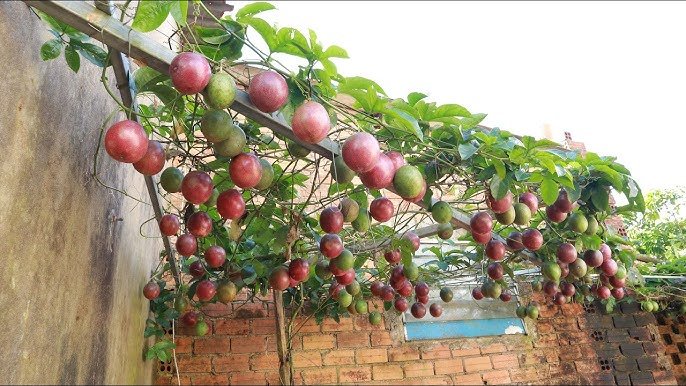
Passion fruit vines require sunlight, support, and space to climb:
- Full sun: At least 6–8 hours of direct sunlight daily.
- Protection from strong winds, which can damage flowers and fruits.
- Well-draining soil to prevent waterlogging and root rot.
The right location ensures vigorous growth and abundant flowering.
Step 3: Preparing the Soil
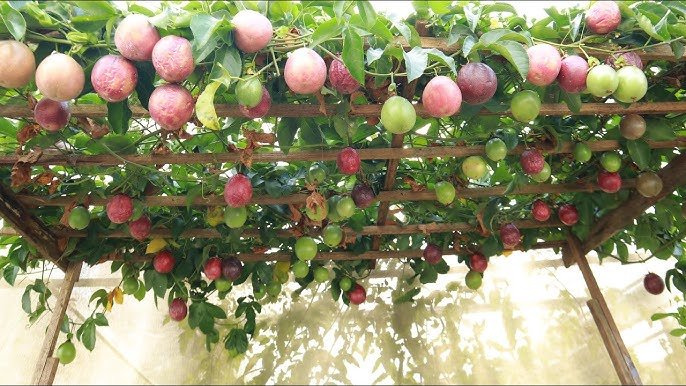
Passion fruit prefers loamy, fertile, and well-draining soil:
Recommended Soil Mix:
- 40% garden soil
- 30% compost or well-rotted manure
- 20% cocopeat or peat moss for moisture retention
- 10% sand for drainage
Optional: Add bone meal or rock phosphate to encourage flowering and fruit development.
Step 4: Planting Passion Fruit Seedlings or Seeds
For Seedlings:
- Dig a hole slightly larger than the root ball.
- Place the seedling and fill with soil, firming gently.
- Water immediately to settle the soil around roots.
For Seeds:
- Soak seeds overnight for faster germination.
- Sow in small containers with a moist soil mix.
- Transplant seedlings when they have 3–4 true leaves.
Proper planting ensures strong root systems and rapid vine establishment.
Step 5: Providing Vertical Support
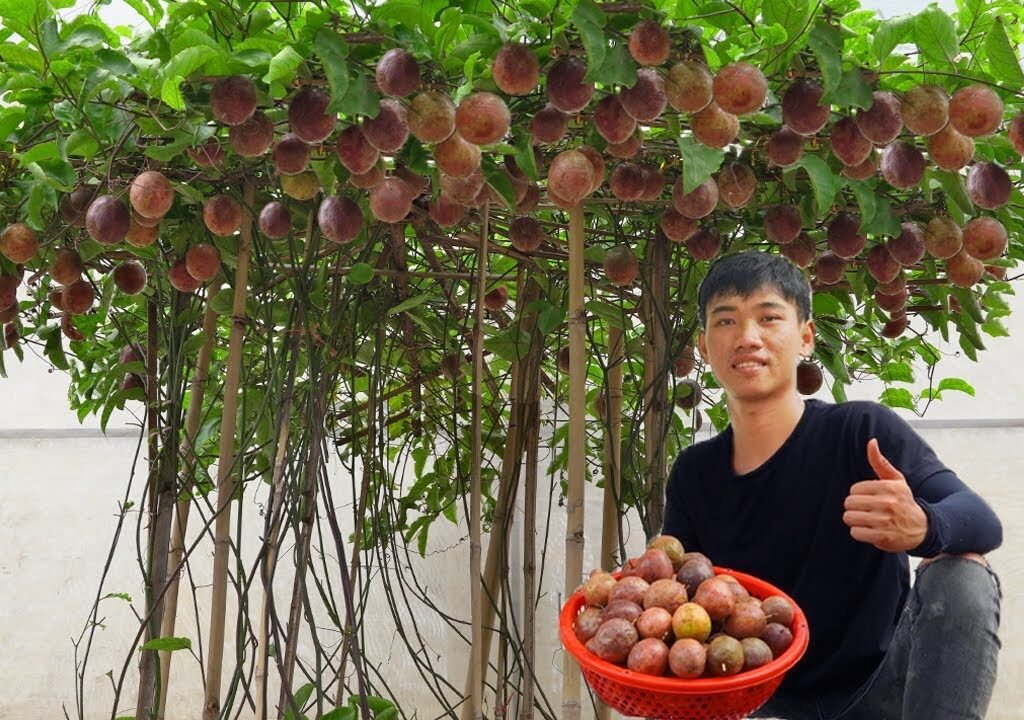
Passion fruit is a climbing vine, so vertical support is essential:
- Use trellises, bamboo poles, fences, or walls for vines to climb.
- Tie young shoots gently to the support with soft strings.
- Allow vines to spread horizontally for maximum flowering and fruiting.
Support not only improves yield but also prevents diseases by keeping leaves and fruits off the ground.
Step 6: Watering and Moisture Management
Consistent watering is key for healthy flowering and fruit development:
- Water 2–3 times a week, adjusting based on rainfall and temperature.
- Avoid waterlogging, which can cause root rot.
- Mulch around the base with straw, leaves, or grass to retain soil moisture.
Proper watering ensures larger, juicier, and more numerous fruits.
Step 7: Fertilization for High Yield
Passion fruit is nutrient-demanding, especially during flowering and fruiting:
- Apply organic fertilizers like vermicompost or cow dung slurry every 2–3 weeks.
- Use potash-rich fertilizers to encourage flowering and fruit size.
- Avoid excessive nitrogen, as it promotes leafy growth at the expense of flowers.
Balanced fertilization leads to more flowers, stronger vines, and high fruit productivity.
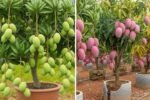
Step 8: Pruning and Training the Vine
Regular pruning improves air circulation, sunlight penetration, and productivity:
- Remove dead or weak branches to direct energy toward fruiting shoots.
- Trim excessive lateral shoots that crowd the vine.
- Train the main vine along trellis or support to encourage horizontal growth.
Pruning helps maintain healthy, high-yielding vines.
Step 9: Pollination for Maximum Fruit Set
Pollination is critical for fruiting:
- Encourage bees and pollinators by planting flowers nearby.
- In areas with low pollinator activity, gently shake flowers or use a brush to transfer pollen.
- Proper pollination increases fruit set and overall yield.
Healthy flowers and pollination result in more and larger fruits.
Step 10: Pest and Disease Management
Passion fruit can encounter pests and diseases, even in home gardens:
| Problem | Solution |
|---|---|
| Fruit flies | Cover fruits with mesh bags or use traps |
| Aphids | Spray neem oil or mild soap solution |
| Fungal diseases | Prune crowded vines and ensure good airflow |
| Leaf spot | Remove affected leaves and apply organic fungicide |
Regular monitoring ensures healthy, productive vines.
Step 11: Harvesting Passion Fruit
Harvesting is straightforward:
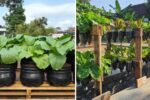
- Fruits are ready when they change color (purple or yellow depending on variety) and feel slightly soft.
- Gently twist or cut fruits from the vine.
- Regular harvesting encourages continuous flowering and fruiting.
Homegrown passion fruits are aromatic, juicy, and full of flavor, perfect for fresh consumption, juices, or desserts.
Step 12: Tips for Continuous High Productivity
- Succession Planting: Plant new seedlings to maintain continuous harvest.
- Proper Fertilization: Maintain nutrient levels during flowering and fruiting.
- Mulching: Conserves moisture and reduces weed competition.
- Regular Monitoring: Detect pests and diseases early to prevent losses.
Following these tips ensures unbelievable productivity that surprises friends and family.
Step 13: Benefits of Growing Passion Fruit at Home
- Freshness: Enjoy fruit straight from the vine.
- Cost Savings: Avoid buying premium fruit from markets.
- Space Efficiency: Perfect for small spaces, terraces, and balconies.
- High Yield: With care, one vine can produce dozens of fruits per season.
- Sustainability: Home gardening reduces dependence on commercial farming and supports eco-friendly practices.
Passion fruit is not only delicious but also a rewarding and productive addition to any home garden.
Conclusion: Enjoy a Bountiful Passion Fruit Harvest at Home
Growing passion fruit at home is surprisingly easy and highly rewarding. By choosing the right variety, providing vertical support, proper watering, fertilization, pruning, and pest management, anyone can achieve unbelievable productivity even in small spaces.
Whether you have a backyard, terrace, or balcony, these methods ensure healthy, fruitful vines that yield dozens of sweet, aromatic fruits. Start your passion fruit garden today and enjoy the delicious taste and satisfaction of homegrown fruit!

Leave A Comment