
Indoor plants are a wonderful way to bring life, color, and a sense of calm to your home. They purify the air, enhance décor, and can even boost mental well-being. However, maintaining healthy indoor plants involves more than watering and sunlight—it also requires protecting them from environmental stressors such as drafts and temperature swings. Sudden changes in temperature or exposure to cold or hot drafts can shock plants, causing leaf drop, stunted growth, and even death.
In this article, we’ll explore why drafts and temperature fluctuations affect indoor plants, how to identify signs of stress, and practical strategies to safeguard your greenery.
Why Indoor Plants Are Sensitive to Drafts and Temperature Swings
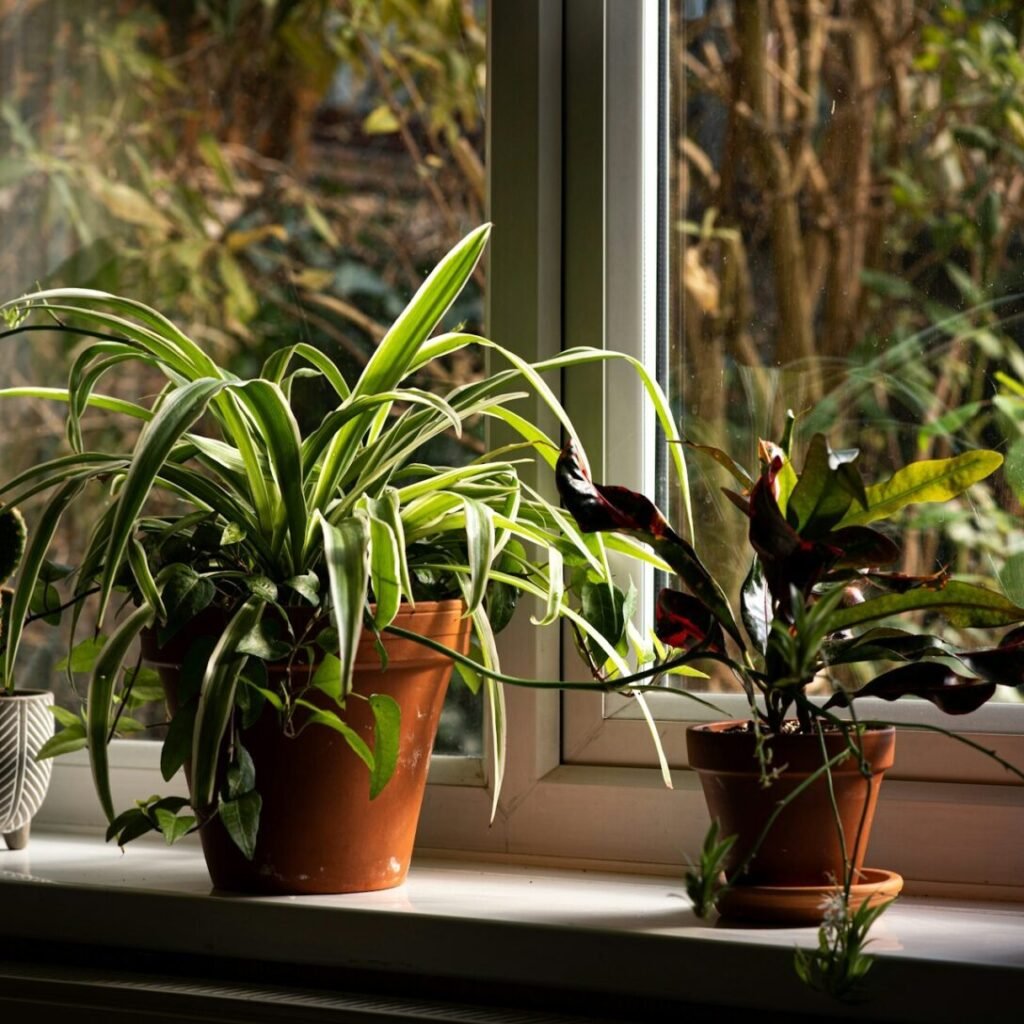
Plants evolved in stable environments, often with gradual temperature changes. Unlike outdoor conditions where plants adapt to natural fluctuations, indoor environments can expose them to sudden and extreme changes caused by heating, cooling, or ventilation systems.
Key impacts of drafts and temperature swings on indoor plants include:
- Leaf Damage – Cold drafts can cause browning, curling, or dropping of leaves. Hot air drafts from vents can scorch foliage.
- Stunted Growth – Sudden temperature shifts slow down photosynthesis, impacting the plant’s energy production.
- Increased Susceptibility to Pests and Disease – Stressed plants are more prone to fungal infections, mites, and other pests.
- Flowering Disruption – Some flowering plants are highly sensitive to temperature changes, which can cause buds to drop prematurely.
Common Sources of Drafts and Temperature Fluctuations
To protect your plants, you first need to identify where drafts and temperature swings may occur:
- Air Conditioning Vents – Cool air directly on plants can lower their leaf temperature rapidly.
- Heating Vents or Radiators – Hot air or dry heat can dehydrate plants and scorch leaves.
- Windows and Doors – Opening windows in winter or summer can expose plants to cold or hot drafts.
- Ceiling Fans – Strong airflow can dry out leaves and soil quickly.
- Exterior Walls – Rooms with poor insulation may fluctuate in temperature with the weather outside.
Signs Your Plants Are Affected by Drafts
Knowing how to recognize stress early helps prevent long-term damage. Common signs include:
- Yellowing or browning leaf edges
- Drooping or wilting leaves despite proper watering
- Leaf drop or bud drop
- Curling leaves or scorched tips
- Stunted or uneven growth
If you notice these symptoms, it’s important to check for environmental causes before assuming it’s a watering or nutrient problem.
How to Protect Indoor Plants From Drafts
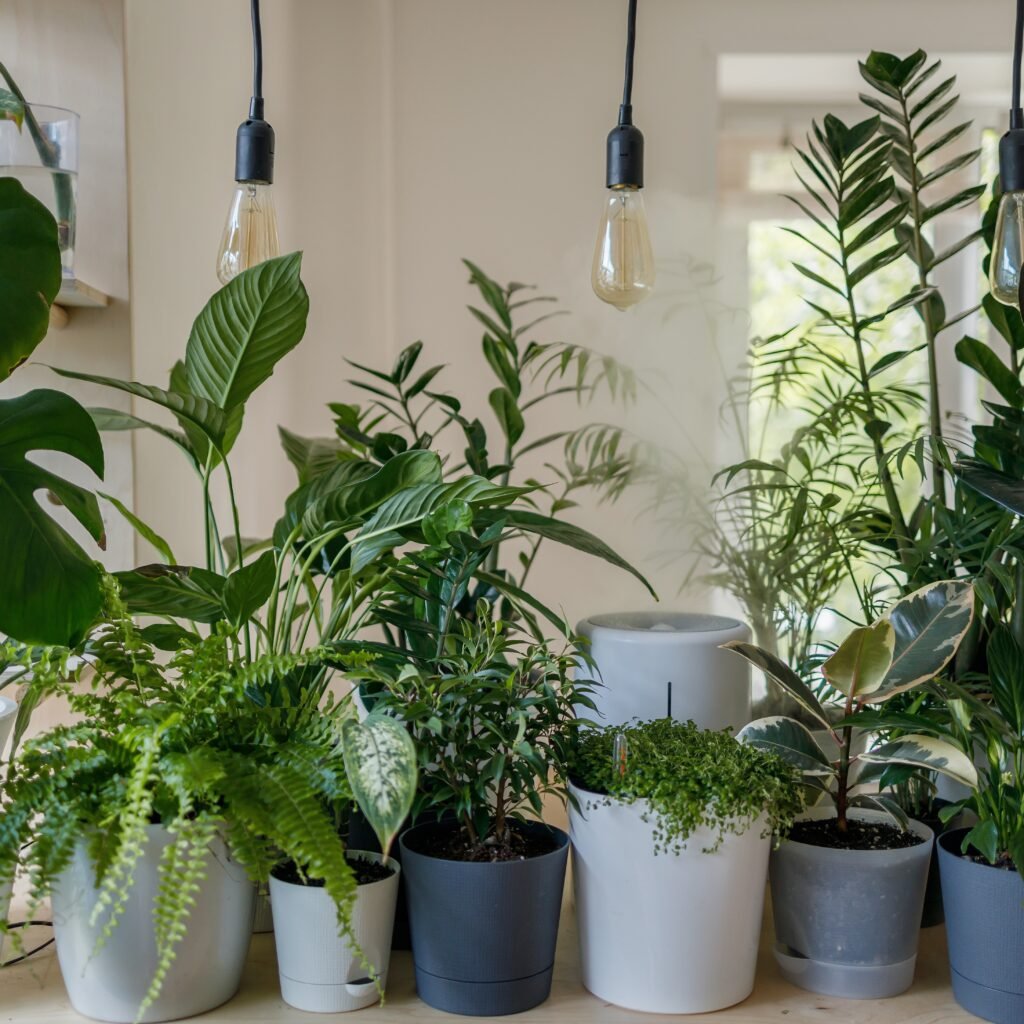
1. Strategic Placement
- Avoid placing plants directly in front of air vents, fans, or drafty windows.
- Use interior walls or corners to shield plants from direct exposure.
- Move sensitive plants away from doors that are frequently opened to the outdoors.
2. Use Barriers and Shields
- Decorative screens, sheer curtains, or room dividers can buffer plants from drafts while still allowing light in.
- Glass or plastic cloches can protect smaller plants or seedlings from sudden temperature changes.
3. Monitor Indoor Climate
- Use a thermometer or hygrometer to track room temperature and humidity.
- Aim for stable temperatures appropriate for your plant type, usually 65–75°F (18–24°C) for most tropical houseplants.
4. Adjust Heating and Cooling Systems
- Direct air from vents away from plants.
- Consider using diffusers or vent extenders to disperse airflow gently.
- During winter, keep plants at least a few feet away from radiators or baseboard heaters.
5. Create Microclimates
- Group plants together; they create a humid microclimate that stabilizes temperature and moisture.
- Place plants on pebble trays with water to maintain humidity without sitting in water.
How to Protect Indoor Plants From Temperature Swings
1. Gradual Acclimation
- Avoid moving plants suddenly between hot and cold rooms. Gradually acclimate them over several days if relocation is necessary.
2. Seasonal Adjustments
- During winter, keep sensitive plants away from drafty windows and doors.
- In summer, shield plants from hot afternoon sun through windows that intensify heat.
3. Insulate Pots
- Use double-layered pots or wrap pots with bubble wrap in winter to prevent roots from freezing.
- Raised pots or plant stands help prevent cold drafts from the floor from affecting the root zone.
4. Use Temperature-Stable Rooms
- Identify rooms with the most consistent temperature and minimal exposure to vents or exterior walls.
- Bathrooms and kitchens can sometimes be ideal due to consistent warmth and humidity.
Special Considerations for Different Types of Indoor Plants
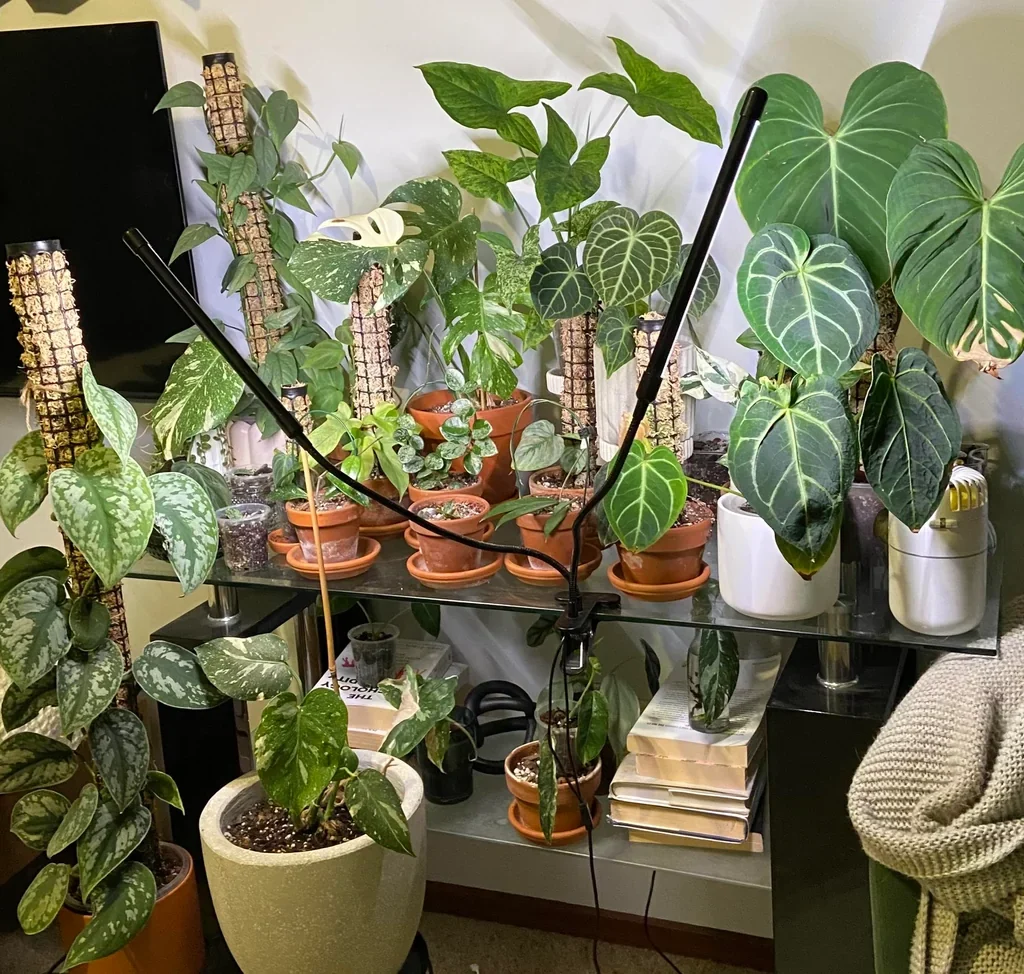
- Tropical Foliage Plants (Monstera, Philodendron, Rubber Plant)
- Highly sensitive to cold drafts; keep them in warmer, stable areas.
- Succulents and Cacti
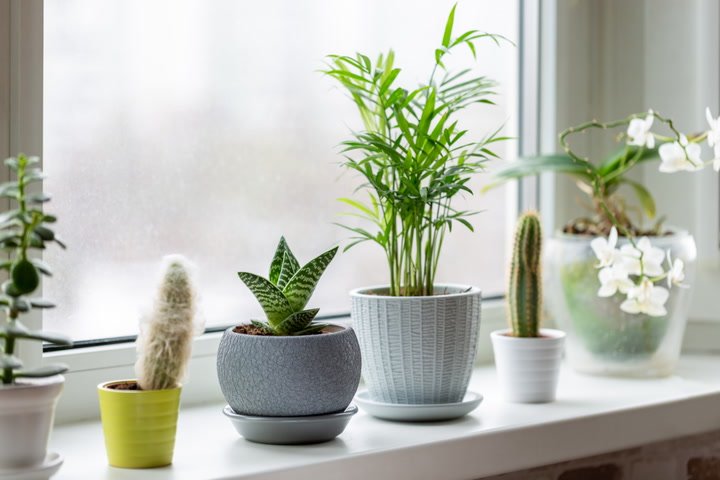
- Sensitive to cold and moisture. Avoid drafty windows during winter and ensure pots drain well.
- Orchids
- Sensitive to sudden temperature shifts, especially during flowering. Keep in stable, humid environments.
- Ferns and Humidity-Loving Plants
- Sensitive to dry heating drafts. Keep near pebble trays or group with other plants to maintain humidity.
Additional Tips for Healthy, Stable Indoor Plants
- Regular Observation – Check plants daily for signs of stress, especially during seasonal transitions.
- Maintain Consistent Watering – Temperature fluctuations can affect soil moisture. Adjust watering based on environmental conditions.
- Use Smart Plant Stands – Elevate plants to avoid cold floors or hot air pooling near vents.
- Rotate Plants – Even light exposure helps reduce stress caused by drafts hitting one side repeatedly.
- Consider Humidifiers – For dry winter air, a small humidifier can prevent foliage from drying out near heat sources.
Common Mistakes to Avoid
- Placing plants directly in front of vents, radiators, or drafty windows.
- Moving plants abruptly between rooms with large temperature differences.
- Ignoring signs of stress until leaf drop or wilting occurs.
- Overwatering plants stressed by temperature swings, which can lead to root rot.
Conclusion
Protecting indoor plants from drafts and temperature swings is essential for their health, growth, and longevity. By strategically placing plants, using barriers, monitoring indoor climate, and creating stable microclimates, you can minimize stress and encourage lush, vibrant growth.
Remember, even small adjustments—like moving a plant away from a cold window or shielding it from direct vent air—can make a significant difference. When you take the time to protect your indoor plants, they reward you with thriving foliage, healthy blooms, and a more beautiful, calming indoor environment.

Your plants aren’t just décor—they’re living beings that respond to their environment. Keeping them safe from drafts and temperature swings ensures they remain your vibrant, green companions year-round.

Leave A Comment