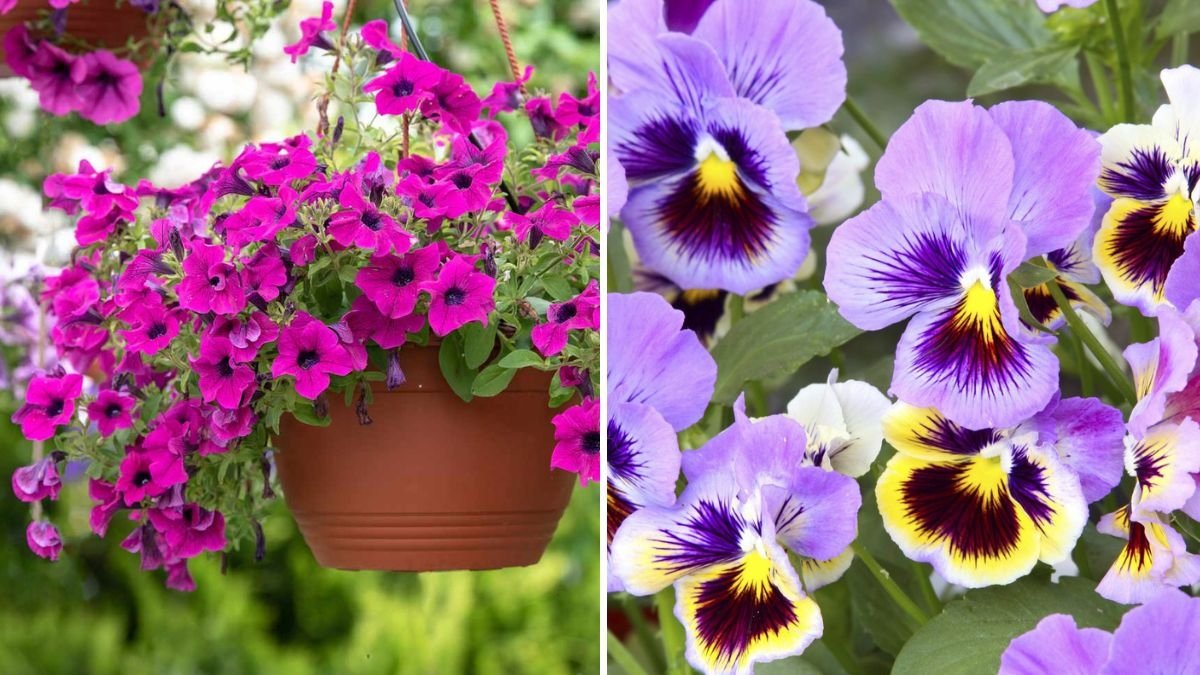
When the temperatures start to dip, many gardeners assume the colorful season has passed. Summer annuals like petunias, marigolds, and zinnias begin to fade as nights grow cooler, leaving beds and borders looking tired. But gardening in autumn doesn’t have to mean settling for dull landscapes. In fact, cooler weather brings the perfect opportunity to showcase annuals that thrive in crisp air, brightening your garden long after summer’s heat is gone.
These resilient flowers not only tolerate chilly nights but often bloom more vibrantly when the weather cools. In this article, we’ll explore five annuals that shine in cooler weather, along with tips on planting, care, and design ideas to keep your garden alive with color through fall.
1. Pansies
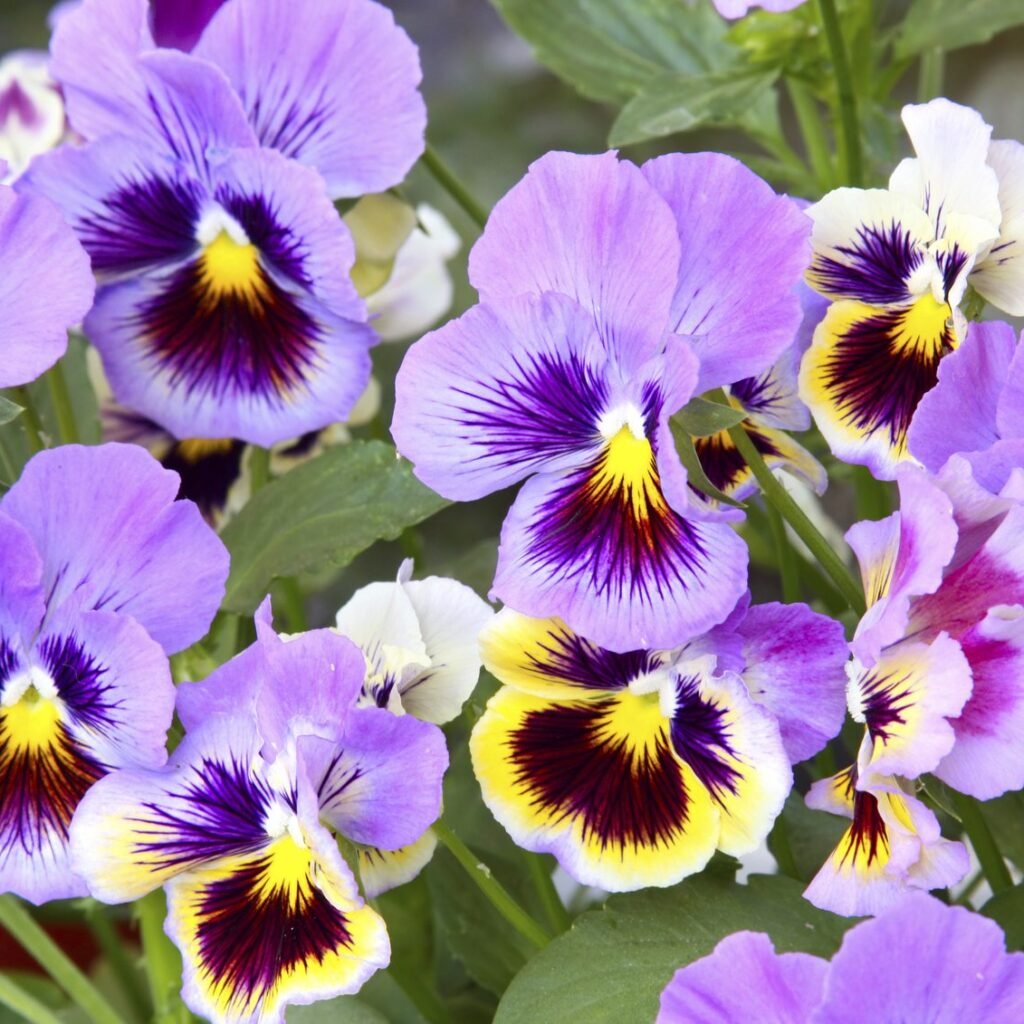
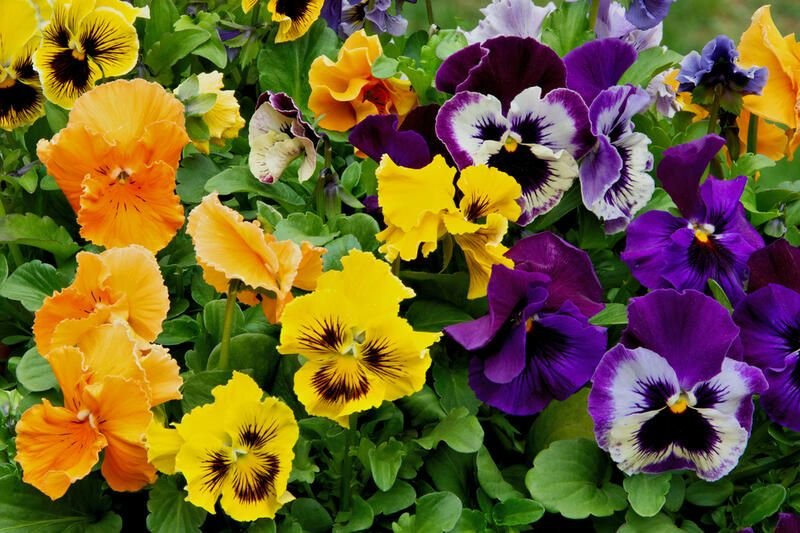
Pansies are perhaps the most iconic cool-weather annual. With their cheerful “faces” and endless range of colors, they are a must-have for fall gardens.
Why They Shine:
- Cold Hardiness: Pansies can tolerate light frosts, and in mild climates, they bloom all winter long.
- Color Variety: Available in purples, yellows, oranges, blues, whites, and even near-black, pansies add dramatic contrast against fading autumn foliage.
- Compact Size: Perfect for edging beds, filling containers, or planting en masse for bold displays.
Growing Tips:
- Sunlight: Full sun to partial shade works best.
- Soil: Fertile, well-drained soil with plenty of organic matter.
- Watering: Keep the soil evenly moist but avoid waterlogging.
- Maintenance: Regular deadheading keeps blooms coming and prevents legginess.
Whether planted in a flower bed, hanging basket, or window box, pansies continue to bring a playful pop of color well into the cool season.
2. Violas
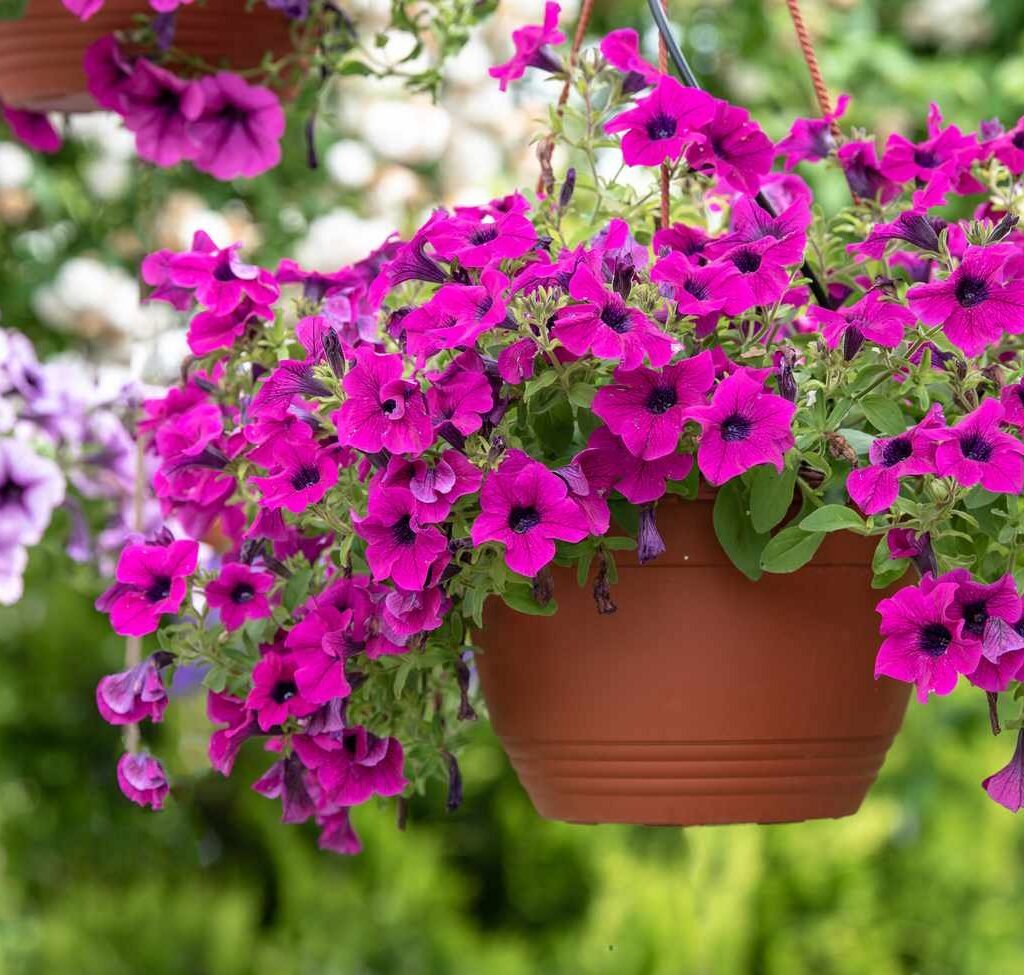
Closely related to pansies, violas are smaller but equally charming. Many gardeners prefer them for their profusion of blooms and resilience in cooler conditions.
Why They Shine:
- Extended Blooming: Violas bloom earlier and last longer than pansies, thriving in both early spring and fall.
- Delicate Charm: Their petite flowers blanket the ground with bright hues, creating a carpet-like effect.
- Self-Seeding Ability: In some climates, violas reseed naturally, returning the next season with little effort.
Growing Tips:
- Sunlight: They enjoy full sun but tolerate partial shade.
- Soil: Rich, moist, and well-draining.
- Watering: Keep consistently moist, especially during dry spells.
- Maintenance: Deadhead regularly to prolong flowering, or let them reseed for naturalized growth.
Violas pair beautifully with ornamental cabbages and kale, bringing softness and texture to fall displays.
3. Snapdragons
Few flowers add as much height and structure to cool-season beds as snapdragons. Their spires of tubular blooms come in a wide array of colors, from soft pastels to bold reds and yellows.
Why They Shine:
- Cool-Weather Preference: Snapdragons thrive in temperatures between 55–75°F (13–24°C), making them perfect for fall planting.
- Pollinator-Friendly: Bees and butterflies are attracted to their unique flower shape.
- Variety of Heights: Dwarf, medium, and tall varieties make snapdragons versatile for beds, borders, or cut-flower arrangements.
Growing Tips:
- Sunlight: Full sun promotes the best blooms, though they tolerate light shade.
- Soil: Well-draining with a slightly acidic to neutral pH.
- Watering: Keep soil moist but not soggy, especially during establishment.
- Maintenance: Pinch back young plants to encourage bushiness; deadhead spent blooms for continuous flowering.
Snapdragons shine when planted in rows along walkways or grouped with shorter annuals for layered visual impact.
4. Sweet Alyssum
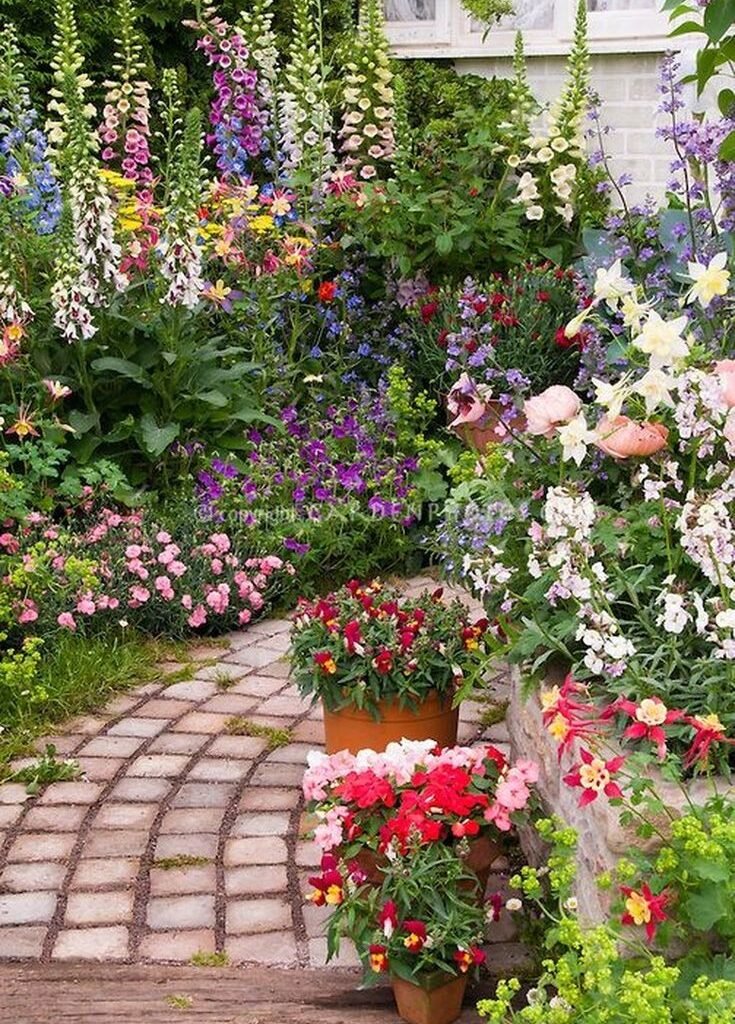
Known for its delicate clusters of tiny flowers and honey-like fragrance, sweet alyssum is a cool-season favorite that adds charm to any garden.
Why They Shine:
- Fragrance: Sweet alyssum fills the garden with a subtle, sweet scent, especially noticeable on cool evenings.
- Low-Growing Habit: Perfect as a border plant, ground cover, or for spilling over the edges of containers.
- Continuous Blooms: In cooler weather, it flowers prolifically, covering beds in a soft blanket of white, pink, or lavender.
Growing Tips:
- Sunlight: Full sun to partial shade works well.
- Soil: Prefers well-drained soil enriched with compost.
- Watering: Needs regular moisture but can tolerate short dry spells once established.
- Maintenance: Trim back lightly if plants become leggy to encourage fresh blooms.
Sweet alyssum is excellent for softening hard edges in the garden, creating a romantic, cottage-like feel.
5. Calendula (Pot Marigold)
Calendula is an underrated annual that thrives in cooler seasons and brings bold, sunny color to fall gardens.
Why They Shine:
- Seasonal Resilience: Calendula prefers mild weather, flourishing in autumn’s cool days while struggling in summer’s heat.
- Edible Blooms: Its bright orange and yellow petals are edible, often used in salads, teas, or as a garnish.
- Long Bloom Season: With proper care, calendula flowers persist until the first hard frost.
Growing Tips:
- Sunlight: Full sun is ideal, though they tolerate partial shade in warmer areas.
- Soil: Well-draining with moderate fertility. Avoid over-fertilizing, which can reduce blooms.
- Watering: Regular, even watering keeps plants lush and healthy.
- Maintenance: Deadhead regularly to extend blooming, and collect seeds for replanting the following season.
Calendula adds a warm, cheerful glow to the fall garden and doubles as a useful herb in the kitchen.
Designing With Cool-Weather Annuals
Combining these five annuals can turn your fall garden into a living canvas:
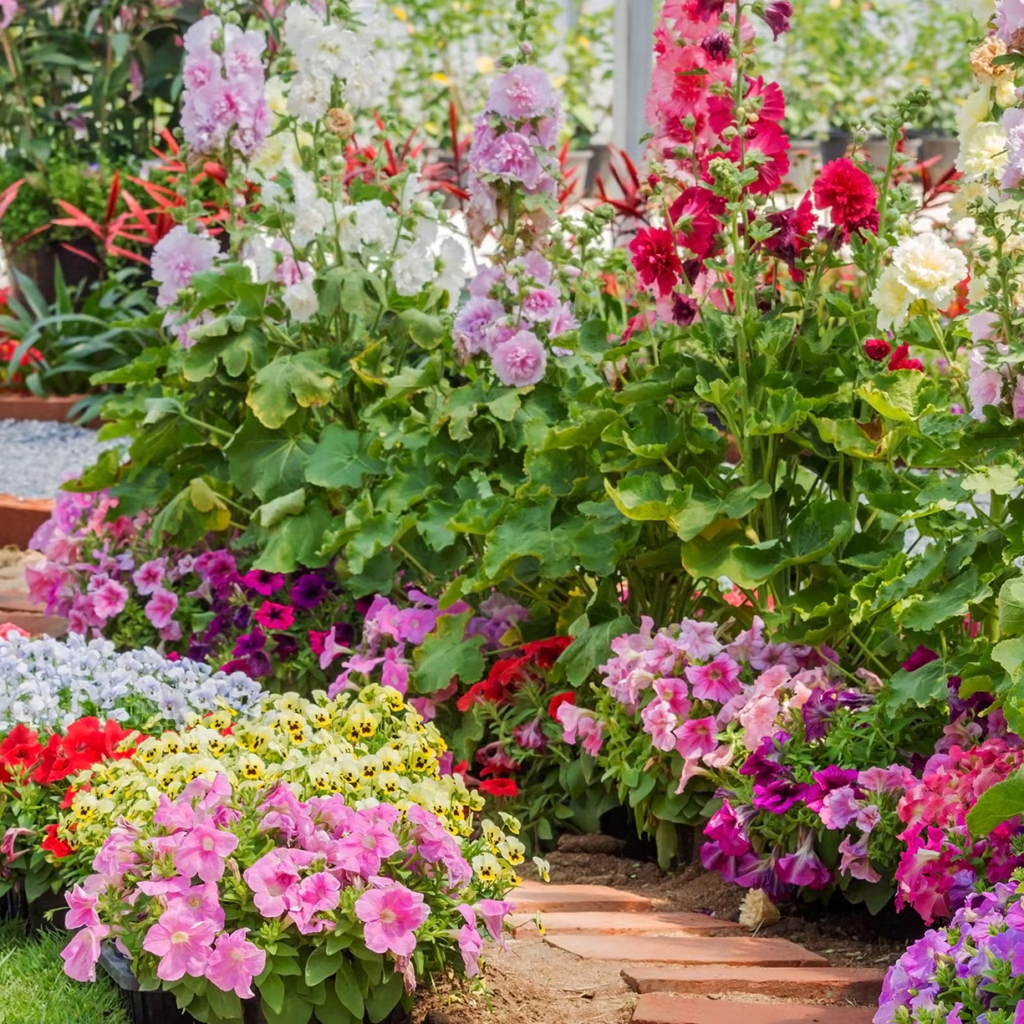
- Layer Heights: Use tall snapdragons in the background, medium-sized calendula in the middle, and low-growing pansies, violas, and sweet alyssum at the edges.
- Play With Color: Pair the golden hues of calendula with the purples of violas and pansies for contrast, while sweet alyssum provides a soft, neutral backdrop.
- Mix Textures: Combine the upright form of snapdragons with the trailing habit of alyssum for visual interest.
- Container Gardens: All five annuals thrive in pots, making them excellent for patios, balconies, or front entryways.
By thoughtfully combining these plants, you can keep your garden lively and vibrant well into the cooler months.
Caring for Cool-Season Annuals
To make the most of these hardy flowers, follow these general care tips:
- Mulch: Apply a light mulch layer to regulate soil temperature and retain moisture.
- Fertilize: Use a balanced fertilizer every 4–6 weeks to keep blooms strong.
- Deadhead: Removing spent flowers encourages continuous blooming.
- Frost Protection: While many of these annuals tolerate light frosts, cover them with row covers or fabric if a hard freeze is expected.
These practices will extend your flowers’ performance, ensuring months of vibrant color.
Final Thoughts
Cool weather doesn’t mean the end of floral beauty—it’s an opportunity to enjoy a fresh palette of blooms that thrive in crisp air. Pansies, violas, snapdragons, sweet alyssum, and calendula are five annuals that shine when temperatures drop, offering color, fragrance, and resilience when your garden needs it most.
By planting these hardy favorites, you can create a garden that transitions gracefully from summer to fall, keeping borders, containers, and beds full of life. Whether you crave the playful faces of pansies, the sunny cheer of calendula, or the delicate fragrance of alyssum, cool-season annuals ensure your landscape remains a source of joy—even as the seasons change.
With just a little planning and care, your garden can shine as brightly in autumn’s cool embrace as it did in the height of summer.

Leave A Comment