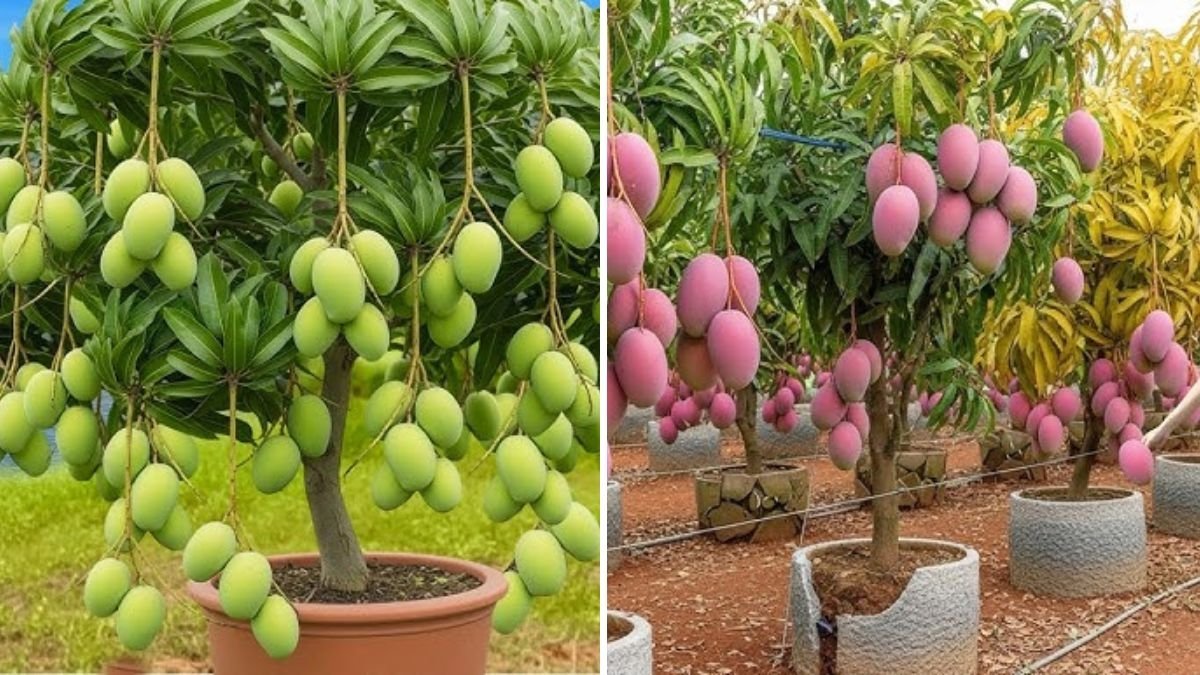
Mango trees, often called the king of fruits, are prized not only for their delicious, sweet fruits but also for their shade, beauty, and cultural significance. Growing a mango tree from a seed or a cutting is rewarding, but many gardeners face the challenge of slow growth or low success rates when propagating mango cuttings.
The YouTube video “How To Propagate Mango Tree Cutting Faster With Egg Chicken! Best Ideas Propagating Mango Trees” reveals a fascinating and innovative method to accelerate mango cutting growth using natural ingredients like eggs and chicken manure. This guide explains step-by-step how to propagate mango trees faster at home, ensuring strong, healthy saplings that will bear fruit sooner.
Why Propagate Mango Trees from Cuttings?
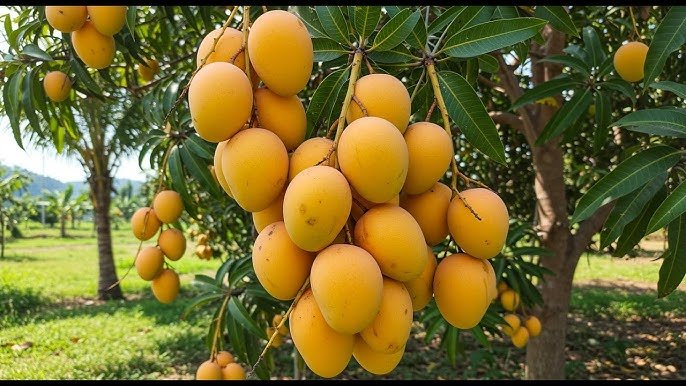
While mango trees can be grown from seeds, using cuttings has several advantages:
- Faster Fruiting: Cuttings produce fruits earlier than seed-grown trees.
- Maintains Parent Traits: Ensures the new tree has the same fruit quality as the parent.
- Saves Space: Ideal for home gardens or terraces.
- Cost-Effective: Avoids purchasing expensive grafted plants from nurseries.
Using natural boosters like egg and chicken manure can further enhance rooting success and plant vigor.
Step 1: Selecting the Right Mango Cutting
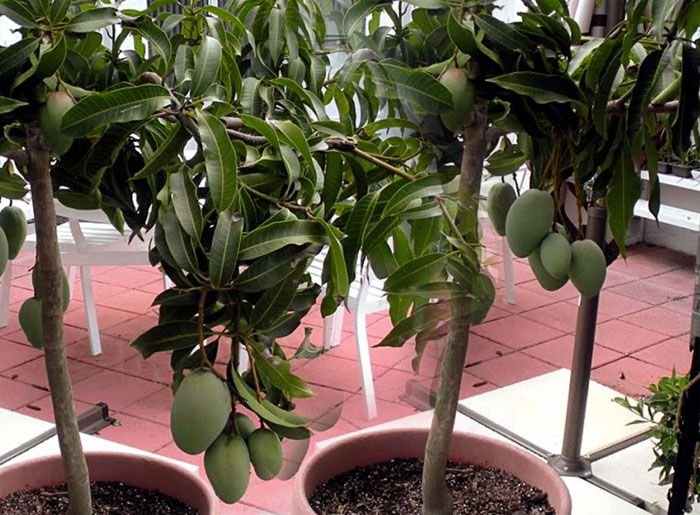
The first step is choosing a healthy and suitable cutting:
- Select a semi-hardwood branch (neither too young nor too old) from a mature mango tree.
- The cutting should be about 12–18 inches long with at least 3–4 nodes.
- Remove any flowers or fruit buds to allow energy to focus on root development.
- Choose a disease-free branch for higher success.
Proper selection increases the chances of fast rooting and strong growth.
Step 2: Preparing the Cutting
- Trim leaves by removing half of each leaf to reduce water loss.
- Make a clean diagonal cut at the bottom to expose more area for rooting.
- Lightly scrape the bark at the base to stimulate root formation.
- Optional: Dust with natural rooting hormone or a homemade mix for faster results.
Preparation ensures the cutting can absorb nutrients and water efficiently, promoting quick rooting.
Step 3: Using Egg to Boost Root Growth
Eggs are a natural nutrient source rich in proteins, calcium, and vitamins, which support root development:
- Crack an egg and mix the yolk and white into a paste.
- Apply the mixture to the base of the cutting.
- Eggs provide organic nutrients that strengthen root initiation and speed up growth.
Eggs are an affordable, natural, and eco-friendly method to enhance cutting propagation.
Step 4: Using Chicken Manure as Fertilizer
Chicken manure is rich in nitrogen, phosphorus, and potassium, which are essential for healthy root and shoot growth:
- Mix well-aged chicken manure with soil or cocopeat in the planting container.
- Place the cutting in this nutrient-rich medium, ensuring the base is well-covered.
- Avoid using fresh manure, as it can burn the tender cutting.
Chicken manure provides sustained nutrients for faster rooting and vigorous saplings.
Step 5: Choosing the Right Planting Medium
A proper medium ensures aeration, drainage, and nutrient availability:
- Cocopeat or peat moss retains moisture without waterlogging.
- Sand improves drainage and prevents fungal issues.
- Composted soil adds organic nutrients and beneficial microorganisms.
Mix equal parts of these components for the ideal rooting medium.
Step 6: Planting the Mango Cutting
- Insert the cutting 4–6 inches deep into the prepared medium.
- Firm the soil gently around the base to support the cutting.
- Ensure at least one node is buried and one or two nodes remain above soil for new growth.
- Keep the medium moist but not soggy.
Proper planting encourages strong root formation and stable growth.
Step 7: Providing Optimal Environment
Mango cuttings require a warm, humid, and protected environment:
- Place the cutting in a shaded area away from direct sunlight initially.
- Maintain a temperature of 25–30°C (77–86°F) for optimal root growth.
- Cover with a transparent plastic bag or mini greenhouse to retain humidity.
- Avoid overwatering to prevent fungal infection.
Creating the right environment ensures faster and healthier rooting.
Step 8: Watering and Care
- Water the cutting daily or as needed to keep the medium moist.
- Avoid waterlogging to prevent root rot.
- Remove the plastic cover gradually after 2–3 weeks to acclimate the cutting to normal conditions.
Consistent care results in strong roots and healthy saplings ready for transplanting.
Step 9: Monitoring Root Development
Root development is usually visible within 4–6 weeks, depending on conditions:

- Check gently for white, healthy roots forming at the base.
- Trim any damaged or rotting roots immediately.
- Once roots are well-developed, the cutting is ready for transplanting into larger pots or the ground.
Monitoring ensures high survival rate and healthy growth.
Step 10: Transplanting the Rooted Cutting
- Choose a sunny location with well-draining soil.
- Prepare the planting hole with compost and organic manure.
- Gently remove the cutting from the container and plant in the ground.
- Water thoroughly after transplanting and provide shade for 1–2 weeks to reduce stress.
Transplanting allows the mango cutting to grow into a full-fledged tree.
Step 11: Fertilization and Growth Care
- Use organic fertilizers like vermicompost, cow dung, or neem cake to promote healthy growth.
- Regularly prune the cutting to shape the tree and remove weak branches.
- Mulch around the base to retain moisture and reduce weeds.
- Water regularly, especially during dry periods, to maintain steady growth.
Proper care ensures the tree develops strong roots, healthy branches, and eventually bears fruit.
Step 12: Benefits of Using Egg and Chicken Manure
- Natural and Safe: No chemical rooting hormones needed.
- Fast Rooting: Nutrients in eggs and chicken manure accelerate root formation.
- Cost-Effective: Affordable and easily available at home.
- Healthier Saplings: Strong, disease-resistant, and vigorous plants.
This method is innovative, sustainable, and beginner-friendly, making it ideal for home gardeners.
Step 13: Common Mistakes to Avoid
- Using fresh chicken manure directly on the cutting (can burn the base).
- Planting in poorly drained soil leading to root rot.
- Overwatering or underwatering during the first few weeks.
- Exposing young cuttings to direct sunlight immediately.
Avoiding these mistakes increases the success rate and quality of your mango saplings.
Step 14: Harvesting Fruits from Cuttings
Mango trees grown from cuttings usually take 2–4 years to bear fruit, faster than seed-grown trees.

- Ensure the tree receives full sun, regular watering, and fertilization.
- Prune regularly to encourage flowering and fruiting.
- Healthy, well-propagated trees will yield sweet, juicy, and high-quality mangoes.
With patience and care, you can enjoy homegrown mangoes faster using this propagation method.
Conclusion: Propagate Mango Trees Faster at Home
Propagating mango trees using egg and chicken manure is an innovative, effective, and natural method to grow strong saplings faster. By selecting healthy cuttings, providing a nutrient-rich medium, and giving proper care, anyone can produce vibrant, fruit-bearing mango trees in their home garden.
Whether you have a backyard, terrace, or balcony, this method ensures high survival rates, faster growth, and eventually, delicious homegrown mangoes. Start today and experience the satisfaction of growing your own mango trees using this simple, effective technique!

Leave A Comment