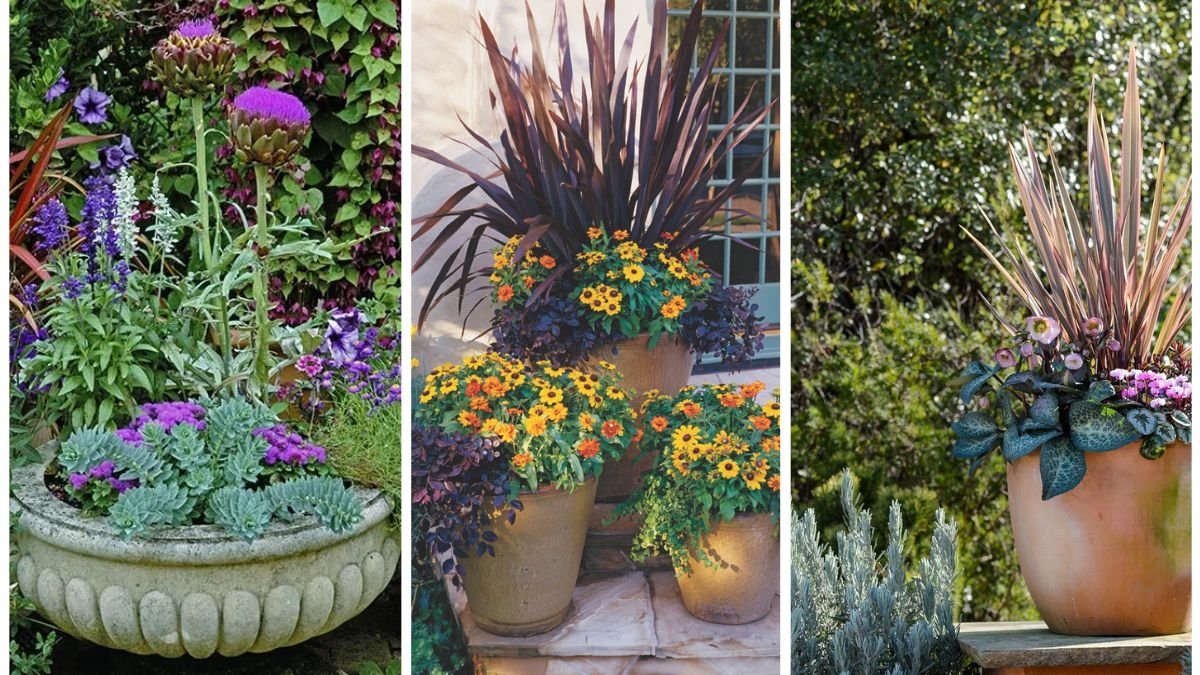
Container gardening has become one of the most popular ways to bring greenery, beauty, and even fresh food into small spaces. Whether you live in an apartment with a balcony, have a tiny backyard, or simply want to add some decorative greenery to your porch or indoor spaces, container gardens provide endless opportunities. The beauty of container gardening lies in its flexibility—you can move plants around to catch sunlight, change arrangements seasonally, and even grow a lush garden in limited space.
But not every plant thrives in containers. Choosing the right ones is key to creating a healthy, long-lasting, and visually appealing container garden. In this article, we’ll explore the five best plants for container gardens, along with care tips, design ideas, and practical insights to help your garden flourish.
1. Geraniums (Pelargonium)
Why They’re Great for Containers
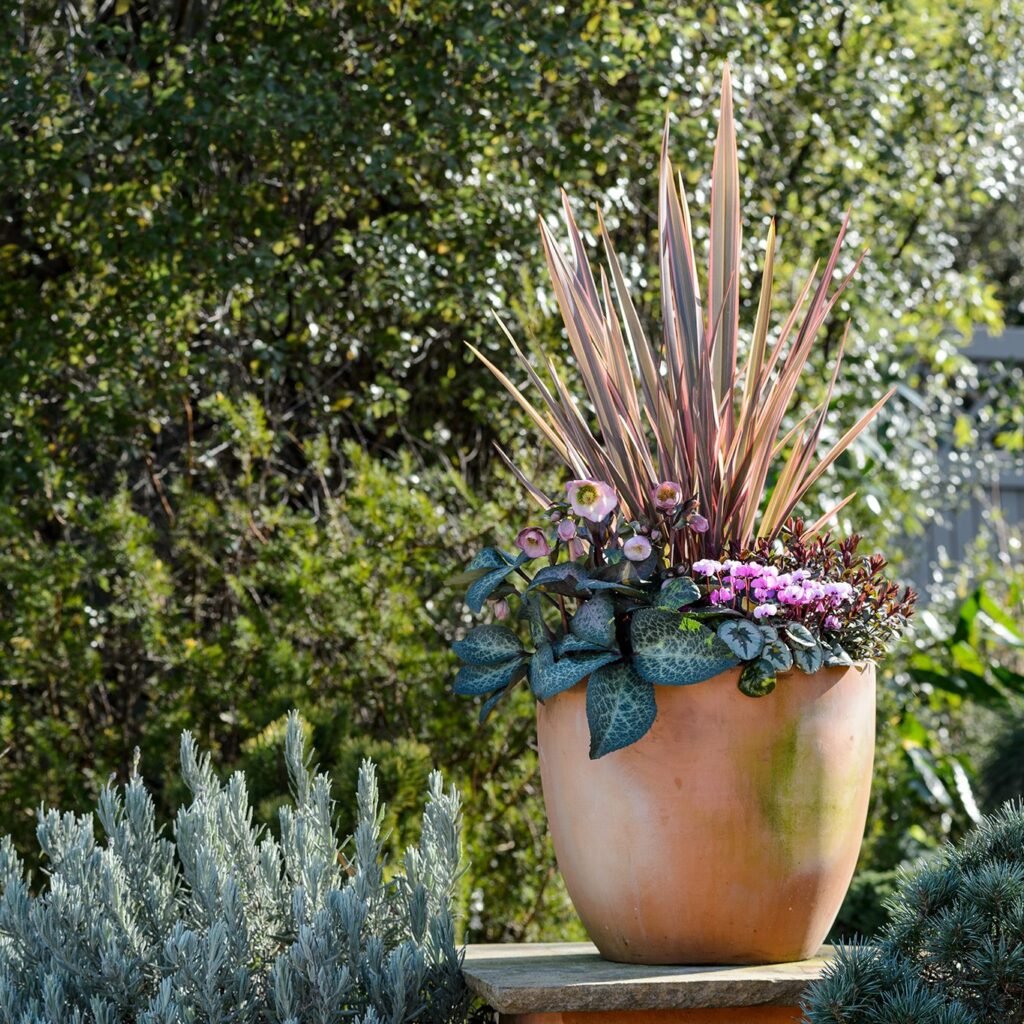
Geraniums are classic container plants loved for their vibrant colors, low maintenance, and long blooming season. With shades ranging from red and pink to white and purple, they add instant cheer to any patio, balcony, or window box.
Growing Conditions
- Light: Full sun (at least 6 hours a day).
- Soil: Well-drained potting mix with some compost for nutrition.
- Watering: Moderate; water when the soil feels dry about an inch down.
Care Tips
- Deadhead (remove spent blooms) regularly to encourage continuous flowering.
- Fertilize every 2–3 weeks with a balanced liquid fertilizer.
- In colder climates, bring pots indoors during winter to extend their life.
Design Idea
Pair geraniums with trailing plants like ivy or lobelia in a mixed container for a dramatic cascading effect.
2. Tomatoes (Solanum lycopersicum)
Why They’re Great for Containers
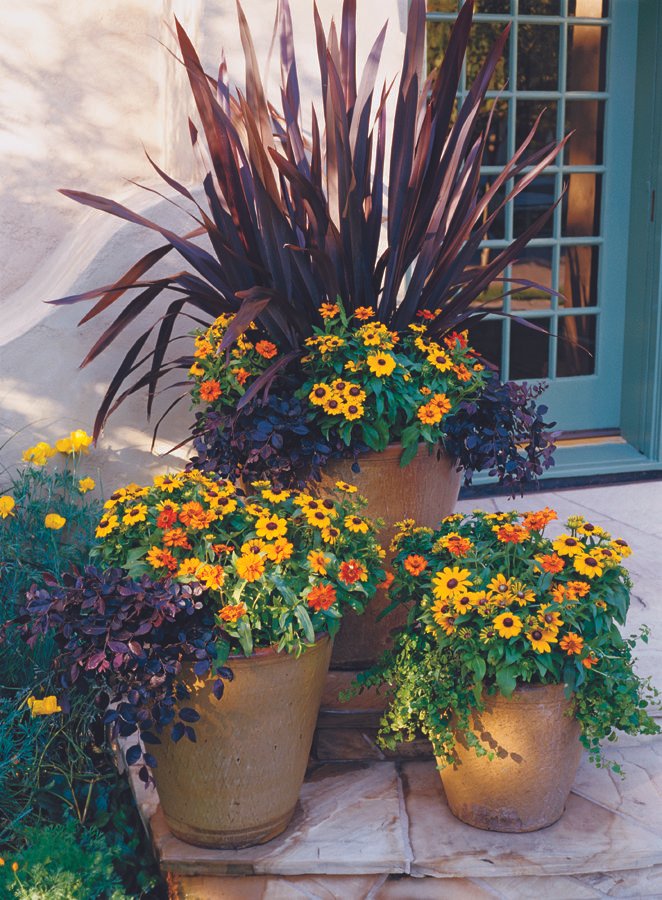
Tomatoes are one of the most rewarding edible plants to grow in containers. With proper care, even a single pot can yield plenty of juicy, fresh fruits for salads, sauces, and snacks. Compact or dwarf varieties like ‘Patio Princess’, ‘Tiny Tim’, or ‘Bush Early Girl’ are particularly suited for container gardening.
Growing Conditions
- Light: At least 6–8 hours of full sun daily.
- Soil: Nutrient-rich potting soil with good drainage.
- Watering: Consistent moisture; avoid letting the soil dry out completely.
Care Tips
- Use large pots (minimum 12–18 inches deep) to allow root development.
- Support plants with stakes or cages to prevent branches from breaking.
- Fertilize every 2 weeks with a tomato-specific fertilizer high in phosphorus and potassium.
Design Idea
Combine dwarf tomatoes with basil in the same container. Not only do they thrive together, but basil also repels pests and enhances tomato flavor—a win-win companion planting strategy.
3. Lavender (Lavandula)
Why They’re Great for Containers
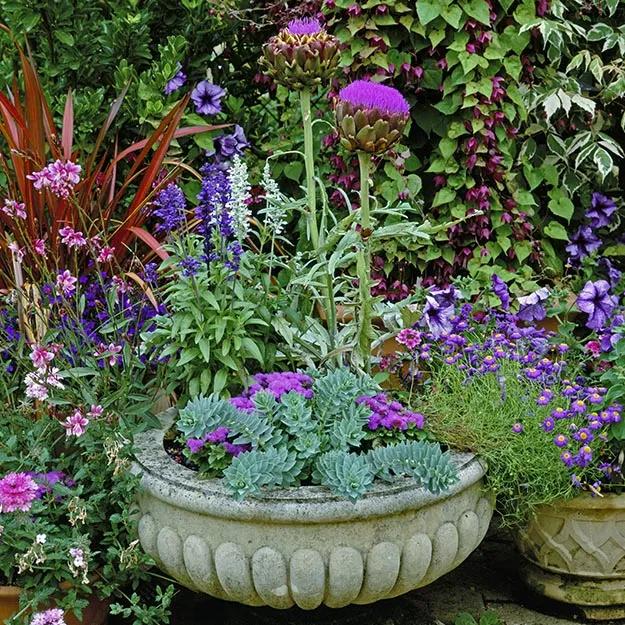
Lavender is a versatile plant known for its calming fragrance, purple-blue flowers, and silvery foliage. It thrives beautifully in containers, making it easy to place on patios, balconies, or even indoors near sunny windows. Beyond aesthetics, lavender attracts pollinators like bees and butterflies while repelling pests like mosquitoes.
Growing Conditions
- Light: Full sun (6–8 hours daily).
- Soil: Sandy, well-draining potting mix. Avoid heavy soils that retain too much water.
- Watering: Low; water sparingly and allow the soil to dry between watering.
Care Tips
- Trim after flowering to encourage fresh growth.
- Avoid overwatering, as lavender dislikes soggy soil.
- Use terracotta containers to enhance drainage and maintain ideal soil conditions.
Design Idea
Group lavender with other Mediterranean herbs such as rosemary and thyme in a large container to create a fragrant, edible herb garden.
4. Petunias (Petunia × hybrida)
Why They’re Great for Containers
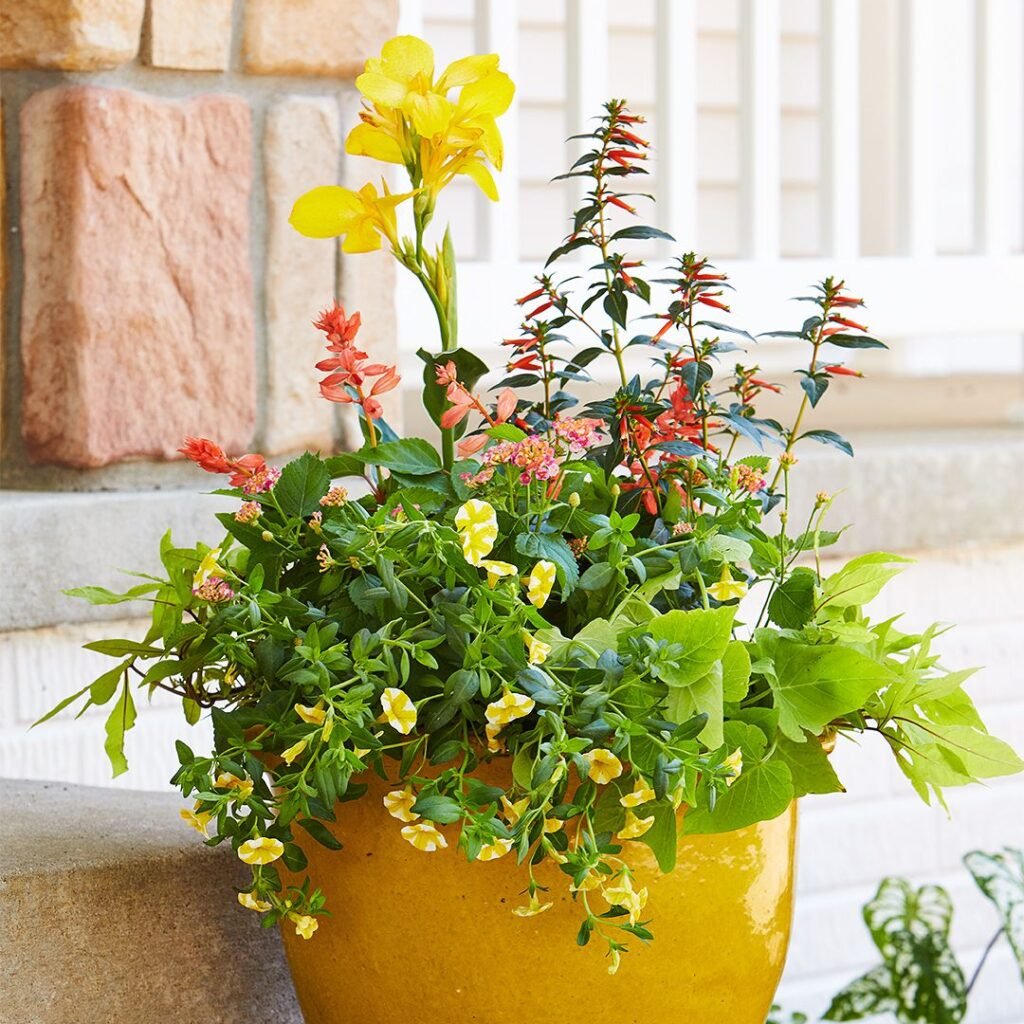
Petunias are among the most versatile and colorful flowering plants for containers. Their trumpet-shaped blooms come in countless shades, from pastel pinks and purples to vibrant reds and deep blues. Some varieties trail gracefully over the edges of pots, making them excellent for hanging baskets or railing boxes.
Growing Conditions
- Light: Full sun to partial shade.
- Soil: Rich, well-draining potting mix.
- Watering: Regular; keep soil evenly moist but not soggy.
Care Tips
- Pinch back stems early in the season to promote bushier growth.
- Deadhead frequently to extend blooming through summer.
- Feed with a high-phosphorus fertilizer every 10–14 days for abundant flowers.
Design Idea
Create a “color splash” container by mixing different petunia varieties with trailing vines like sweet potato vine (Ipomoea batatas) for added contrast and texture.
5. Hostas (Hosta spp.)
Why They’re Great for Containers
If you’re looking to add lush greenery and texture to shady spots, hostas are the perfect choice. Known for their large, decorative leaves in shades of green, blue, and variegated patterns, hostas bring elegance to container gardens without demanding much upkeep.
Growing Conditions
- Light: Partial to full shade.
- Soil: Rich, well-draining potting mix with organic matter.
- Watering: Moderate to high; keep soil consistently moist but avoid waterlogging.
Care Tips
- Protect from snails and slugs, common pests for hostas.
- Fertilize in spring with a slow-release balanced fertilizer.
- Divide and repot every few years to maintain healthy growth.
Design Idea
Pair hostas with shade-loving annuals like impatiens or begonias in a large decorative pot to create a layered look.
Additional Tips for Successful Container Gardening
- Choose the Right Container: Ensure pots have proper drainage holes. Material matters too—terracotta breathes well but dries faster, while plastic retains more moisture.
- Soil Quality Matters: Avoid using garden soil, which compacts easily in pots. Always use a high-quality potting mix.
- Watering Strategy: Containers dry out faster than ground soil, so monitor moisture closely, especially during hot weather. Self-watering containers can help.
- Fertilization: Since nutrients leach out with frequent watering, regular feeding is essential. Liquid fertilizers work well for most container plants.
- Mobility and Placement: One of the biggest advantages of container gardens is mobility. Move pots to catch sunlight, protect from wind, or simply refresh your space’s layout.
Conclusion
Container gardening opens up a world of possibilities, whether you want to brighten a balcony, grow fresh vegetables, or add greenery to a shady corner. Choosing the right plants makes all the difference. Geraniums, tomatoes, lavender, petunias, and hostas stand out as some of the best plants for containers because of their adaptability, beauty, and ease of care.
By combining colorful blooms, fragrant herbs, and lush foliage, you can create a container garden that is both practical and visually stunning. With thoughtful care and creativity, even the smallest space can bloom into a thriving green sanctuary.

Leave A Comment