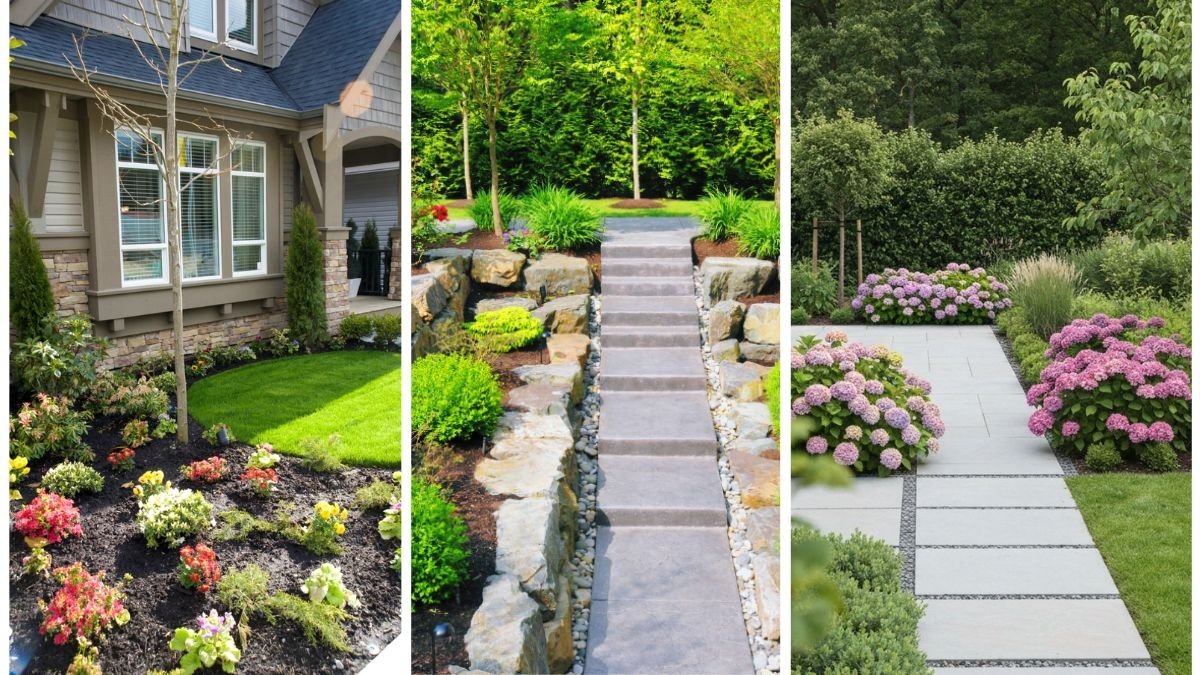
A beautiful landscape doesn’t have to come with a hefty price tag. Many homeowners assume that creating a visually appealing and functional garden requires a large budget, but with the right strategies, you can achieve stunning results without overspending. Landscaping is more about creativity, planning, and resourcefulness than it is about money. By making smart choices and using what you already have, you can design an outdoor space that is both affordable and breathtaking.
In this article, we’ll explore five budget-friendly landscaping tips that can transform your yard into a stylish and inviting oasis—without draining your wallet.
Why Budget-Friendly Landscaping Matters

Landscaping not only improves your home’s curb appeal but also increases property value, provides a relaxing retreat, and creates a welcoming atmosphere for gatherings. However, professional landscaping projects can quickly become expensive. Choosing budget-friendly methods allows you to:
- Save money while still improving your outdoor space.
- Take pride in DIY projects that add personal touches.
- Reuse and recycle materials for sustainability.
- Achieve long-term beauty without high maintenance costs.
1. Use Native Plants for Low-Cost, Low-Maintenance Beauty
One of the smartest ways to save money on landscaping is by choosing native plants. These are plants that naturally grow in your region, meaning they are already adapted to local soil, weather, and water conditions.
Benefits of Native Plants:
- Low maintenance: They require less watering, fertilizing, and pest control.
- Cost-effective: Reduced need for chemicals and care lowers overall costs.
- Eco-friendly: Attract pollinators like bees and butterflies, supporting biodiversity.
- Durable: More resistant to local pests and diseases.
Examples of Budget-Friendly Native Plants:
- In the U.S. Midwest: Coneflowers, Black-eyed Susans, and Prairie grasses.
- In the Southwest: Agave, Yucca, and Desert Marigold.
- In coastal areas: Sea lavender, Beach grass, and Coastal rosemary.
Pro Tip: Start small by planting a few native perennials. Over time, they spread and fill out, saving you from buying more plants.
2. Repurpose and Reuse Materials

Why buy new when you can reuse what you already have—or source materials for free? Repurposing materials is not only budget-friendly but also adds a unique, rustic charm to your landscape.
Repurposing Ideas:
- Old bricks or pavers: Create garden borders, pathways, or raised beds.
- Wood pallets: Convert into vertical gardens, compost bins, or rustic fencing.
- Broken pots: Use as plant markers or small decorative accents.
- Gravel or stones: Repurpose leftover construction materials for pathways or ground cover.
Where to Source Free or Cheap Materials:
- Local community “freecycle” groups.
- Construction sites (with permission).
- Thrift stores or garage sales for inexpensive garden furniture or décor.
Pro Tip: Combining repurposed materials with plants adds character and reduces waste—making your garden both affordable and eco-friendly.
3. DIY Garden Features Instead of Buying New

Store-bought fountains, raised beds, and pergolas can be costly, but you can often make your own versions at a fraction of the price. With a little creativity and some basic tools, you can build garden features that look custom-made.
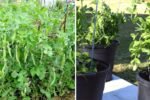
DIY Ideas to Try:
- Raised Beds: Build with recycled wood, cinder blocks, or stone.
- Water Feature: Use an old ceramic pot, a small pump, and some stones to create a simple fountain.
- Fire Pit: Arrange bricks or stones in a circle, add gravel inside, and you have a cozy gathering spot.
- Garden Seating: Turn tree stumps into rustic stools or repurpose old benches with a fresh coat of paint.
DIY not only cuts costs but also gives your landscape a personal, handmade touch. Plus, many of these projects are simple enough for beginners.
Pro Tip: Start with small DIY features and gradually add more. Even one handmade element can transform the look of your garden.
4. Focus on Smart Design and Low-Cost Layouts
Good landscaping doesn’t always mean buying more plants or decorations—it’s about smart design. By strategically planning your layout, you can maximize visual impact while minimizing expenses.
Design Tips for Budget Landscaping:
- Layering: Place tall plants in the back, medium-height in the middle, and low ground covers in the front for a full look with fewer plants.
- Mulching: Spread mulch around plants to retain moisture, reduce weeds, and cut down watering costs. Organic mulch like shredded leaves or wood chips is often free or very cheap.
- Edging with Plants: Instead of expensive stone or plastic edging, use small shrubs or ornamental grasses to define borders.
- Grouping Plants: Plant in clusters for a bold statement—cheaper than scattering plants everywhere.
Pro Tip: Draw a simple plan on paper before planting. A well-thought-out design reduces mistakes and saves money in the long run.

5. Choose Cost-Effective Ground Covers and Alternatives to Grass

Maintaining a lush lawn can be expensive and water-intensive. Instead of pouring money into constant mowing, watering, and fertilizing, consider affordable alternatives that are easier on the wallet.
Low-Cost Ground Cover Options:
- Clover: Stays green, requires little mowing, and attracts pollinators.
- Creeping Thyme: Fragrant, hardy, and beautiful with small flowers.
- Gravel or Mulch Beds: Stylish, modern, and virtually maintenance-free.
- Moss: Perfect for shady, damp areas with little sunlight.
Benefits of Alternatives:
- Lower water bills.
- Reduced need for fertilizers and pesticides.
- Adds variety and texture to your landscape.
Pro Tip: Mix grass with clover (a clover-grass blend) to reduce costs while still keeping a traditional lawn look.
Extra Budget-Saving Hacks for Landscaping
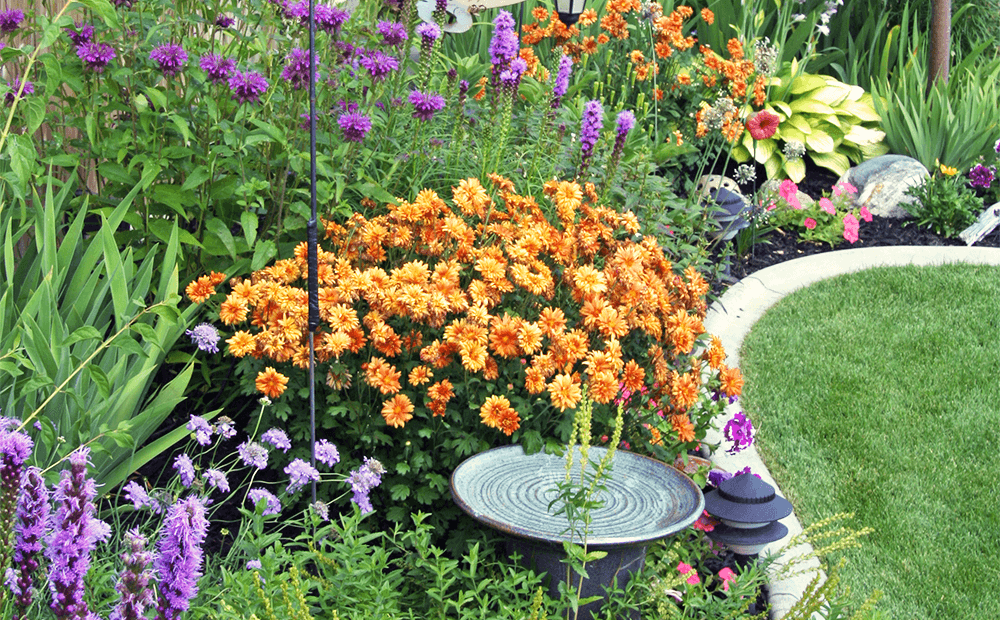
Along with the five main tips, here are a few more quick tricks to stretch your landscaping budget further:
- Start from seeds or cuttings: Buying mature plants is costly—grow your own instead.
- Plant perennials: They return every year, saving you from replanting annually.
- Share with neighbors: Swap seeds, plants, or tools to save money.
- Use rain barrels: Collect rainwater to reduce irrigation costs.
- Shop end-of-season sales: Nurseries often discount plants and supplies at the end of summer.
Conclusion
Landscaping doesn’t have to break the bank. With smart choices and a little creativity, you can design a beautiful outdoor space that reflects your personality and style—all while staying on budget.

By incorporating native plants, repurposing materials, creating DIY garden features, focusing on smart layouts, and using low-cost ground covers, you can achieve an impressive landscape at a fraction of the price. Add in a few budget-saving hacks, and you’ll find that the process is not only affordable but also deeply rewarding.
Your dream garden is within reach—no professional team or big budget required. With these five budget-friendly landscaping tips, you’ll be able to enjoy a beautiful, functional, and welcoming garden space that adds value to your home and joy to your life.

Leave A Comment