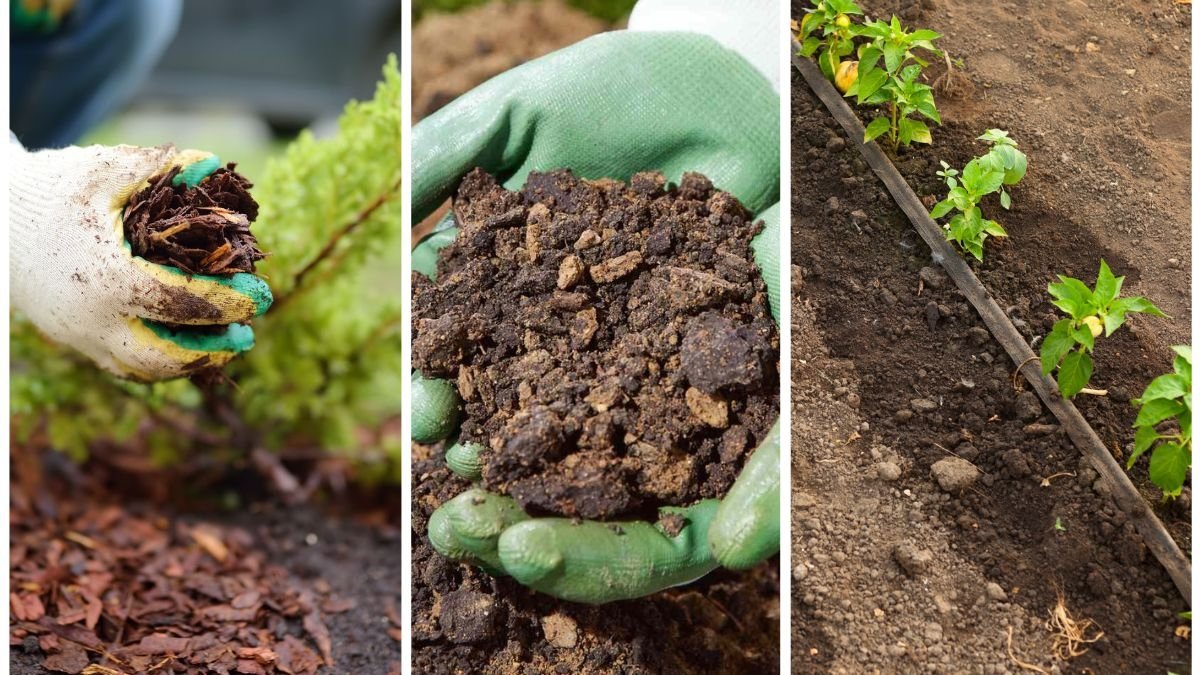
Soil is the lifeline of every garden, and water is its most precious resource. However, with rising temperatures, irregular rainfall, and the demands of thirsty plants, keeping soil consistently moist can feel like an uphill battle. Dry soil leads to stressed plants, lower yields, and more time spent watering. The good news is that with the right techniques, you can extend soil moisture, reduce water loss, and create a healthier garden with less effort.
In this article, we’ll explore five easy, proven ways to keep soil moist longer. These methods are not only effective but also sustainable, making them perfect for gardeners who want thriving plants while conserving water.
1. Mulching – Nature’s Blanket for Soil
If there’s one golden rule for moisture conservation, it’s mulching. A thick mulch layer acts like a protective blanket, shielding soil from the sun and reducing evaporation.
How Mulch Works:
- Blocks direct sunlight, keeping soil cooler.
- Reduces surface evaporation by up to 70%.
- Prevents hard crust formation, allowing better water penetration.
- Suppresses weeds that would otherwise compete for water.
Best Mulching Materials:
- Organic Mulches: Straw, shredded leaves, wood chips, grass clippings, or compost. These break down over time, adding nutrients.
- Inorganic Mulches: Gravel or landscape fabric; long-lasting but don’t improve soil fertility.
Pro Tip:
Apply a 2–4 inch layer around plants, keeping mulch a few inches away from stems to prevent rot. In vegetable gardens, straw mulch works wonderfully, while in flower beds, shredded bark or composted wood chips add both beauty and function.
2. Improve Soil Structure with Organic Matter
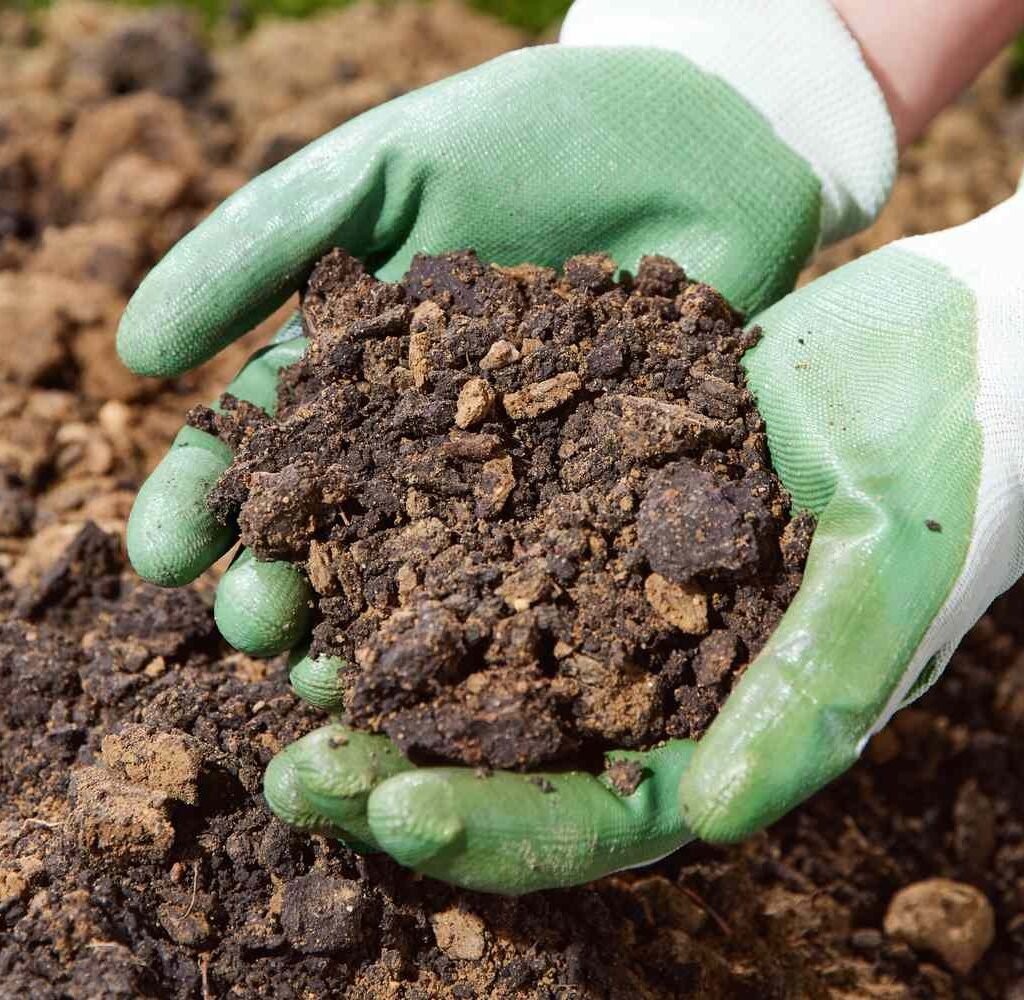
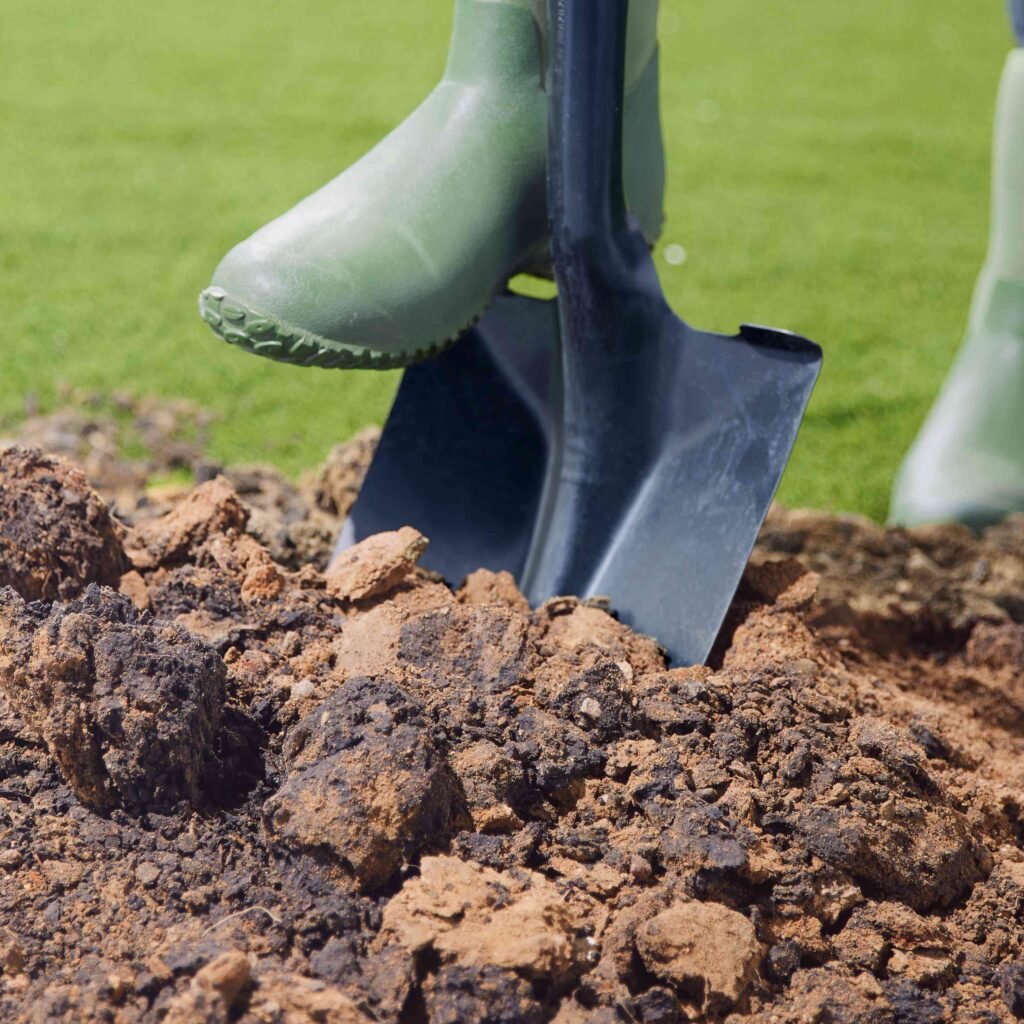
Soil rich in organic matter holds water much better than depleted, sandy, or compacted soils. Think of organic matter as a sponge that absorbs and releases water slowly, keeping soil moist for longer.
Why Organic Matter Helps:
- Improves Soil Texture: Loamy soil retains moisture without waterlogging.
- Feeds Microbes: Healthy microbial life improves water infiltration and retention.
- Increases Soil Porosity: Allows water to soak in instead of running off.
Ways to Add Organic Matter:
- Compost: A regular addition enriches soil and boosts its water-holding ability.
- Aged Manure: Improves fertility while increasing moisture capacity.
- Leaf Mold: Decomposed leaves retain 3–5 times their weight in water.
- Coconut Coir or Peat Moss: Excellent for water retention in sandy soils.
Application Tip:
Work in 2–3 inches of organic matter into the top 6 inches of soil during planting season. Over time, this dramatically changes how well soil retains water.
3. Use Ground Covers and Living Mulches
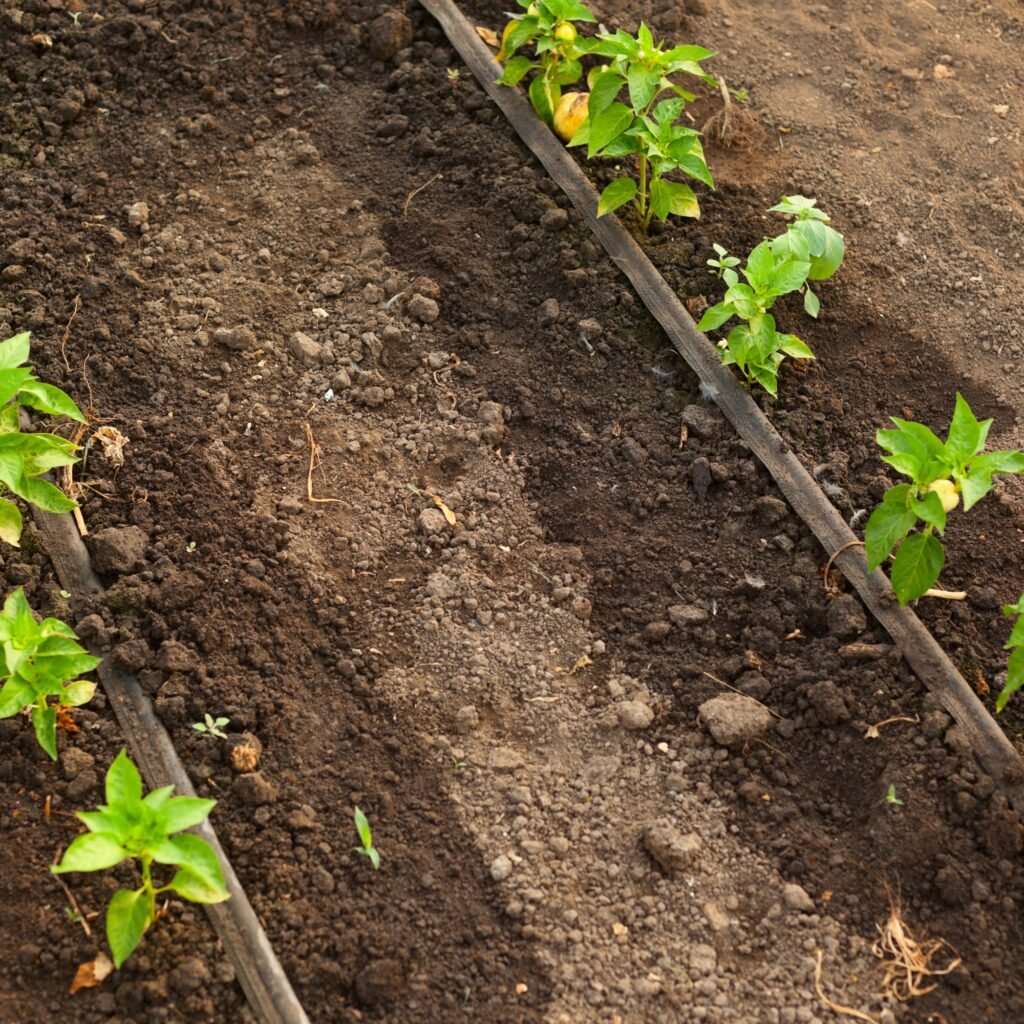
Bare soil dries out faster, while covered soil stays cool and moist. Ground covers and living mulches not only beautify your garden but also protect soil moisture.
Benefits of Ground Covers:
- Provide shade, reducing evaporation.
- Create a microclimate that conserves humidity.
- Suppress weeds that steal water.
- Add organic matter when cut back or tilled under.
Excellent Options:
- Low-Growing Herbs: Thyme, oregano, or creeping rosemary.
- Leguminous Covers: Clover or vetch, which also fix nitrogen.
- Quick-Growers: Buckwheat in summer or rye in cooler months.
Application Tip:
Use ground covers between rows or under trees to shield soil. For raised beds, living mulches like clover work well without overwhelming crops.
4. Smart Watering Techniques
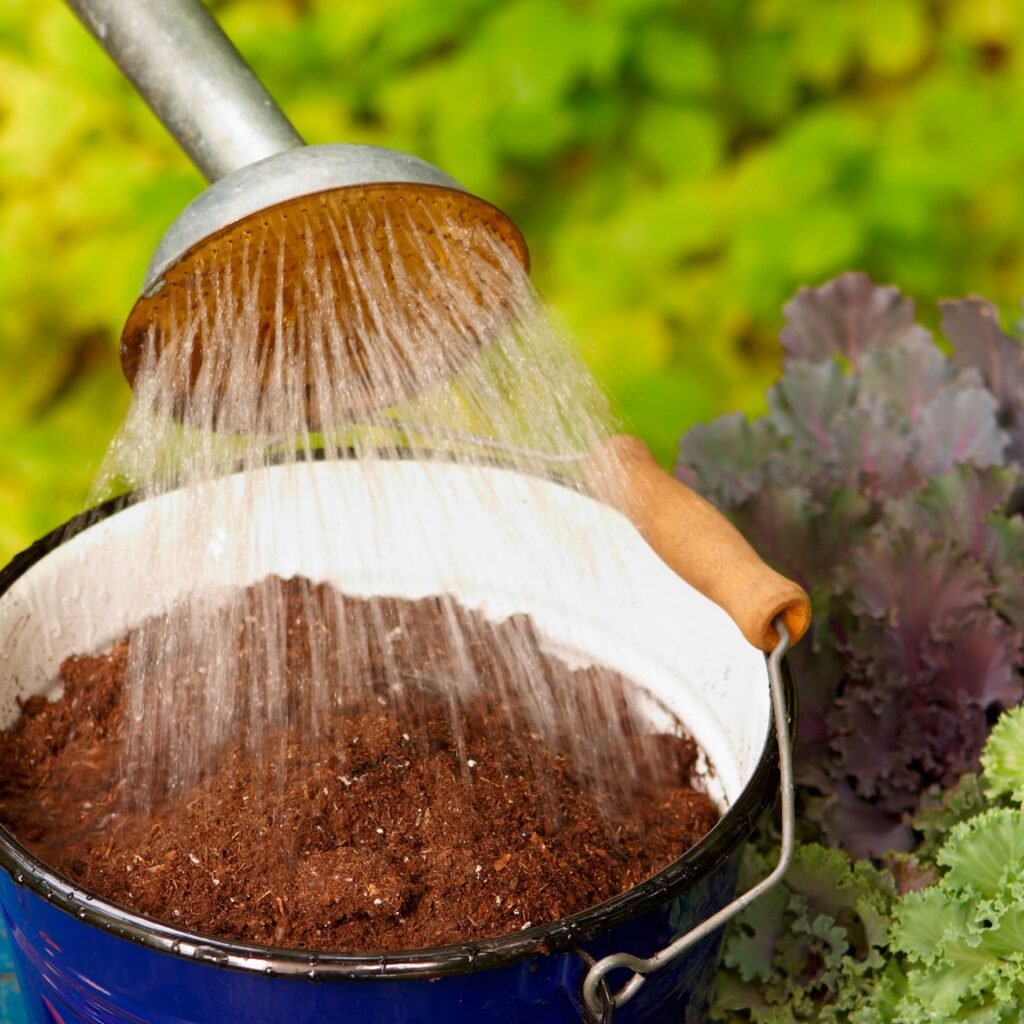
Keeping soil moist isn’t just about how much water you apply — it’s about how and when you water. Smart watering methods reduce evaporation and ensure water penetrates deeply into the root zone.
Best Practices for Soil Moisture:
- Water Deeply and Less Frequently: Encourages deep root growth, making plants more drought-tolerant.
- Water Early in the Morning or Late Evening: Reduces evaporation compared to midday watering.
- Soaker Hoses and Drip Irrigation: Deliver water directly to the roots, minimizing waste.
- Use Self-Watering Systems: Great for container gardens to maintain steady moisture.
Bonus Trick:
Bury clay pots (ollas) or unglazed terracotta vessels filled with water near plants. These slowly seep water into the soil, maintaining consistent moisture with minimal effort.
5. Apply Natural Soil Conditioners
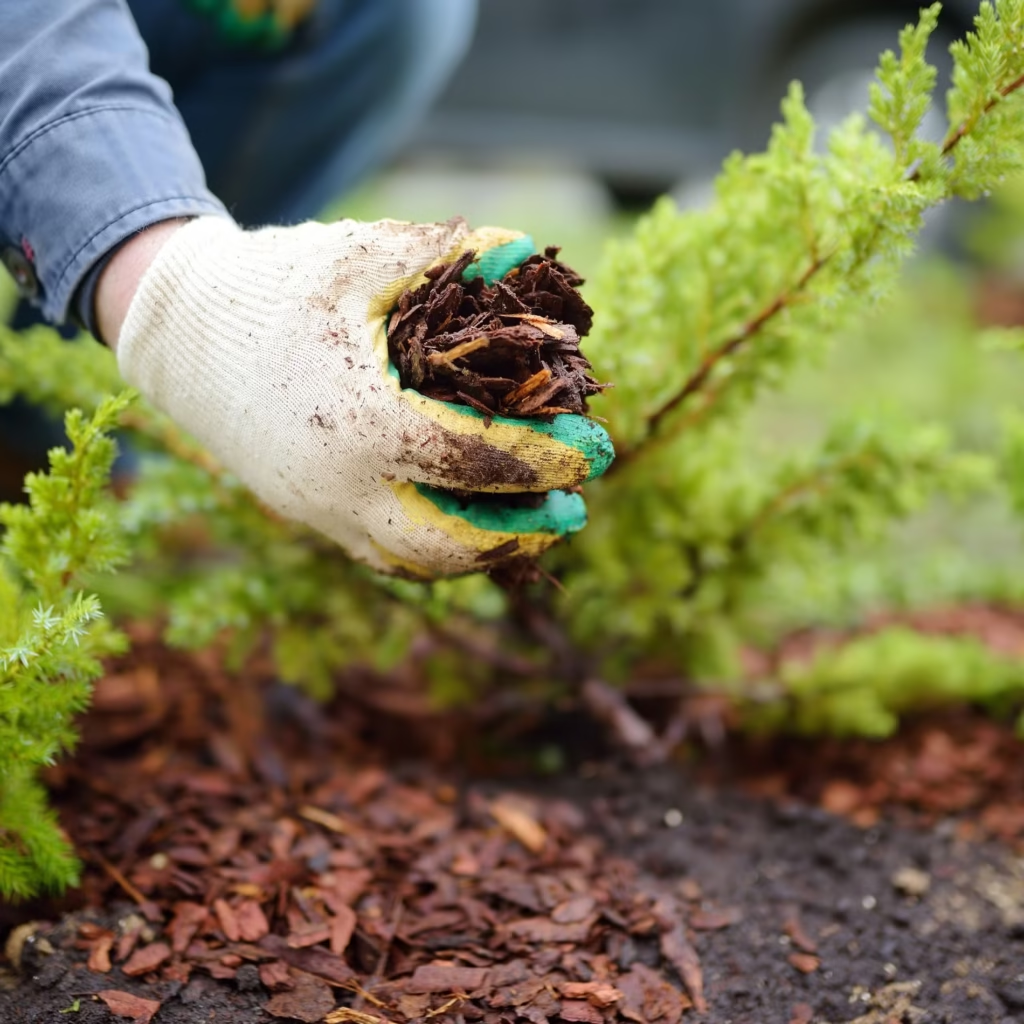
Soil conditioners enhance water retention and reduce the need for frequent watering. By amending soil with certain natural materials, you create a long-term buffer against dryness.
Top Moisture-Retaining Conditioners:
- Biochar: Holds water and nutrients in microscopic pores while supporting microbial activity.
- Vermiculite: Expands to trap water and release it slowly.
- Zeolite: Natural mineral that increases water retention capacity.
- Clay Additions (for sandy soil): Helps reduce quick drainage.
Organic Alternatives:
- Aloe Vera Gel Watering: Retains moisture around roots and promotes plant health.
- Compost-Enriched Topdressing: Adds both nutrients and water-holding ability.
Application Tip:
Mix conditioners into the root zone at planting or add as a top dressing in existing beds. Combine with mulch for best results.

Bonus Tips for Long-Lasting Moisture
While the five main methods work well, combining them with these additional tricks makes moisture management effortless:
- Shade Structures: Use shade cloths during peak summer to reduce evaporation.
- Windbreaks: Hedges or fences reduce drying winds.
- Hydrogels or Water-Storing Crystals: Useful in containers but use sparingly in garden beds.
- Plant Grouping: Place plants with similar water needs together to optimize watering.
- Crop Rotation: Prevents soil exhaustion and improves water balance.
Putting It All Together
Let’s say you have a raised vegetable bed that dried out quickly last summer. Here’s how you might apply these strategies:
- Add 3 inches of compost and leaf mold to improve soil structure.
- Lay a 3-inch straw mulch layer after planting seedlings.
- Install a drip irrigation system to water at the root zone.
- Plant clover between rows as a living mulch.
- Mix in a small amount of biochar during soil preparation.
The result? Soil that stays moist for days longer, healthier plants, and less time dragging around a watering can.
Conclusion
Keeping soil moist longer doesn’t have to be a constant struggle. With mulching, organic matter, living ground covers, smart watering, and natural soil conditioners, you create a garden that naturally conserves water. These strategies not only save time and reduce water bills but also support a healthier, more resilient garden ecosystem.

By working with nature rather than against it, your soil becomes a living sponge — holding onto precious water and giving your plants the consistent moisture they need to thrive. With just a few thoughtful adjustments, you can transform dry, thirsty soil into a lush, productive foundation for seasons to come.

Leave A Comment