
Squash is one of the most versatile and productive crops you can grow in your garden. Whether it’s tender summer squash like zucchini or hearty winter squash like butternut and acorn, these vegetables provide delicious meals throughout the season. However, squash plants are often prolific, leaving gardeners with more than they can eat at once. That’s where preservation comes in.
Preserving squash ensures you can enjoy its flavor and nutrition long after harvest season. From freezing and drying to pickling and canning, there are multiple easy techniques that keep squash fresh and ready to use year-round. This guide explores five simple, effective methods for preserving squash, along with step-by-step instructions and tips for success.
Why Preserve Squash?
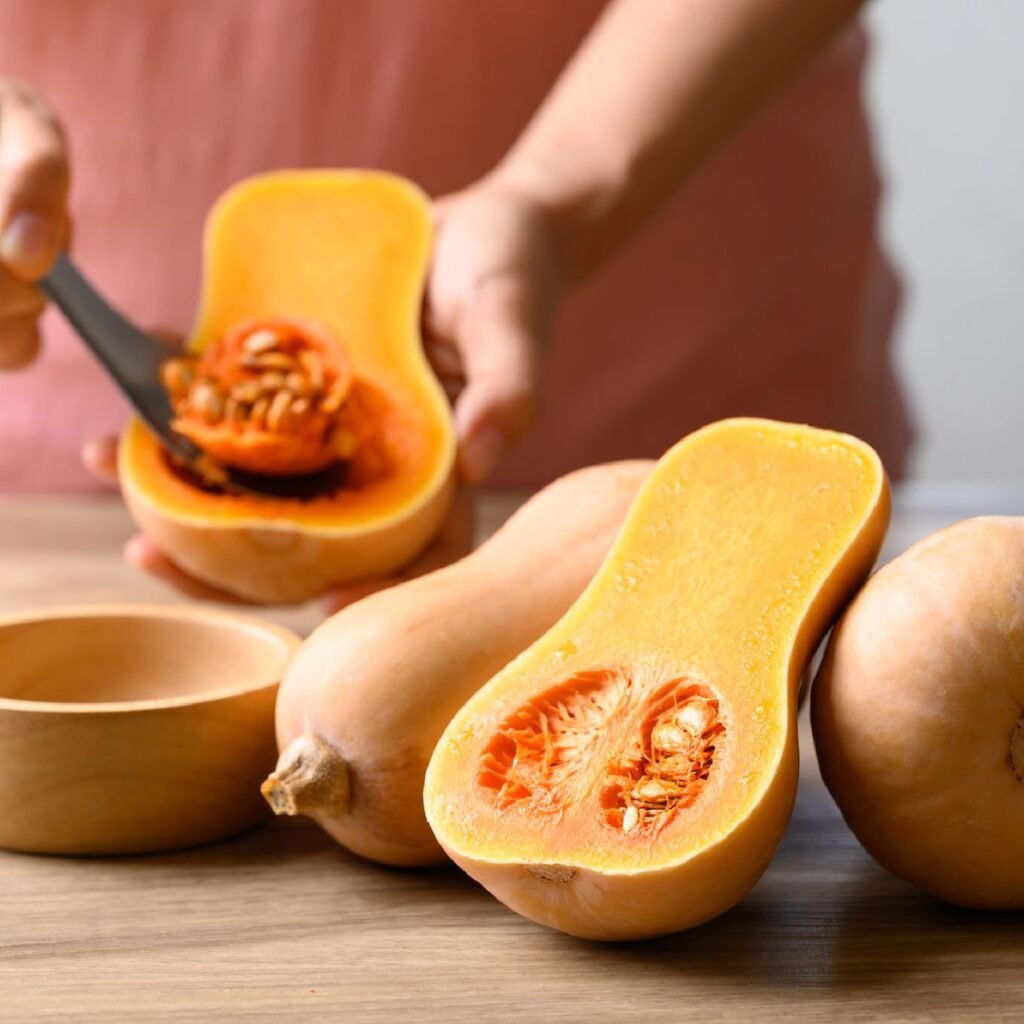
Before we dive into methods, it’s helpful to understand why preservation is worth the effort:
- Extended Shelf Life – Fresh summer squash only lasts about a week in the fridge, while winter squash may last a few months in cool storage. Preservation methods extend usability to a year or more.
- Convenience – Having pre-prepared squash in your freezer, pantry, or jars makes cooking faster and easier.
- Reduced Food Waste – Preserving prevents surplus harvests from going to waste.
- Nutrient Retention – Many preservation methods maintain the vitamins, minerals, and antioxidants found in squash.
- Year-Round Enjoyment – Even when your garden is dormant, you can enjoy soups, casseroles, and stir-fries with preserved squash.
1. Freezing Squash
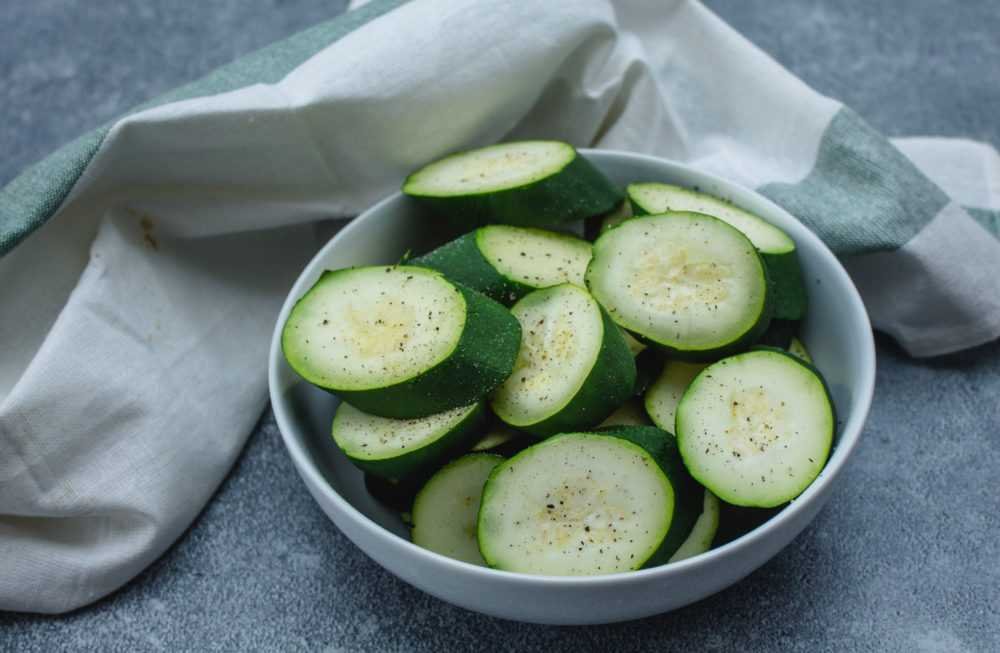
Freezing is the easiest and most popular way to preserve squash. It works best for zucchini, yellow squash, and even cubes of winter squash.
How to Freeze Summer Squash:
- Wash and Slice – Rinse squash and cut into ¼-inch slices or cubes.
- Blanching – Boil slices in water for 3 minutes (1 minute for grated zucchini). Immediately transfer to an ice bath to stop cooking. Blanching preserves color, texture, and nutrients.
- Dry – Pat slices dry with a towel to prevent ice crystals.
- Flash Freeze – Spread pieces in a single layer on a baking sheet and freeze for 2–3 hours.
- Package – Transfer frozen pieces into freezer bags or airtight containers. Remove excess air before sealing.
Freezing Grated Zucchini:
- Grate zucchini, squeeze out excess water, and pack into freezer-safe bags in pre-measured portions (e.g., 2 cups for baking recipes).
Freezing Winter Squash:
- Peel, cube, and blanch chunks before freezing. Alternatively, bake whole squash until tender, scoop out the flesh, mash it, and freeze in containers.
Storage Life: Up to 12 months.

Best Uses: Soups, stir-fries, casseroles, muffins, and breads.
2. Canning Squash
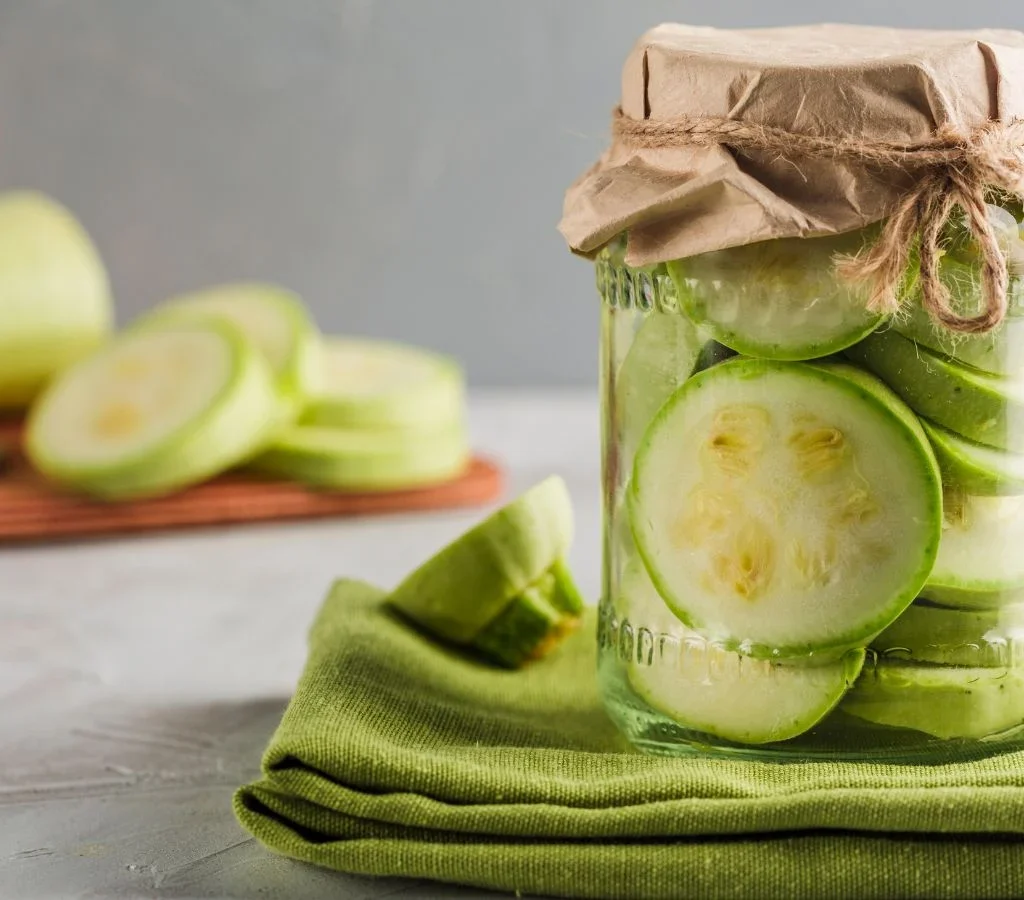
Canning is an excellent long-term preservation method, though it requires careful safety practices. Squash is a low-acid vegetable, so it must be pressure-canned to prevent harmful bacteria growth.
Pressure Canning Summer Squash (Not Recommended for Slices)
The USDA does not recommend pressure canning plain summer squash slices due to inconsistent density. However, squash can be canned safely in recipes such as soups or mixed vegetables following approved guidelines.
Pressure Canning Winter Squash (Puree Not Allowed)
- Winter squash cubes can be safely canned. Pureed squash cannot be pressure canned, but it can be frozen.
Steps for Canning Squash Cubes:
- Wash, peel, and cube the squash.
- Boil cubes for 2 minutes.
- Pack hot cubes into jars, leaving 1-inch headspace.
- Cover with boiling water.
- Process in a pressure canner (pint jars: 55 minutes, quart jars: 90 minutes, at 10–15 pounds pressure depending on altitude).
Storage Life: Up to 18 months.

Best Uses: Soups, stews, casseroles, and curries.
3. Pickling Squash
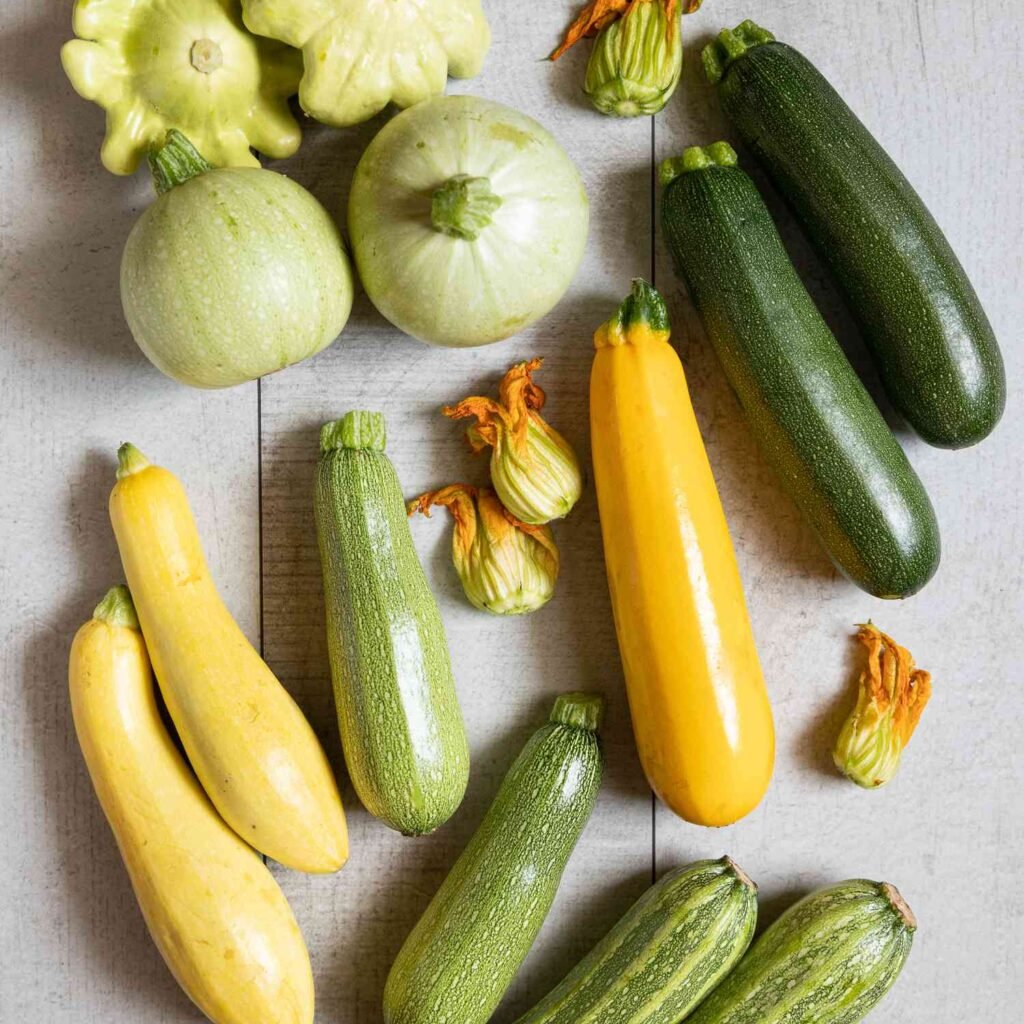
Pickling transforms squash into a tangy, flavorful snack while also preserving it. Summer squash works especially well because of its tender texture.
Quick Refrigerator Pickles:
- Slice squash into thin rounds or sticks.
- Prepare a brine with vinegar, water, sugar, and spices (garlic, dill, mustard seeds, chili flakes).
- Pack squash into jars and pour hot brine over them.
- Seal jars and refrigerate.
Ready in 24–48 hours and lasts for 2 months in the fridge.
Water-Bath Canning Pickled Squash:
- If you want shelf-stable pickles, use a tested pickling recipe with high vinegar content. Process jars in a boiling water bath for 10–15 minutes.
Storage Life: Refrigerator pickles last 2 months; canned pickles up to 1 year.
Best Uses: Sandwiches, salads, charcuterie boards, or as a tangy snack.

4. Dehydrating Squash
Dehydration removes moisture, concentrating flavor and nutrients. Dried squash takes up little space and rehydrates well in soups or stews.
How to Dehydrate Summer Squash:
- Wash and slice into ¼-inch rounds.
- Blanch for 1–2 minutes (optional but helps preserve color).
- Arrange slices on dehydrator trays in a single layer.
- Dry at 125°F for 8–12 hours, until brittle.
How to Dehydrate Winter Squash:
- Cook squash until tender.
- Scoop out flesh, puree, and spread thinly on dehydrator trays (use nonstick sheets).
- Dry into squash “leather.” Break into pieces for storage.
Storage Life: Up to 1 year in airtight containers.
Best Uses: Snacks, soups, casseroles, or ground into squash flour for baking.
5. Root Cellaring (for Winter Squash)
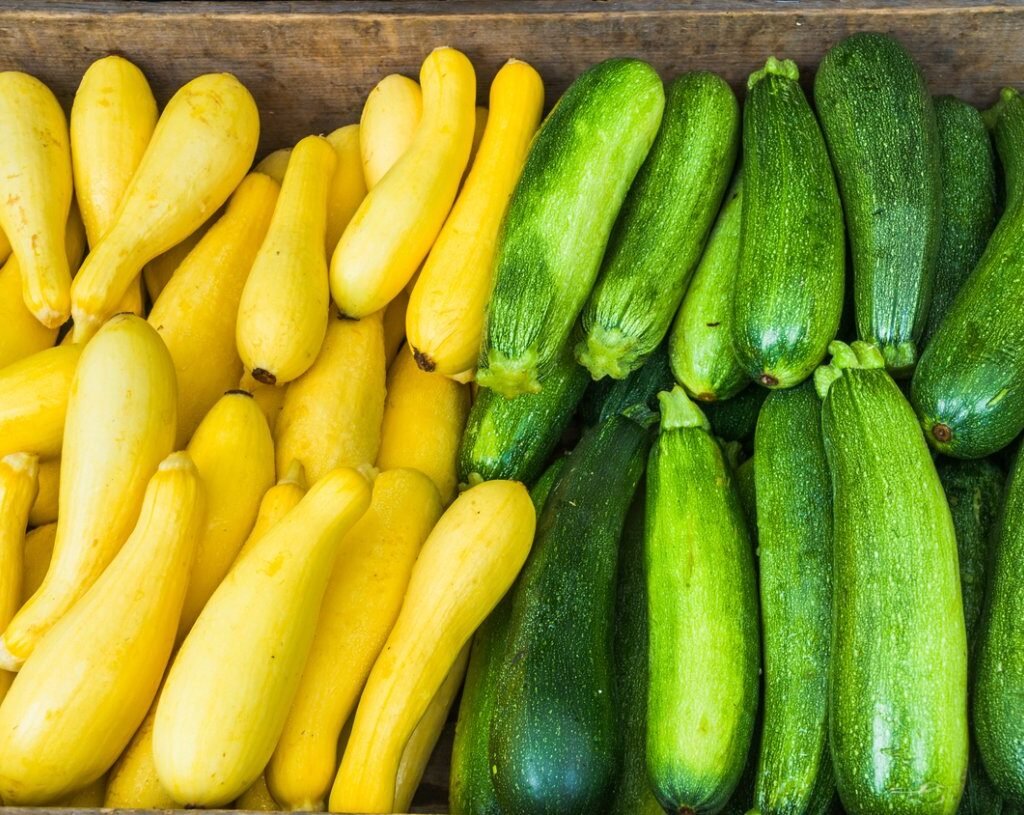
Unlike summer squash, many winter squash varieties (butternut, acorn, Hubbard, kabocha) naturally store well without processing. When cured and stored properly, they can last several months.
How to Store Winter Squash:
- Harvest at Full Maturity – Ensure rinds are hard and stems are dry.
- Cure Squash – Place squash in a warm (80–85°F), dry, well-ventilated spot for 10–14 days. This toughens skins and heals small scratches.
- Storage Conditions – Store cured squash in a cool, dark, dry place (50–55°F, 50–70% humidity). Avoid refrigeration, which can cause chilling injury.
- Check Regularly – Inspect for soft spots or mold. Use damaged squash first.
Storage Life: 2–6 months depending on variety.

Best Uses: Roasting, soups, stews, casseroles, and pies.
Bonus Tips for Preserving Squash
- Label Everything – Always mark containers with the squash variety and date of preservation.
- Use Vacuum Sealers – Extends freezer life by reducing freezer burn.
- Combine Methods – Freeze grated zucchini for baking, pickle slices for snacks, and cellar winter squash for hearty winter meals.
- Choose the Right Varieties – Some squashes store better than others. Butternut squash has a long shelf life, while zucchini is better suited for freezing or pickling.
- Experiment with Recipes – Try squash soups, sauces, or even squash chips to enjoy preserved squash in creative ways.
Conclusion
Squash may grow in abundance, but with the right preservation techniques, you’ll never have to worry about wasting your harvest. Freezing, canning, pickling, dehydrating, and root cellaring are five easy methods that extend squash’s usefulness well into the colder months.
Each technique offers unique benefits: freezing for convenience, canning for long-term storage, pickling for flavor, dehydrating for lightweight preservation, and root cellaring for natural storage. By mastering these methods, you can enjoy the taste, nutrition, and versatility of squash all year long.
Preserving squash is more than just a practical skill—it’s a way to celebrate the bounty of your garden and ensure that none of your hard-earned harvest goes to waste. Whether you’re a beginner or an experienced gardener, these methods make squash a reliable staple in your kitchen every season.

Leave A Comment