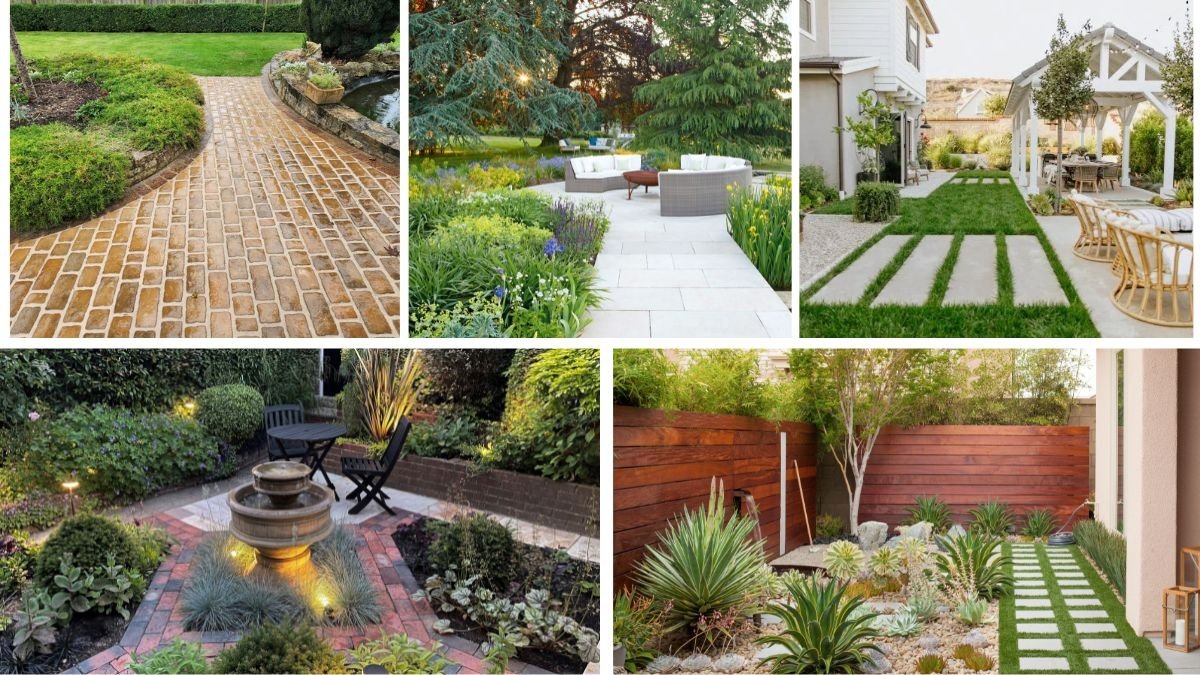
A well-designed garden pathway does more than provide a functional route through your yard—it sets the tone for your garden, guiding visitors while enhancing the overall aesthetic. Modern garden pathways combine style, creativity, and functionality, transforming ordinary gardens into visually striking spaces. Whether your outdoor area is small or expansive, pathways can be designed to reflect contemporary trends while complementing plants, lighting, and outdoor décor. This guide explores five modern garden pathway designs you can try, offering inspiration, design tips, and practical advice for creating a stunning garden walkway.
Why a Modern Garden Pathway Matters
Before diving into specific designs, it’s important to understand the benefits of a modern garden pathway:
- Enhances Visual Appeal: Pathways create a structured, polished look in your garden.
- Guides Movement: Directs visitors naturally and safely through different garden areas.
- Protects Plants: Prevents foot traffic from damaging flower beds or lawns.
- Adds Dimension: Different shapes, textures, and materials can add depth and interest.
- Boosts Property Value: Well-designed pathways elevate the overall curb appeal of your home.
- Integrates Functionality and Style: Pathways can double as seating areas, decorative features, or outdoor lighting displays.
With careful planning, modern pathways can merge functionality and artistry, making your garden an inviting retreat.
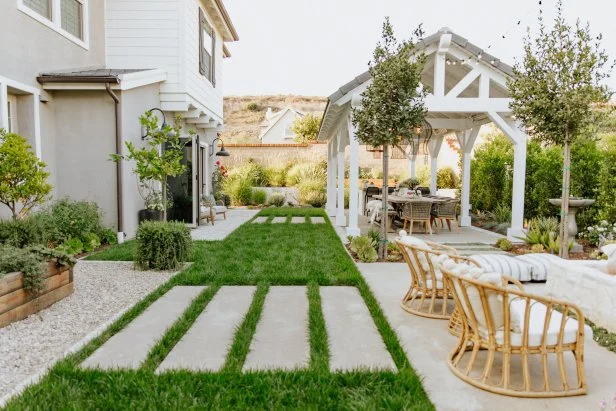
1. Stepping Stone Pathways
Stepping stones are a classic choice that can be modernized with creative layouts, materials, and spacing.
How to Create a Stepping Stone Pathway:
- Materials: Concrete, natural stone, slate, or large tiles can be used.
- Layout: Place stones in straight lines for a minimalistic look, or stagger them for a natural, flowing design.
- Spacing: Leave enough space between stones for grass or low ground cover to grow.
- Ground Cover Options: Moss, thyme, or creeping sedum creates a soft, green contrast around the stones.
Benefits: Stepping stone pathways are versatile, easy to install, and ideal for gardens with small spaces or irregular shapes.

Design Tip: Use geometric-shaped stones like hexagons or rectangles for a modern aesthetic.
2. Gravel and Pebble Pathways
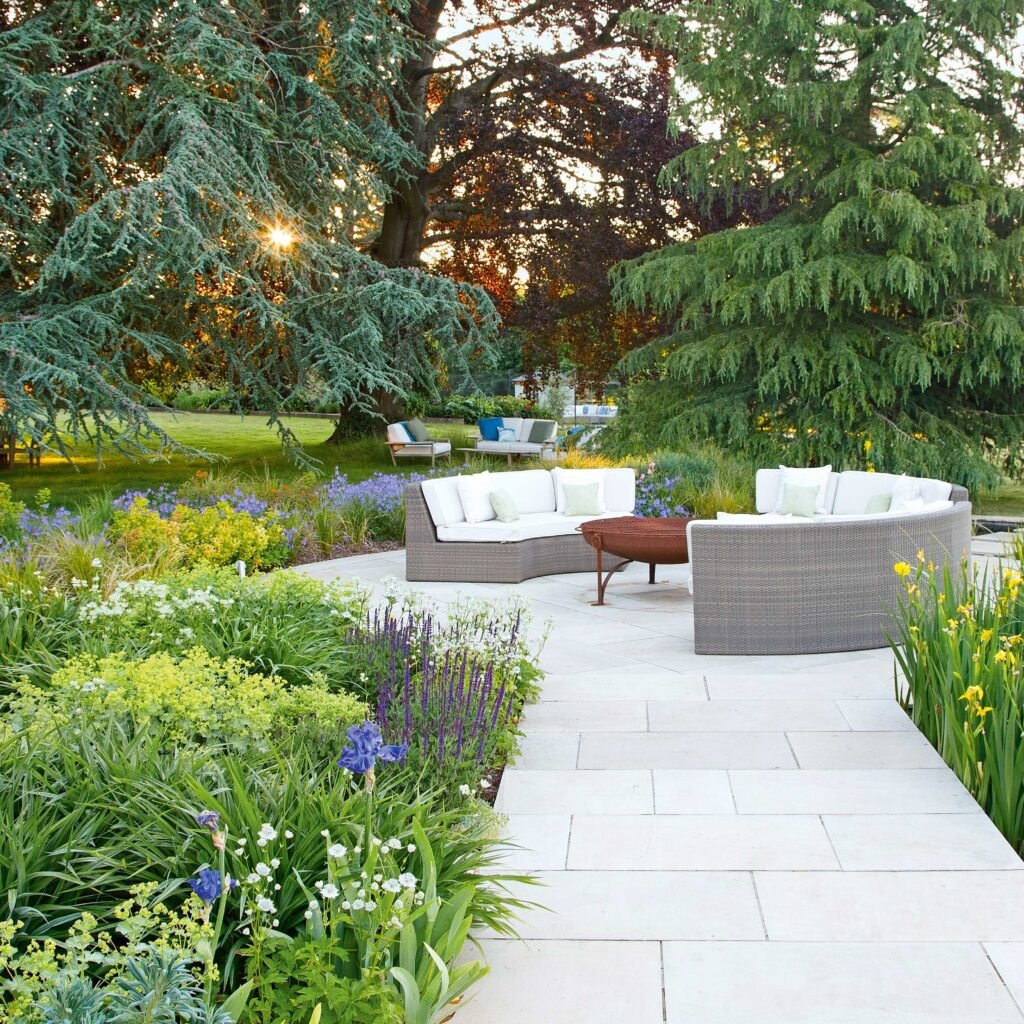
Gravel pathways are durable, low-maintenance, and offer a contemporary, textured look. They are perfect for minimalist or Japanese-inspired gardens.
How to Build a Gravel Pathway:
- Base Layer: Lay a weed barrier or landscape fabric to prevent weed growth.
- Gravel Layer: Add a 2–3 inch layer of crushed stone or gravel.
- Borders: Use metal, wood, or stone edging to define the pathway and prevent gravel migration.
- Decorative Touch: Mix different colored pebbles or stones for a visually appealing pattern.
Benefits: Gravel paths are cost-effective, drain well, and can be installed in curved or linear designs.
Design Tip: Combine gravel with large stepping stones for added dimension and a contemporary feel.
3. Wooden Boardwalk or Decking Pathways
Wooden pathways or boardwalks bring warmth and elegance to modern gardens. They are particularly suitable for areas near ponds, water features, or sloped terrain.

Steps to Create a Wooden Pathway:
- Material Choice: Use weather-resistant woods like teak, cedar, or composite decking.
- Support: Install a stable base with gravel or concrete piers for durability.
- Spacing: Leave small gaps between boards for water drainage and expansion.
- Finishing Touches: Apply sealant or wood stain to enhance longevity and aesthetics.
Benefits: Wooden pathways create a natural, warm feel while providing a smooth, modern surface.
Design Tip: Mix horizontal and vertical plank orientations for a contemporary, patterned look.
4. Geometric or Mosaic Pathways
Geometric and mosaic pathways make a bold statement and are perfect for modern or artistic garden designs.
How to Design a Geometric Pathway:
- Materials: Use tiles, pavers, concrete slabs, or stones in varied shapes like hexagons, triangles, or squares.
- Pattern Options: Try herringbone, chevron, or interlocking geometric patterns.
- Colors: Incorporate contrasting colors for a striking visual effect, or neutral tones for a sleek minimalist look.
- Installation: Lay tiles or pavers on a compacted sand base, and fill gaps with sand or mortar.
Benefits: Geometric pathways are eye-catching, customizable, and complement contemporary garden décor.
Design Tip: Combine small mosaic tiles with larger pavers to create texture and depth.

5. Green or Grass Pathways
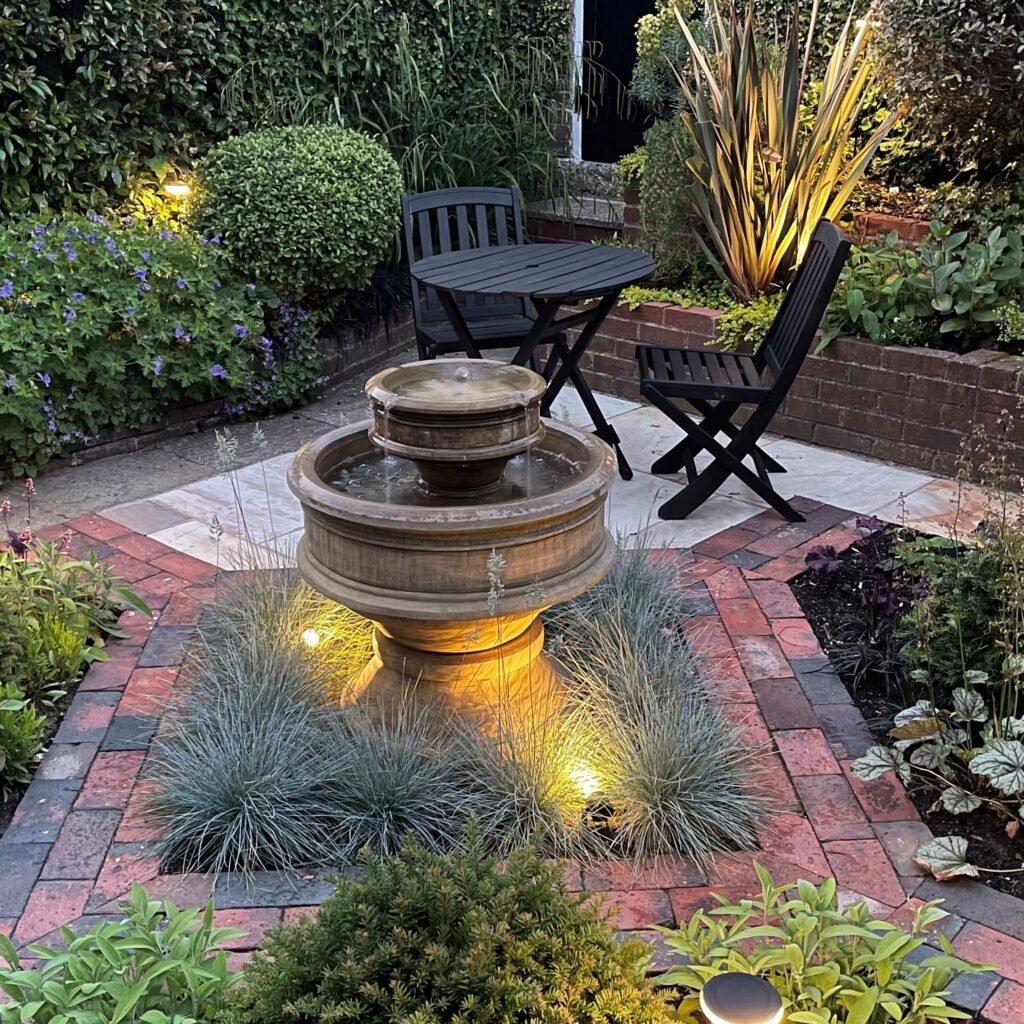
Grass pathways are a simple yet modern approach, blending functionality with a lush, natural aesthetic.
How to Create a Grass Pathway:
- Design: Outline the path with edging to define the space and prevent grass from spreading.
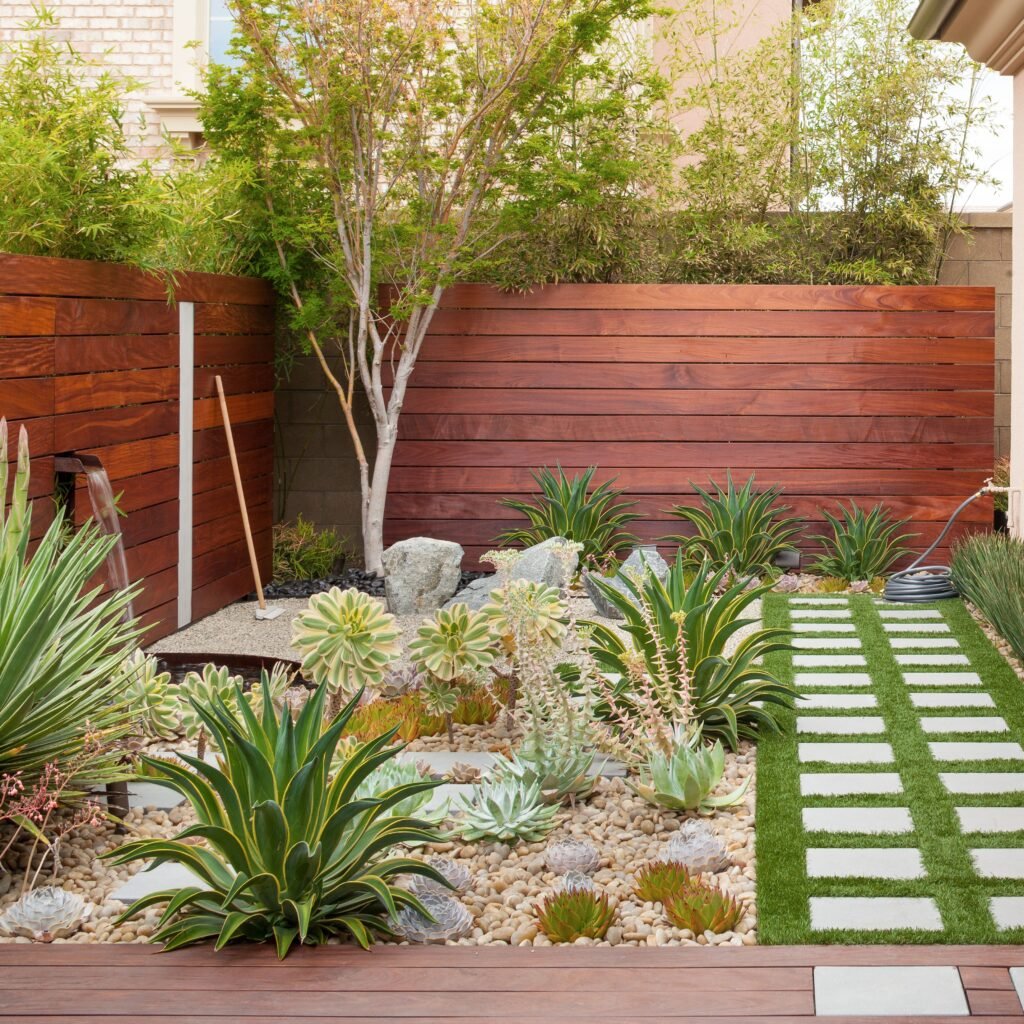
- Hardscape Integration: Combine grass with stone, gravel, or wood to create a hybrid modern look.
- Plant Choice: Use hardy turfgrass or low-growing ground cover for a soft walking surface.
- Maintenance: Mow regularly and trim edges to keep the path neat.
Benefits: Grass pathways provide a soft, eco-friendly surface and blend seamlessly with the surrounding landscape.
Design Tip: Curved grass pathways with irregular stepping stones create a natural, flowing design.
Tips for Designing a Modern Garden Pathway
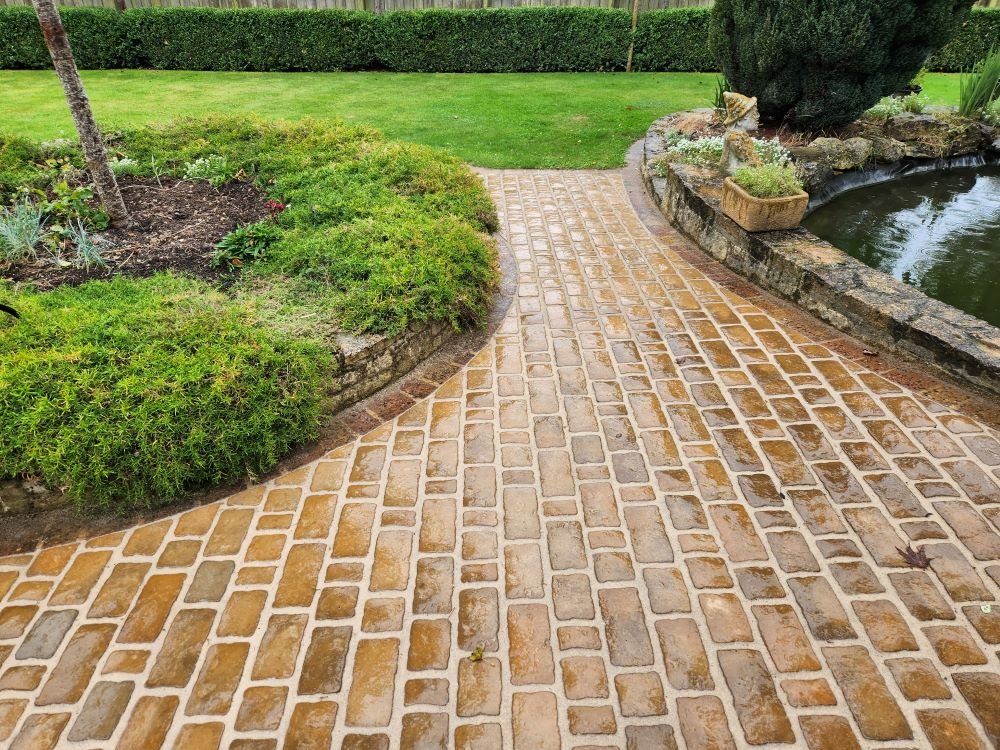
- Plan Your Route: Consider the natural flow of your yard and traffic patterns.
- Choose Complementary Materials: Match pathway materials with garden style, plants, and furniture.
- Incorporate Lighting: Add solar lights, lanterns, or LED strips for nighttime visibility and ambiance.
- Add Borders: Edging with stones, metal, or plants keeps pathways defined and neat.
- Mix Textures: Combine wood, stone, gravel, or greenery to create depth and interest.
- Consider Drainage: Ensure pathways are slightly raised or sloped for water runoff.
- Include Rest Spots: Integrate benches or small seating areas along longer pathways.
- Seasonal Appeal: Use perennial plants or ground covers that look attractive year-round.
- Keep It Safe: Smooth surfaces for walking and non-slip finishes for wet areas.
- Personalize: Add sculptures, planters, or decorative stones to make the pathway unique.
These design tips ensure that your modern garden pathway is both functional and visually appealing.
Benefits of Modern Garden Pathways
- Enhances Curb Appeal: Pathways make gardens look more organized, stylish, and inviting.
- Defines Space: Creates clear divisions between flower beds, lawns, and functional areas.
- Increases Property Value: Well-designed pathways are attractive to potential buyers.
- Encourages Exploration: Guides visitors and family members through different garden features.
- Supports Sustainable Gardening: Gravel, permeable pavers, and green pathways help manage water runoff.
Modern garden pathways balance aesthetics and practicality, elevating the overall design of your outdoor space.

Conclusion
Creating a modern garden pathway is a rewarding way to transform your outdoor space. From stepping stones and gravel pathways to wooden boardwalks, geometric designs, and lush grass paths, each option provides a unique combination of style, functionality, and charm.
When planning your pathway, consider your garden layout, the materials you prefer, and the type of plants you want to integrate. Combining texture, color, and creativity ensures that your pathway becomes a striking feature that enhances both movement and aesthetics.
Whether you want a minimalist stepping stone trail, a geometric mosaic walkway, or a soft green path through your yard, modern garden pathways allow you to make a lasting impression while optimizing your outdoor space. With careful planning and design, your garden pathway can become a central element of your landscape, guiding visitors and creating a serene, visually stunning environment for all seasons.

Leave A Comment