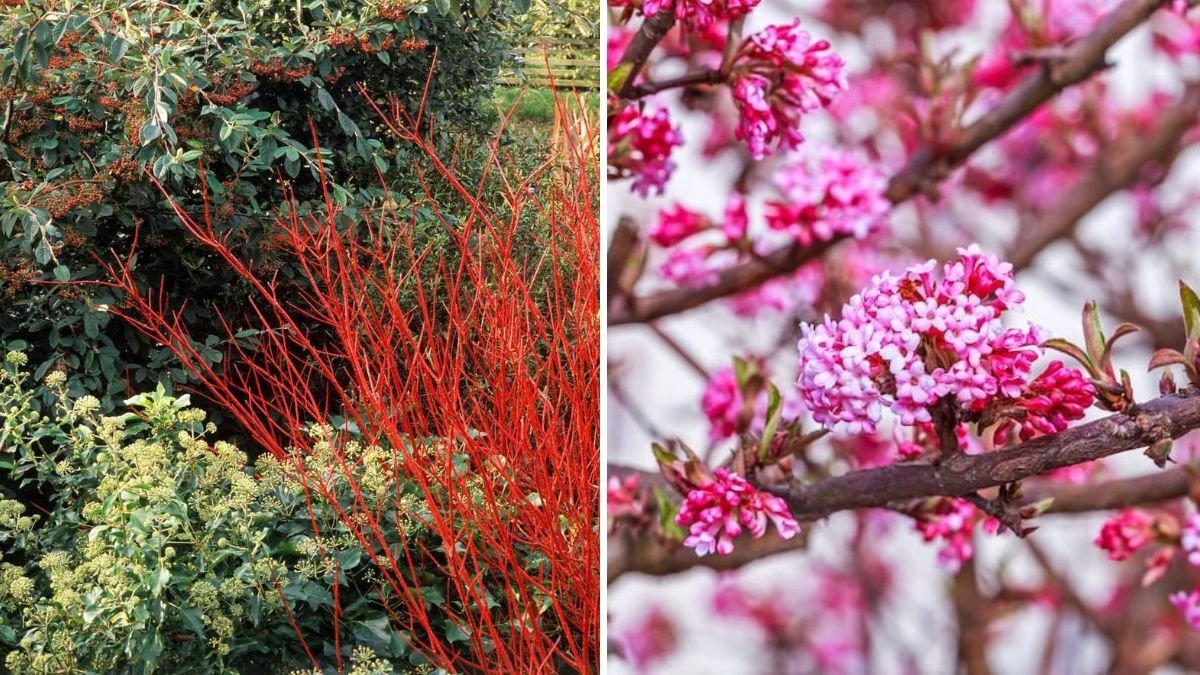
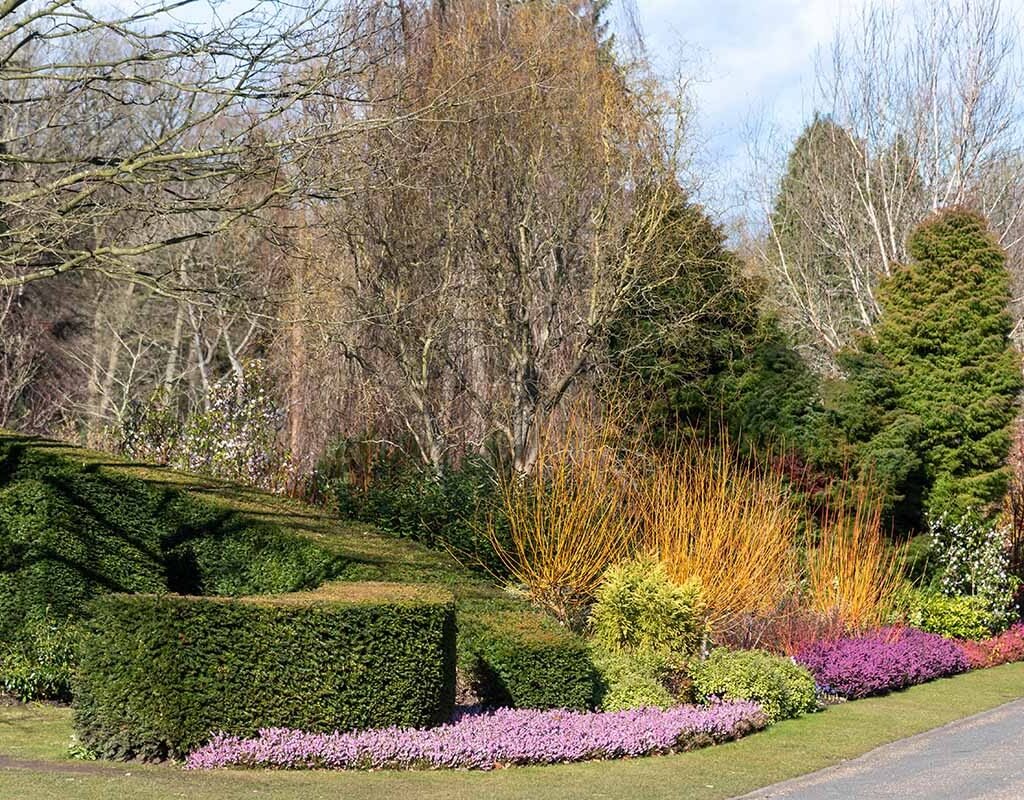
When winter arrives, many gardens fall into dormancy. Leaves have dropped, flowers have faded, and bare branches dominate the landscape. But a well-planned garden doesn’t have to look dull during the cold months. By selecting shrubs that shine in winter, you can bring structure, color, texture, and even fragrance to your outdoor space.
Shrubs with winter interest don’t just survive the season—they thrive in it, offering vibrant stems, evergreen foliage, unusual textures, and sometimes even blossoms when most plants are asleep. These features add depth and life to gardens, creating visual appeal when it is needed most.
In this article, we’ll explore five shrubs that provide exceptional winter interest, discussing their unique qualities, growing needs, and why they deserve a spot in your garden.
1. Red Twig Dogwood (Cornus sericea) – A Burst of Color in the Snow
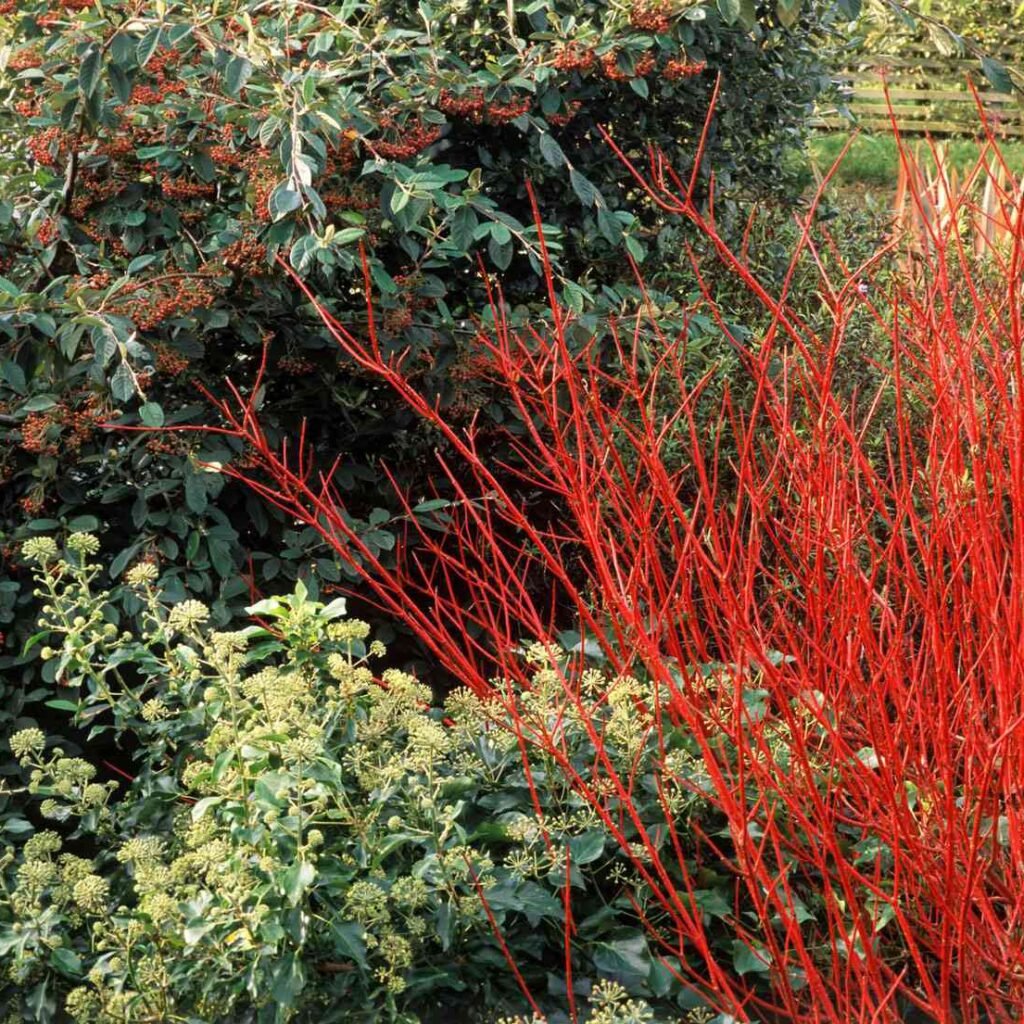
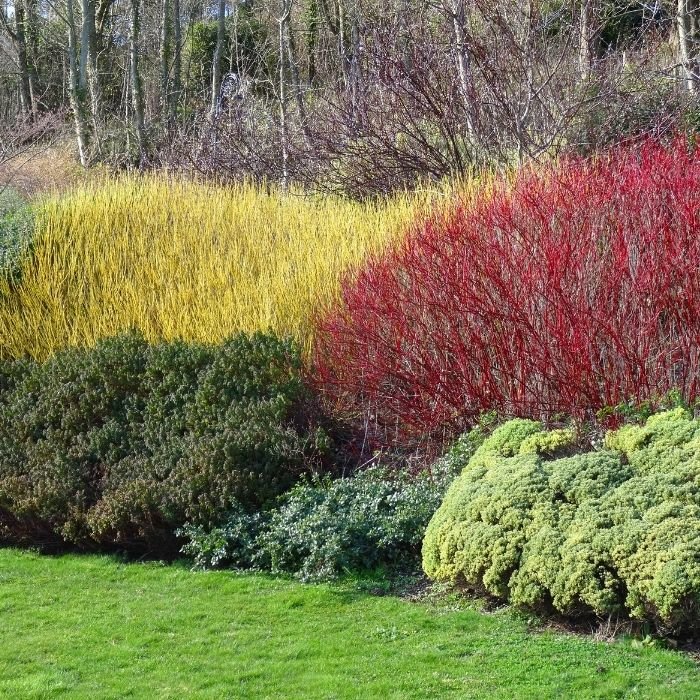
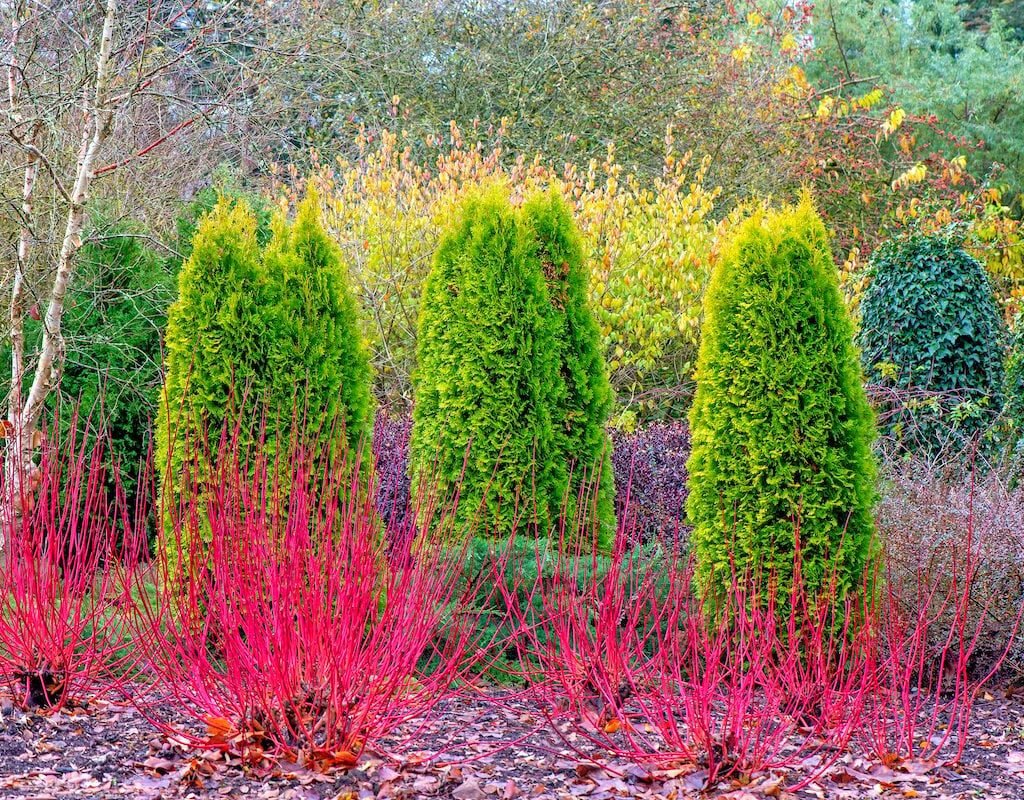
If you’ve ever seen fiery red branches glowing against a snowy backdrop, chances are you were looking at a Red Twig Dogwood. This deciduous shrub is unremarkable during summer, with green leaves and small white flowers, but in winter, its vibrant red stems steal the show.
Why It Stands Out:
- Brilliant Stem Color: The bare stems transform into a vivid red or burgundy that pops dramatically against white snow or evergreen backdrops.
- Seasonal Interest: Red Twig Dogwood also produces clusters of white flowers in spring and attractive berries that feed birds in summer.
- Low Maintenance: Hardy and adaptable, it requires little care once established.
Best Growing Conditions:
- Prefers moist, well-drained soils but tolerates clay and wet conditions.
- Grows well in full sun to partial shade.
- USDA Zones: 2–8.
Why Gardeners Love It:
Pruning encourages new stem growth, which is the brightest in color. Many gardeners plant Red Twig Dogwoods in groups for maximum visual impact.
2. Winterberry Holly (Ilex verticillata) – A Festive Splash of Red
Winterberry Holly is a deciduous holly that loses its leaves in autumn but leaves behind a dazzling display of bright red berries. These berries persist throughout the winter, providing color and food for wildlife when resources are scarce.
Why It Stands Out:
- Striking Berries: The clusters of red berries look like ornaments against bare branches.
- Wildlife Benefits: Birds love the berries, making this shrub both decorative and ecological.
- Seasonal Symbolism: Its festive look makes it a natural decoration for holiday gardens.
Best Growing Conditions:
- Thrives in moist, acidic soils.
- Requires full sun to partial shade.
- USDA Zones: 3–9.
Special Note:
Winterberry is dioecious, meaning you’ll need both male and female plants nearby for berry production.
Why Gardeners Love It:
Winterberry adds cheer to otherwise bare landscapes and provides natural beauty throughout the coldest months. It is also excellent for cut arrangements.
3. Witch Hazel (Hamamelis spp.) – Fragrant Winter Blooms
Witch Hazel is one of the rare shrubs that actually blooms in winter. Its spidery, ribbon-like flowers—ranging from yellow and orange to red—appear from late fall into early spring, depending on the species.
Why It Stands Out:
- Winter Flowers: Few shrubs bloom in winter, and Witch Hazel’s vibrant flowers are a welcome sight.
- Fragrance: Many varieties emit a sweet, spicy fragrance that perfumes the crisp air.
- Medicinal and Historical Value: Witch Hazel extracts have long been used in herbal remedies.
Best Growing Conditions:
- Prefers well-drained, loamy soil.
- Grows well in full sun to partial shade.
- USDA Zones: 3–9 (depending on variety).
Why Gardeners Love It:
The unusual flowers add charm, while the fragrance elevates the garden experience during a season often associated with stillness. Its yellow blooms look especially striking against snow.
4. Mahonia (Mahonia aquifolium) – Evergreen with Golden Blooms
Mahonia, also called Oregon Grape, is a hardy evergreen shrub with holly-like leaves. Its leathery, glossy foliage stays green year-round, often developing purplish tints in cold weather. In winter, clusters of cheerful yellow flowers emerge, followed by bluish-black berries.
Why It Stands Out:
- Evergreen Foliage: Provides year-round greenery and texture.
- Winter Flowers: Bright yellow blooms appear as early as late winter, attracting pollinators like bees.
- Wildlife Value: The berries feed birds, while dense foliage provides shelter.
Best Growing Conditions:
- Prefers well-drained but moist soil.
- Thrives in part to full shade, making it perfect for shaded winter gardens.
- USDA Zones: 5–9.
Why Gardeners Love It:
Mahonia is a versatile shrub that brightens dark corners of the garden. Its spiky leaves add texture, and the combination of evergreen foliage, yellow flowers, and berries ensures year-round appeal.
5. Camellia (Camellia japonica and Camellia sasanqua) – The Winter Rose
Camellias are evergreen shrubs beloved for their stunning winter and early spring blooms. With large, rose-like flowers in shades of red, pink, and white, they provide color when few other plants are in bloom.
Why It Stands Out:
- Spectacular Flowers: Glossy evergreen leaves provide a perfect backdrop for showy blooms.
- Winter Charm: Depending on the variety, blooms appear from fall through early spring.
- Variety of Cultivars: Thousands of cultivars exist, offering different colors, forms, and blooming times.
Best Growing Conditions:
- Thrive in slightly acidic, well-drained soils rich in organic matter.
- Prefer partial shade, especially in warmer climates.
- USDA Zones: 7–9 (some hardy varieties for Zone 6).
Why Gardeners Love It:
Camellias bring elegance and sophistication to winter gardens. Their flowers are so striking that they are often called the “Queens of Winter.”
Design Tips: Using Winter Shrubs in the Garden
To maximize the visual and ecological value of winter shrubs, consider these design ideas:
- Combine Colors and Textures: Plant Red Twig Dogwoods near evergreens to create contrast between red stems and green foliage.
- Layer for Structure: Use taller shrubs like Witch Hazel in the background and smaller ones like Winterberry or Mahonia in the foreground.
- Wildlife-Friendly Design: Incorporate berry-bearing shrubs such as Winterberry and Mahonia to provide food and shelter for birds during winter.
- Highlight with Snow: Position colorful shrubs where they can be seen from windows, so you can enjoy their beauty indoors on snowy days.
- Extend Bloom Seasons: Mix shrubs that bloom in different months (e.g., Witch Hazel in late fall, Camellia in mid-winter) to enjoy continuous color.
The Benefits of Winter-Interest Shrubs
Planting shrubs that shine in winter goes beyond aesthetics:
- Year-Round Beauty: Keeps your garden alive and engaging, even in the dullest months.
- Wildlife Support: Provides food and shelter when natural resources are scarce.
- Reduced Seasonal Gaps: Prevents the garden from looking bare between fall and spring.
- Low Maintenance: Many winter shrubs are hardy and require little care once established.
Final Thoughts
A garden should be beautiful in every season—not just spring and summer. By choosing shrubs with winter interest, you can transform cold, gray months into a season filled with color, structure, and life.
From the fiery stems of Red Twig Dogwood to the festive berries of Winterberry Holly, the fragrant blooms of Witch Hazel, the evergreen resilience of Mahonia, and the elegant flowers of Camellias, these five shrubs prove that winter is far from dull.
Planting them not only adds year-round charm to your garden but also supports wildlife and brings joy to your own seasonal experience. With thoughtful planning, your garden can become a vibrant winter landscape that stands out when everything else fades.

Leave A Comment