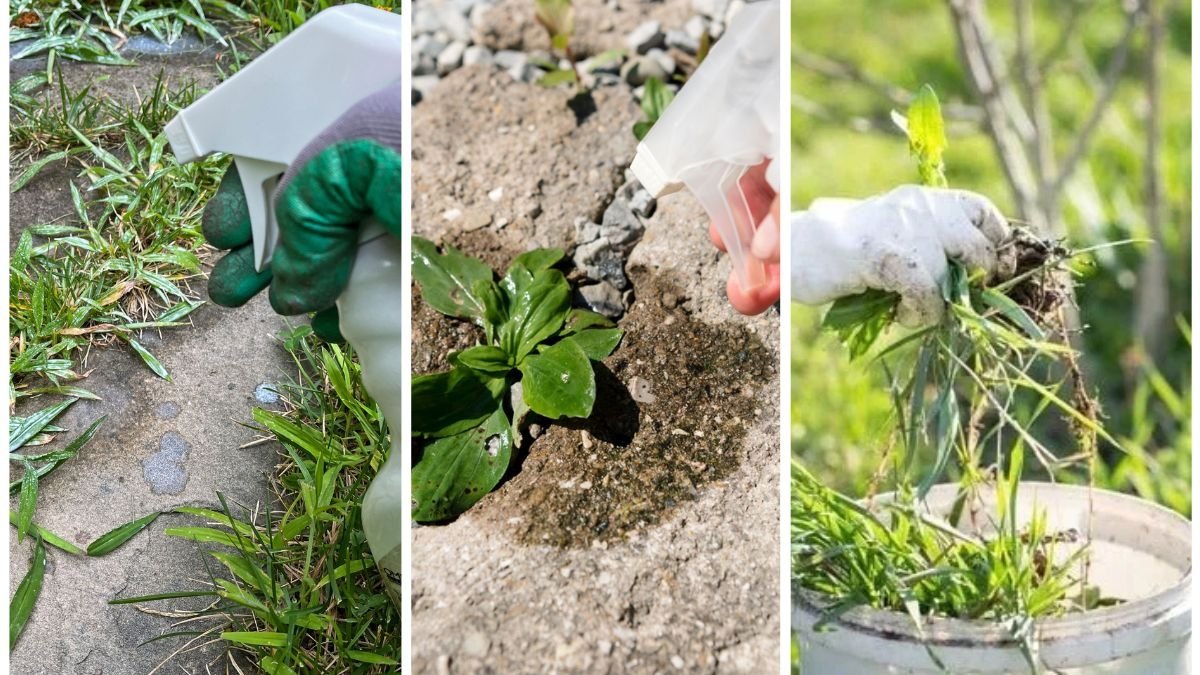
Weeds are the uninvited guests of every garden. They sprout in cracks, compete with your vegetables and flowers, and often seem impossible to control. While chemical herbicides are widely available, many gardeners prefer safer, eco-friendly methods to keep weeds in check. The good news is that you don’t need expensive products—homemade weed solutions can be just as effective when used correctly.
In this article, we’ll explore six proven homemade weed solutions that actually work, explain how to use them, and share tips to ensure they are safe for your garden and the environment.
Why Choose Homemade Weed Solutions?
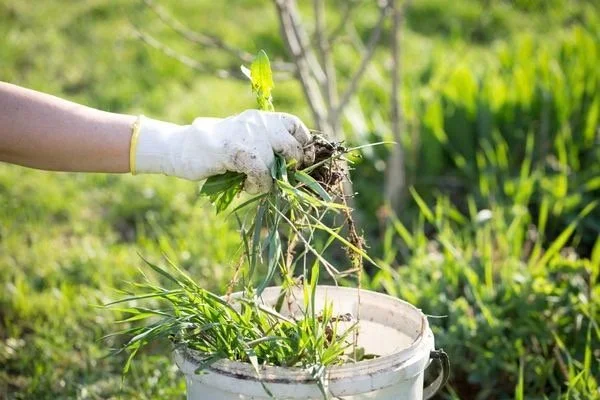
Before diving into recipes and techniques, it’s worth noting why homemade options are so valuable:
- Eco-Friendly – Unlike synthetic herbicides, homemade solutions are biodegradable and less harmful to soil health, pets, and pollinators.
- Budget-Friendly – Most ingredients are already in your kitchen or pantry, saving money.
- Safe for Kids and Pets – Properly used, they reduce exposure to toxic chemicals in family-friendly yards.
- Quick and Convenient – No need to visit a store; you can whip up effective weed killers in minutes.
That said, these solutions should be applied carefully—they don’t discriminate between weeds and desired plants. Always use them as targeted spot treatments, not blanket sprays.
1. Vinegar Spray (Acetic Acid Weed Killer)
How It Works:
Vinegar contains acetic acid, which draws moisture out of plant tissues. When sprayed directly on weeds, it causes them to wither and die.
Ingredients:
- 1 gallon of white vinegar (5–20% acetic acid; stronger concentrations work faster)
- Optional: 1 tablespoon dish soap (to help it stick to leaves)
Instructions:
- Pour vinegar into a spray bottle or garden sprayer.
- Add dish soap, mix gently.
- Spray directly on weed leaves during a sunny day.
Best Uses:

- Young annual weeds like dandelions, chickweed, and crabgrass seedlings.
- Driveways, sidewalks, and garden edges.
Caution: Vinegar is non-selective. Avoid spraying near vegetables, flowers, or grass you want to keep.
2. Boiling Water
How It Works:
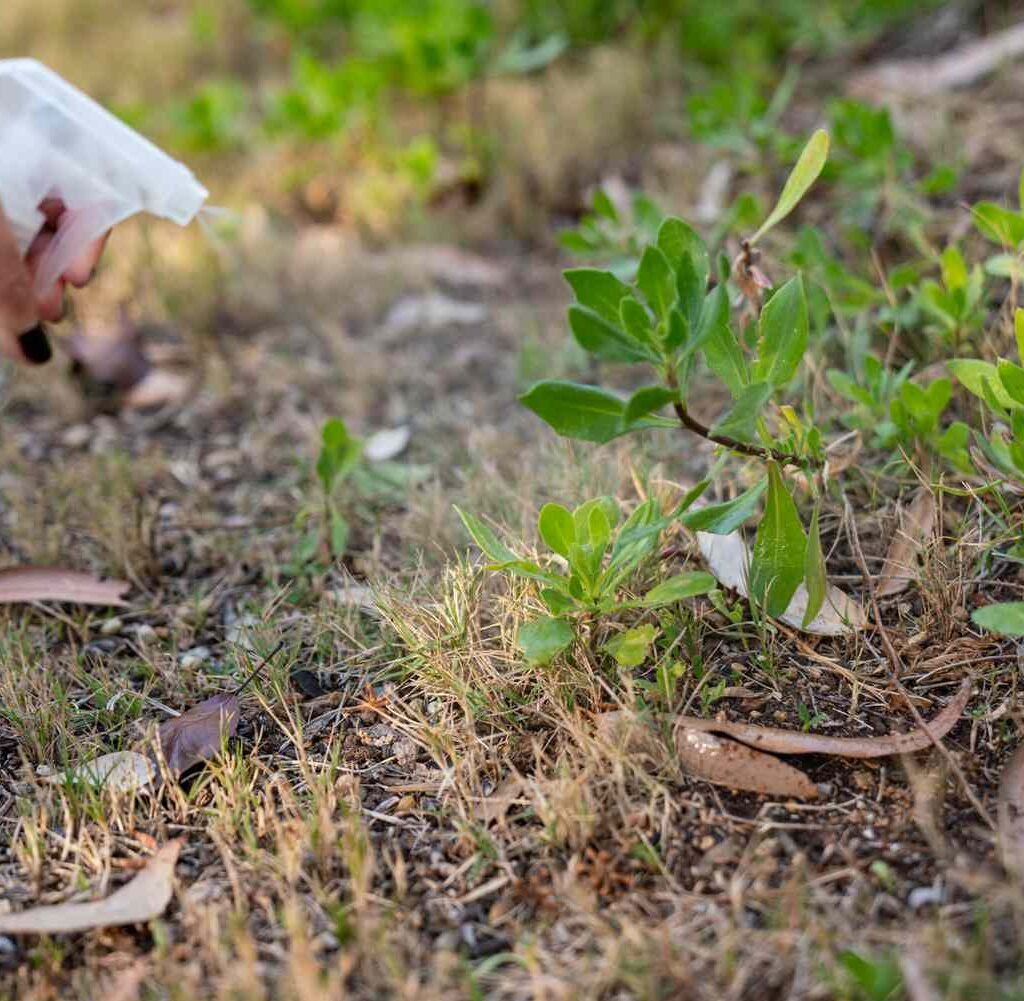
The simplest solution of all—scalding hot water cooks plant tissues, killing weeds instantly at the surface level and damaging their roots.
Instructions:
- Bring a pot of water to a boil.
- Carefully pour directly onto weeds, especially those in cracks or between paving stones.
Best Uses:
- Driveways, sidewalks, patios, and gravel paths.
- Great for spot-treating small, isolated weeds.
Caution: Avoid near lawn or flower beds, as boiling water kills any plant it touches.
3. Salt Solution
How It Works:
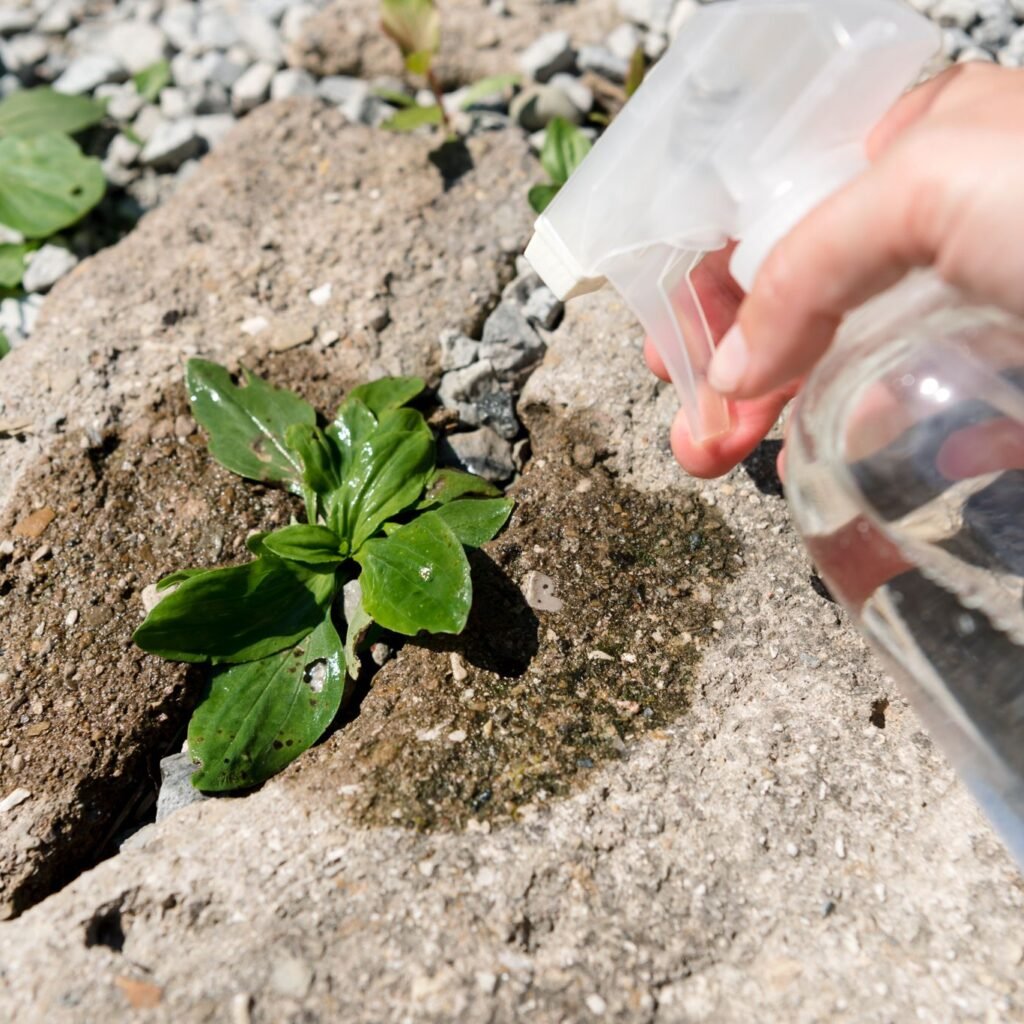
Salt dehydrates plants and disrupts their ability to absorb water. Over time, it kills weeds completely.
Ingredients:
- 1 cup of table salt or rock salt
- 2 cups of warm water
Instructions:

- Dissolve salt in warm water.
- Pour directly at the base of weeds.
- For tougher weeds, increase concentration or combine with vinegar.
Best Uses:
- Driveways, gravel paths, or areas where you want permanent weed suppression.
Caution: Salt can sterilize soil, making it difficult for anything (even desirable plants) to grow for months or years. Use only in non-garden areas.
4. Baking Soda
How It Works:
Baking soda increases salinity on leaf surfaces, burning foliage and preventing regrowth in cracks.
Instructions:
- Sprinkle baking soda directly onto damp weed leaves or cracks in sidewalks.
- Reapply every few weeks as needed.
Best Uses:
- Sidewalk cracks, brick walkways, and patios.
- Small annual weeds.
Caution: Excessive baking soda alters soil pH and harms beneficial plants. Keep away from flower beds.
5. Homemade Cornmeal Pre-Emergent
How It Works:
Corn gluten meal acts as a natural pre-emergent herbicide. It doesn’t kill existing weeds but prevents new seeds from germinating.
Ingredients:

- Corn gluten meal (available at garden supply stores or online)
Instructions:
- Sprinkle corn gluten meal over garden soil or lawn.
- Water lightly to activate.
Best Uses:
- Preventing crabgrass, dandelions, and other common lawn weeds.
- Vegetable gardens (apply early in the season before planting).
Caution: Corn gluten meal also prevents germination of desirable seeds. Use only where you won’t be sowing new plants.
6. DIY Lemon Juice Spray
How It Works:
The citric acid in lemon juice acts like vinegar, drying out plant tissues. Its acidity helps weaken even stubborn weeds.
Ingredients:
- Fresh lemon juice (or bottled, without added sugar)
- Spray bottle
Instructions:
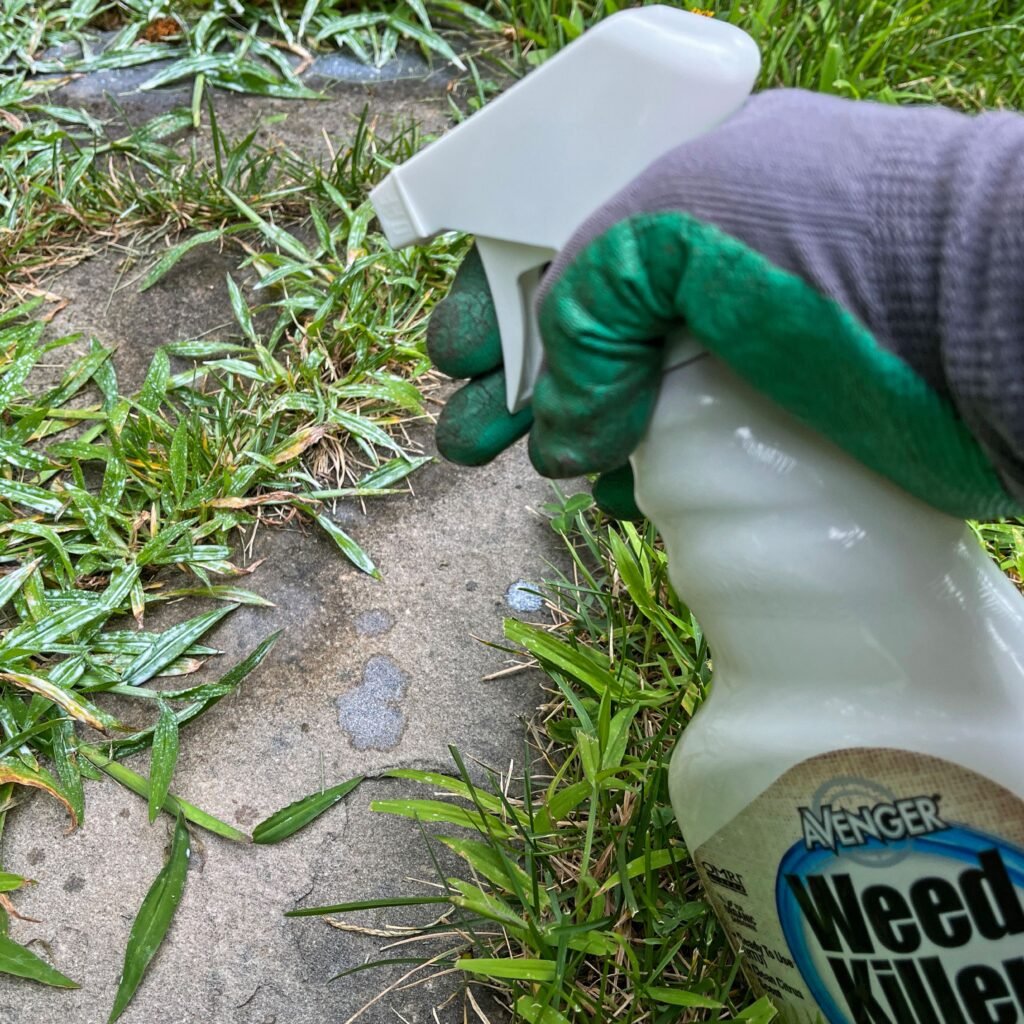
- Fill spray bottle with lemon juice.
- Spray directly on weed foliage in full sun.
- Repeat every few days until weeds wither.
Best Uses:
- Small weeds in garden beds or containers.
- Works well combined with vinegar for added strength.
Caution: Acidic sprays can harm surrounding plants. Use with precision.

Tips for Using Homemade Weed Solutions Effectively
- Target Application – Apply directly to weed foliage or roots, avoiding nearby plants.
- Choose Sunny Days – Sunlight boosts the effects of vinegar, lemon juice, and boiling water treatments.
- Act Early – Younger weeds are much easier to kill. Mature weeds with deep roots may need repeat treatments.
- Persistence Pays – Homemade remedies may require multiple applications compared to commercial herbicides.
- Combine with Physical Removal – After weeds die, pull them out to prevent regrowth.
Homemade vs. Commercial Herbicides
| Feature | Homemade Weed Solutions | Commercial Herbicides |
|---|---|---|
| Cost | Very low (kitchen staples) | Higher |
| Eco-Impact | Safer, biodegradable | Potential soil/water contamination |
| Effectiveness | Best for small-scale, young weeds | Works faster, larger infestations |
| Selectivity | Non-selective (kills any plant) | Some selective options available |
| Persistence | Requires repeat applications | Longer-lasting |
For home gardeners, homemade weed solutions provide a safer, cheaper option. For large infestations, commercial products may be necessary—but can often be reduced with consistent homemade approaches.
Preventing Weeds in the First Place
Killing weeds is only half the battle. To keep them from returning, adopt preventive measures:
- Mulching – A 2–4 inch layer blocks sunlight and suppresses germination.
- Dense Planting – Crowded, healthy plants leave no space for weeds to thrive.
- Edging and Barriers – Keep lawn grass from creeping into flower beds.
- Regular Maintenance – Weekly weeding prevents flowering and seed spread.
Homemade solutions work best as part of an overall weed management strategy that includes prevention.
Final Thoughts
Weeds may be persistent, but they don’t always require harsh chemicals to control. With simple, everyday ingredients like vinegar, salt, lemon juice, baking soda, and even boiling water, you can create six effective homemade weed solutions that actually work. Add in cornmeal for pre-emergent control, and you have a complete toolkit for tackling weeds naturally.
By applying these remedies carefully and combining them with good garden practices like mulching and regular upkeep, you’ll enjoy healthier soil, fewer weeds, and a more eco-friendly garden.
So the next time you see weeds sprouting, don’t reach for a chemical spray—head to your kitchen. The solution may already be on your shelf.

Leave A Comment