Healthy soil is the foundation of every thriving garden, but when soil becomes too dry, it can quickly stress plants and stunt their growth. Whether you’re caring for a small balcony container or a large backyard plot, understanding the signs of dry soil stress can help you intervene early and save your plants before irreversible damage occurs.
In this article, we’ll walk through six clear signs that indicate your plants are suffering from dry soil, explain why they occur, and share actionable solutions to restore soil moisture and plant vitality.
1. Wilting or Drooping Leaves
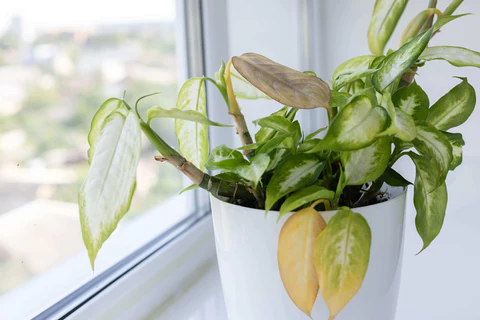
One of the earliest and most visible signs of dry soil is wilting leaves. When plants don’t have enough water, they cannot maintain turgor pressure—the internal water pressure that keeps leaves firm and upright.
- Why it happens:
Without sufficient moisture, roots cannot pull enough water to support the plant’s cells. As a result, leaves begin to droop or curl inward. - What to look for:
Leaves may appear limp during the hottest part of the day but recover in the evening. If they stay wilted even after sunset, the soil is likely severely dry. - Solution:
Water deeply to ensure moisture reaches the root zone rather than just the surface. Adding mulch around plants can also help reduce evaporation and maintain soil moisture longer.
2. Dry, Crumbly, or Cracked Soil Surface
The soil itself often tells the story before plants do. If you notice dusty, cracked, or hard soil, it’s a strong indicator that moisture is lacking.
- Why it happens:
Extended periods of sun exposure and lack of watering cause the top layer of soil to dry out, creating a crusty surface that repels water instead of absorbing it. - What to look for:
- Soil that pulls away from the edges of containers.
- Large cracks in the ground in garden beds.
- A pale, ashy appearance on the soil surface.
- Solution:
Break up hardened soil gently with a garden fork, then water slowly so the soil absorbs moisture instead of letting it run off. Consider amending soil with compost or coconut coir, which improves water retention.
3. Yellowing or Browning Leaves
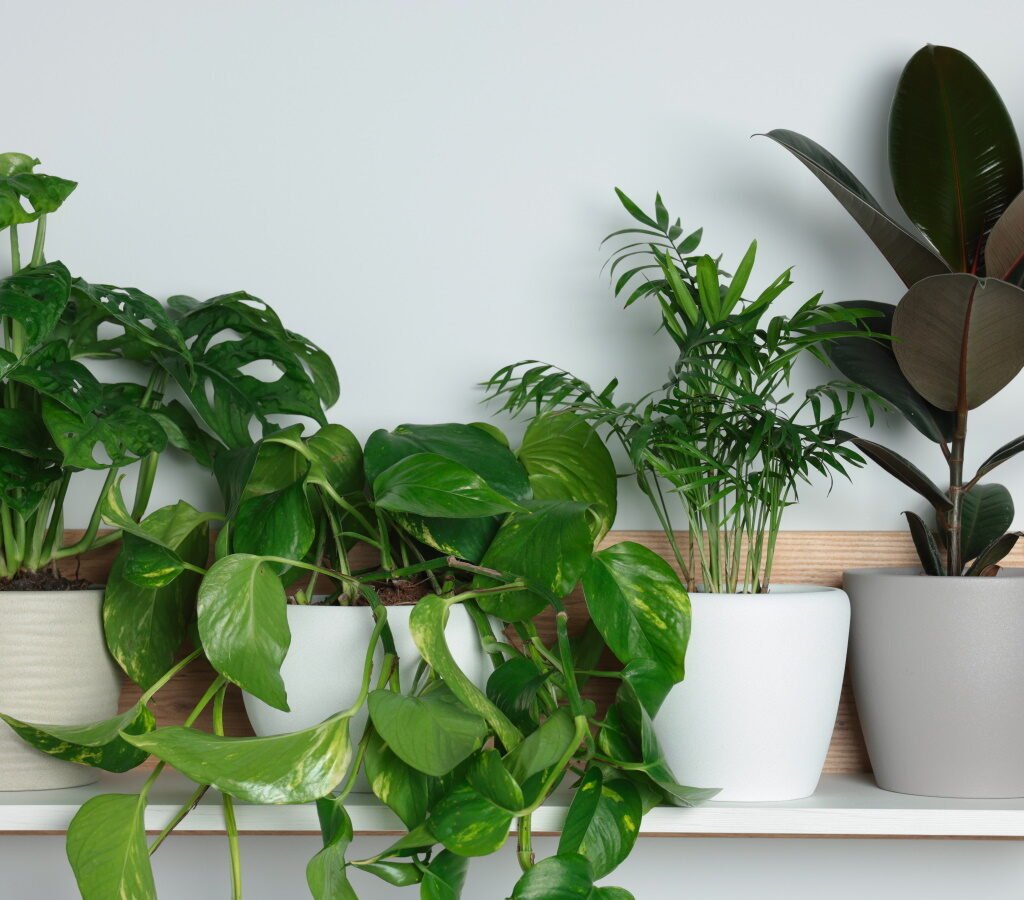
When soil is too dry, leaves may turn yellow at the edges or brown and crispy. While nutrient deficiencies can also cause discoloration, drought stress often shows up as scorched or brittle leaf tips.
- Why it happens:
With limited water, plants struggle to photosynthesize properly. The stress causes leaf cells to die, leading to visible browning and early leaf drop. - What to look for:
- Leaves that look burnt around the edges.
- Sudden yellowing of lower leaves while upper ones stay green.
- Leaves falling prematurely from the plant.
- Solution:
Apply water directly to the root zone instead of just wetting leaves. For container plants, soak pots in a tray of water for 15–20 minutes to allow the soil to rehydrate fully.
4. Stunted Growth or Poor Flowering
If your plants seem stuck—producing fewer leaves, small blossoms, or failing to fruit—dry soil may be the culprit.
- Why it happens:
When water is scarce, plants enter survival mode. Instead of channeling energy into growth or reproduction, they conserve resources just to stay alive. - What to look for:
- Plants that don’t grow taller or spread as expected.
- Flowering plants that produce small or misshapen blooms.
- Vegetable plants that fail to set fruit despite flowering.
- Solution:
Improve soil structure with organic matter such as compost or aged manure. This not only retains water but also provides nutrients plants need for robust growth. Regular, consistent watering schedules are also key—avoid cycles of overwatering and complete dryness.
5. Brittle or Weak Stems
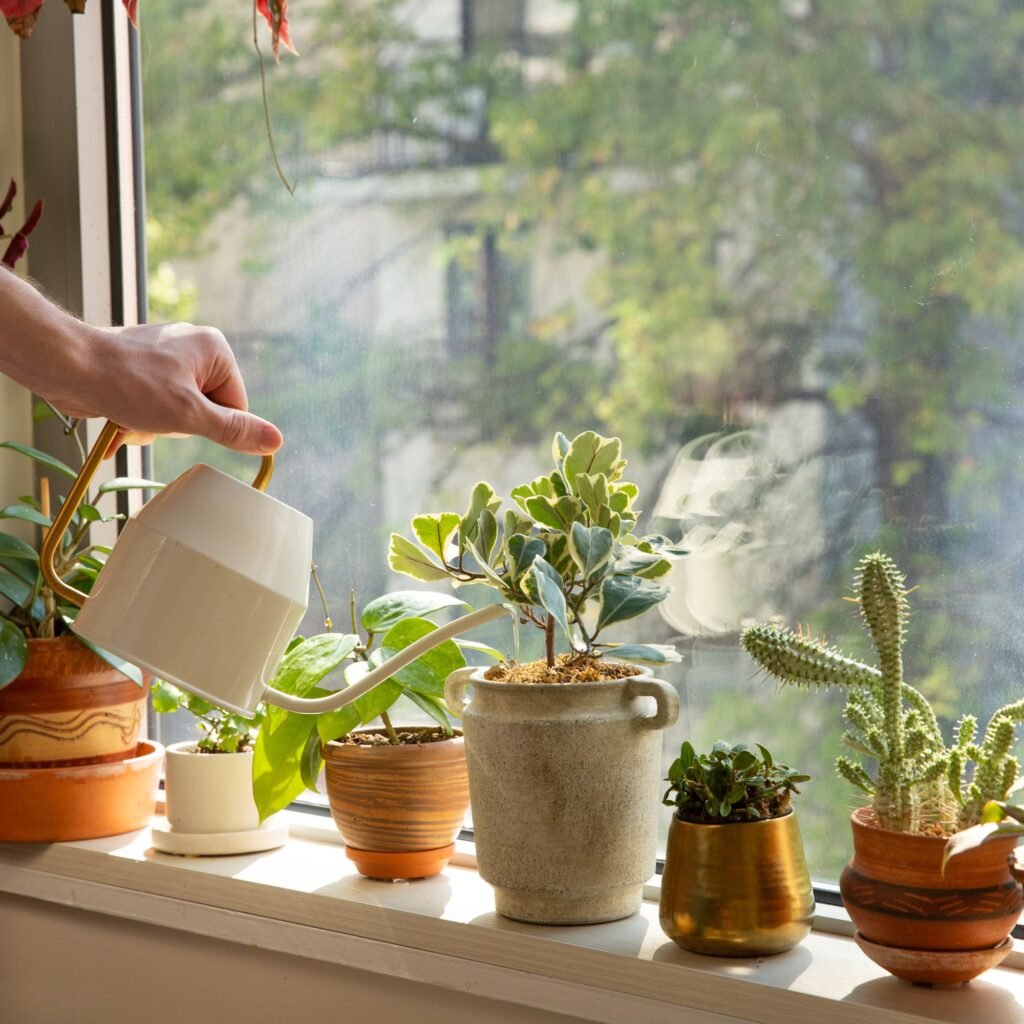
Healthy plants typically have flexible stems, but when soil is too dry, stems may become weak, thin, or even snap easily.
- Why it happens:
Without water, plants can’t transport nutrients through their vascular system effectively. This weakens structural tissues, leading to brittle stems and slowed growth. - What to look for:
- Stems that appear thin compared to normal growth.
- Plants that flop over because stems cannot support them.
- Cracks or shriveling along the stem base.
- Solution:
Provide steady hydration and protect the base of plants with mulch or ground covers. If growing in containers, make sure pots aren’t placed in direct heat that causes rapid drying.
6. Increased Pest Problems
A surprising sign of dry soil stress is a sudden increase in pests like spider mites, aphids, or whiteflies.
- Why it happens:
Stressed plants release chemical signals that attract pests. Additionally, dry conditions create an environment where pests like spider mites thrive, multiplying rapidly. - What to look for:
- Fine webbing on leaves (spider mites).
- Sticky residue (honeydew) left by aphids.
- Clusters of small insects around weakened plants.
- Solution:
Rehydrate plants and restore their natural resilience. Regular misting (for non-fungal-prone plants) can also help deter mites. Strong, hydrated plants are less likely to succumb to pest infestations.
Preventing Dry Soil Stress
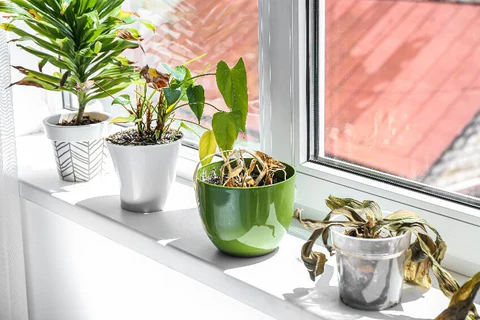
Recognizing the signs is important, but prevention is the best approach. Here are some proactive strategies:

- Mulching: Apply a 2–3 inch layer of organic mulch (wood chips, straw, or leaves) to keep soil cooler and retain moisture.
- Soil Amendments: Add compost, peat moss, or coconut coir to improve water-holding capacity.
- Deep Watering: Water less frequently but more thoroughly to encourage deeper root growth.
- Choose Drought-Tolerant Plants: If you live in a dry region, opt for species that naturally withstand dry conditions, like lavender, succulents, or ornamental grasses.
- Irrigation Systems: Use drip irrigation or soaker hoses for consistent moisture delivery.
Final Thoughts
Dry soil is one of the most common problems gardeners face, especially during hot summers or in regions with low rainfall. By recognizing the six key signs—wilting leaves, dry and cracked soil, yellowing foliage, stunted growth, brittle stems, and increased pests—you can take quick action to revive your plants and prevent long-term damage.
Remember, the health of your soil directly impacts the health of your plants. With proper care, smart watering techniques, and soil-enriching practices, you can keep your garden lush, vibrant, and resilient against dry spells.


Leave A Comment