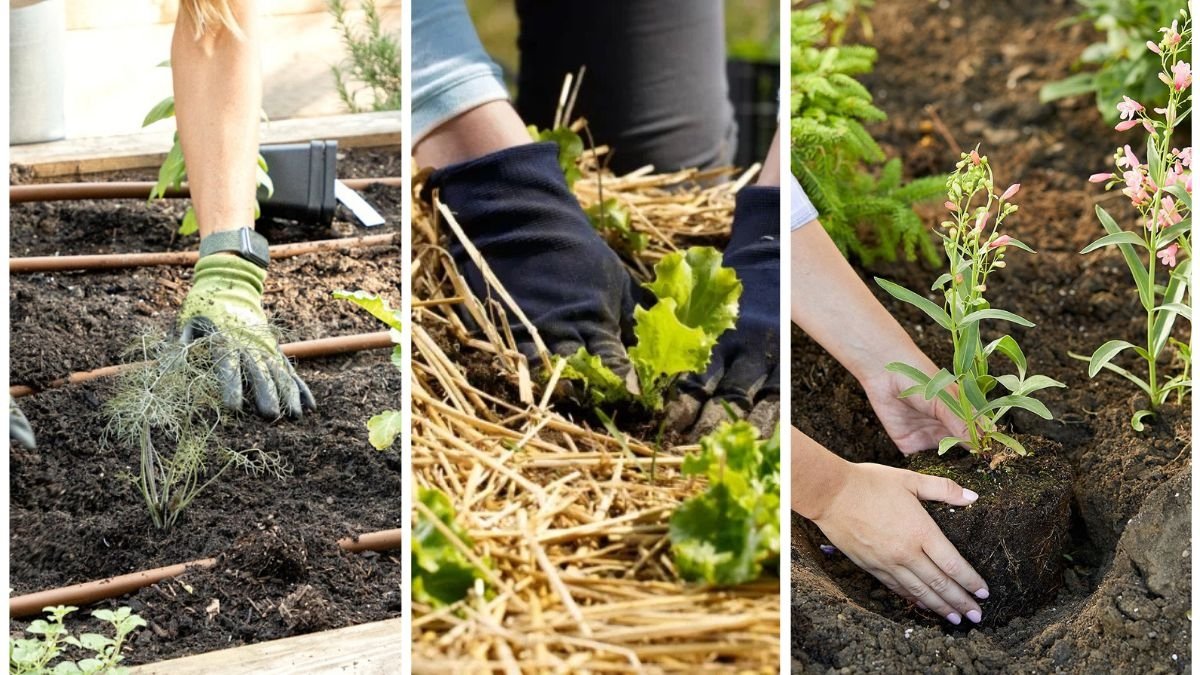
A healthy garden starts with healthy soil. Whether you’re cultivating a vibrant flower bed or growing your own vegetables, the quality of your soil plays a crucial role in plant health, yield, and overall garden vitality. Over time, even the most fertile garden beds can lose their strength and structure, leading to diminished results and frustrated gardeners. But how can you tell when it’s time to rejuvenate your garden soil?
In this article, we explore 7 clear signs that your garden beds need fresh soil, backed by scientific insights and practical gardening experience.
1. Poor Plant Growth Despite Adequate Care
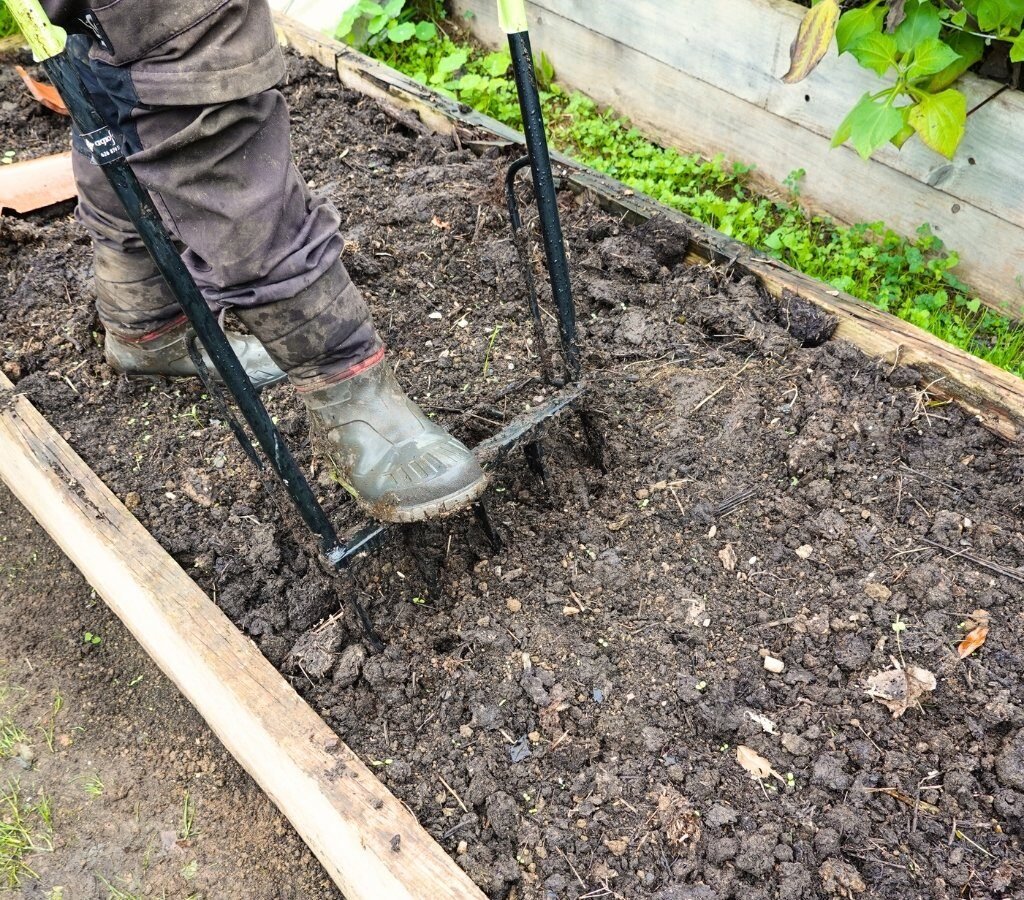
You’ve followed all the rules—watering regularly, feeding your plants, ensuring they get the right sunlight—yet your plants are still stunted, yellowing, or sparse. This is often the first and most noticeable sign that your soil is exhausted.
Why It Happens:
- Nutrient depletion: Plants continuously extract nutrients like nitrogen (N), phosphorus (P), and potassium (K) from the soil. Without replenishment, these essential elements diminish.
- Soil fatigue: Continuous cropping of the same plants (especially heavy feeders like tomatoes and corn) leads to specific nutrient exhaustion and microbial imbalance.
What to Do:
- Perform a soil test to check for NPK levels and pH.
- Consider adding a fresh layer of rich, organic soil or compost.
- Practice crop rotation or interplanting with legumes to naturally replenish nitrogen.
2. Compacted and Hard Soil Structure
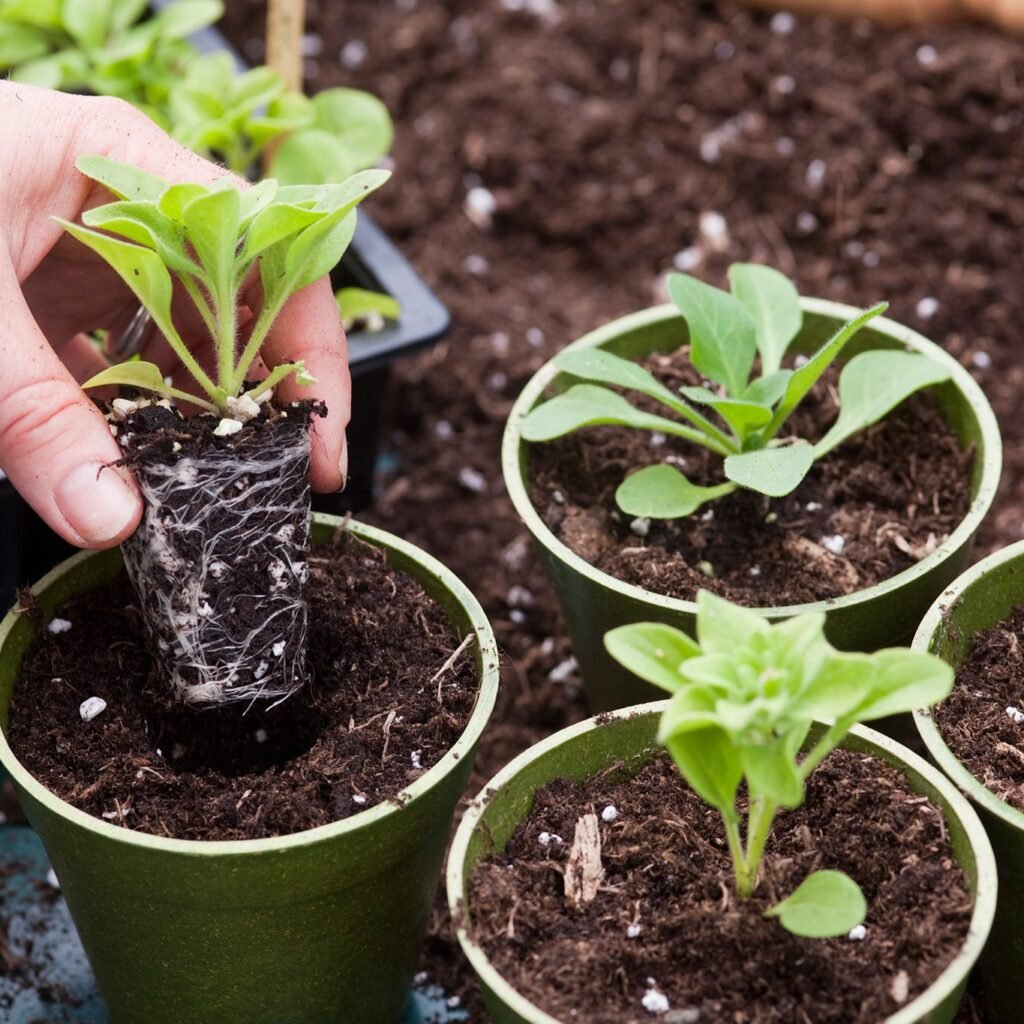
Healthy garden soil should be loose, crumbly, and well-aerated. If your soil has become hard, dense, or compacted, it’s time to take action.
Why It Happens:
- Frequent foot traffic, heavy rainfall, or over-tilling can lead to soil compaction.
- Over time, organic matter breaks down and the soil loses its structure.
Problems It Causes:
- Poor root development
- Limited oxygen availability for roots
- Increased water runoff instead of absorption
Solution:
- Add fresh, aerated soil mixed with compost or peat moss.
- Use a broadfork or garden fork to gently loosen compacted layers.
- Apply mulch to reduce compaction from rain impact.
3. Water Doesn’t Drain Properly
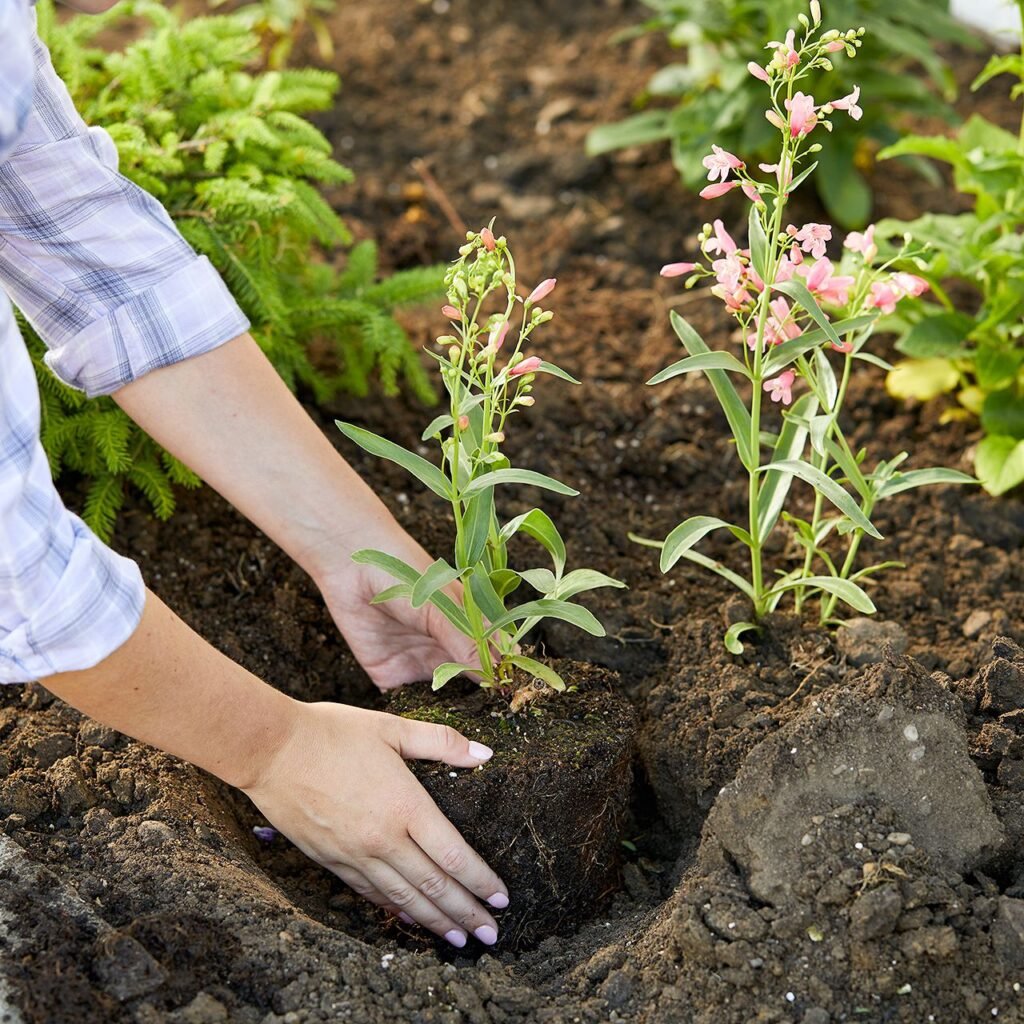
Whether your garden bed is waterlogged or dries out too quickly, drainage problems indicate an imbalance in soil texture and composition.
Signs:
- Puddles remain long after watering or rain.
- Soil feels soggy or stays too dry no matter how much you water.
- Plant roots rot or dry up inconsistently.
Why It Happens:
- Clay-heavy soil retains water and reduces drainage.
- Sandy soil drains too fast and lacks moisture retention.
- Decomposed organic matter shrinks over time, reducing water-holding capacity.
What to Do:
- Add fresh, well-balanced soil mix with equal parts sand, silt, and clay (loam).
- Mix in perlite, vermiculite, or compost to enhance drainage and water retention.
4. Unusual Increase in Weeds or Soil-Borne Pests
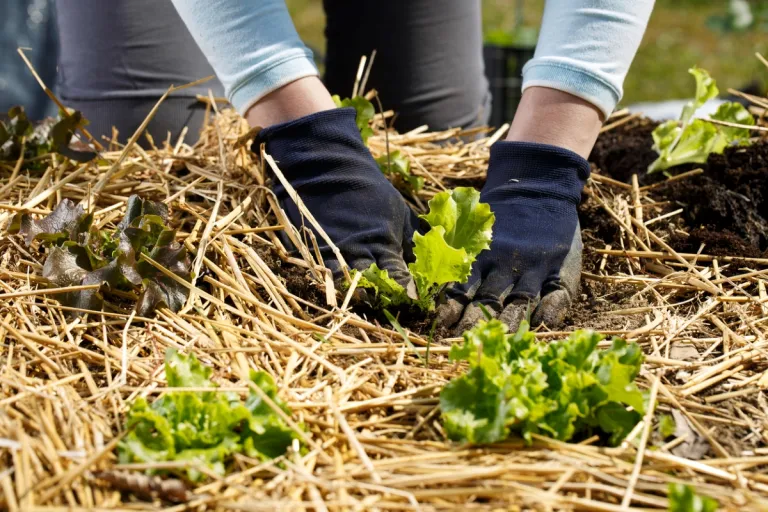
A sudden explosion of weeds or recurring soil-borne pests (like grubs, nematodes, or fungal pathogens) is a red flag.
Why It Happens:
- Poor soil health creates a weedy environment, especially when native plants are stressed.
- Old or contaminated soil harbors pathogens that affect future crops.
Common Symptoms:
- Frequent reappearance of the same weeds
- Mushy plant stems, wilting, or root rot
- Stunted or chewed seedlings
Solution:
- Remove the old soil layer (especially if disease is present).
- Add fresh, sterilized soil or topsoil mixed with compost.
- Use crop rotation, companion planting, and solarization to manage pests naturally.
5. Decline in Earthworm and Microbial Activity
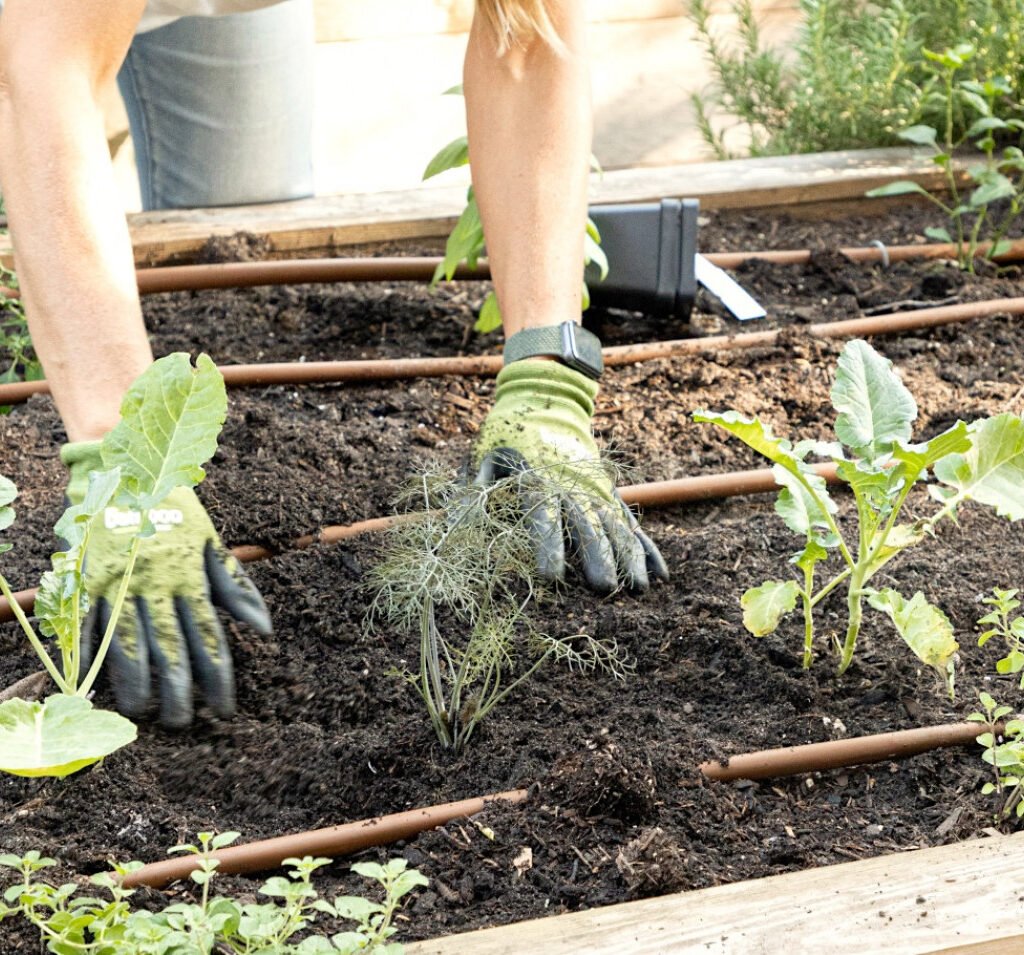
Healthy garden soil teems with life—earthworms, fungi, bacteria, and other microorganisms that break down organic matter and enrich the soil.
Warning Signs:
- Lack of visible worms when digging
- Soil smells sour or rotten rather than earthy
- Decomposition of organic material is slow or absent
Why It Happens:
- Overuse of chemical fertilizers or pesticides
- Lack of organic material to support the soil food web
- Poor aeration and drainage
Fix:
- Add fresh compost-rich soil to boost microbial diversity.
- Avoid synthetic chemicals and feed the soil with natural amendments (e.g., worm castings, leaf mold, aged manure).
6. Noticeable Salt or Fertilizer Buildup
White, crusty residue on the soil surface can indicate a buildup of salts—often caused by over-fertilizing or using hard tap water.
Consequences:
- Salt toxicity in plants
- Disrupted nutrient uptake
- Altered pH levels
How to Identify:
- Leaf tips turn brown or dry.
- Plants wilt despite moist soil.
- Soil feels crusty on top.
Remedy:
- Scrape off the top layer and replace with fresh, clean soil.
- Water deeply to flush salts out of the root zone.
- Use rainwater or distilled water if possible.
7. Soil Has Lost Volume or Appears Sunken
Over time, organic material in your garden beds naturally decomposes, which can result in a noticeable drop in soil level. If your once-raised beds now appear sunken or the soil volume has visibly reduced, it’s a sign the soil structure needs rebuilding.
Why It Happens:
- Breakdown of compost and organic matter
- Compaction from watering and time
- Erosion or wind carrying soil away
What to Do:
- Top up garden beds with fresh organic soil and compost.
- Add a layer of mulch to reduce erosion and protect new soil.
- Regularly incorporate new organic matter to keep levels stable.
When Should You Replace the Soil Completely?
In some cases, topping off or amending the soil may not be enough. You may need to replace the soil entirely if:
- The soil is infected with persistent pests or diseases.
- Drainage and compaction are severe and ongoing.
- Previous efforts to amend have had minimal results.
- You’re growing new crops that require specific soil conditions.
Best Time to Replace Garden Soil:
- Early spring: Prepares the bed before planting.
- Late fall: After harvesting and clearing dead plants.
- Replace 6–12 inches of topsoil for best results.
Sustainable Soil Management Tips
To extend the life of your garden beds and minimize the need for frequent replacement:
- Compost regularly to add organic matter.
- Use cover crops like clover or rye in the off-season.
- Rotate crops annually to prevent nutrient depletion.
- Mulch to protect soil structure and moisture levels.
- Test soil every 1–2 years to guide amendments.
Conclusion: Listen to What Your Soil Is Telling You
Your garden soil is alive—and like any living system, it needs care and attention. Ignoring the signs of declining soil health can lead to weak plants, wasted time, and poor harvests. But with regular monitoring and timely action, you can rejuvenate your garden beds and keep them fertile for seasons to come.

To summarize, if you notice:
- Stunted plant growth
- Compacted soil
- Drainage issues
- Pest or weed problems
- Poor microbial activity
- Salt build-up
- Shrinking soil levels
…it’s time to refresh your soil.
Whether you choose to replace it fully or simply amend it with rich compost and nutrients, revitalizing your soil is the first step toward a thriving, beautiful garden.


Leave A Comment