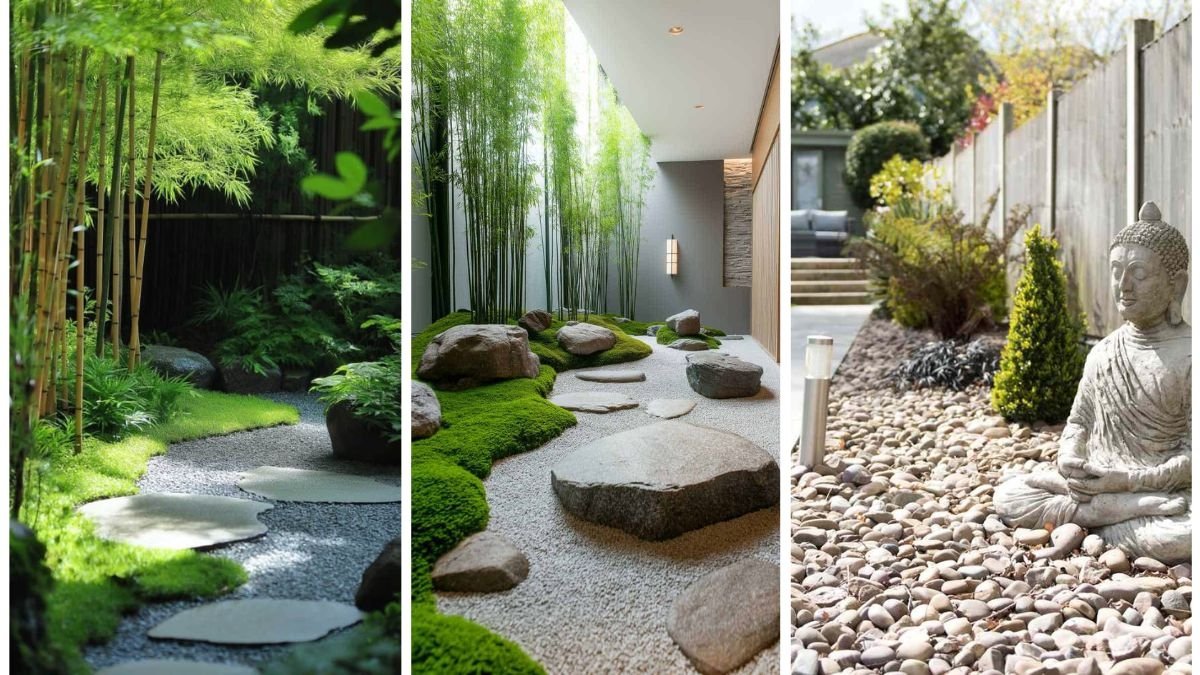
If you’ve ever walked through a Japanese Zen garden, you know the feeling—calmness, clarity, and a deep sense of peace that comes from simplicity and balance. A Zen garden, also known as a Karesansui or dry landscape garden, has been used for centuries as a tool for meditation and reflection. It combines natural elements such as rocks, gravel, sand, and carefully placed plants to symbolize harmony and tranquility.
The good news? You don’t need a temple or acres of space to create one. With some planning and creativity, you can design a Zen garden right in your backyard. Let’s explore the history, principles, and step-by-step process of building your own peaceful retreat.
The Essence of a Zen Garden
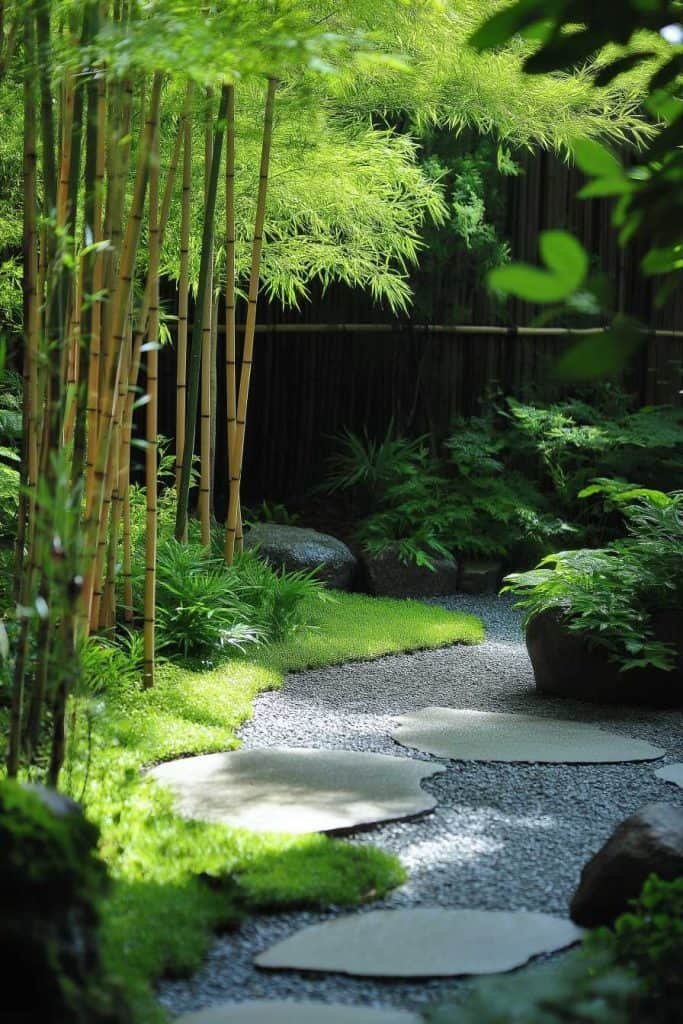
Zen gardens originated in Japan during the 14th century, inspired by Buddhist monks who sought a serene place for meditation. Unlike traditional gardens full of vibrant colors and lush greenery, Zen gardens emphasize minimalism and symbolism.
- Gravel or sand represents water or waves.
- Rocks symbolize mountains or islands.
- Plants and moss reflect the passage of time and resilience.
- Empty spaces are equally important, allowing the mind to rest.
A Zen garden isn’t just about decoration; it’s about creating a meditative space where you can step away from daily stress and reconnect with stillness.
Benefits of Having a Zen Garden
Creating a Zen garden offers more than beauty. It transforms your backyard into a sanctuary.

- Stress relief – Raking gravel or simply sitting in the space calms the mind.
- Mindfulness practice – Every element invites you to slow down and observe.
- Low maintenance – Unlike flower-heavy gardens, Zen gardens require minimal upkeep.
- Year-round appeal – Gravel, rocks, and evergreens remain attractive in all seasons.
- Aesthetic elegance – The minimalist design enhances the natural beauty of your backyard.
Planning Your Zen Garden
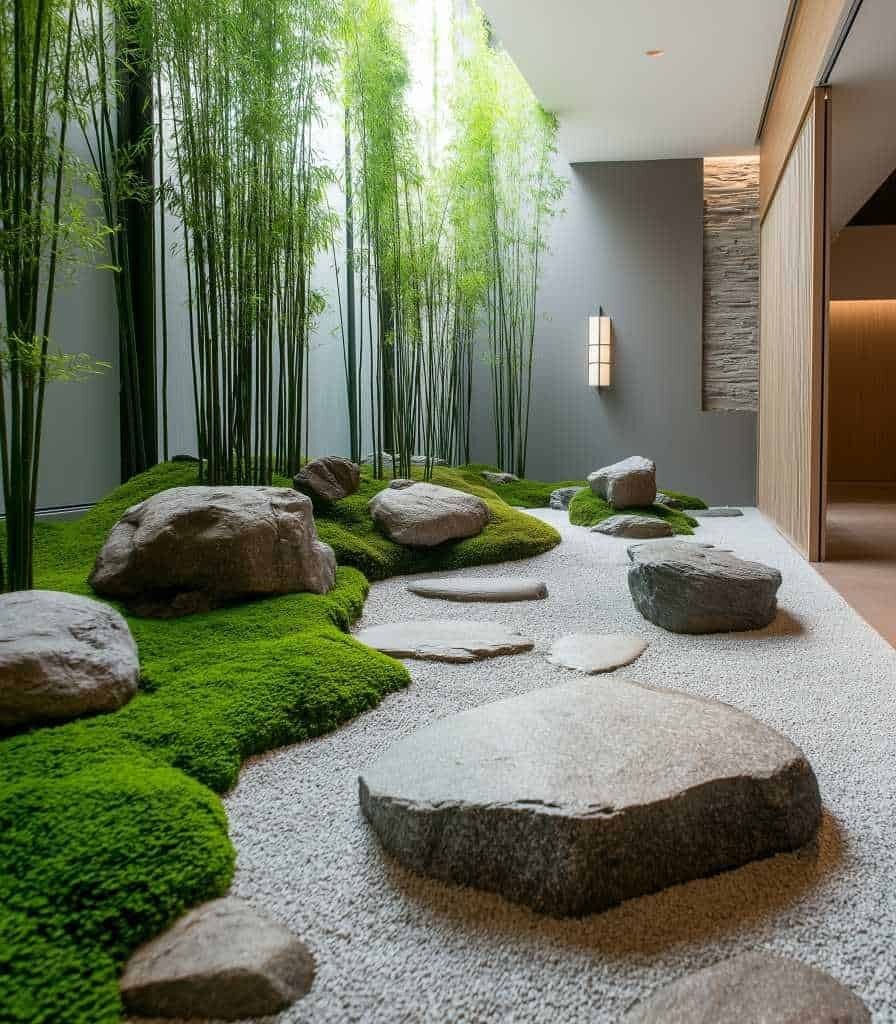
Before you pick up tools, take some time to plan. A Zen garden is about intention, so every design choice should be thoughtful.
1. Choose the Right Location
Select a quiet, private corner of your backyard. Ideally, it should be visible from your home so you can enjoy the view even indoors. Shaded areas work well, but if you prefer full sunlight, choose hardy plants that won’t require too much care.
2. Decide on the Size and Shape
A Zen garden can be large or small—some are no bigger than a tabletop, while others fill an entire yard. The key is proportion. Work with the natural layout of your space. Rectangular or oval shapes often work best, but you can adapt depending on your yard.
3. Establish a Theme or Concept
Traditional Zen gardens focus on simplicity and balance. You can design:
- Dry landscape garden (Karesansui): Mostly sand, gravel, and rocks.
- Moss garden: Minimal rocks with moss as the main plant feature.
- Courtyard Zen garden: A compact design for smaller spaces.
Essential Elements of a Zen Garden
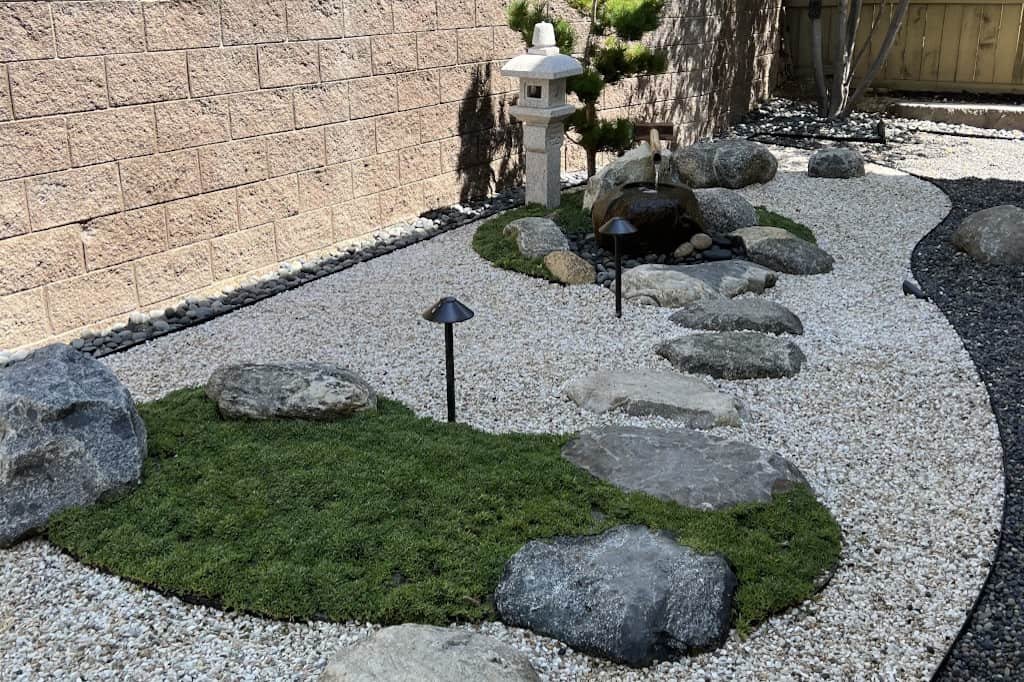
Every Zen garden includes certain features. Balancing them correctly is key to achieving harmony.

1. Sand or Gravel
The base of your Zen garden is usually white sand or fine gravel. This represents water, rivers, or waves. Raking it into circular or ripple patterns creates a soothing texture.
Tip: Choose crushed granite or pea gravel for durability.
2. Rocks and Stones
Rocks symbolize mountains, islands, or animals. Their arrangement is the most important part of design. Use both large and small stones to create balance. Odd numbers (3, 5, 7) are preferred, as they look more natural than even groupings.
3. Plants
While not essential, carefully chosen plants add softness. Use evergreens, moss, ferns, or dwarf pines. Bamboo and ornamental grasses can also enhance the natural feel. Keep plant choices minimal to maintain simplicity.
4. Water Features (Optional)
Though dry gardens are traditional, adding a small water feature like a bamboo fountain can introduce sound and movement, enhancing relaxation.

5. Pathways and Bridges
A stepping-stone path or small wooden bridge can symbolize a journey. These elements guide movement while keeping the design contemplative.
6. Ornaments
Japanese lanterns, Buddha statues, or bamboo fences can complement the space, but use sparingly to avoid clutter.
Step-by-Step Guide to Creating Your Zen Garden

Step 1: Prepare the Area
- Clear the space of weeds, grass, and debris.
- Level the soil to create an even surface.
- Consider adding a border with wooden beams, bamboo fencing, or stone edging.
Step 2: Lay the Base
- Spread a layer of landscaping fabric to prevent weeds.
- Add a few inches of sand or gravel evenly across the space.
Step 3: Arrange the Rocks
- Place large stones first, then add smaller ones.
- Follow the principle of “shizen” (naturalness)—avoid symmetry, and instead mimic nature.
- Tilt rocks slightly rather than standing them upright to make them look weathered.
Step 4: Add Plants and Moss
- Position plants in small clusters rather than scattered evenly.
- Choose slow-growing, hardy varieties to minimize care.
- Use moss around rocks to create a sense of age and permanence.
Step 5: Create Patterns in Sand or Gravel
- Use a wooden rake to draw ripples or lines around rocks.
- Change the patterns occasionally—it’s a meditative act.
- Leave some areas smooth to represent stillness.
Step 6: Incorporate Extra Features
- Add a bamboo water spout for sound.
- Place a lantern near a corner to balance the layout.
- Install a simple bench for sitting and reflecting.
Maintaining Your Zen Garden
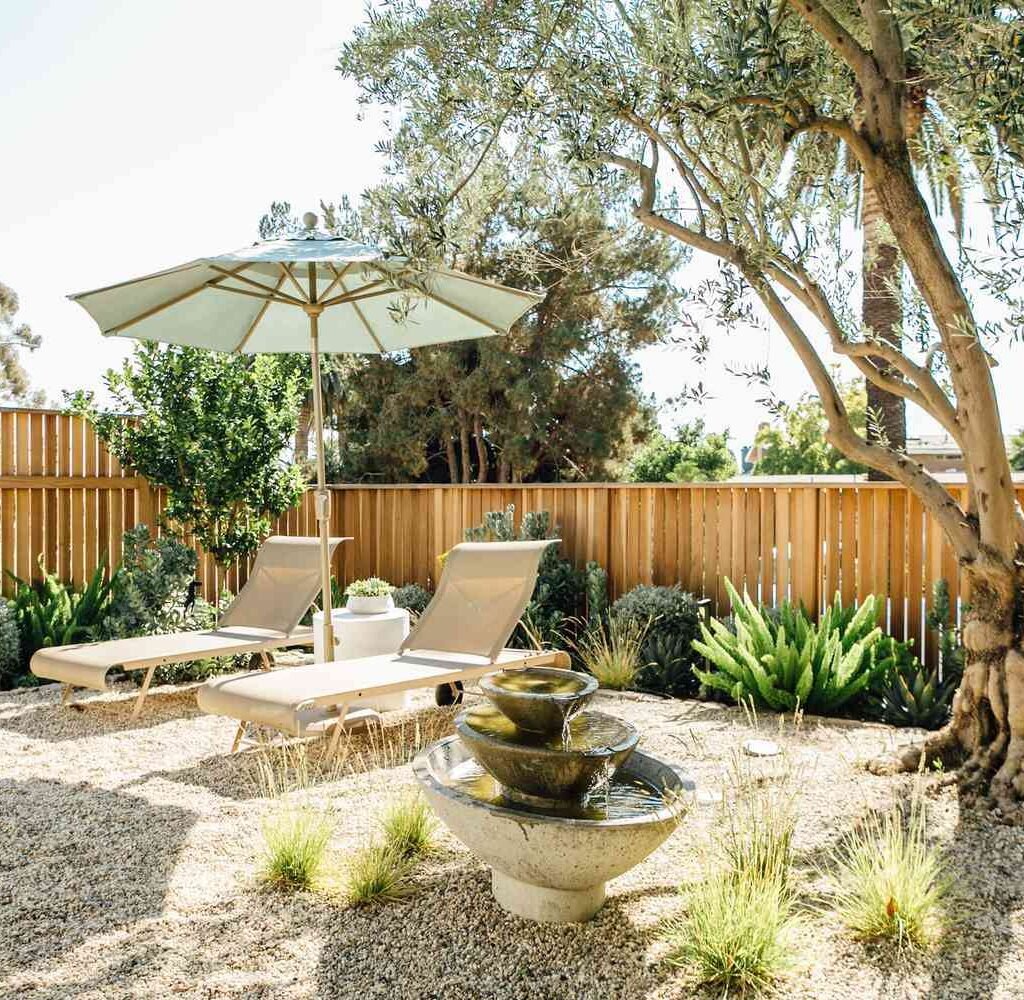
Though low-maintenance, a Zen garden does require some care.
- Rake regularly to keep gravel neat and patterns visible.
- Weed occasionally—a landscape fabric base helps reduce growth.
- Trim plants to maintain minimalism.
- Rearrange patterns when you feel the need for fresh energy.
Unlike traditional gardens, the maintenance itself is part of the Zen practice. Each action becomes a mindful ritual.
Tips for Enhancing Tranquility
- Keep it minimal: Less is more in Zen gardens. Avoid overcrowding.
- Use natural materials: Wood, stone, and bamboo enhance authenticity.
- Balance contrasts: Mix textures (rough rocks with smooth gravel, soft moss with hard stone).
- Include seating: A bench, low stool, or flat rock invites meditation.
- Consider lighting: Soft garden lanterns or solar lights extend usability at night.
Adapting Zen Gardens for Small Spaces
Even if you don’t have a large backyard, you can create a mini Zen garden on a patio, balcony, or tabletop. Use a shallow wooden box, fill it with sand or gravel, add a few stones, and use a miniature rake. These portable gardens offer the same calming benefits in a compact form.

Conclusion
A Zen garden is more than just a backyard project—it’s an invitation to slow down, breathe, and find peace in simplicity. By combining natural elements, thoughtful design, and mindful maintenance, you create not just a garden, but a living work of art.
Whether you have a sprawling yard or a small corner, your Zen garden will serve as a sanctuary where you can step away from daily chaos and reconnect with inner calm. With patience, intention, and creativity, your backyard can become a place of beauty and meditation—a true reflection of harmony with nature.

Leave A Comment