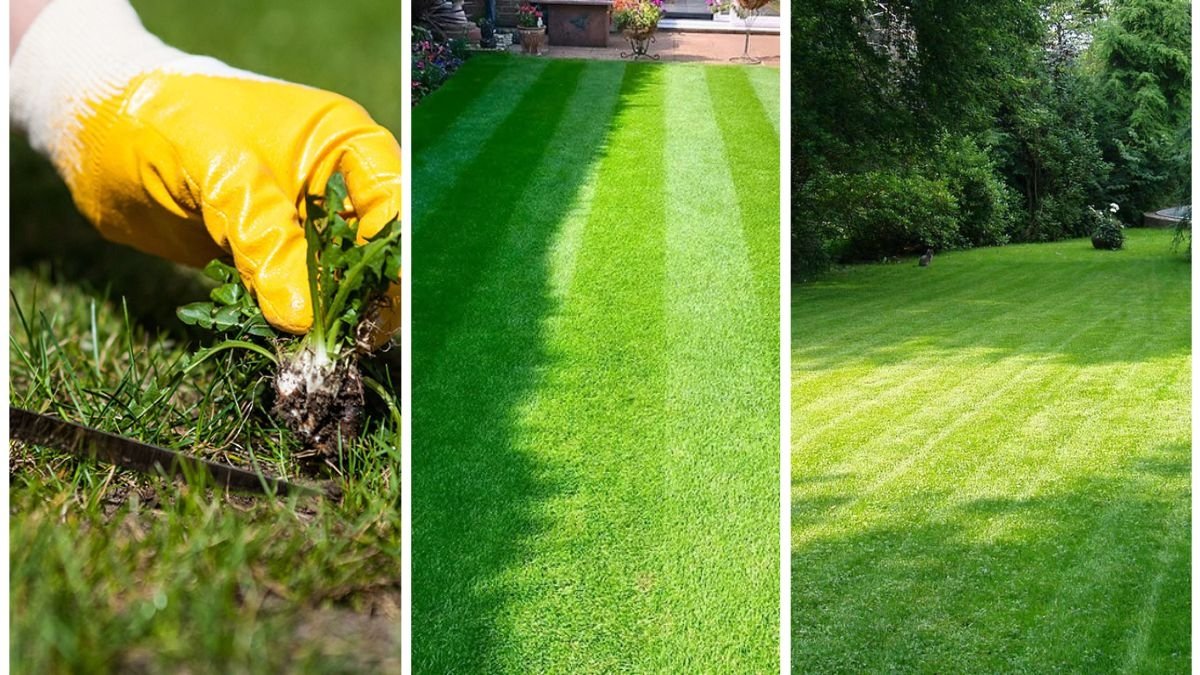
A lush, green lawn is the dream of every homeowner. Whether you’re hosting backyard barbecues, enjoying quiet evenings outdoors, or simply admiring the curb appeal of your property, the quality of your lawn plays a huge role in the overall look and feel of your outdoor space. However, over time, lawns naturally thin out, develop bare patches, or suffer from weeds, pests, and environmental stresses. Reseeding is the best way to revive your turf and restore that vibrant, carpet-like appearance.
But timing is everything when it comes to reseeding. Planting at the wrong time can waste both effort and money, while reseeding at the right time ensures optimal germination and long-lasting results. In this article, we’ll explore when to reseed your lawn for the greenest yard, the factors to consider, and practical steps to help your grass thrive.
Why Reseeding Matters

Before diving into timing, it’s important to understand why reseeding is so essential. Even the healthiest lawns can experience wear and tear due to:
- Foot traffic: Kids, pets, and outdoor activities compact soil and thin the grass.
- Weather extremes: Hot summers, harsh winters, droughts, or flooding weaken turf.
- Pests and diseases: Grubs, chinch bugs, or fungal issues damage root systems.
- Soil conditions: Poor fertility or compacted soil reduces grass growth.
Reseeding fills in bare spots, introduces newer, more resilient grass varieties, and strengthens the lawn’s ability to fight off weeds and pests. Essentially, reseeding is like giving your lawn a fresh new lease on life.

The Best Time To Reseed
1. Cool-Season Grasses: Early Fall (Late August–October)
If you live in regions where cool-season grasses like Kentucky bluegrass, fescue, or perennial ryegrass are common (such as the northern U.S., Canada, or parts of Europe), the best time to reseed is early fall.
Why?
- Soil temperatures are still warm from summer, encouraging fast germination.
- Air temperatures are cooler, reducing stress on new seedlings.
- Fall rains provide consistent moisture without the scorching heat of summer.
- Weeds like crabgrass die back in cooler weather, giving seedlings less competition.
Reseeding in fall allows grass roots to establish before winter dormancy. Come spring, your lawn will green up quickly and appear thicker and healthier.
2. Cool-Season Grasses: Early Spring (March–April)
If you missed the fall window, early spring is the second-best time to reseed. However, keep in mind:

- Germination may be slower due to cold soil.
- Young seedlings may struggle when summer heat arrives.
- More weed competition in spring can reduce success rates.
Spring reseeding works best when combined with proper watering, soil preparation, and pre-emergent weed control.
3. Warm-Season Grasses: Late Spring–Early Summer (April–June)
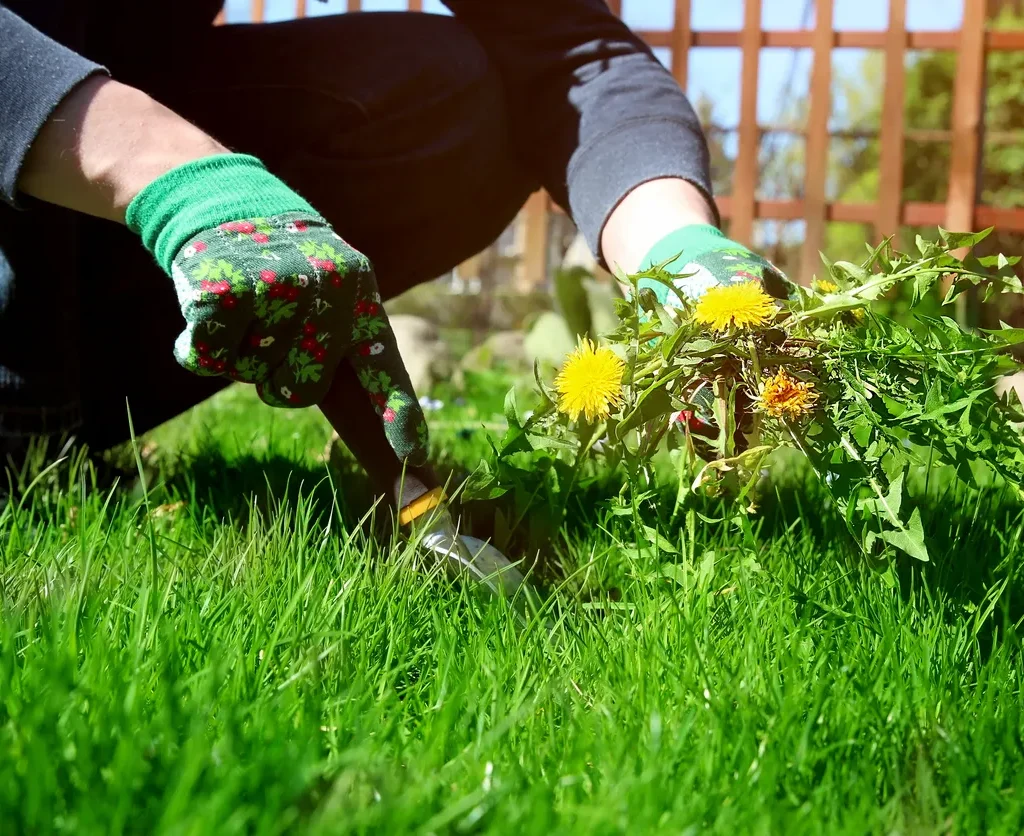
In warmer regions where warm-season grasses dominate (like Bermuda, Zoysia, or Bahia in the southern U.S. and tropical climates), the best reseeding time is late spring to early summer.
Why?
- Warm soil promotes rapid germination.
- Long days and plenty of sunlight encourage growth.
- Grass has an entire summer to develop strong roots before winter.
Key Factors To Consider When Reseeding
Timing is important, but there are other factors that determine reseeding success:

1. Soil Temperature
Grass seeds germinate best when soil temperatures range between 50–70°F (10–21°C) for cool-season grasses and 65–85°F (18–29°C) for warm-season grasses. Use a soil thermometer for accuracy.
2. Moisture Levels
Consistent moisture is critical for germination. If your area is experiencing drought or irregular rainfall, plan reseeding during a season when you can reliably water your lawn.
3. Weed Pressure
Fall is naturally less weedy than spring. If your lawn struggles with weeds, reseeding in autumn reduces competition and increases success.
4. Local Climate
Microclimates matter. Coastal areas may have milder falls, while inland areas cool faster. Adjust your timing based on your specific weather conditions.

Step-By-Step Guide To Successful Reseeding
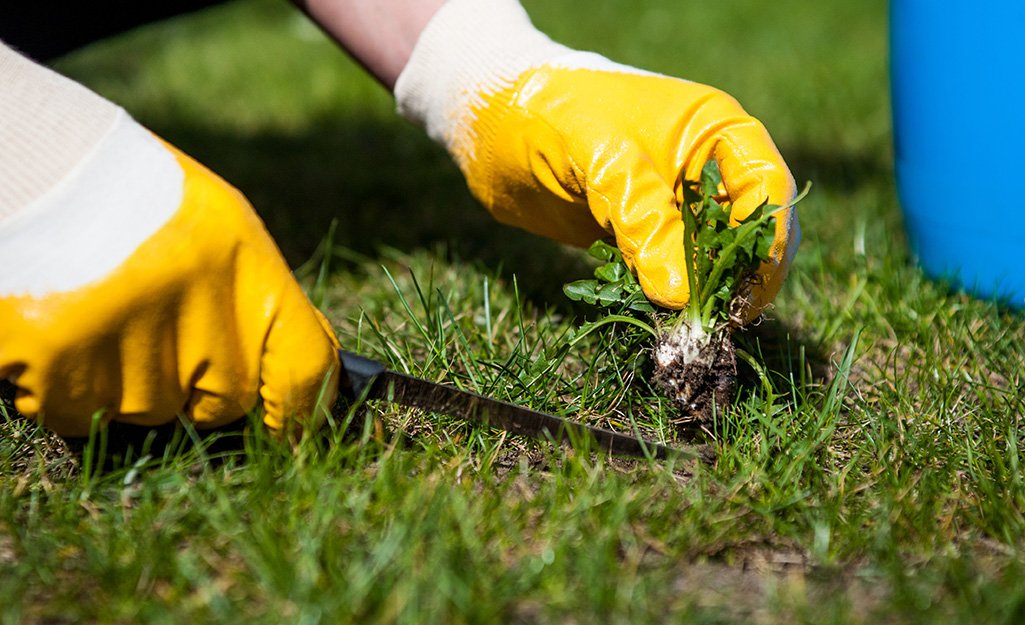
Step 1: Prepare the Lawn
- Mow low: Cut the grass shorter than usual (around 2 inches) to expose soil.
- Remove debris: Rake away leaves, dead grass, or thatch.
- Loosen soil: Use an aerator to reduce compaction and improve seed-to-soil contact.
Step 2: Test and Improve Soil
- Perform a soil test to check pH and nutrient levels.
- Add lime if soil is too acidic or sulfur if it’s too alkaline.
- Apply compost or topsoil to improve fertility and drainage.
Step 3: Choose the Right Grass Seed
- Select a grass seed blend suited to your region (cool- vs. warm-season).
- For shady areas, choose shade-tolerant mixes.
- Look for disease-resistant and drought-tolerant varieties.
Step 4: Spread the Seed
- Use a broadcast spreader for even coverage.
- Aim for 4–8 pounds per 1,000 sq. ft., depending on seed type.
- Lightly rake to cover seeds with a thin layer of soil.
Step 5: Fertilize and Water
- Apply a starter fertilizer high in phosphorus for root growth.
- Water lightly but frequently (2–3 times per day) until seedlings sprout.
- Once grass reaches 2 inches, reduce watering to deeper, less frequent sessions.
Step 6: Maintain New Growth
- Avoid mowing until grass is at least 3–4 inches tall.
- Keep foot traffic to a minimum until turf is established.
- Continue fertilizing in fall or spring to strengthen roots.
Common Mistakes To Avoid

- Planting at the wrong time: Seeds won’t germinate if soil is too cold or too hot.
- Overwatering or underwatering: Both extremes can kill seedlings.
- Skipping soil prep: Seeds on compacted soil won’t take root.
- Using the wrong grass seed: Not all grasses thrive in all climates.
- Neglecting follow-up care: Fertilizing and proper mowing are essential.
Benefits of Reseeding at the Right Time
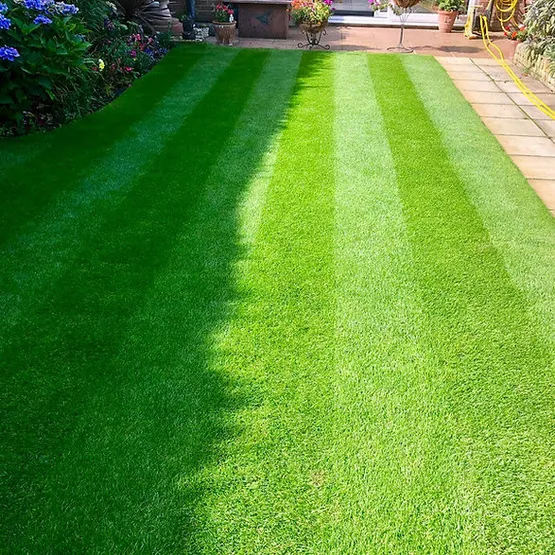
When you reseed at the right time of year, you’ll enjoy:
- A denser, greener lawn.
- Fewer weeds due to thick turf coverage.
- Stronger root systems for drought and heat resistance.
- Increased property value and curb appeal.
- A healthier environment for outdoor living.
Final Thoughts
Reseeding your lawn isn’t just about spreading seed randomly—it’s about timing, preparation, and care. For the greenest yard possible, aim to reseed in early fall for cool-season grasses and late spring for warm-season varieties. By considering soil conditions, local climate, and lawn needs, you’ll set your grass up for long-term success.
A little planning now pays off with a thick, vibrant lawn that you’ll enjoy year after year.

Leave A Comment