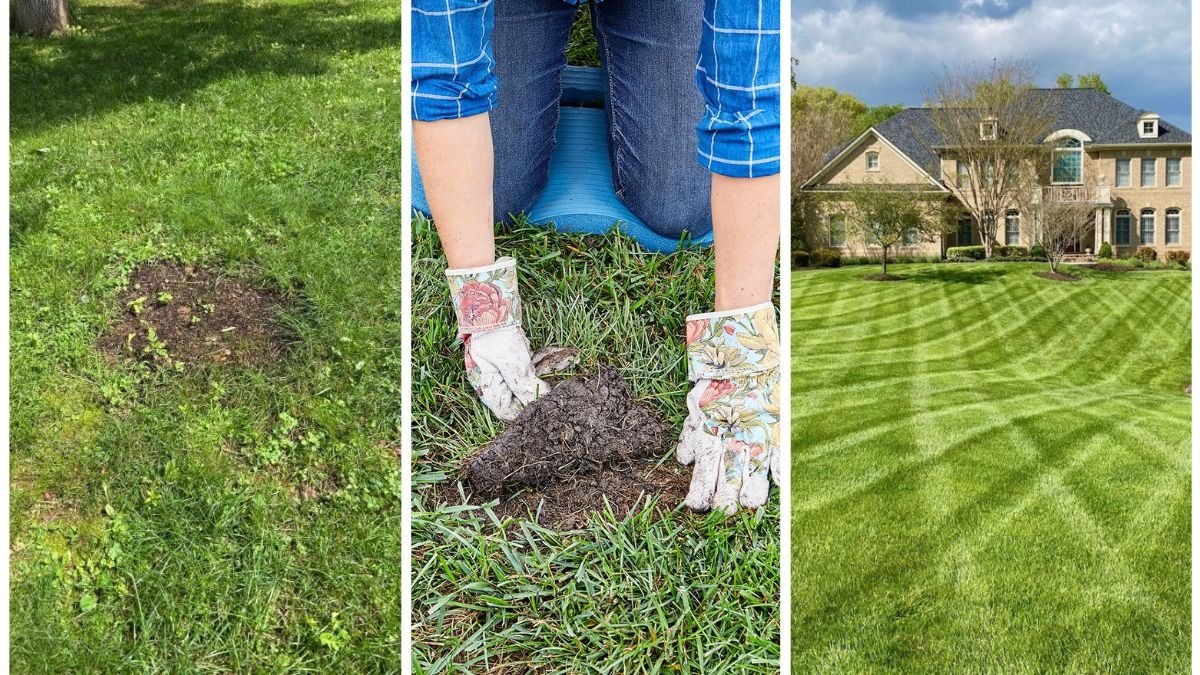
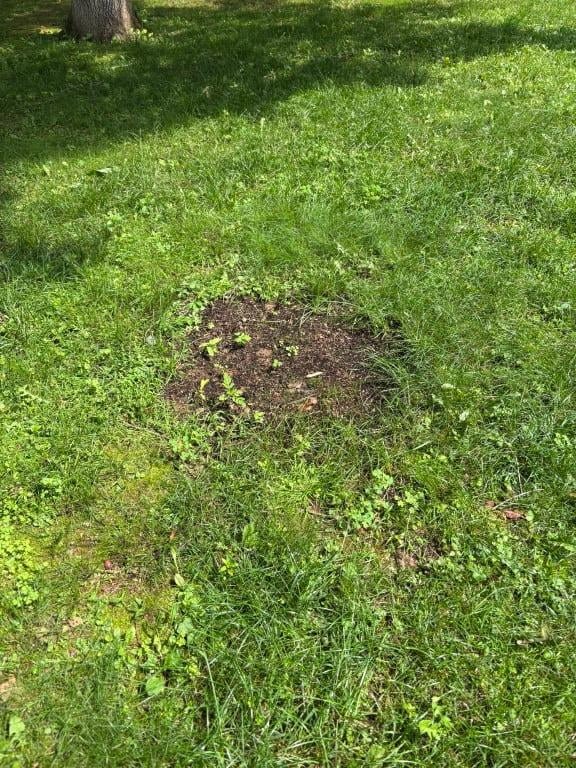
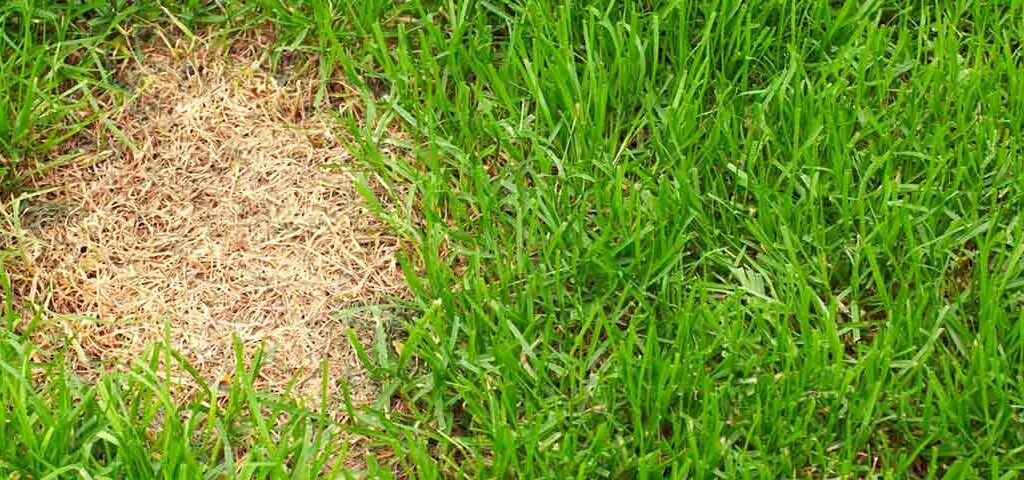
A thick, lush lawn is one of the hallmarks of a beautiful home landscape. Yet even the most well-maintained lawns can develop bare or thin spots. These patches might appear after a hot, dry summer, from heavy foot traffic, pest infestations, or simply the natural aging of grass. Left untreated, bare spots not only look unattractive but also invite weeds and erosion to take hold.
The good news? Fall is the best time to overseed bare lawn spots. With its mild temperatures, warm soil, and reduced weed competition, autumn offers the perfect conditions for new grass seed to take root and thrive. In this article, we’ll explore why fall overseeding is so effective, the step-by-step process to achieve a smooth, green lawn, and common mistakes to avoid.
Why Overseeding Bare Spots Matters
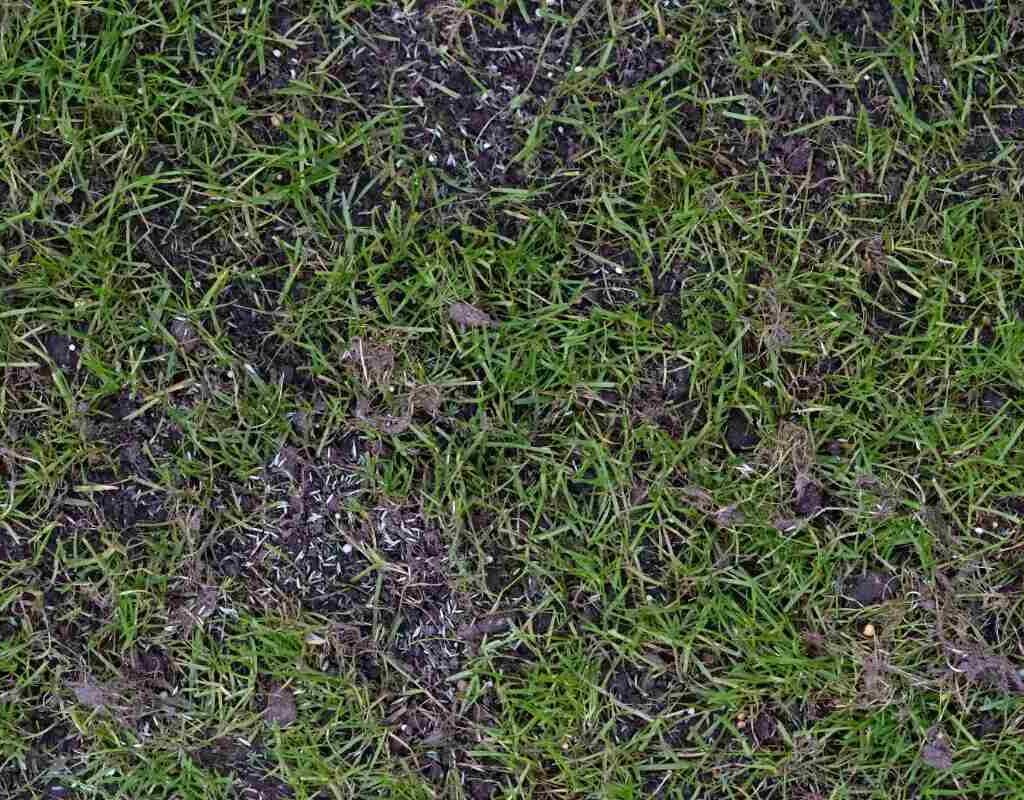
Overseeding is the process of spreading grass seed over an existing lawn without tearing up the turf. This method works especially well for patching bare spots because:
- It restores density – Filling in bare patches prevents weed seeds from finding open soil to germinate.
- It improves appearance – Overseeding creates a uniform, carpet-like lawn rather than a patchy one.
- It enhances lawn health – New grass varieties often have better resistance to drought, pests, and diseases.
- It extends lawn longevity – Adding new seedlings rejuvenates older grass, giving your yard renewed vigor.
If your lawn looks tired or spotty after summer stress, fall overseeding ensures it bounces back beautifully by spring.

Why Fall Is the Best Season for Overseeding

Although overseeding can technically be done in spring or summer, fall is the prime time, especially for cool-season grasses like Kentucky bluegrass, fescue, and ryegrass. Here’s why:
- Warm soil, cool air: Grass seeds germinate quickly when soil temperatures stay between 50–70°F (10–21°C), conditions common in early fall.
- Reduced weed competition: Summer weeds like crabgrass begin dying back, leaving less competition for seedlings.
- Moisture levels: Autumn rains provide natural irrigation, helping seedlings establish strong roots.
- Extended growing season: Grass roots continue to develop well into late fall, preparing lawns for winter dormancy and a lush spring comeback.
Warm-season lawns in southern regions may benefit from late spring overseeding instead, but for most temperate climates, fall remains the gold standard.
Step-By-Step Guide: How To Overseed Bare Lawn Spots This Fall
Step 1: Identify and Prepare Bare Spots
- Mark the problem areas: Walk your lawn and note where the turf is sparse or missing.
- Mow low: Cut the surrounding grass shorter than usual (around 2 inches) to expose more soil.
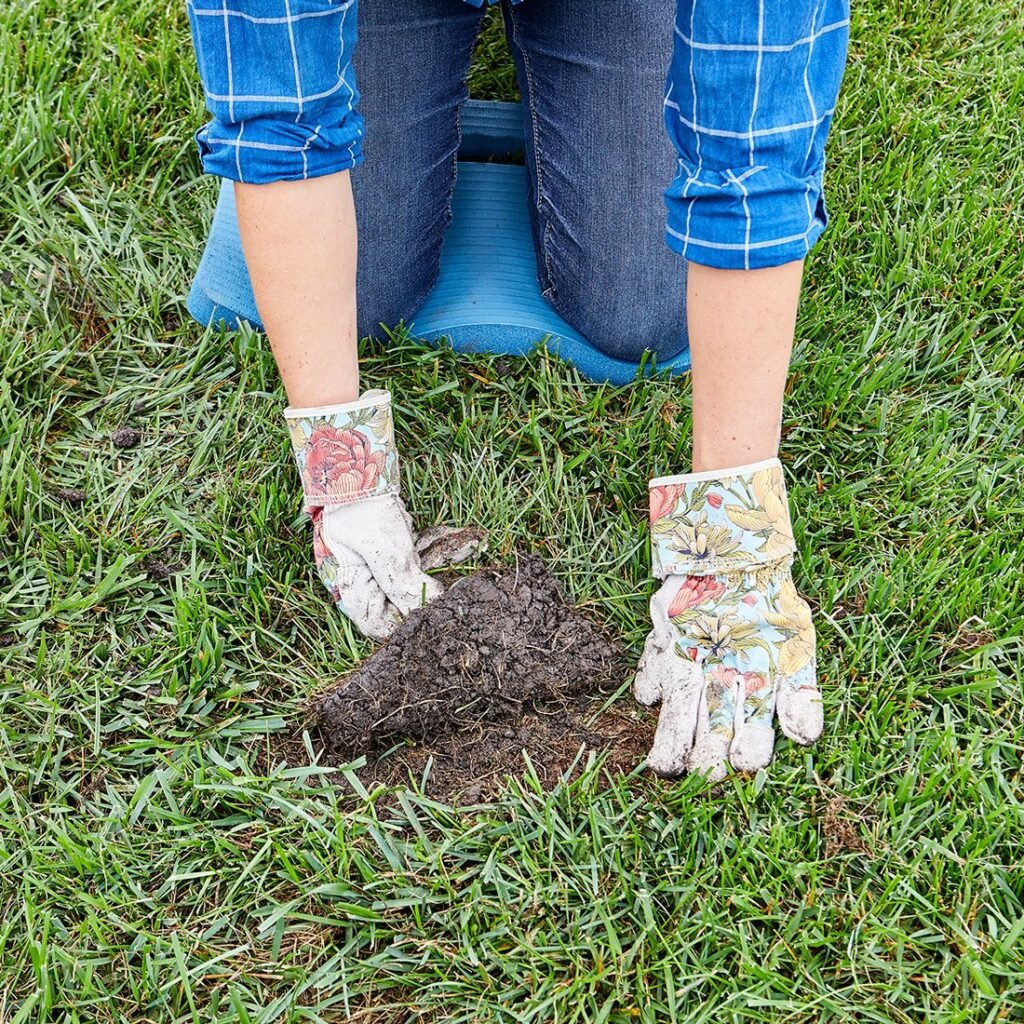
- Clear debris: Rake away dead grass, leaves, thatch, or loose soil to create a clean planting area.
Tip: Overseeding directly on compacted soil won’t work. Loosen the top layer with a rake or garden fork so seeds can penetrate.
Step 2: Test and Amend the Soil
- Check soil pH: Grass grows best in soil with a pH between 6.0 and 7.0. Test kits are inexpensive and easy to use.
- Add nutrients: Spread compost or a thin layer of enriched topsoil over bare spots to improve fertility and drainage.
- Correct deficiencies: Apply lime if soil is too acidic, or sulfur if too alkaline.
Healthy soil is the foundation of successful overseeding—don’t skip this step.

Step 3: Choose the Right Grass Seed
Not all grasses are created equal. Choose seed varieties based on:
- Climate: Cool-season grasses (fescues, ryegrass, bluegrass) thrive in northern climates; warm-season grasses (Bermuda, Zoysia, Bahia) suit southern regions.
- Sun exposure: Some blends are shade-tolerant, while others need full sun.
- Durability: High-traffic areas benefit from resilient ryegrass, while ornamental lawns may favor finer fescues.
Opt for high-quality seed blends labeled as “certified” or “premium.” Avoid cheap mixes with weed seeds or fillers.
Step 4: Spread Grass Seed Evenly
- Hand-seeding for small patches: Scatter seed evenly over bare spots, aiming for recommended coverage (usually 4–8 pounds per 1,000 sq. ft.).
- Broadcast spreader for larger areas: This tool ensures uniform distribution and avoids clumps.
- Lightly rake: Gently rake seeded areas to mix seeds into the top ¼ inch of soil for better soil contact.
Step 5: Fertilize for Growth
- Use a starter fertilizer high in phosphorus to encourage root development.
- Avoid high-nitrogen fertilizers immediately, as they promote leaf growth over root strength.
- Apply according to package instructions to prevent over-fertilization.
Step 6: Water Wisely
- First two weeks: Keep soil consistently moist by watering lightly 2–3 times daily.
- After germination: Reduce to deeper, less frequent watering (2–3 times weekly) to encourage strong root growth.
- Avoid puddles: Overwatering can wash away seeds or cause fungal issues.
Tip: Early morning watering is best to reduce evaporation and fungal risks.
Step 7: Protect and Maintain Seedlings
- Limit foot traffic: Keep kids, pets, and heavy equipment off overseeded spots until grass is established.
- Mow at the right time: Wait until new grass reaches at least 3–4 inches before mowing. Use sharp blades to avoid pulling seedlings.
- Feed in late fall: Apply a balanced slow-release fertilizer in late fall to strengthen grass before winter.
Common Mistakes To Avoid
- Skipping soil prep – Tossing seed on compacted soil rarely works.
- Using the wrong seed – Shade mixes won’t thrive in full sun, and vice versa.
- Neglecting watering – Seeds need consistent moisture to sprout.
- Mowing too soon – Cutting seedlings before they’re strong enough can uproot them.
- Ignoring weeds – Overseeding into a weed-infested lawn reduces germination rates.
The Benefits of Overseeding This Fall
When done correctly, overseeding bare spots in fall leads to:

- A thicker, greener lawn by spring.
- Stronger root systems to withstand winter stress.
- Fewer weeds due to dense turf coverage.
- Improved soil health from organic amendments and added compost.
- Long-term savings by reducing the need for weed control and turf replacement.
FAQs About Fall Overseeding
1. How long does it take for overseeded grass to grow?
Most cool-season grasses germinate within 7–14 days, but full establishment can take 6–8 weeks.
2. Should I use straw or mulch to cover seeds?
Yes, a light layer of straw helps retain moisture and protect seeds from birds. Just ensure it’s not too thick to block sunlight.
3. Can I overseed and fertilize at the same time?
Yes, using a starter fertilizer alongside overseeding is recommended.
4. Do I need to aerate before overseeding?
Aeration is helpful for large lawns with compacted soil but may not be necessary for small bare spots.

Final Thoughts
Reseeding bare lawn spots might seem like a small task, but doing it at the right time and with the right approach makes all the difference. Fall provides ideal conditions for new seedlings to germinate, establish strong roots, and prepare for winter dormancy. By following the steps—preparing the soil, choosing the right seed, fertilizing, and maintaining proper watering—you’ll be rewarded with a smooth, lush, and weed-resistant lawn by spring.
Overseeding is truly the secret to reviving tired lawns and keeping your yard vibrant year-round. So grab your rake, spreader, and watering can—this fall, it’s time to bring those bare spots back to life.

Leave A Comment