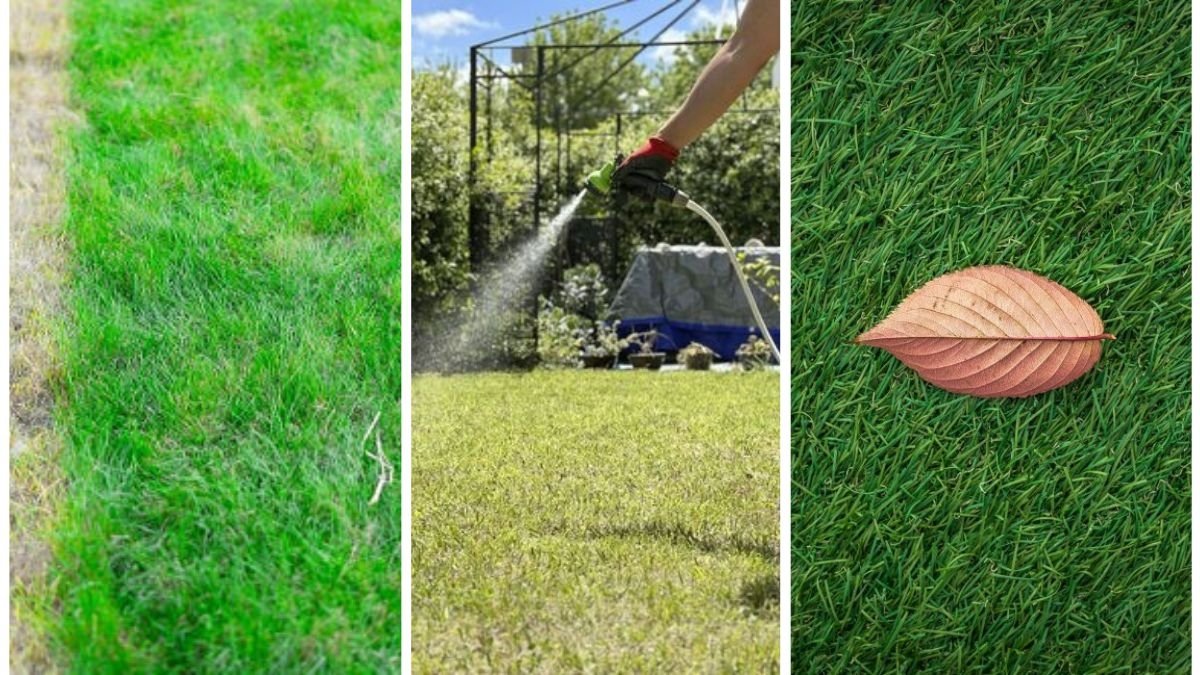
As summer fades and September arrives, many homeowners breathe a sigh of relief. The sweltering heat begins to taper off, and cooler evenings make spending time outdoors much more enjoyable. But while you might think your lawn requires less care at this time of year, September is actually one of the most critical months for lawn maintenance. The way you treat your lawn now sets the stage for how healthy, lush, and green it will look next spring.
Unfortunately, September is also a month when many homeowners unknowingly make mistakes that can harm their grass in the long term. From improper mowing to neglecting soil care, these oversights can undo the hard work you put in during spring and summer.
To help you protect your investment and ensure a healthy lawn year-round, let’s explore five common lawn mistakes to avoid in September, along with practical tips for doing things the right way.
1. Mowing Too Short (Scalping the Lawn)

One of the biggest mistakes people make in September is cutting the grass too short. Many assume that mowing low will reduce the number of times they’ll need to mow, but this approach can severely stress your grass.

Why It’s a Problem:
- Short grass blades expose the soil to more sunlight, drying it out faster.
- Scalped grass weakens root systems, making it harder for turf to absorb nutrients before winter.
- Exposed soil invites weeds to germinate and spread.
What To Do Instead:
- Raise your mower height to around 2.5–3 inches for cool-season grasses (like fescue, rye, and bluegrass).
- Leave clippings on the lawn (mulching) to act as natural fertilizer.
- Avoid cutting more than one-third of the grass blade at a time to minimize stress.
Pro Tip: Taller grass in fall shades the soil, helping retain moisture and protect delicate new seedlings if you’ve overseeded.
2. Ignoring Fall Fertilization
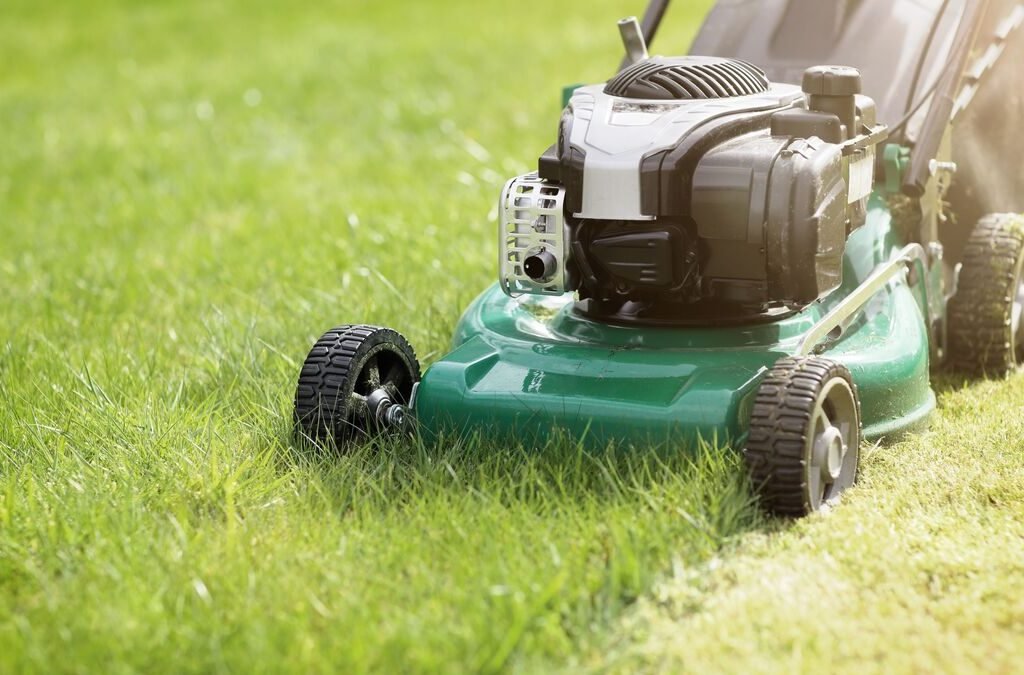
Many homeowners think fertilization is a spring or summer task and skip it once September rolls around. This is a missed opportunity, because fall fertilization is one of the best things you can do for your lawn.
Why It’s a Problem:
- Grass roots are actively growing in September, even if top growth slows. Without proper nutrition, they won’t store enough energy to survive winter.
- Skipping fertilizer now often leads to thin, patchy grass and more weeds next spring.
What To Do Instead:
- Apply a slow-release fertilizer high in nitrogen to encourage root growth and blade density.
- Consider a “winterizer” fertilizer blend that strengthens grass before dormancy.
- Time your application for early to mid-September for best results.
Pro Tip: Water your lawn lightly after applying fertilizer to help nutrients soak into the soil.
3. Neglecting Aeration and Overseeding
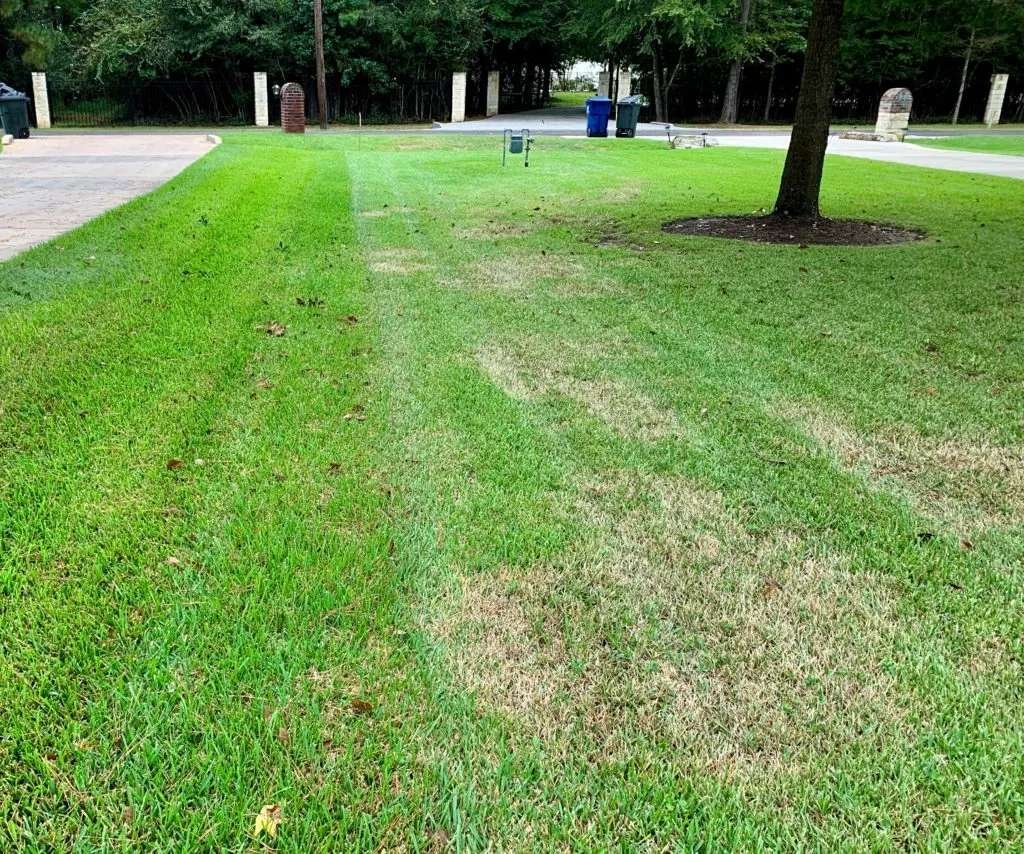
September is prime time for aerating and overseeding, but many homeowners skip this step entirely, assuming it’s unnecessary. Over time, soil naturally becomes compacted, and overseeding helps fill bare spots before weeds take over.

Why It’s a Problem:
- Compacted soil prevents water, oxygen, and nutrients from reaching the roots.
- Thin lawns without overseeding create open spaces where weeds thrive.
- Waiting until spring to overseed often results in weaker seedlings due to summer heat.
What To Do Instead:
- Aerate the lawn in early September using a core aerator to loosen compacted soil.
- Spread high-quality grass seed over the aerated areas, focusing on thin or bare patches.
- Follow up with light watering to keep the soil consistently moist until seedlings establish.
Pro Tip: Overseeding with improved grass varieties can make your lawn more drought- and disease-resistant in future seasons.
4. Watering Incorrectly
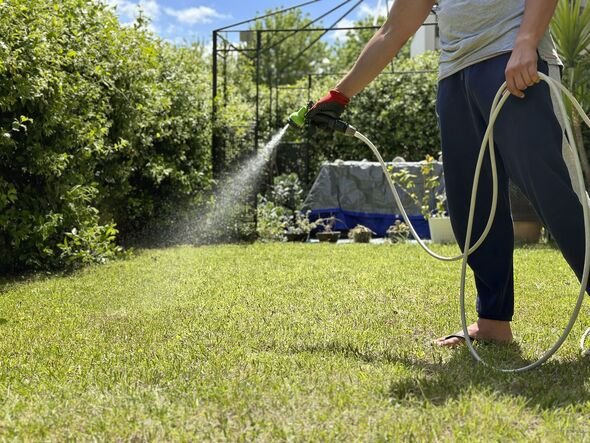
By September, the cooler temperatures and occasional rainfall may lull you into thinking your lawn no longer needs watering. But inconsistent or improper watering at this stage can weaken root systems heading into winter.
Why It’s a Problem:
- Allowing soil to dry out completely stresses the grass.
- Overwatering encourages shallow root growth, making grass less resilient in drought.
- Nighttime watering can promote fungal diseases, especially with cooler evenings.
What To Do Instead:
- Water deeply and less frequently—about 1 inch of water per week, including rainfall.
- Water in the early morning hours so moisture penetrates the soil before the sun rises.
- Use a rain gauge or empty tuna can to track how much water your lawn receives.
Pro Tip: Stick a screwdriver into your soil. If it doesn’t penetrate easily, your lawn needs more water.
5. Leaving Leaves and Debris Untouched
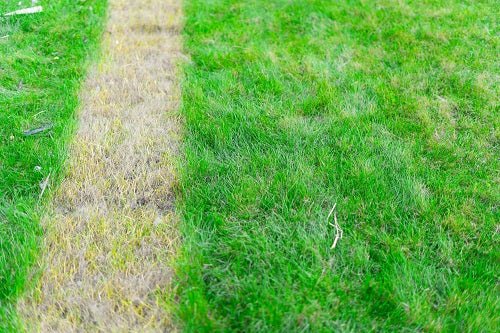
With trees starting to shed leaves in September, many homeowners let them sit on the lawn, assuming they’ll compost naturally. While that may sound eco-friendly, a thick layer of leaves suffocates your lawn.

Why It’s a Problem:
- Leaves block sunlight, preventing grass from photosynthesizing.
- Moist, decomposing leaves create a breeding ground for mold and pests.
- A smothered lawn heading into winter emerges weak and patchy in spring.
What To Do Instead:
- Rake regularly to keep the lawn clear, especially during peak leaf fall.
- Better yet, mulch the leaves with your mower and let the small pieces decompose naturally into the soil. This enriches the lawn without suffocating it.
- Remove sticks, branches, and debris that could damage new grass growth.
Pro Tip: Mulched leaves act like free organic fertilizer, adding nutrients back into your lawn’s ecosystem.
Bonus Mistake: Forgetting Seasonal Adjustments
In addition to the five big mistakes above, another common oversight is failing to adjust your overall lawn care routine for fall conditions.
- Mower settings: Keep blades sharp and adjust height seasonally.
- Pest checks: September is a good time to watch for grubs or other lawn pests.
- Weed control: Broadleaf weeds like dandelions are easier to eliminate in fall, when they’re actively storing energy in their roots.
Making small seasonal adjustments now prevents bigger problems in the months ahead.
Conclusion
September is more than just the start of sweater weather—it’s a pivotal month for lawn care. While it’s easy to assume the hard work of summer is over, avoiding common mistakes during this transition period ensures your lawn remains healthy, resilient, and ready for winter dormancy.

Let’s recap the 5 most common mistakes to avoid:
- Mowing too short, which stresses the grass.
- Skipping fall fertilization, leaving roots undernourished.
- Neglecting aeration and overseeding, allowing weeds to thrive.
- Watering incorrectly, either too much or too little.
- Ignoring leaf cleanup, which suffocates the lawn.
By addressing these issues head-on, you’ll set your lawn up for success, ensuring it comes back even greener and stronger in spring.
So this September, grab your rake, mower, and watering can—it’s time to give your lawn the care it needs to shine all year long.

Leave A Comment