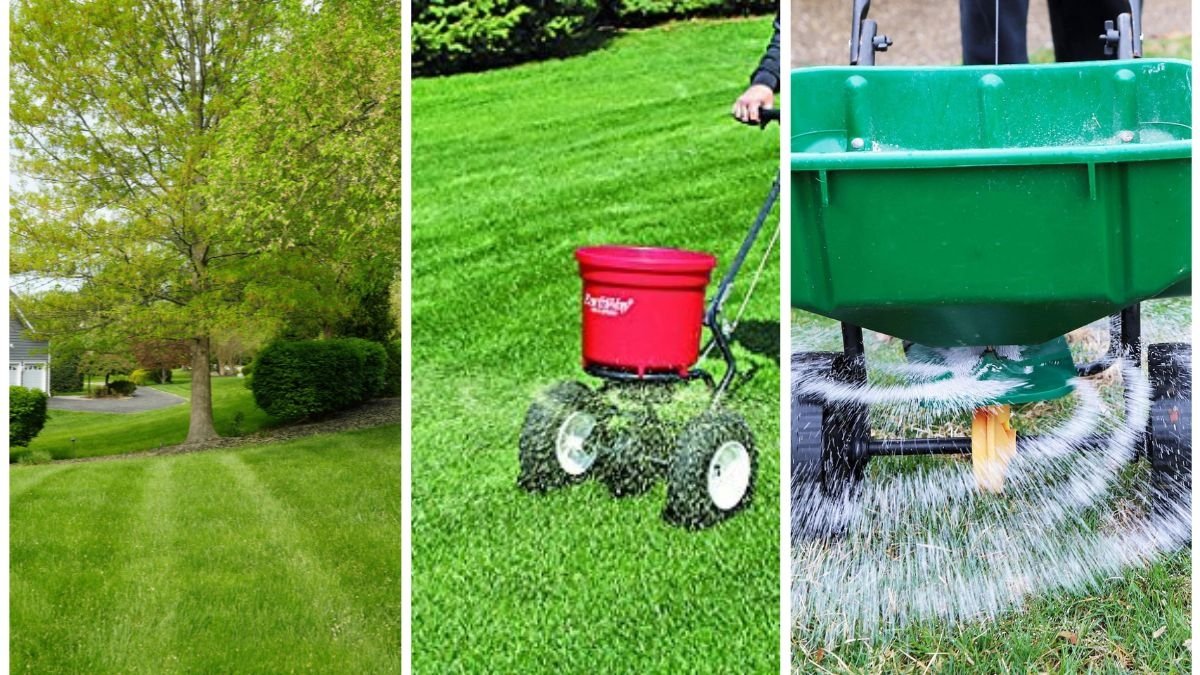
When late summer arrives, many homeowners are unsure how to care for their lawns. The scorching days of July and August often leave grass looking tired, faded, or even patchy. At the same time, the cooler weather of fall is just around the corner, offering the promise of recovery. This leaves many gardeners and homeowners asking the same important question: Should you fertilize your lawn in late summer?
The short answer: Yes—but timing, type of fertilizer, and application method matter. Fertilizing in late summer can give your lawn the boost it needs to recover from heat stress, strengthen root systems, and prepare for fall growth. However, doing it incorrectly can actually harm your lawn instead of helping it.
In this article, we’ll dive into the science of late-summer fertilization, explore its benefits, and walk through the best practices to ensure your grass thrives well into fall and next spring.
Why Fertilization Matters for Lawn Health
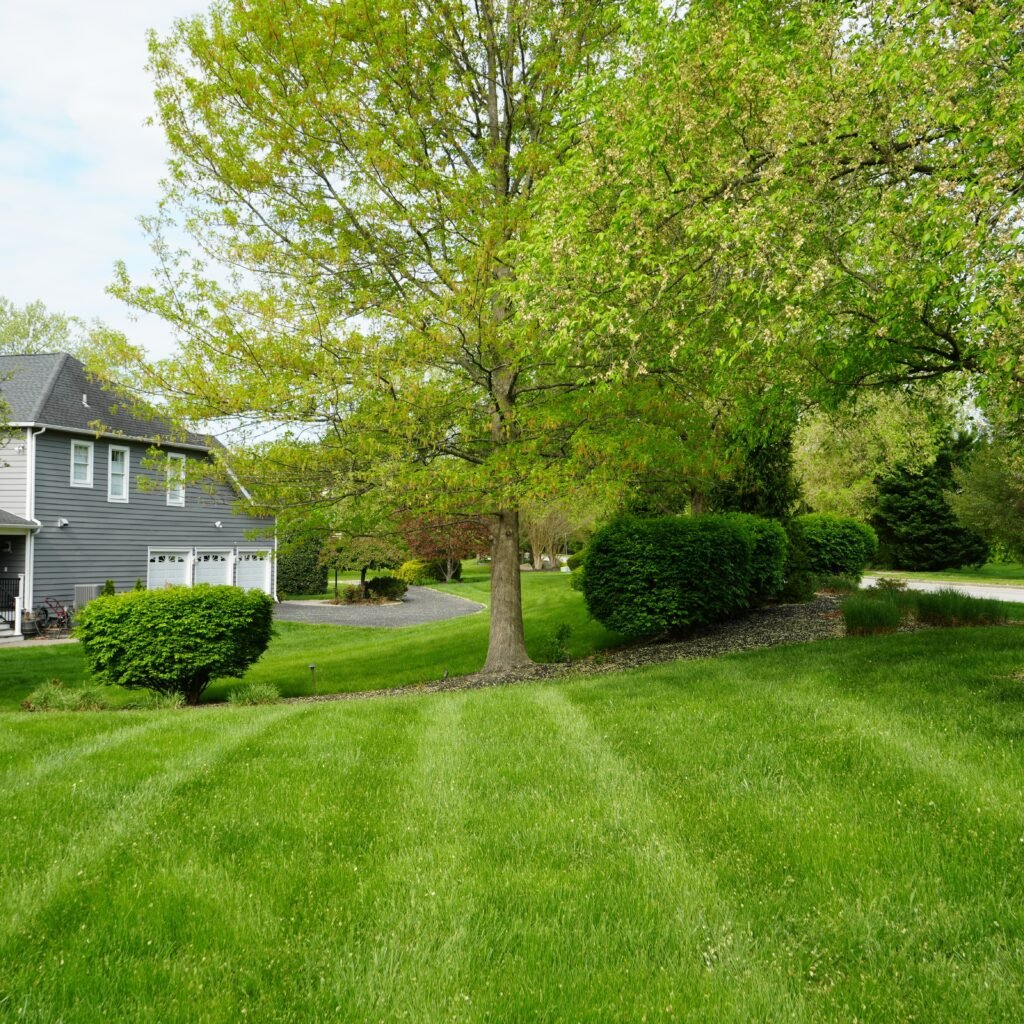
Before exploring the timing of late-summer applications, it’s important to understand why fertilization is so critical to lawn health. Grass, like any living plant, requires essential nutrients to grow thick, green, and strong. The three most important nutrients found in lawn fertilizers are:
- Nitrogen (N): Promotes lush green growth and dense blades.
- Phosphorus (P): Encourages strong root development.
- Potassium (K): Improves disease resistance, drought tolerance, and overall hardiness.
During late summer, your grass has likely endured:

- Heat stress from prolonged sun exposure.
- Soil nutrient depletion from earlier fertilization cycles.
- Drought or inconsistent watering.
- Heavy foot traffic from summer activities.
Fertilizing replenishes these nutrients, giving your lawn the energy it needs to recover and prepare for the fall growing season.
The Benefits of Late-Summer Fertilization
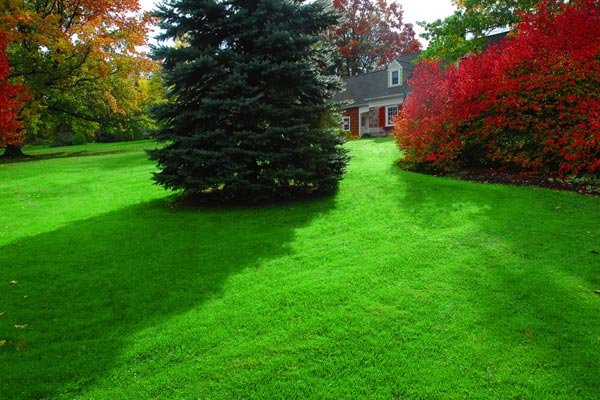
1. Encourages Recovery from Summer Stress
The heat of summer often weakens lawns, leaving them thin and discolored. Fertilization in late summer helps grass recover by replenishing depleted nutrients, improving blade density, and reviving green color.
2. Strengthens Root Systems
Grass roots remain active even when top growth slows down. Fertilizing in late summer fuels root development, ensuring your lawn is better prepared for cooler weather and eventual winter dormancy.
3. Prepares for Fall Growth
Cool-season grasses, such as fescues, ryegrass, and Kentucky bluegrass, experience a growth surge in fall. Fertilizing in late summer primes your lawn for this active growing period, giving it a head start.
4. Reduces Weed Competition
A well-fertilized, dense lawn naturally shades soil and makes it harder for weeds to take root. Late-summer fertilization helps fill in thin areas, crowding out invasive plants like crabgrass and dandelions.

5. Improves Lawn Appearance
Beyond the science, there’s the simple aesthetic benefit: a deep, green, healthy-looking lawn that enhances your home’s curb appeal.
When Exactly Is “Late Summer”?
Late summer fertilization usually falls between mid-August and early September, depending on your climate and grass type. The goal is to fertilize after the worst summer heat has passed but before fall temperatures set in fully.
- Cool-season grasses (Northern regions): Fertilize in mid-to-late August to prepare for active fall growth.
- Warm-season grasses (Southern regions): Fertilize in early August, as these grasses begin slowing down by fall.
The exact timing may vary, but the key is to apply fertilizer when daytime highs are consistently below 85°F (29°C) and the grass is actively growing.
Choosing the Right Fertilizer for Late Summer
Not all fertilizers are created equal, and the choice you make in late summer is especially important.
1. Slow-Release Nitrogen Fertilizer
- Provides steady nutrients over several weeks.
- Reduces the risk of burning grass.
- Encourages balanced growth instead of a sudden flush of green blades.
2. Balanced NPK Ratio
Look for fertilizers with a balanced ratio, such as 20-10-10 or 15-5-10, which provide nitrogen for top growth while also supporting root development.

3. Low-Phosphorus Options
In many regions, phosphorus use is restricted due to environmental concerns. Unless a soil test shows deficiency, opt for a low- or no-phosphorus formula.
4. Organic Fertilizers
Compost, manure-based fertilizers, and natural blends improve soil health while feeding grass. They release nutrients more slowly but also enrich soil microorganisms.
Pro Tip: Always perform a soil test before choosing fertilizer. This ensures you provide what your lawn truly needs without over-fertilizing.
How to Fertilize Your Lawn in Late Summer: Step-by-Step
Step 1: Mow the Lawn First
- Cut the grass to a moderate height (around 3 inches for cool-season lawns).
- Remove excessive clippings or debris to ensure fertilizer reaches the soil.
Step 2: Water the Lawn Lightly
- Fertilizer absorbs better when soil is slightly moist.
- Avoid fertilizing on extremely dry lawns.
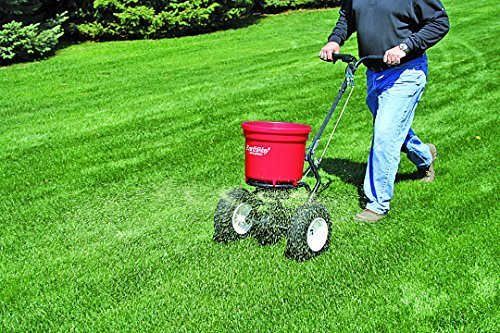
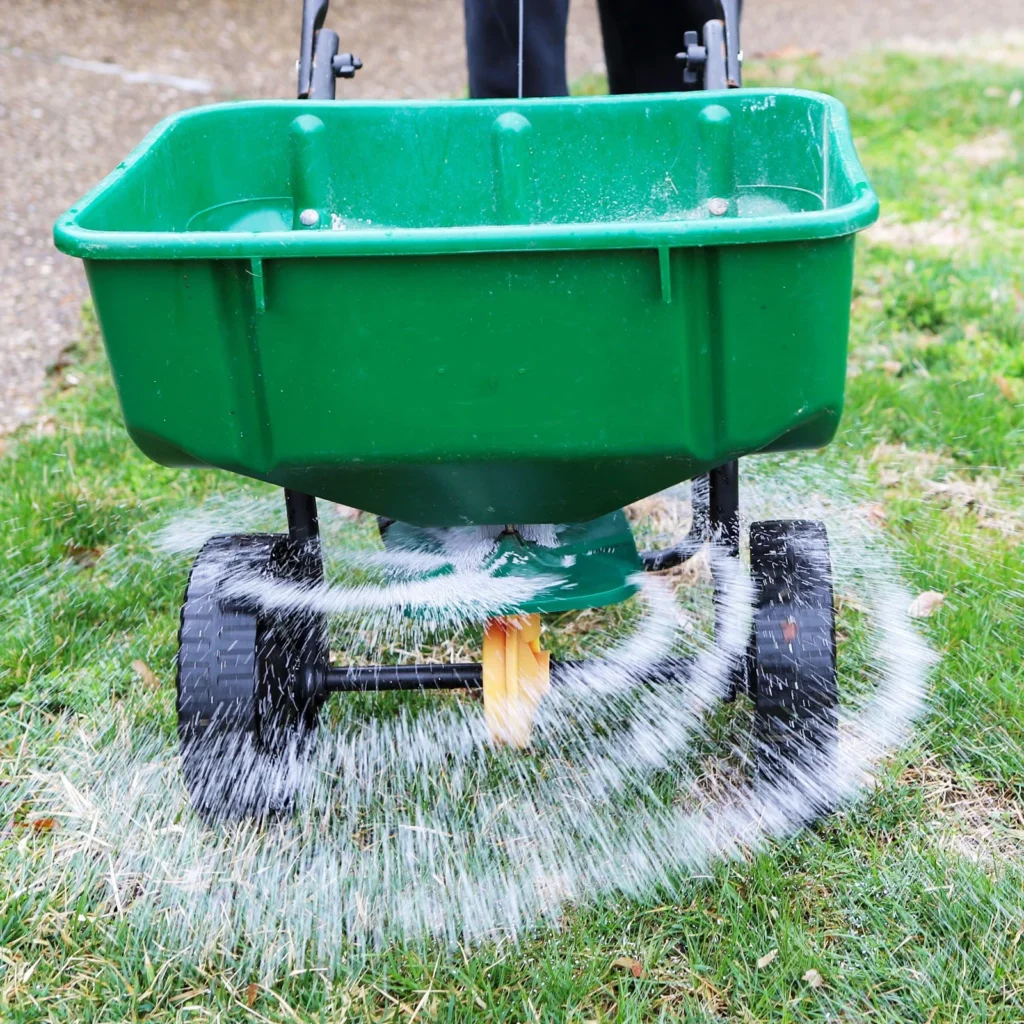
Step 3: Spread Fertilizer Evenly
- Use a broadcast or drop spreader for even distribution.
- Follow the manufacturer’s recommended rate—too much fertilizer can burn grass.
Step 4: Water Again
- Water the lawn thoroughly after fertilizing to help nutrients soak in.
- This also prevents fertilizer granules from burning grass blades.
Step 5: Avoid Heavy Traffic
- Limit foot traffic on the lawn for a few days to give the fertilizer time to absorb and seedlings (if overseeded) time to establish.
Common Mistakes to Avoid
- Over-Fertilizing
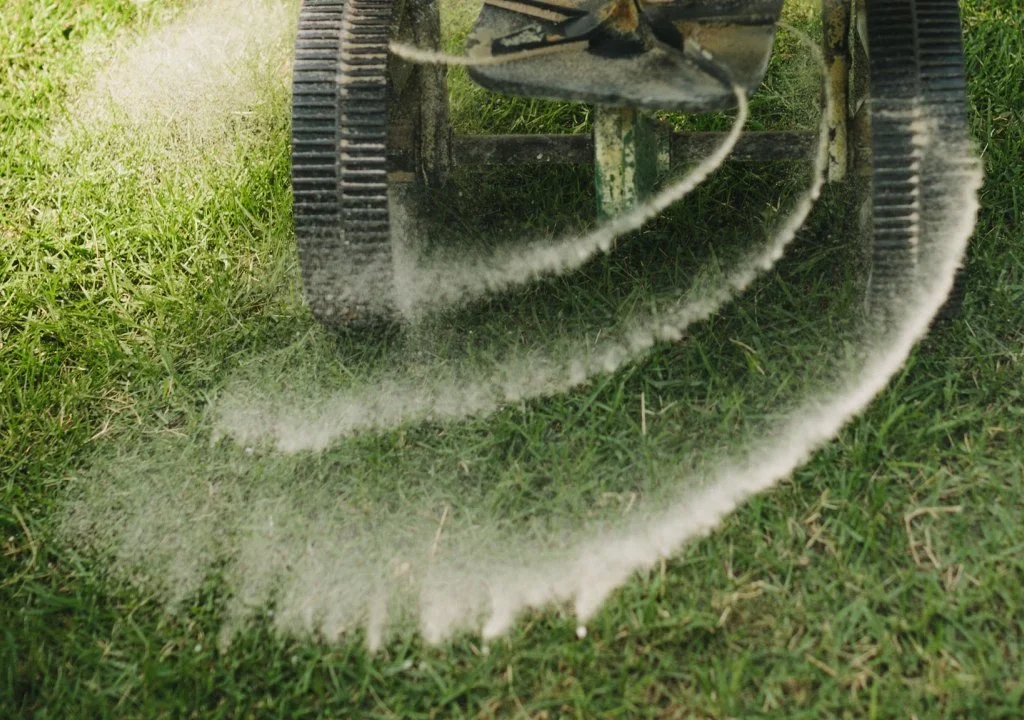
Applying too much fertilizer can burn grass, encourage excessive top growth, and even pollute waterways through runoff. - Fertilizing During Heat Waves
High temperatures combined with fertilizer can stress or scorch your lawn. Wait for cooler late-summer days. - Skipping Watering
Fertilizer needs moisture to activate and move into the soil. Dry applications won’t be effective. - Using the Wrong Fertilizer
A fertilizer high in quick-release nitrogen may make your lawn look green fast, but it won’t provide lasting benefits. - Ignoring Soil Testing
Without a soil test, you may apply nutrients your lawn doesn’t need while missing the ones it does.
Should You Combine Fertilizing with Other Lawn Tasks?
Late summer is also the perfect time to pair fertilization with other lawn care practices:
- Aeration: Loosens compacted soil, allowing fertilizer and water to penetrate deeper.
- Overseeding: Works well with fertilization to thicken thin patches.
- Weed Control: Fall weeds are easier to control when the lawn is dense and healthy.
Combining these tasks maximizes the benefits of late-summer fertilization.

The Bottom Line: Yes, Fertilize in Late Summer—But Do It Right
So, should you fertilize your lawn in late summer? Absolutely—when done correctly, it is one of the best things you can do for long-term lawn health. Late-summer fertilization helps your grass recover from summer stress, strengthens roots, reduces weed competition, and prepares for the lush growth of fall.
The key is to:
- Choose the right fertilizer (slow-release, balanced formula).
- Apply it at the right time (mid-August to early September, depending on grass type).
- Follow proper application techniques (mow, water, spread evenly, water again).
By avoiding common mistakes and pairing fertilization with aeration or overseeding, you’ll ensure your lawn enters fall stronger, greener, and more resilient than ever.
Your lawn is an investment—and giving it the right nutrients at the right time is the secret to keeping it healthy year after year.

Leave A Comment