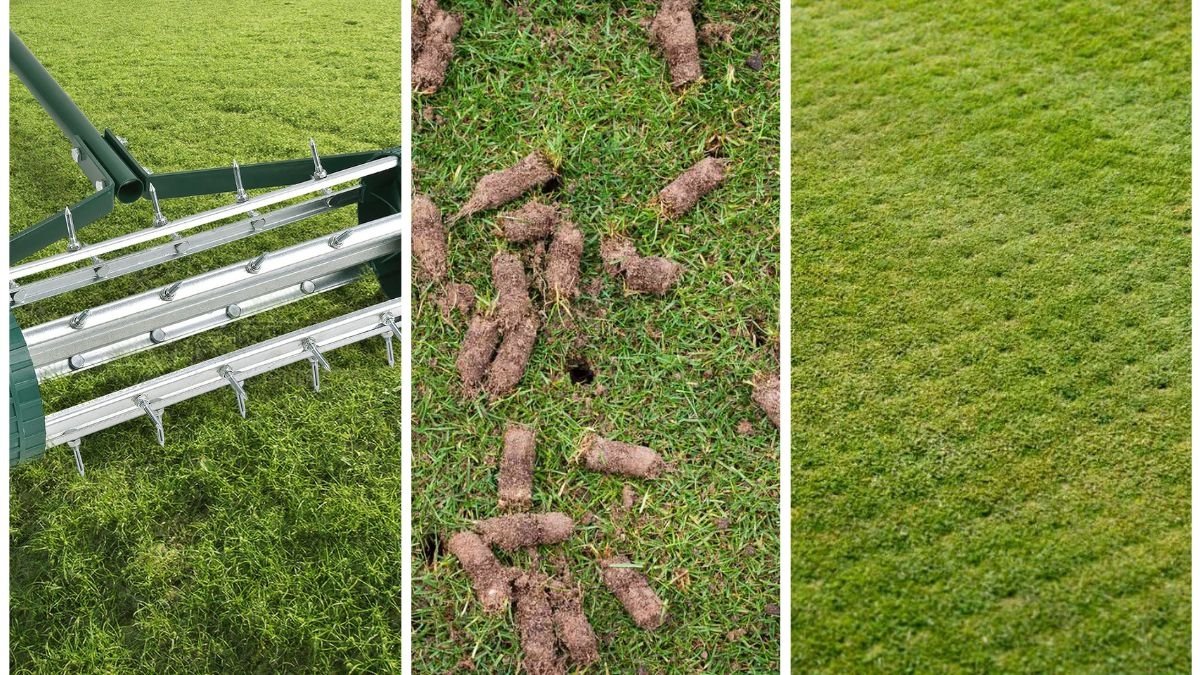
A lush, green lawn doesn’t just happen overnight. It’s the result of consistent care, smart seasonal practices, and paying attention to what’s happening beneath the surface. While mowing, watering, and fertilizing often take center stage, aeration is the unsung hero of lawn health. Many homeowners wonder: How often should I aerate my lawn for the best results? The answer depends on soil type, grass variety, and local conditions. In this article, we’ll dive deep into the importance of aeration, how often to do it, and tips for making it a part of your lawn care routine.
What Is Lawn Aeration?
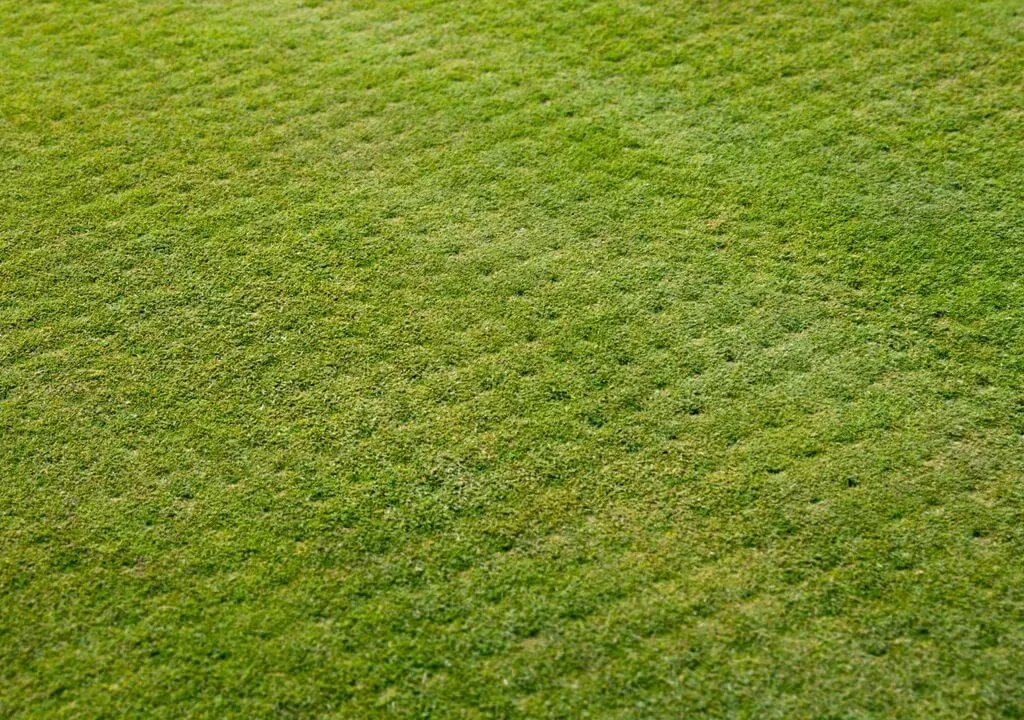
Lawn aeration is the process of creating small holes in the soil to allow air, water, and nutrients to penetrate the grassroots more effectively. Over time, soil becomes compacted from foot traffic, mowing, or natural settling. Compaction prevents roots from accessing what they need to grow deeply and stay strong.
There are two common types of aeration:
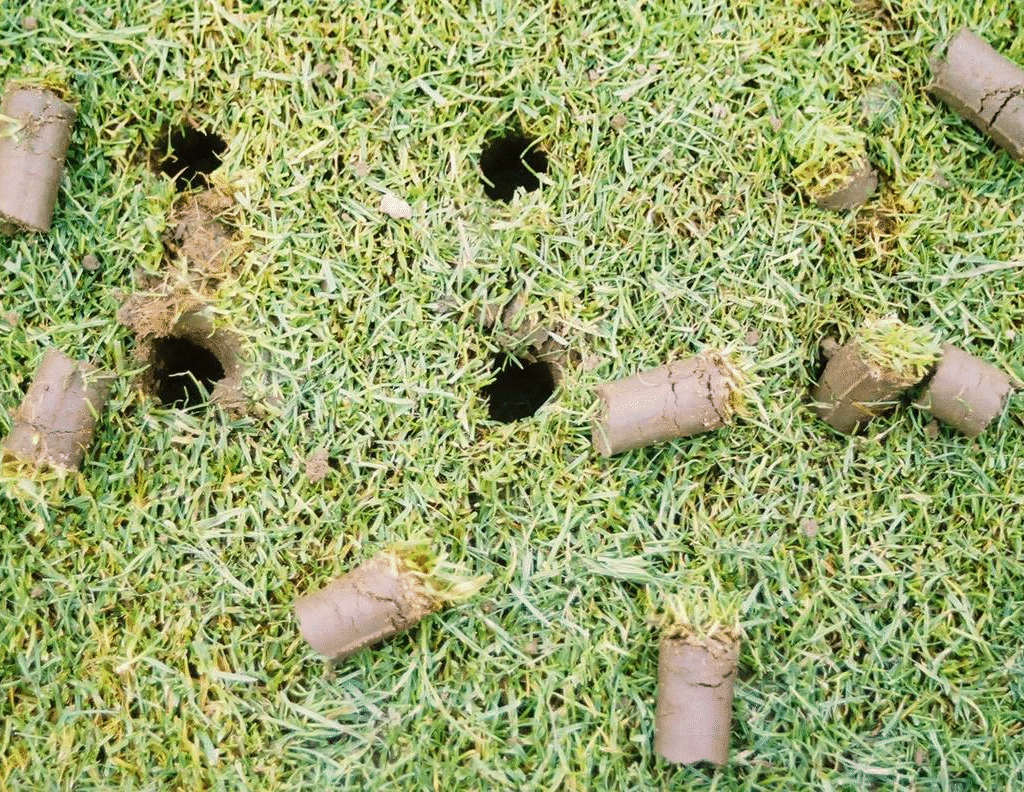
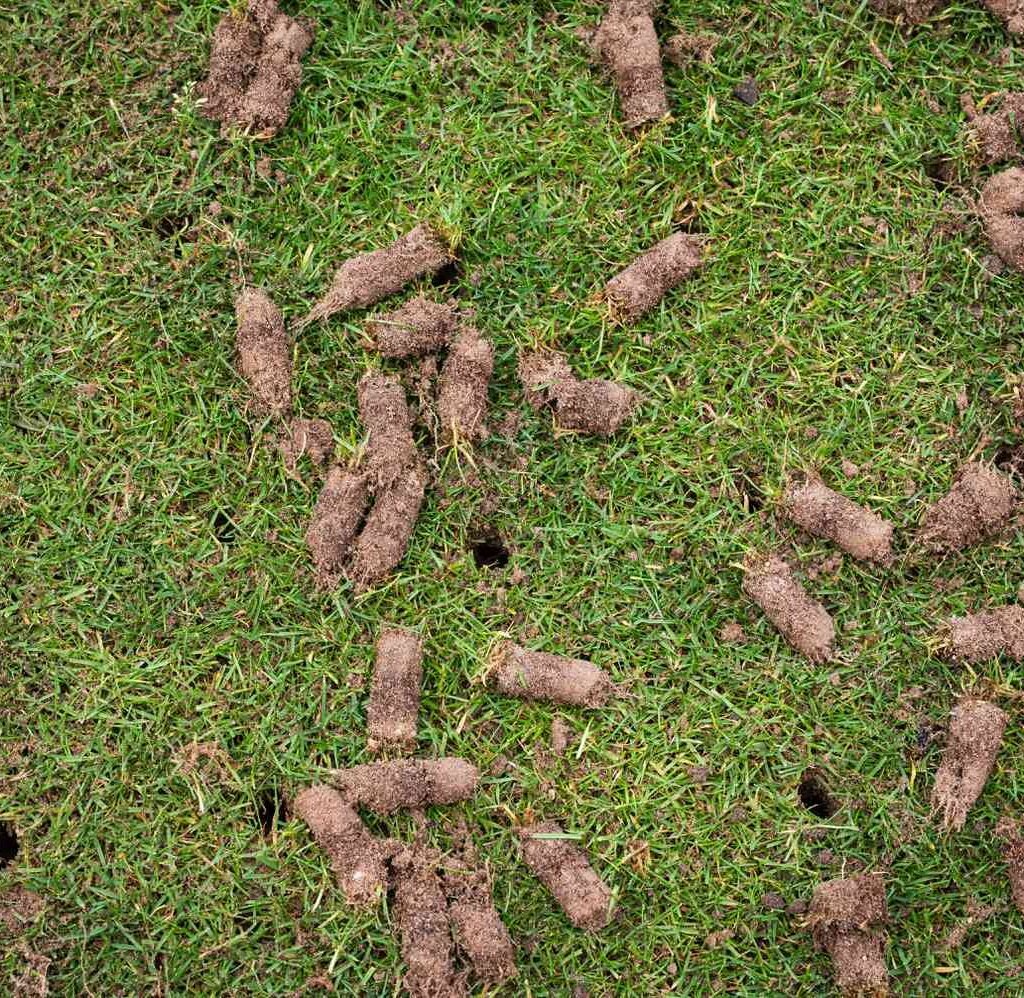
- Core Aeration – A machine removes plugs (or cores) of soil, leaving holes behind that improve airflow and drainage.
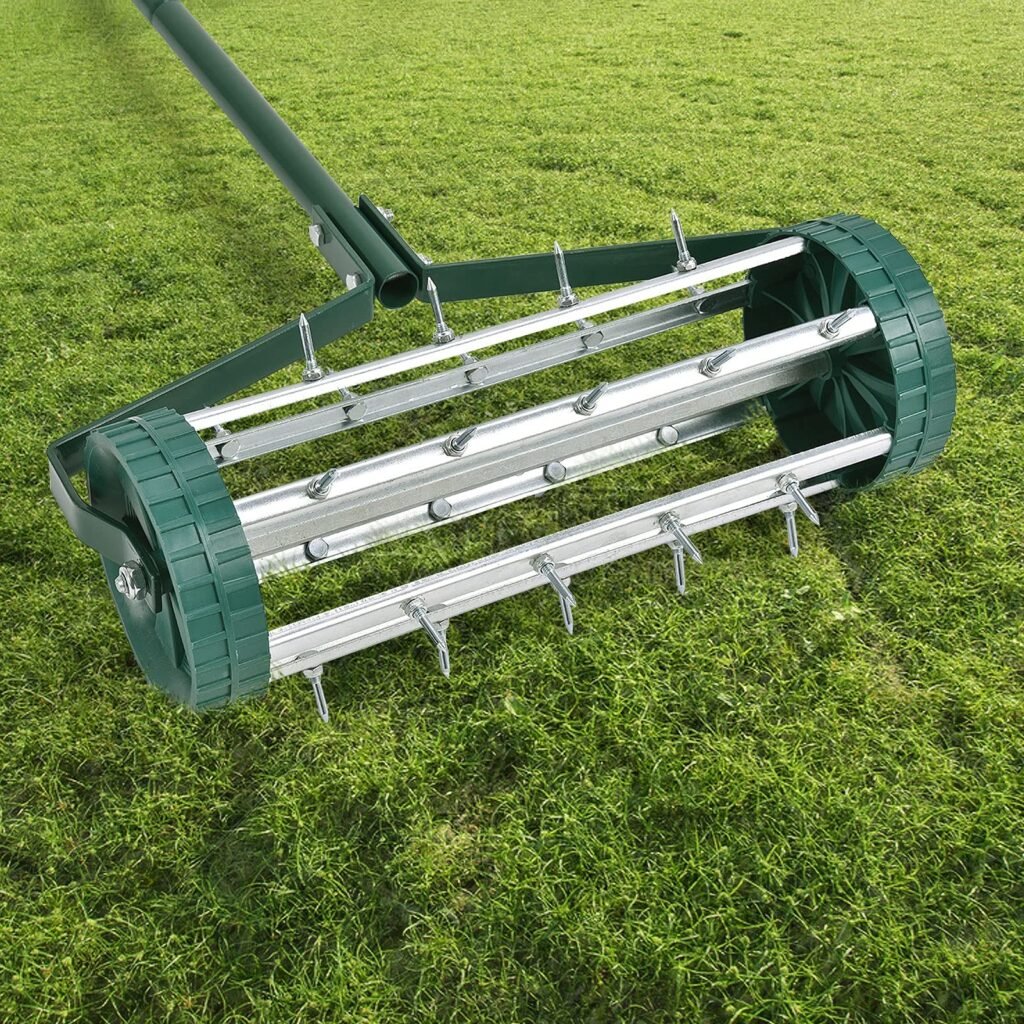
- Spike Aeration – Solid spikes push into the soil to create holes but don’t remove soil. This method is less effective long term since it can increase compaction around the hole.
For the healthiest roots, core aeration is the preferred method.

Why Is Aeration Important?
Aeration addresses several hidden issues that can make or break your lawn’s health:
- Improves Root Growth: Loosening compacted soil gives roots space to expand and grow deeper.
- Enhances Nutrient Absorption: Fertilizers and organic matter can reach the root zone more effectively.
- Increases Water Infiltration: Prevents water from running off and reduces puddling.
- Reduces Thatch Build-Up: Thatch is a layer of dead grass that can suffocate roots; aeration helps break it down.
- Boosts Drought Resistance: Deeper roots mean your lawn can better withstand dry spells.
Think of aeration as giving your lawn’s root system a deep breath of fresh air—it’s essential for long-term vitality.
How Often Should You Aerate Your Lawn?
The frequency of aeration depends largely on your soil type and how much wear and tear your lawn gets. Here’s a breakdown:
1. Clay Soils (Heavy & Easily Compacted)
Clay soils compact quickly, suffocating roots. If your lawn has clay soil, aerate once or even twice a year—typically in spring and fall.

2. Sandy Soils (Loose & Well-Drained)
Sandy soils don’t compact as much. Aerating once every 2–3 years is usually enough to maintain healthy roots.
3. Loamy Soils (Balanced & Fertile)
Loamy soil sits between clay and sand. Aerate once a year to maintain its structure and root health.
4. High-Traffic Lawns (Kids, Pets, or Sports)
Lawns that experience a lot of foot traffic compact faster. These benefit from annual aeration, regardless of soil type.
5. Low-Traffic or Decorative Lawns
If your lawn is mostly ornamental and rarely used, aerating every 2–3 years may suffice.

Best Time of Year to Aerate
Timing matters when it comes to aeration because you want to give your grass the best chance to recover quickly.
- Cool-Season Grasses (Fescue, Kentucky Bluegrass, Ryegrass):
Aerate in early fall or spring. Fall is ideal because grass is actively growing, and cooler temperatures encourage recovery. - Warm-Season Grasses (Bermuda, Zoysia, St. Augustine):
Aerate in late spring to early summer, when warm-season grasses are growing most vigorously.
Never aerate during dormancy—it stresses the grass and can lead to bare patches.
Signs Your Lawn Needs Aeration
Not sure if it’s time to aerate? Look for these signs:
- Water puddles or runs off instead of soaking in.
- Grass appears thin, weak, or struggles despite regular care.
- Soil feels hard when you step on it.
- Roots are shallow (less than 2 inches deep).
- Thatch layer is thicker than ½ inch.
If you check several of these boxes, it’s time to get out the aerator.

How To Aerate Your Lawn (Step-by-Step)
- Mow the Lawn First – Cut your grass to a shorter height (about 1–1.5 inches) to make aeration easier.
- Water Lightly – Moist soil makes it easier to pull plugs. Water your lawn a day before aerating.
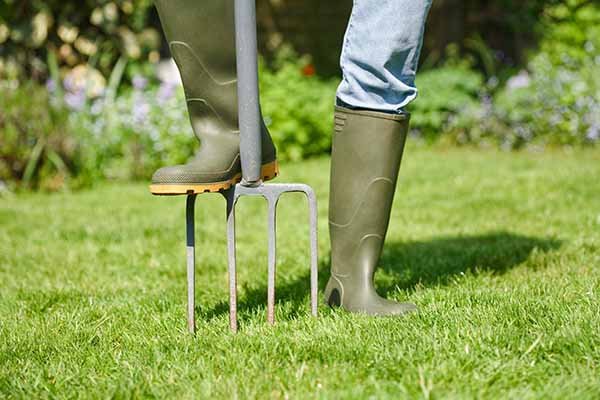
- Use the Right Equipment – Rent or buy a core aerator for best results. Hand tools work for very small lawns.
- Make Multiple Passes – Go over compacted areas more than once, especially high-traffic zones.
- Leave Soil Plugs – Let the plugs of soil break down naturally—they add organic matter back to the lawn.
- Follow Up With Care – Overseed bare spots and apply fertilizer right after aerating. This maximizes the benefits.
Aftercare: What To Do Post-Aeration
Aeration sets the stage for a healthier lawn, but follow-up is just as important:
- Overseed: Fill in thin patches for a denser lawn.
- Fertilize: Apply a balanced fertilizer to take advantage of the open soil.
- Water Regularly: Keep soil moist to encourage new root growth.
- Avoid Heavy Traffic: Give your lawn a week or two to recover.
Common Aeration Mistakes to Avoid
- Aerating Dry Soil – Hard soil makes it difficult to penetrate; water lightly beforehand.
- Over-Aerating – While beneficial, too much aeration can stress your lawn. Stick to the recommended schedule.
- Using Spike Aerators on Clay – This can worsen compaction instead of relieving it.
- Skipping Aftercare – Without overseeding or fertilizing, you’re missing out on the full benefits.
Conclusion
Healthy roots are the foundation of a vibrant lawn, and aeration is the key to unlocking that potential. While there’s no one-size-fits-all answer to how often you should aerate, understanding your soil type, grass variety, and lawn usage will guide your schedule. For most homeowners, once a year—preferably in the growing season—is enough to keep roots thriving.
By incorporating aeration into your lawn care plan, you’ll not only improve grass growth but also set your yard up for resilience against drought, heavy use, and seasonal changes. Think of it as a small effort with big rewards: a green, lush carpet that makes your outdoor space shine.

Leave A Comment