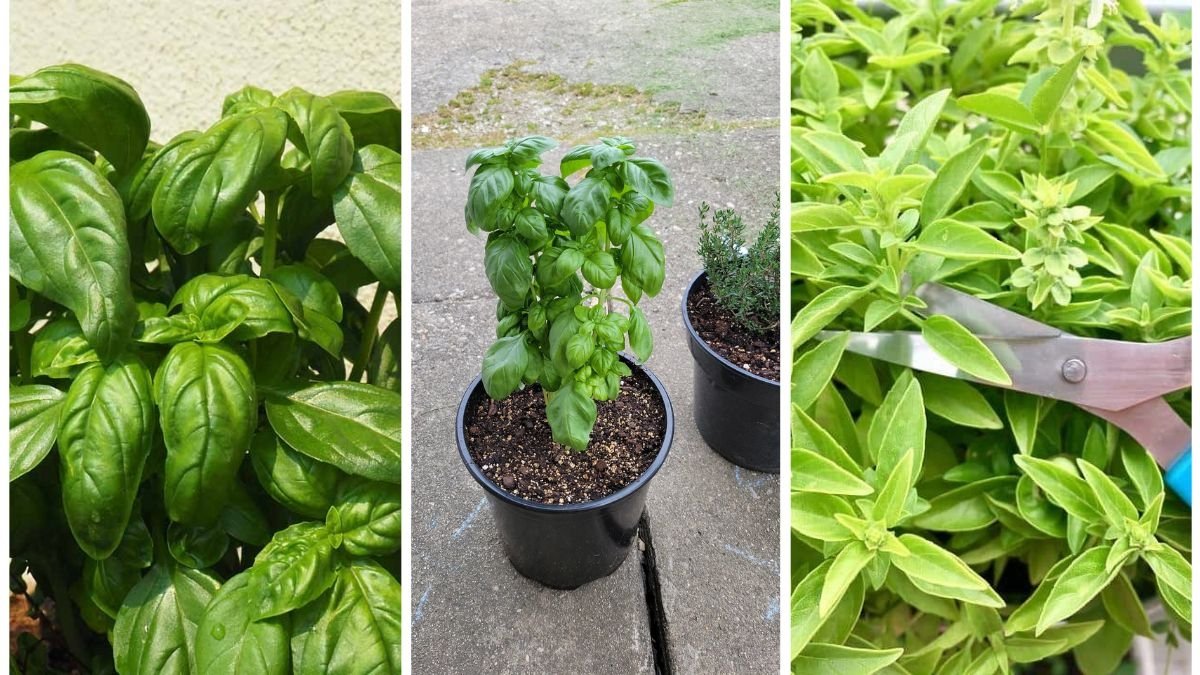
Basil (Ocimum basilicum), with its aromatic leaves and vibrant green foliage, is one of the most beloved herbs in kitchens and gardens around the world. Whether you’re adding it fresh to a Caprese salad, blending it into a rich pesto, or simply enjoying its fragrance, basil is a rewarding herb to grow.
But what many gardeners—especially beginners—don’t realize is that how you harvest basil dramatically affects how long it grows, how bushy it becomes, and how much you can harvest over the season. Done right, harvesting basil can actually promote endless growth, giving you fresh, flavorful leaves from spring through fall.
This article explores the right way to harvest basil to ensure maximum yield, continuous growth, and a healthy, robust plant throughout the season.
Why Harvesting Technique Matters
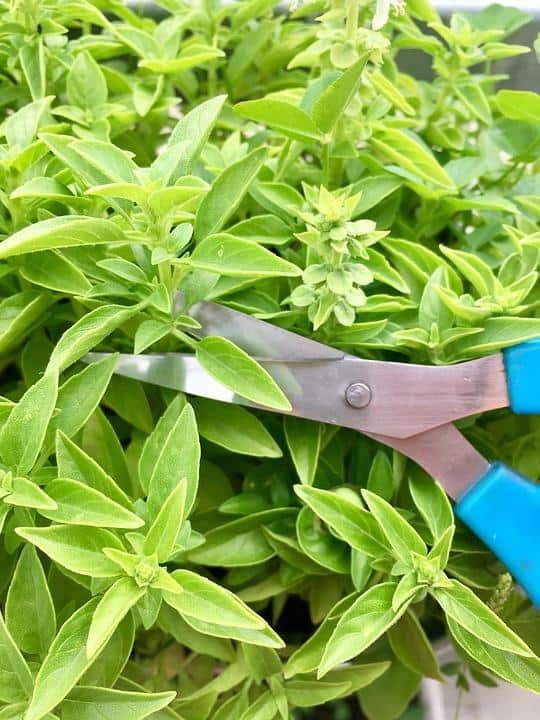
Basil isn’t just a pick-and-use kind of herb. Unlike some herbs that can tolerate frequent cutting from any part, basil thrives when harvested strategically. Harvesting isn’t just about gathering leaves—it’s a form of pruning that, when done properly, encourages the plant to:
- Grow bushier with more side shoots
- Produce more leaves and less stem
- Delay flowering, which slows leaf production
- Stay healthier with better airflow and reduced risk of disease
In contrast, incorrect or careless harvesting can result in:
- A tall, leggy plant with fewer leaves
- Early flowering (bolting) and bitter flavor
- Reduced harvest over time
- Potential plant stress or dieback
Understanding Basil’s Growth Habit
Before we get into the method, it’s important to understand how basil grows.
- Basil grows from a central stem with pairs of leaves growing opposite each other.
- At the junction (node) where the leaves meet the stem, new shoots can emerge.
- Each time you cut above a node, the plant sends out two new branches from that point—leading to a fuller, more productive plant.
Think of it this way: every cut doubles your growth potential—if you do it right.
Step-by-Step Guide to Harvesting Basil for Endless Growth
1. Start Early – But Not Too Early
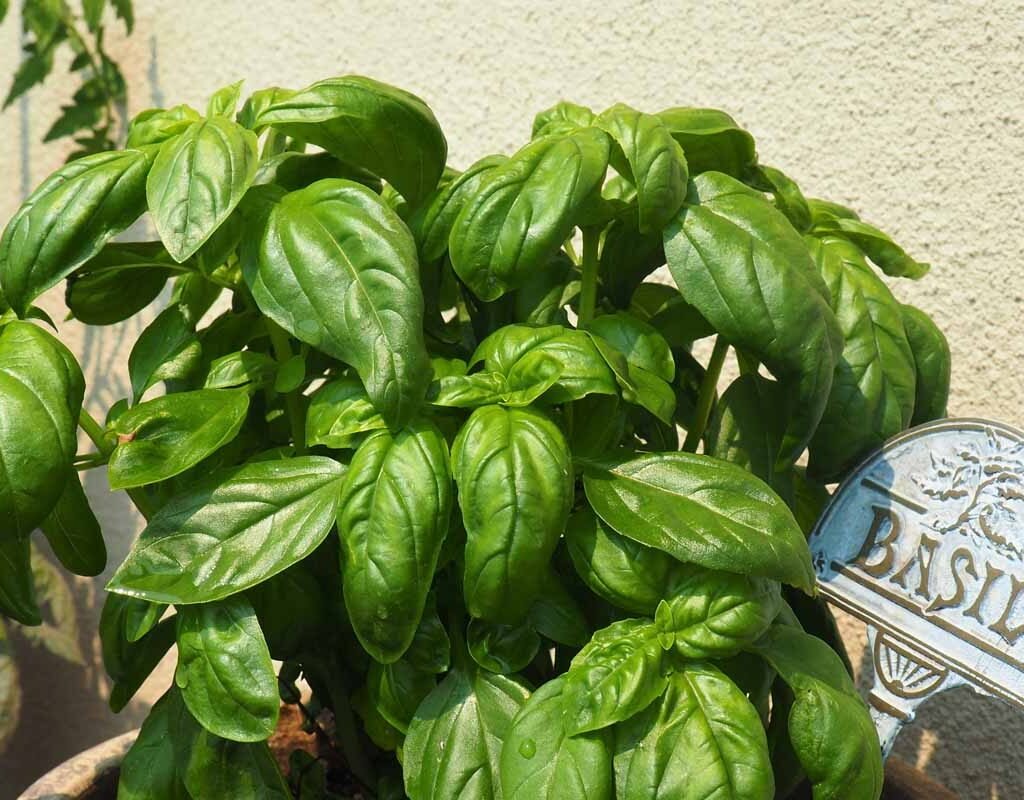
Start harvesting when the basil plant has:
- At least 6–8 leaves (about 6–8 inches tall)
- Two or more sets of mature leaf pairs
Resist the temptation to harvest very young plants. Allow your basil to develop a strong root system and some height first.
2. Use Clean, Sharp Tools (Or Pinch With Fingers)
Use:
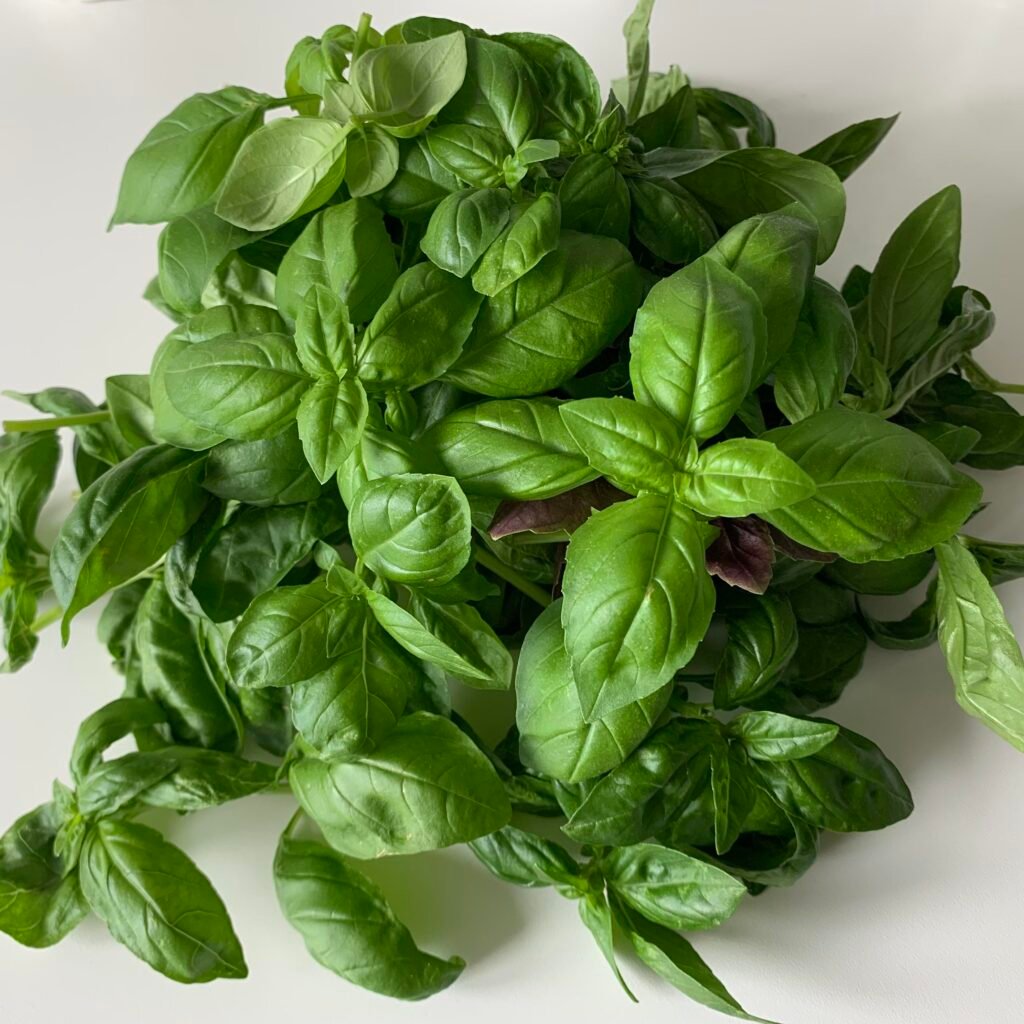
- Sharp scissors or pruning shears, cleaned to prevent disease
- Or pinch with your fingers if stems are tender
Avoid tearing or crushing the stem—it can damage the plant and invite disease.
3. Cut Above a Leaf Node – The Golden Rule
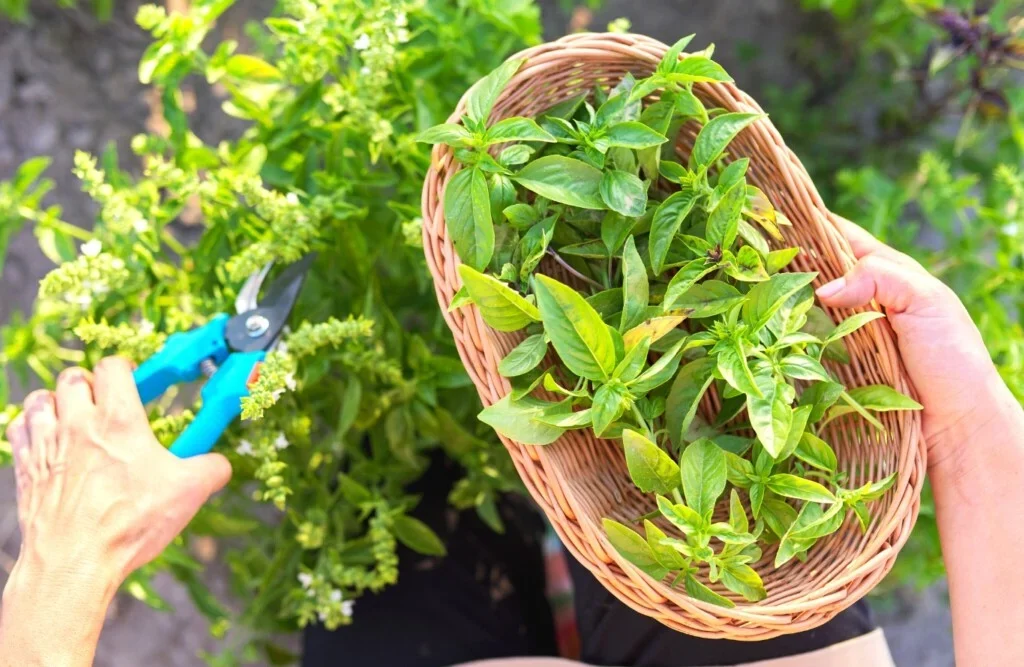
The most critical step is to cut just above a pair of leaves (leaf node)—about 1/4 inch above it.
Why?
- Cutting above the node activates two dormant buds below the cut.
- These buds will grow into new branches, doubling your harvestable stems.
Never cut the main stem at the base unless it’s the end of the season or you’re removing the entire plant.
4. Harvest No More Than One-Third of the Plant
When harvesting, especially early on:
- Only remove up to 1/3 of the plant’s total foliage.
- This ensures the plant retains enough leaves for photosynthesis and healthy growth.
As the plant matures and becomes bushier, you can harvest more aggressively.
5. Harvest Frequently
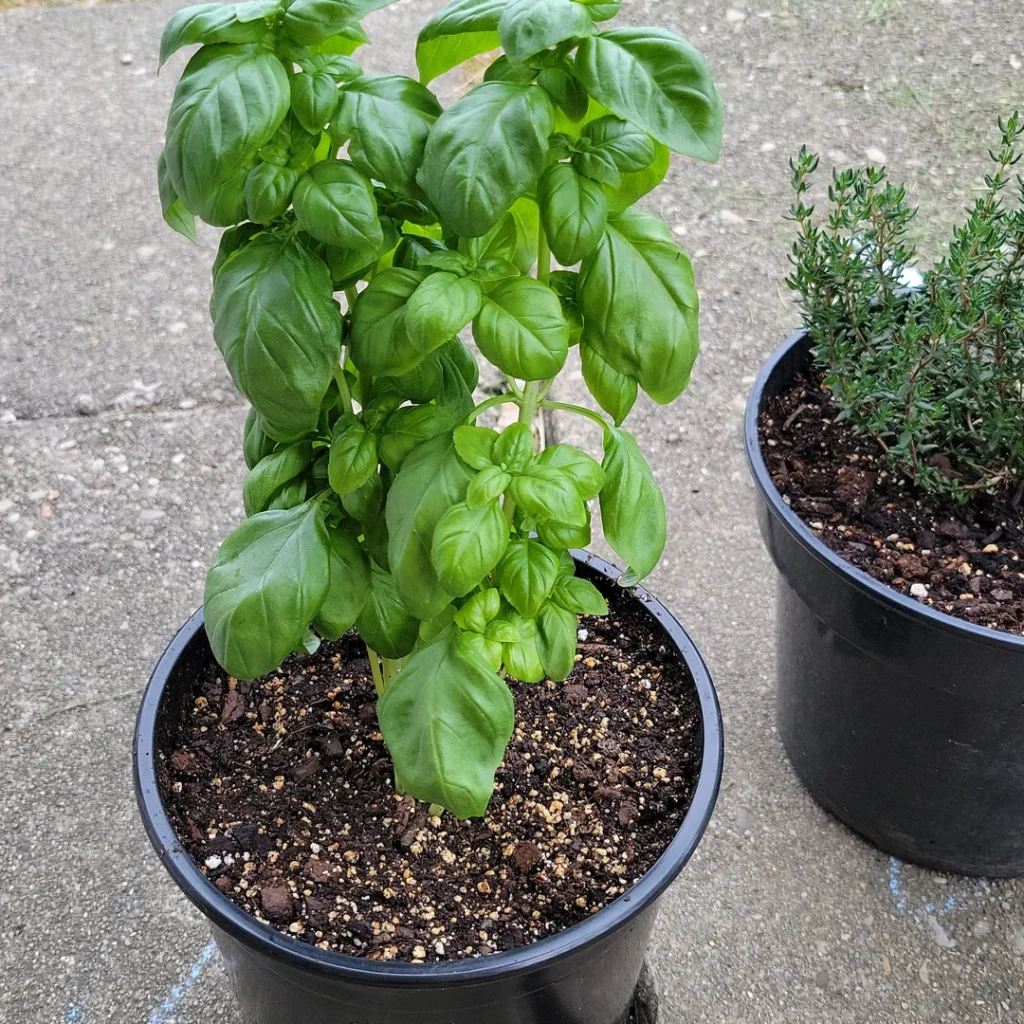
Regular harvesting is the key to continuous growth. Ideally, harvest:
- Every 1–2 weeks in early summer
- Every few days in peak growing season
The more you harvest (correctly), the more the plant will respond with vigorous growth.
How to Handle Flowering (Bolting)
Basil naturally wants to flower as part of its reproductive cycle. But once it starts flowering:
- The leaves become smaller, tougher, and less flavorful
- Energy is diverted to seed production, not leaf growth
What to Do:
- Pinch off flower buds as soon as you see them.
- Look for tight clusters of small white or purple buds at the top of stems.
- Removing flower buds redirects energy back into foliage.
If you want to collect seeds, allow a few plants to flower at the end of the season, not before.
Bonus Tips for Endless Basil Growth
1. Grow in the Right Conditions
Healthy basil = better harvests. Ensure:
- 6–8 hours of sunlight daily
- Well-drained soil with compost
- Regular watering, but avoid soggy soil
2. Fertilize Sparingly
Basil doesn’t need heavy fertilization. Too much nitrogen can lead to lush leaves with weak flavor.
- Use a balanced organic fertilizer every 3–4 weeks
- Alternatively, use compost or compost tea
3. Rotate Your Harvest Locations
Instead of always picking from the same stem, rotate:
- Harvest from different branches each time
- This ensures even growth and avoids over-stressing a single area
4. Replant or Propagate Mid-Season
In warm climates or indoor gardens, you can enjoy basil year-round by:
- Starting new plants from cuttings
- Or sowing new seeds every 4–6 weeks
Propagation is simple—just place a cut stem in water, and it will root within 7–10 days.
Common Mistakes to Avoid
| Mistake | Why It’s Harmful |
|---|---|
| Harvesting from the bottom | Leads to a tall, leggy plant |
| Removing only leaves | Slows regrowth; cut full stems instead |
| Cutting below a node | Prevents branching and reduces yield |
| Not harvesting at all | Leads to early flowering and poor flavor |
| Letting it flower too early | Ends the productive life of the plant |
Real-Life Harvesting Example
Let’s say your basil plant is now about 12 inches tall with several branches.
Here’s what to do:
- Locate a branch with 2–3 sets of leaves.
- Go to the second set from the top.
- Make a clean cut just above the node.
- Repeat on several branches around the plant.
After a week, you’ll notice two new stems growing where you cut. In 2–3 weeks, each of those stems can be harvested again. Repeat this cycle for endless basil all season long.
Conclusion
Harvesting basil isn’t just about cutting leaves—it’s an art that, when done properly, transforms a single seedling into a lush, flavorful powerhouse that keeps producing for months.
By following the right harvesting techniques—cutting above the node, harvesting regularly, preventing flowering, and rotating your cuts—you can keep your basil plant thriving and productive. Whether you’re a home gardener, culinary enthusiast, or horticulture student, mastering this skill not only ensures a bountiful harvest but also deepens your appreciation for plant care and sustainability.
So next time you reach for those fragrant leaves, remember: the right cut at the right time is the secret to endless basil growth.

Leave A Comment