
Tomatoes (Solanum lycopersicum) are one of the most cherished and widely grown fruits in home gardens around the world. Whether they are sliced for sandwiches, stewed into sauces, or eaten straight from the vine, nothing compares to the taste of a perfectly ripe, homegrown tomato.
However, peak tomato flavor is highly dependent on timing—harvesting too early or too late can result in a tomato that is bland, mealy, mushy, or lacking that signature balance of sweetness and acidity. Knowing exactly when to pick tomatoes is both an art and a science, and it plays a critical role in the quality of your harvest.
This article explores everything you need to know about picking tomatoes at their peak—covering ripening stages, types of tomatoes, color cues, texture, and scientific insights to help you make the most flavorful pick every time.
Why Timing Matters
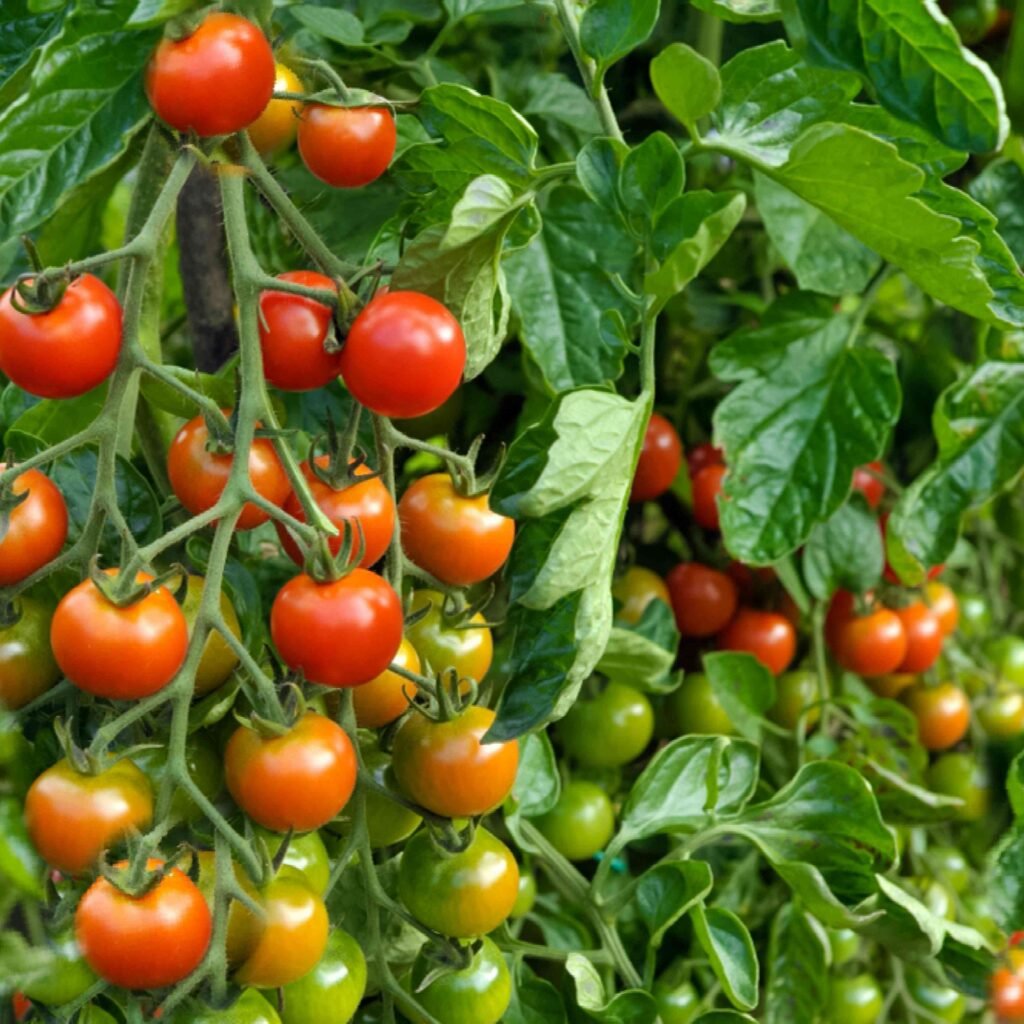
Harvesting tomatoes at the right moment ensures:

- Maximum flavor: Sugar levels, acidity, and aroma compounds peak at specific ripening stages.
- Optimal texture: Too early and they’re hard and bland; too late and they become soft or watery.
- Nutritional value: Lycopene, the antioxidant responsible for the red color, increases as tomatoes ripen.
- Shelf life: Properly picked tomatoes store better, especially if harvested at the right maturity stage.
Picking at the correct time also reduces the risk of:
- Cracking or splitting
- Sunscald
- Pest damage or rot
Understanding the Tomato Ripening Process
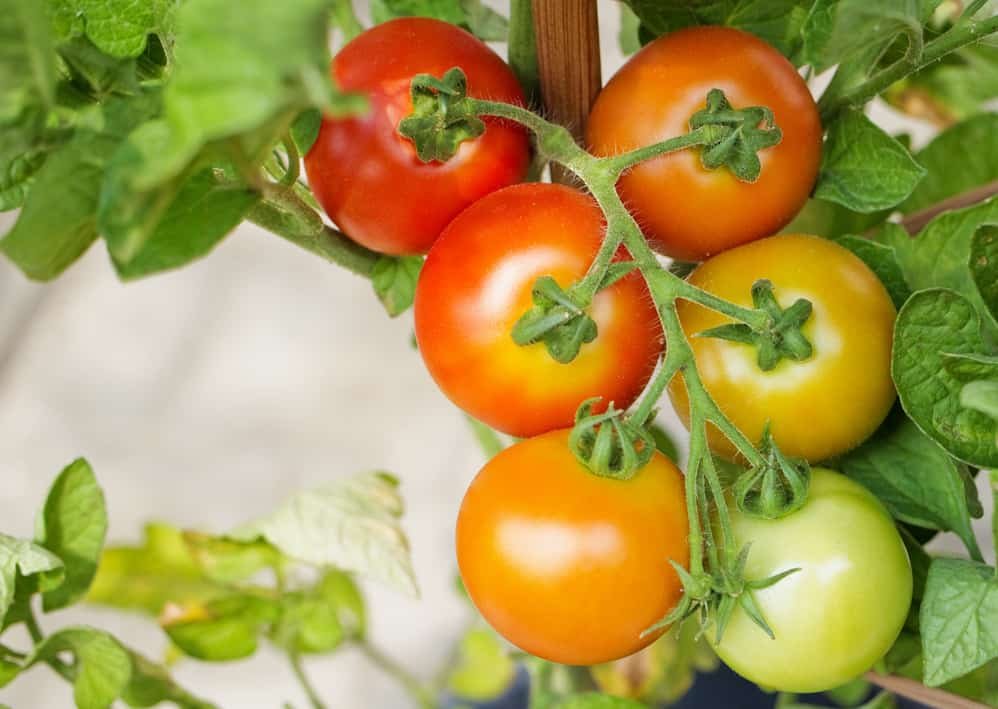
Tomatoes go through a well-defined ripening process, which can be divided into six key stages:
1. Green Stage
- Fully developed in size but completely green.
- Seeds are immature.
- Not ready for picking.
2. Breaker Stage
- A slight blush of pink, red, or yellow appears on the blossom end.
- Interior ripening has begun.
- The earliest stage at which a tomato can be harvested and still ripen off the vine without losing flavor.
3. Turning Stage
- 10–30% of the tomato has changed color.
- Texture softens slightly.
- Can be harvested and ripened indoors with minimal flavor loss.
4. Pink Stage
- 30–60% of the tomato has turned red (or variety-specific color).
- Flesh is softening and becoming juicy.
- Near peak sugar and acid balance.
5. Light Red Stage
- 60–90% of the fruit is its final color.
- Aroma develops fully.
- Excellent time to pick, especially for immediate use.
6. Fully Red (or Mature Color) Stage
- Over 90% of the tomato has achieved its full color.
- Flavor, aroma, and texture have fully developed.
- Ideal for eating fresh, but may be more susceptible to pests or cracking if left on the plant too long.
Vine-Ripened vs. Off-the-Vine Ripening
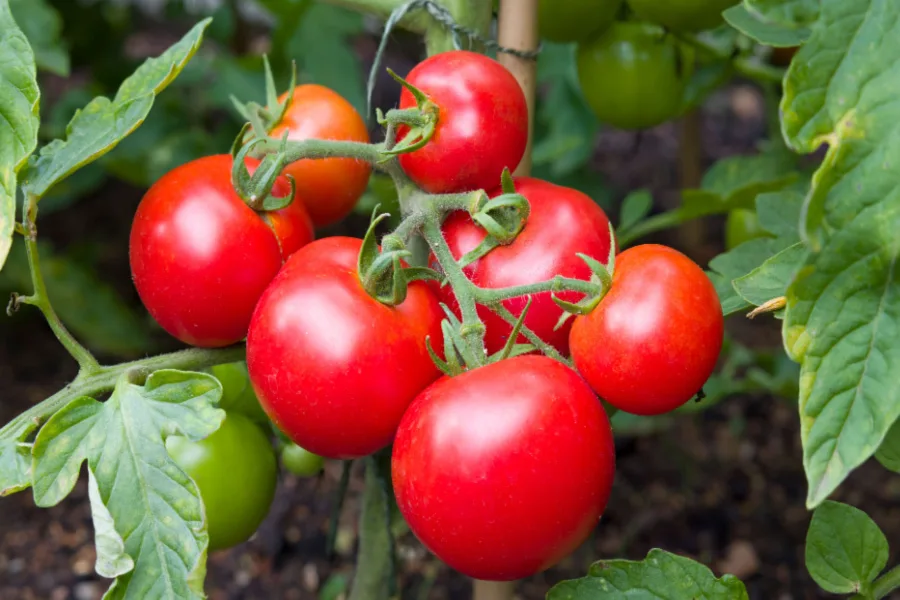
There is a common belief that tomatoes must ripen on the vine to achieve peak flavor. While there is truth to this, the reality is nuanced.
Vine-Ripened Tomatoes:
- Have the most intense aroma and full flavor.
- Higher in sugar and organic acids.
- Best eaten fresh and immediately after picking.
Off-the-Vine Ripening (Post-Breaker Stage):
- Scientifically proven to result in nearly identical flavor if picked at the breaker stage or later.
- Allows for controlled ripening indoors, reducing risks of pests, rain damage, or cracking.
Conclusion: For best flavor and safety, pick tomatoes at breaker to pink stage and let them ripen indoors at room temperature.

How to Know When to Pick Different Tomato Varieties
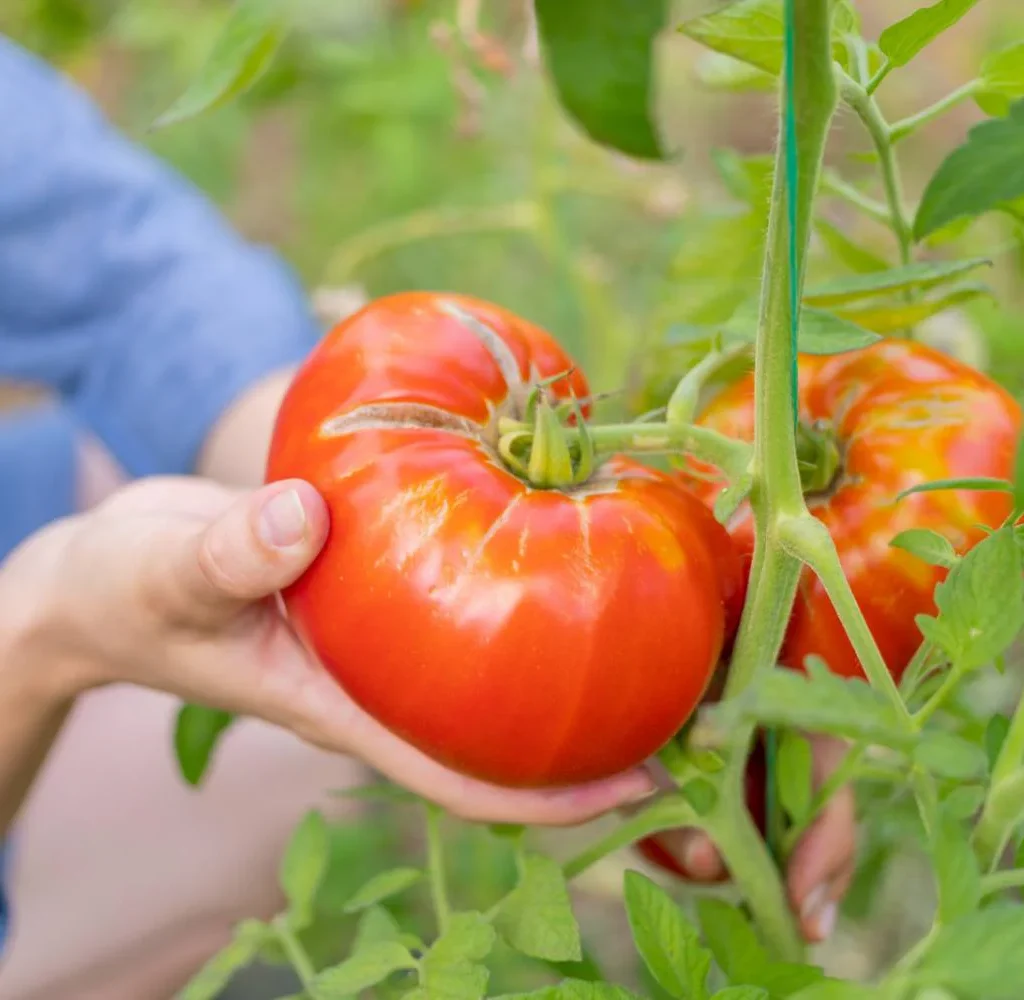
Tomatoes come in many shapes, sizes, and colors—each with slightly different harvest indicators. Here’s how to recognize peak flavor time for different types:
1. Red Slicing Tomatoes
- Should be 90–100% red.
- Slight give when gently squeezed.
- Rich tomato aroma.
- Pick when the fruit is firm but not hard.
2. Cherry and Grape Tomatoes
- Fully colored (red, orange, or yellow, depending on the variety).
- Should detach easily with a light tug.
- Intense sweetness develops late, so leave them until fully ripe for snacking.
3. Heirloom Tomatoes
- Color may vary widely—striped, pink, purple, green-when-ripe.
- Often slightly soft to the touch.
- Pick when the shoulders begin to give and color is rich and deep.
- Watch for cracking, as heirlooms are more delicate.
4. Roma or Paste Tomatoes
- Firm and oval-shaped.
- Fully red or appropriate variety color.
- Slight softness indicates ripeness.
- Less juice, more flesh—ideal for sauces.
5. Green-When-Ripe Varieties (e.g., Green Zebra)
- Pick based on subtle color changes (from bright green to yellow-green with stripes).
- Slight softness and developed aroma are indicators.
- Do not wait for them to turn red—they won’t.
Physical and Sensory Signs of Ripeness
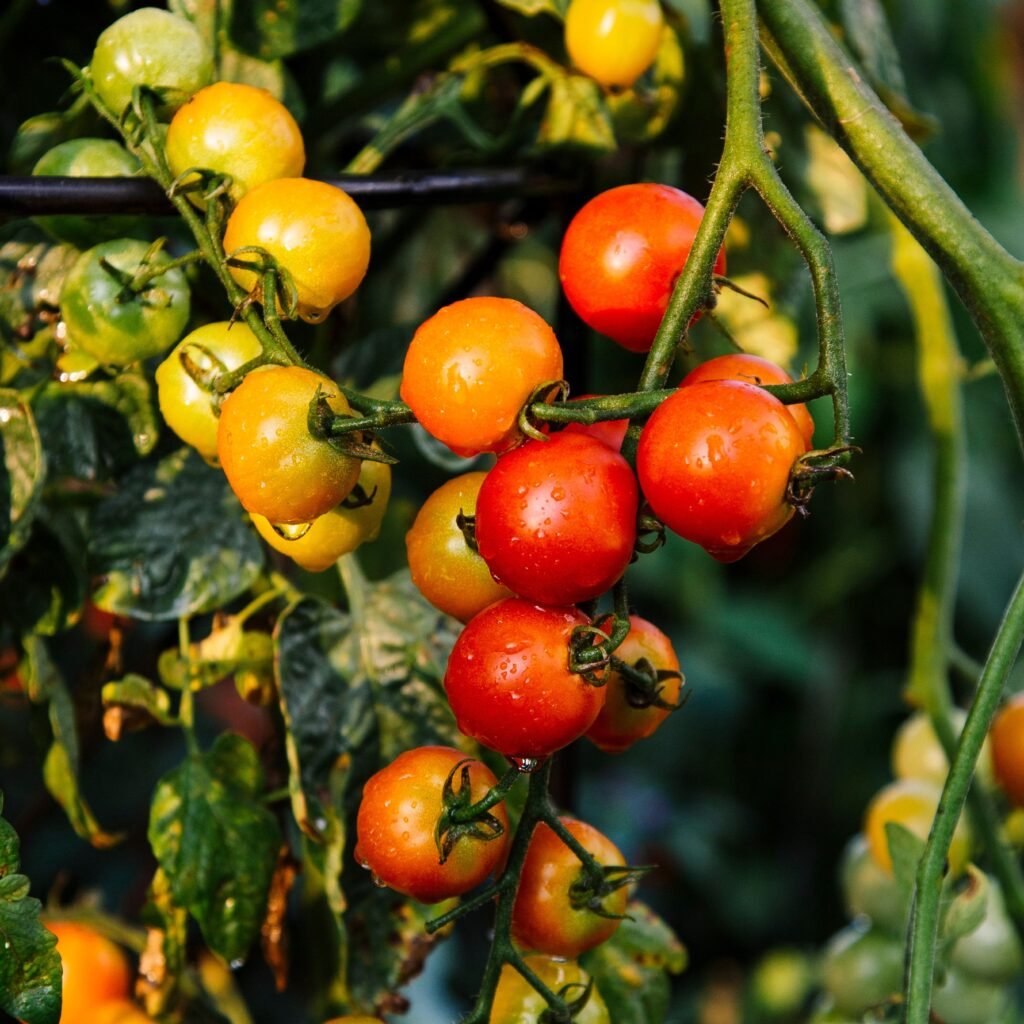
When deciding whether to harvest, rely on the following cues:
Color
- Rich, deep, and consistent with the variety.
- No green patches (except near the stem on some types).
Touch
- Slight softness when gently squeezed.
- Should not be mushy or rock-hard.
Smell
- A fragrant, earthy aroma near the stem end.
- No sour or fermented smell.
Ease of Detachment
- A ripe tomato will separate from the vine easily with a gentle twist.
- Avoid forcing it—if it resists, it may need more time.
Weather and Environmental Factors
Environmental conditions play a major role in tomato ripening and flavor development.
Sunlight
- Full sun accelerates sugar production and lycopene development.
- Shade-grown tomatoes may take longer to ripen and may be less flavorful.
Temperature
- Ideal ripening temperature: 68°F to 77°F (20°C to 25°C)
- Temperatures over 85°F (29°C) can halt ripening and cause sunscald.
- In very hot weather, harvest early and ripen indoors.
Rain and Humidity
- Sudden heavy rain can cause ripe tomatoes to split.
- Pick tomatoes just before a predicted storm to avoid water damage.
How to Ripen Tomatoes Indoors (If Picked Early)
If you pick tomatoes at the breaker or turning stage, follow these tips to ripen them indoors without sacrificing flavor:

1. Room Temperature Storage
- Place tomatoes in a single layer, stem side down.
- Store at room temperature (65–75°F / 18–24°C).
- Keep out of direct sunlight.
2. Paper Bag Method
- Put tomatoes in a paper bag with a ripe banana or apple.
- The ethylene gas will speed up ripening.
- Check daily to avoid over-ripening.
3. Avoid Refrigeration
- Cold temperatures (below 55°F / 13°C) destroy flavor and texture.
- Only refrigerate fully ripe tomatoes you can’t eat immediately, and allow them to return to room temperature before consuming.
Common Mistakes to Avoid
| Mistake | Why It’s a Problem |
|---|---|
| Picking too early (green stage) | Poor flavor, mealy texture, low sugar |
| Leaving fruit too long on the vine | Risk of cracking, pests, and mushiness |
| Storing in the fridge | Damages flavor compounds and texture |
| Picking based on size alone | Size doesn’t always indicate ripeness |
| Waiting for complete color change in green-when-ripe types | They never turn red—understanding variety is key |
Conclusion
Knowing when to pick tomatoes for peak flavor is a balance of science and observation. While it’s tempting to leave tomatoes on the vine until they look picture-perfect, understanding the ripening stages, variety-specific cues, and environmental influences can help you make the most flavorful choices.
By picking tomatoes at the right time—ideally at the breaker, pink, or light red stage—and allowing them to ripen under the best conditions, you can enjoy the rich, complex, garden-fresh taste that only a perfectly timed harvest can offer.
Remember, a tomato is more than just a fruit—it’s a living culmination of sun, soil, water, and time. With the right knowledge and attention, you can enjoy the full reward of your garden’s bounty—bursting with flavor and picked at just the right moment.


Leave A Comment