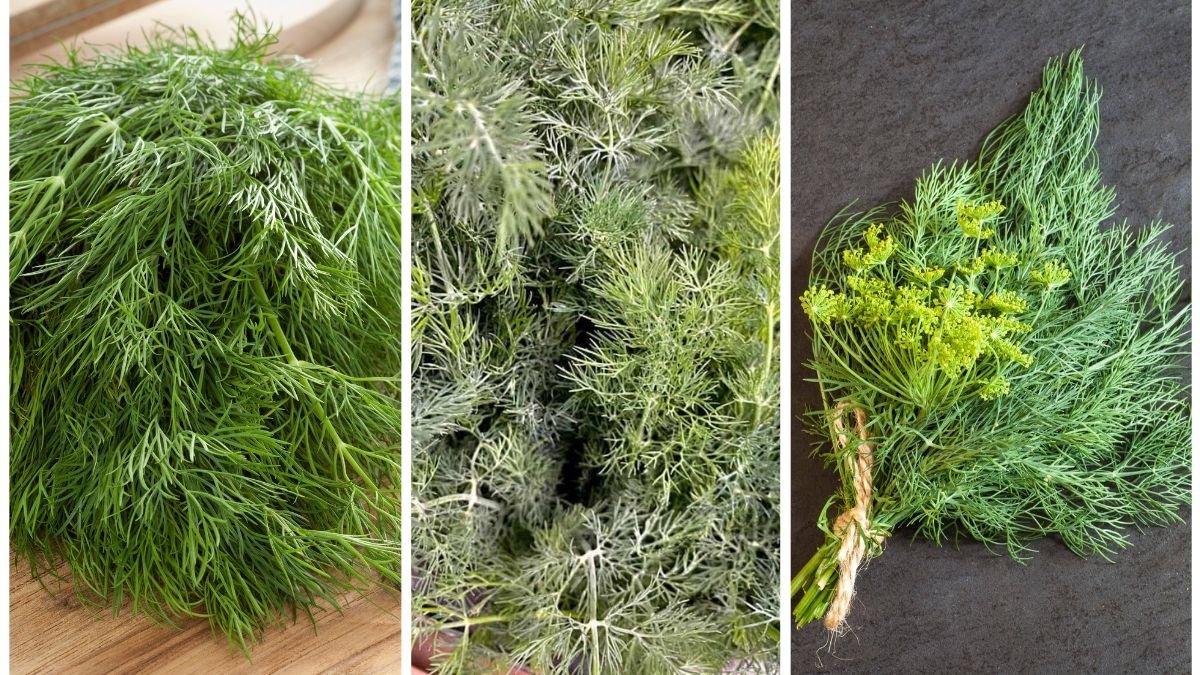
Dill (Anethum graveolens) is a flavorful, aromatic herb beloved by chefs and gardeners alike. Whether it’s sprinkled fresh on a potato salad, brewed into a digestive tea, or used to flavor pickles, dill is a versatile addition to any garden. But if you’ve ever tried to harvest dill only to see your plant struggle or die shortly after, you’re not alone.
Harvesting dill the right way is crucial to its health and longevity. With the proper technique, you can enjoy continuous harvests throughout the growing season — without harming or killing the plant.
This article is a complete, detailed guide on how to harvest dill without killing the plant. We’ll cover everything from understanding its growth cycle, knowing when and how to cut it, tips to maximize regrowth, and common mistakes to avoid.
Why Dill Is a Unique Herb
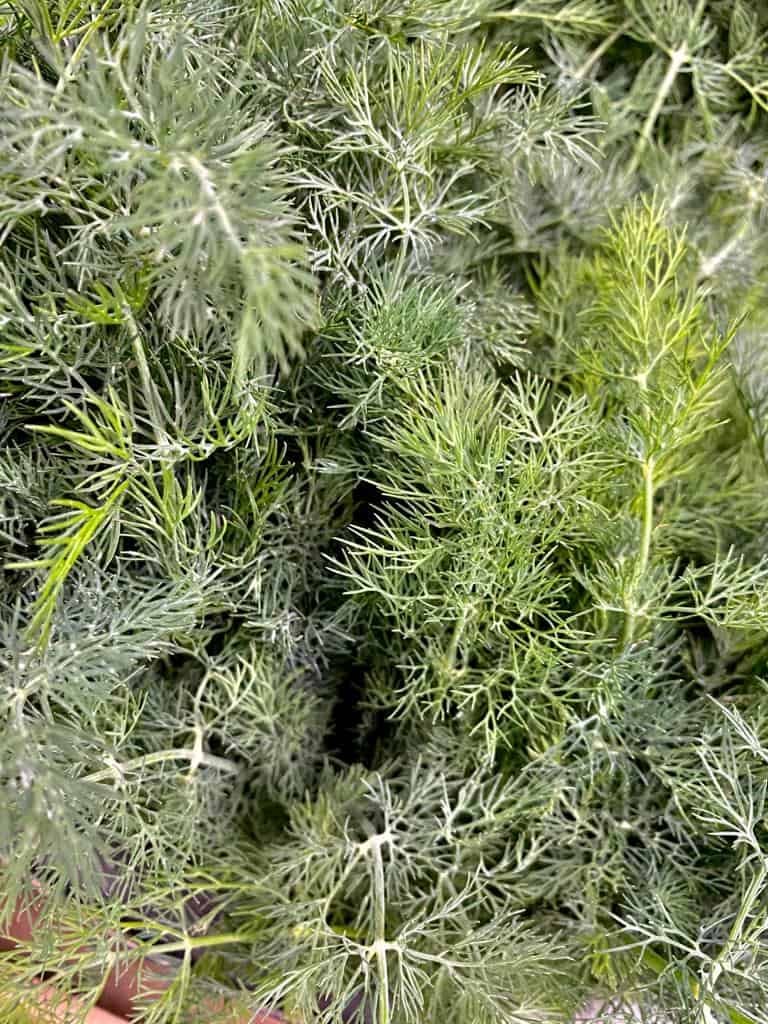
Before diving into harvesting techniques, it’s essential to understand the growth habit of dill, which directly influences how and when you should harvest it.
Fast-Growing but Short-Lived
- Dill is an annual herb, meaning it completes its life cycle in one season.
- It grows quickly, often reaching 2–4 feet in height within 6–8 weeks.
- If not harvested properly, it will bolt (produce flowers and seeds), ending its leaf production.
Bolting and Flowering
- Once dill bolts, the plant shifts its energy from growing leaves to producing seeds.
- Leaf production slows or stops entirely.
- While flowering is natural, you can delay bolting through correct harvesting and care.
Understanding this life cycle helps you know why timely, selective harvesting is key to keeping the plant alive and productive.
Parts of the Dill Plant You Can Harvest
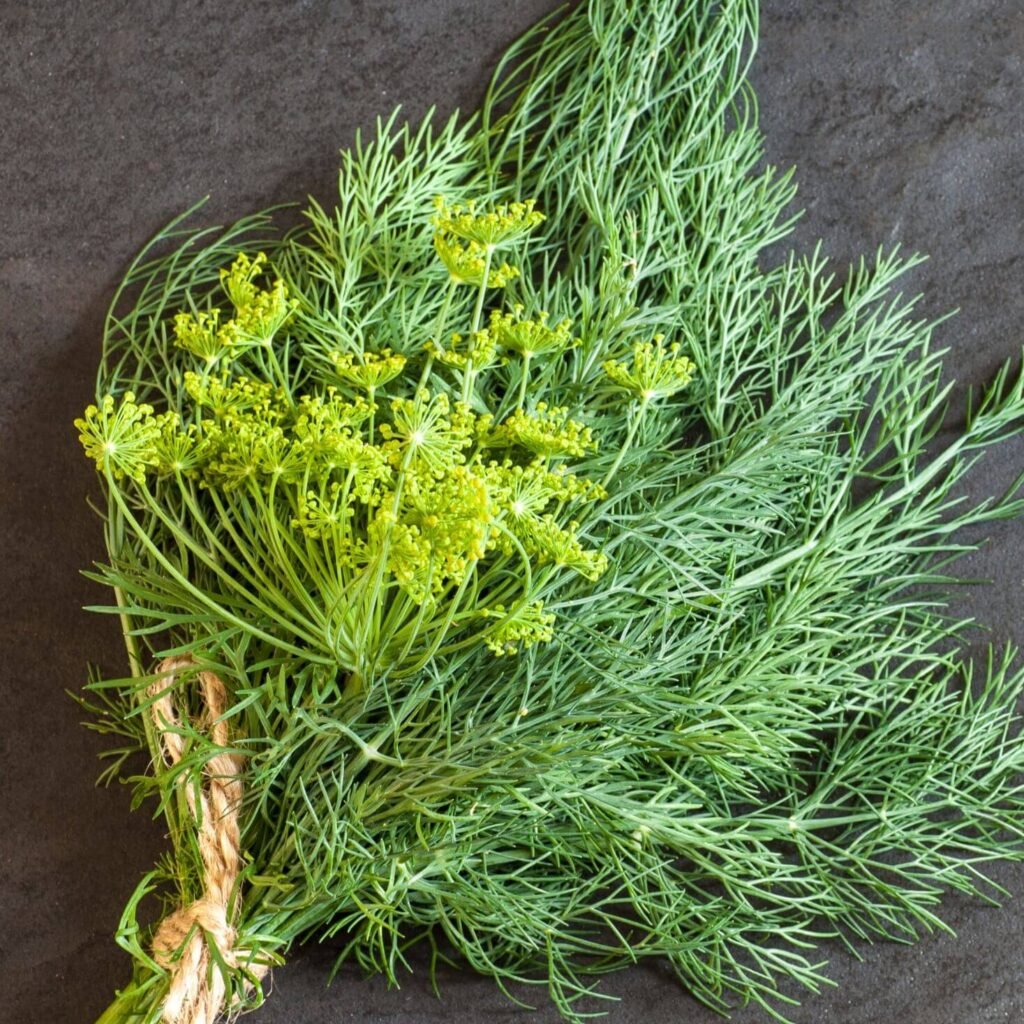
Dill is one of those herbs where multiple parts can be harvested and used:
- Leaves (Dill Weed) – Used fresh or dried in cooking.
- Seeds – Used in pickling, spice blends, or herbal remedies.
- Flowers – Edible and used for flavoring pickles or garnishes.
This guide focuses on harvesting leaves — the most commonly used part — without killing the plant. However, we’ll also touch briefly on harvesting flowers and seeds without disrupting growth prematurely.
When to Start Harvesting Dill
Timing is everything in herb harvesting.
Ideal Time to Harvest Dill Leaves:
- Begin harvesting when the plant reaches 8–12 inches tall.
- This is typically around 4–6 weeks after planting.
- At this stage, the plant has developed enough foliage to sustain regrowth after cutting.
Best Time of Day:
- Harvest in the morning, just after the dew has dried.
- Essential oils are at their peak concentration, resulting in maximum flavor and aroma.
How to Harvest Dill Without Killing the Plant
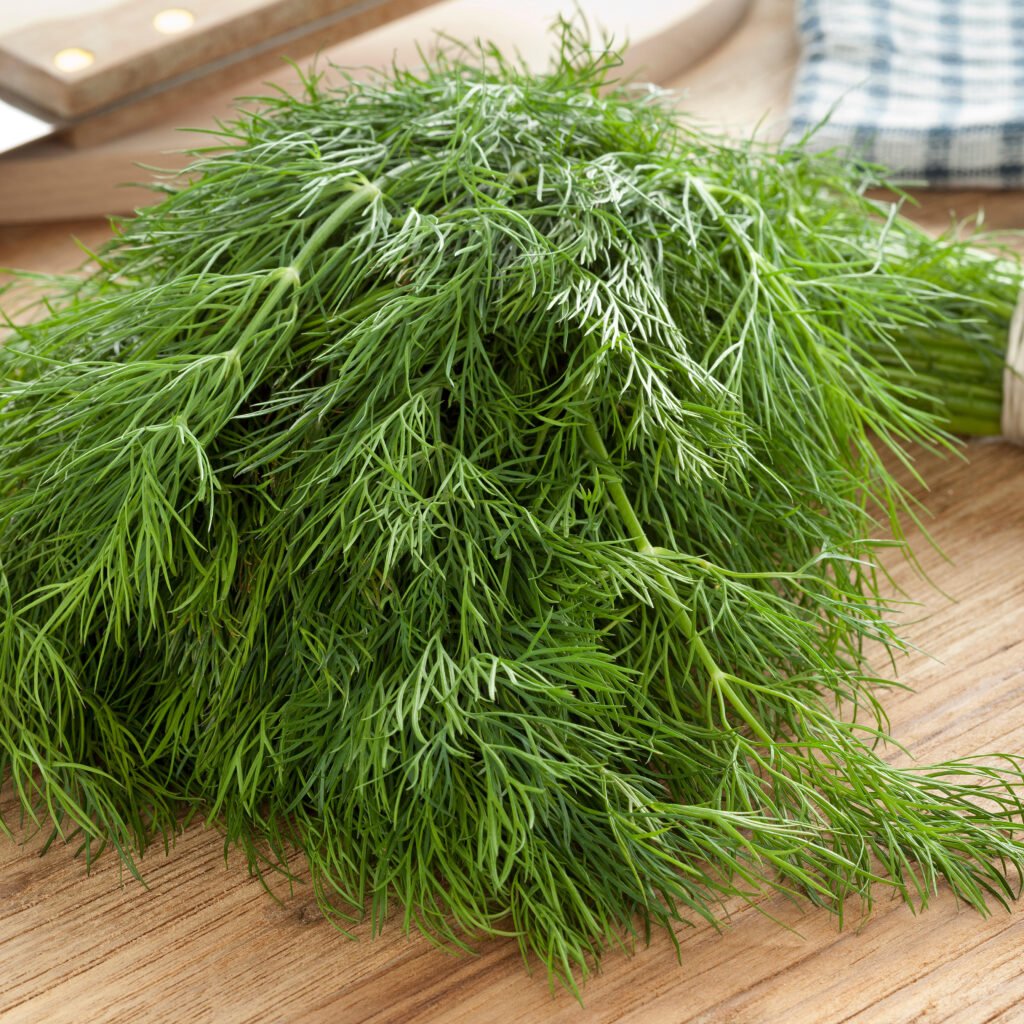
To keep your dill alive and productive, follow these five core principles.
1. Use the “Cut-and-Come-Again” Method
This method involves trimming only what you need while leaving enough of the plant intact to continue growing.
Steps:
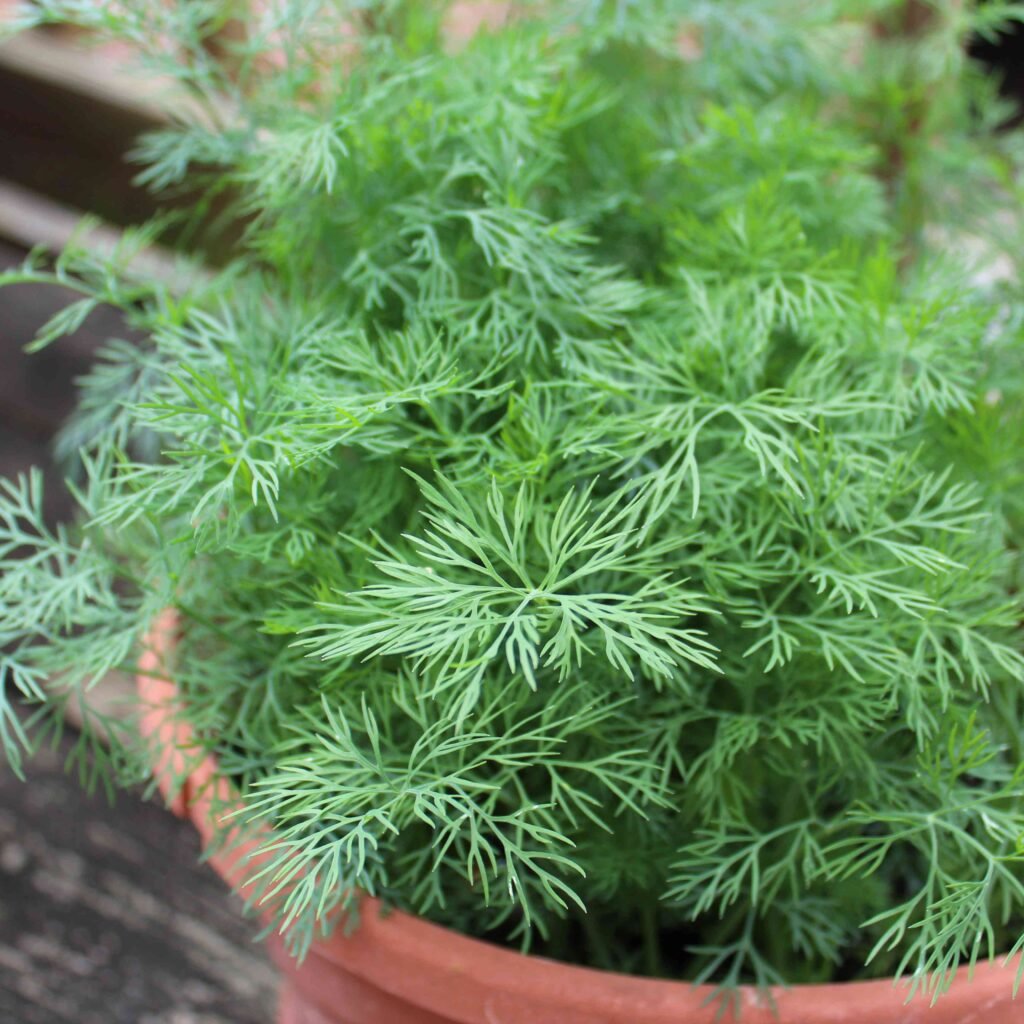
- Identify the outer, mature fronds (feathery leaves).
- Use sharp scissors or garden shears to cut these leaves 2–4 inches from the base.
- Leave the center (crown) of the plant untouched — this is where new growth originates.
- Only take about one-third of the plant at a time.
This method stimulates regrowth and extends the life of the plant.
2. Never Harvest the Whole Plant at Once
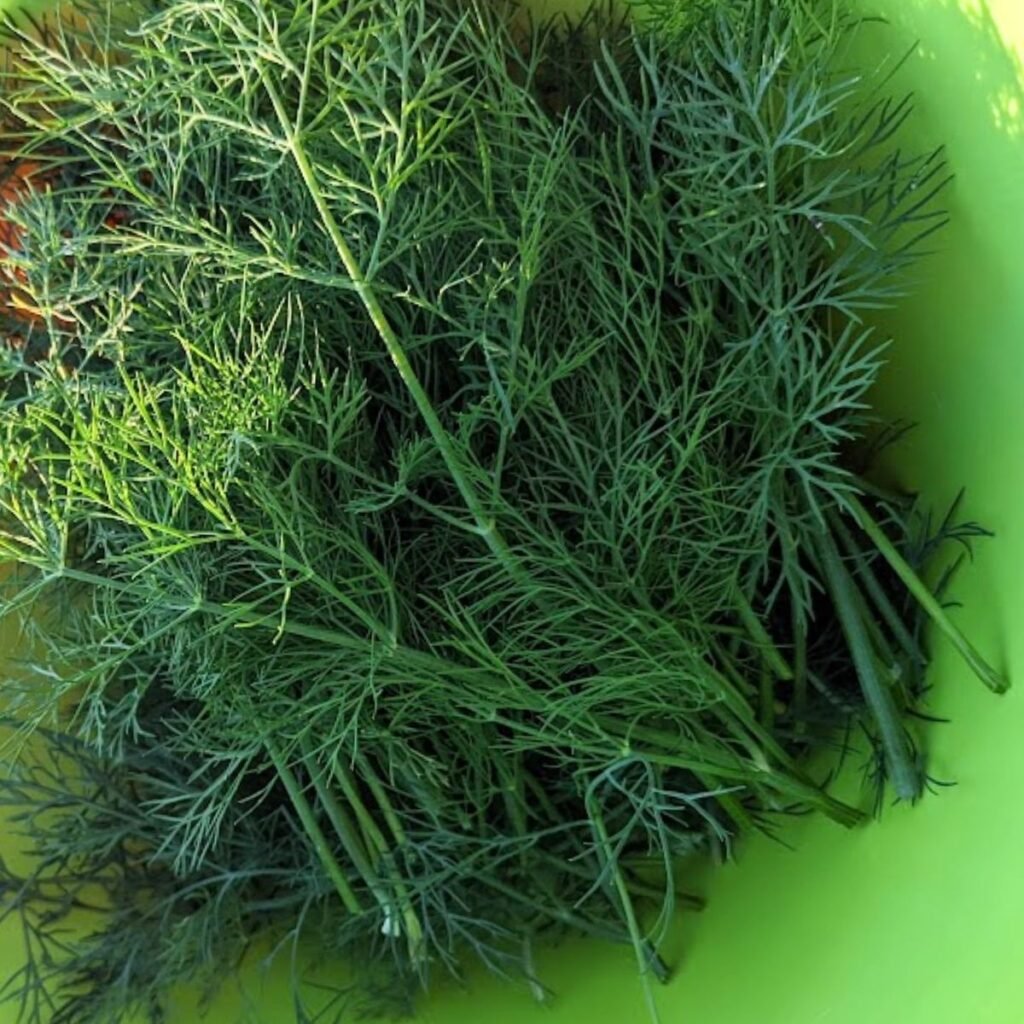
It may be tempting to cut the entire plant when you need a big batch of dill — but doing so will halt further growth.
Why it matters:
- The dill plant needs leaves to perform photosynthesis.
- Removing all foliage starves the plant and often leads to death.
Best practice: Take small, regular harvests instead of a one-time cut.
3. Pinch Off Flower Buds to Delay Bolting
As soon as you notice flower buds forming at the top of the plant, pinch them off. This redirects the plant’s energy back into leaf production.
Why it works:
- Bolting is the beginning of the end of leaf growth.
- Removing flower buds delays the plant’s natural reproductive process.
- It gives you more time to harvest flavorful leaves.
However, if you’re growing dill for its seeds or flowers, allow bolting on some plants only, and keep others for foliage harvest.
4. Harvest Consistently
Regular harvesting is not only possible — it’s beneficial.
- Dill responds well to light, frequent trimming.
- Regular cutting prevents the plant from becoming leggy and encourages bushier growth.
Schedule: Aim to harvest every 7–10 days once the plant is established.
5. Water and Feed After Harvesting
Harvesting can stress any plant. Help dill recover by:
- Watering at the base immediately after harvest.
- Applying a diluted organic fertilizer (like compost tea or fish emulsion) every 2–3 weeks.
This ensures the plant has enough energy to regrow quickly.
How to Harvest Dill Seeds and Flowers Without Killing the Plant
If you’re interested in harvesting dill seeds for cooking or future planting:
Steps:
- Allow some plants to bolt and form umbrella-shaped flower heads.
- Once flowers turn brown and seed pods form, cut the entire flower stalk.
- Hang upside down in a paper bag to dry and collect seeds.
Important: Let only some plants go to seed. Keep others in vegetative (leaf-growing) phase by pinching flowers, so you can continue harvesting leaves.
Indoor Dill Harvesting Tips
If you’re growing dill in containers indoors:
- Ensure it gets at least 6 hours of sunlight (use grow lights if needed).
- Use a well-draining potting mix.
- Harvest using the same methods: trim outer fronds, leave the center, and pinch flower buds.
- Avoid overharvesting — small plants need more time to regrow.
Common Mistakes to Avoid
| Mistake | Consequence |
|---|---|
| Cutting the entire plant | Plant won’t recover; it may die |
| Harvesting too early | Stunts growth and reduces yield |
| Ignoring flower buds | Plant bolts; leaf production declines |
| Using dull scissors or hands | Damages stems, invites disease |
| Overharvesting | Weakens the plant and shortens its life |
Signs You’re Harvesting Dill Correctly
- The plant continues to produce new leaves after each harvest.
- It maintains a bushy, green appearance.
- There is no yellowing or drooping of leaves.
- Flower buds are under control unless intentionally left for seeds.
How Long Will Dill Keep Producing?
If harvested correctly and maintained well, dill can continue producing leaves for 6–10 weeks, or even longer. Once flowering becomes dominant and seed production starts, leaf growth will gradually decline.
For a continuous supply throughout the season, consider succession planting: sow new dill seeds every 3–4 weeks to stagger growth cycles.
Conclusion
Harvesting dill doesn’t have to mean the end of your plant’s life. With the right technique — selective cutting, avoiding overharvest, pinching flower buds, and providing proper care — you can enjoy fresh dill leaves again and again throughout the season.
Whether you’re growing dill for culinary use, herbal remedies, or seeds, understanding the plant’s growth cycle and harvesting needs allows you to maximize yield without compromising plant health.
So next time you reach for your shears, remember: the key to harvesting dill without killing the plant is not how much you cut — it’s how wisely you do it.

Leave A Comment