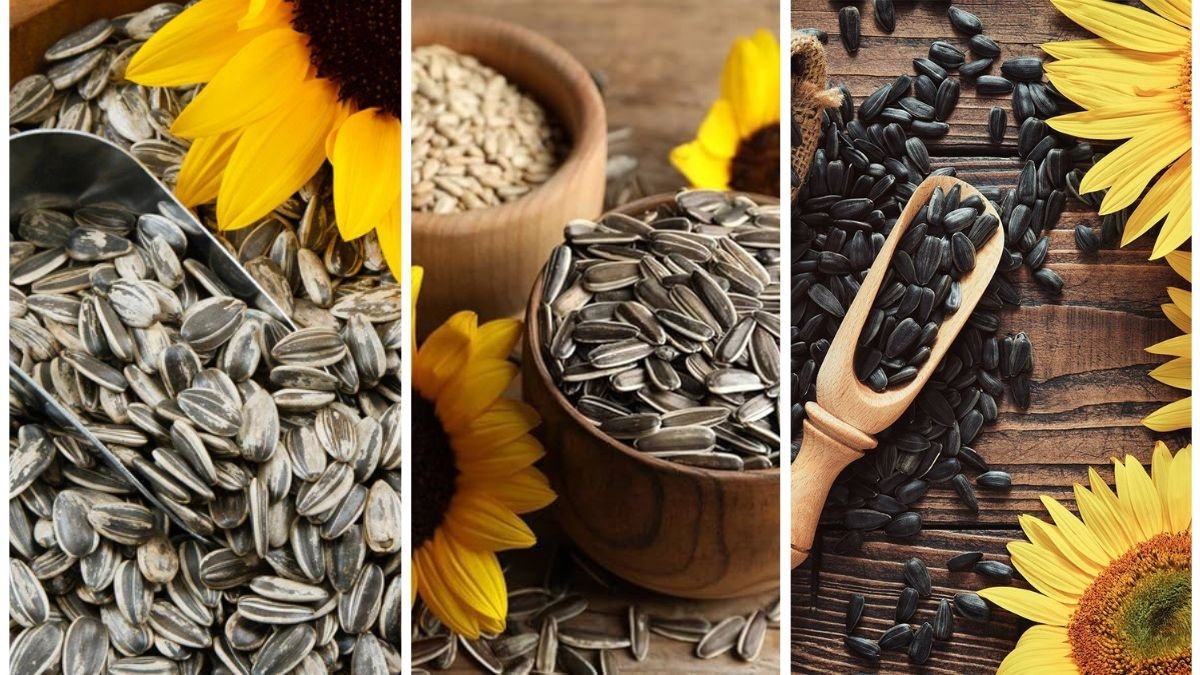
Sunflowers (Helianthus annuus) are some of the most iconic, eye-catching flowers in the gardening world. With their tall stalks, bright yellow petals, and sun-tracking heads, they bring beauty, biodiversity, and even edible seeds to any garden. Traditionally associated with summer, many gardeners are surprised to learn that sunflower seeds can also be planted in the fall—and with great success.
Fall planting not only allows for earlier blooms the following season but also plays a key role in soil health, pollinator support, and sustainable gardening. This article explores in detail why sunflower seeds are perfect for fall planting, including the biological, ecological, and practical advantages they offer. Whether you’re a backyard gardener, a homesteader, or a horticulture student, this guide will help you understand and utilize sunflowers to their fullest potential.
Understanding Sunflower Growth Basics
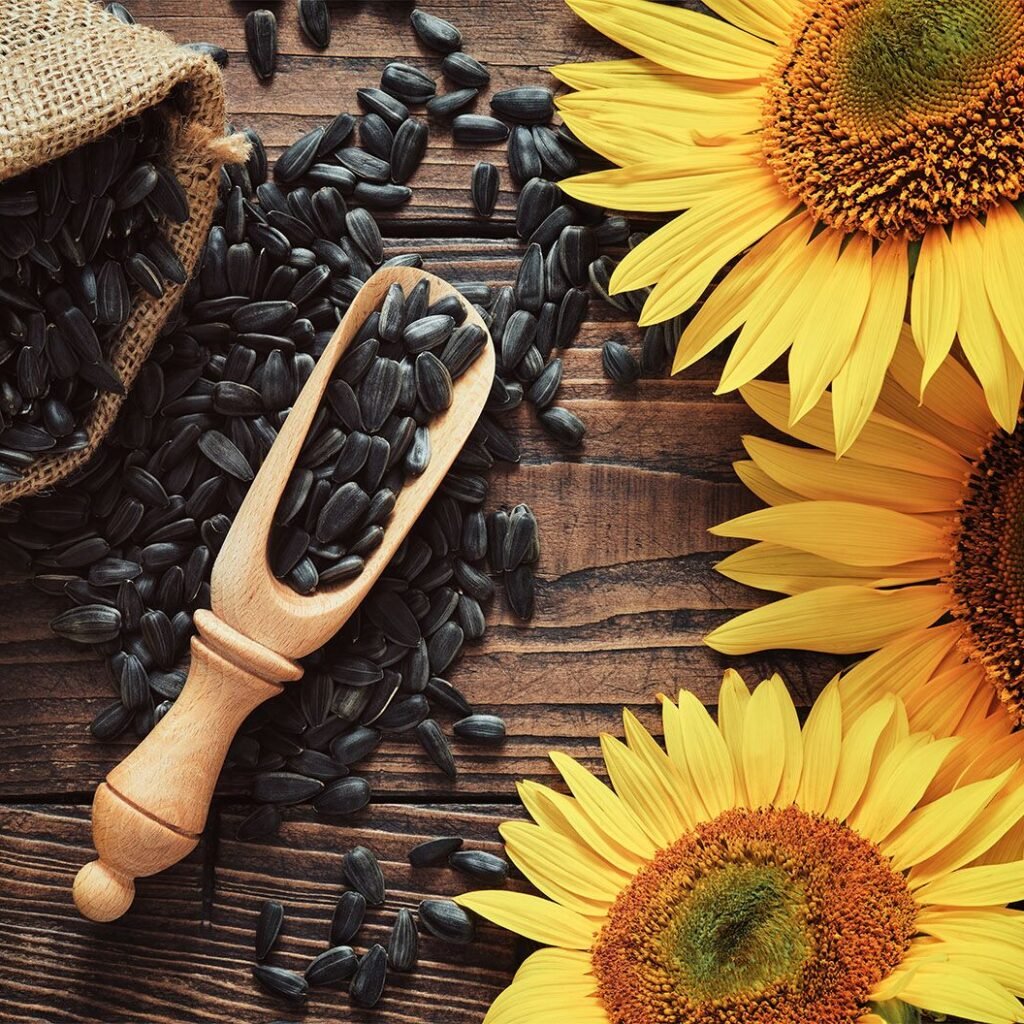
Before diving into fall planting, it’s essential to understand the basic growth requirements of sunflowers:
- Sunlight: Full sun (6–8 hours daily)
- Soil: Well-drained, neutral to slightly acidic soil
- Water: Moderate; drought-tolerant once established
- Spacing: Depends on variety (12–24 inches apart)
- Growth Time: 70–100 days from seed to bloom, depending on the variety
Sunflowers are annuals, meaning they complete their life cycle in one season. However, when planted in the fall, they behave more like a “winter annual”—germinating, establishing roots, and then going dormant until spring resumes their growth.
Why Fall Planting Works for Sunflowers
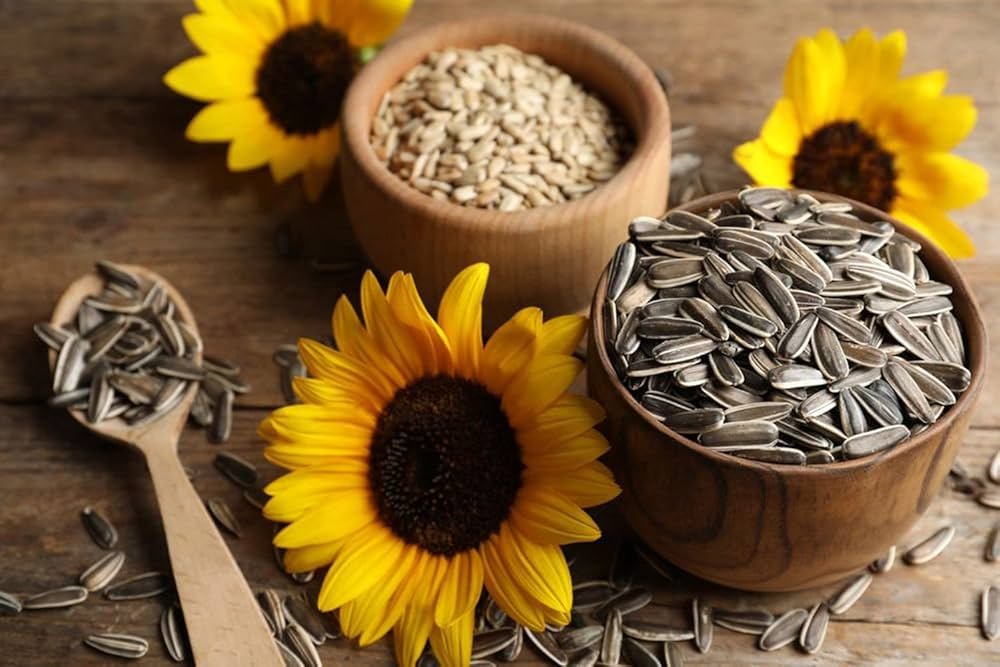
Contrary to the belief that all annuals must be planted in spring, sunflower seeds can thrive with fall sowing in many regions, especially those with mild or moderate winters.
Here’s why it works:
1. Natural Mimicry of Wild Cycles
In nature, sunflower seeds drop in late summer or fall and lie dormant in the soil until conditions are favorable again. Fall planting mimics this natural cycle, allowing seeds to overwinter and germinate at the right time in spring.
2. Earlier Blooms in Spring
Seeds sown in fall often germinate earlier than spring-planted seeds because they’ve already endured cold stratification and begin growing as soon as soil warms. This results in:
- Earlier flowering (by 2–3 weeks)
- A longer season of blooms and seed production
3. Stronger Root Systems
Fall-planted sunflower seeds develop strong root systems over the winter, especially if planted early enough to sprout before the first frost. This gives the plant a head start in spring, leading to:
- More vigorous growth
- Taller stems
- Larger flower heads
Benefits of Fall Planting Sunflower Seeds
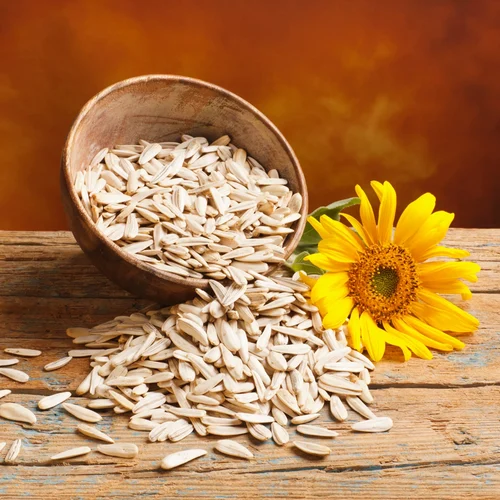
Let’s explore in detail the key advantages of planting sunflower seeds in the fall:
1. Natural Cold Stratification
Many sunflower seeds benefit from cold stratification, a process where seeds are exposed to cold temperatures to break dormancy. Fall planting allows nature to handle this process for you.
Benefits:

- Improves germination rates
- Breaks dormancy naturally
- Reduces need for indoor seed treatments
2. Early Pollinator Support
Early blooming sunflowers serve as important nectar sources for pollinators like bees, butterflies, and other beneficial insects emerging in spring.
Fall planting ensures:
- First blooms align with first pollinators
- Support for local bee populations
- Greater biodiversity in your garden
3. Weed Suppression and Soil Health
Sunflowers have deep taproots that break up compacted soil and draw nutrients from deep layers. Planting in fall can also suppress spring weed growth due to early canopy development.
- Prevents soil erosion during winter
- Improves soil structure
- Suppresses early-season weeds
4. Food Source for Birds and Wildlife
Sunflowers are a favorite food source for birds, especially goldfinches, in late summer and fall. If fall-planted seeds produce early blooms and seed heads, they’ll offer:
- An earlier food source for seed-eating birds
- Natural pest control as birds consume insects too
- Greater attraction of wildlife to your garden
5. Ideal for Cut Flower Production
If you’re growing sunflowers for floristry or cut flowers, earlier blooms mean earlier harvests. This gives growers a market advantage in spring and early summer.
How to Successfully Plant Sunflower Seeds in Fall
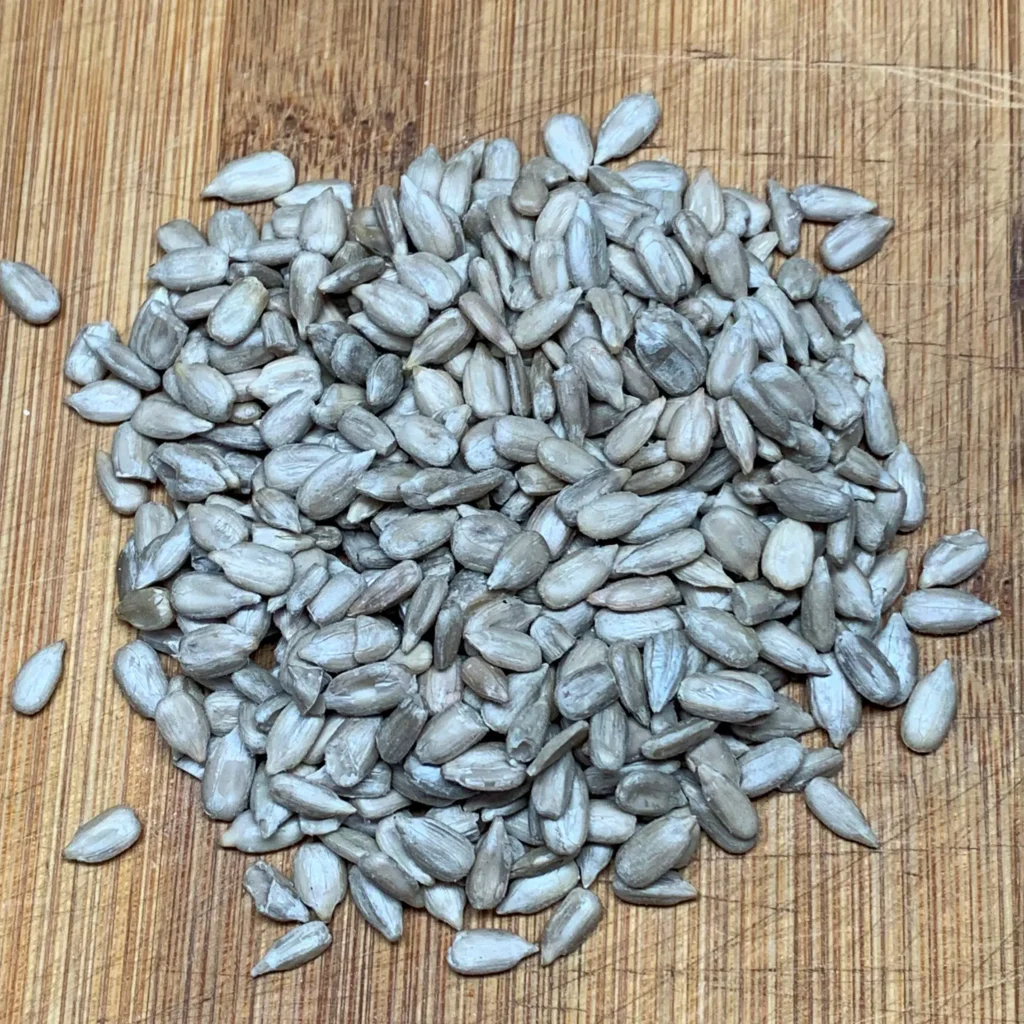
While fall planting is beneficial, success depends on timing, variety selection, and local climate. Here’s how to do it right:

1. Choose the Right Time
- Ideal Time: 2–4 weeks before the first average frost date
- This gives seeds time to settle and, in some climates, even germinate slightly before winter.
- In colder zones (USDA zones 5 and below), seeds will likely remain dormant until spring.
2. Select Cold-Hardy or Native Varieties
Some sunflower varieties are better suited for fall planting:
- Native sunflowers (e.g., Helianthus maximiliani)
- Smaller varieties with shorter growing cycles (e.g., Teddy Bear, Autumn Beauty)
- Heirloom or open-pollinated types that adapt well to natural cycles
3. Prepare the Soil
- Loosen soil 12–18 inches deep to accommodate taproots.
- Mix in compost or aged manure to improve fertility and drainage.
- Ensure the site has full sun exposure.
4. Sow the Seeds
- Plant seeds 1 inch deep and 6–12 inches apart, depending on variety.
- Cover lightly with soil and press gently.
- Water once after planting. Do not overwater, as excess moisture + cold = seed rot.
5. Mulch Lightly (Optional)
- Apply a light mulch layer (e.g., straw or shredded leaves) to protect seeds from heavy rain, frost heave, and birds.
- Remove or thin mulch in early spring to allow sprouts access to light.
Regions Where Fall Planting Works Best
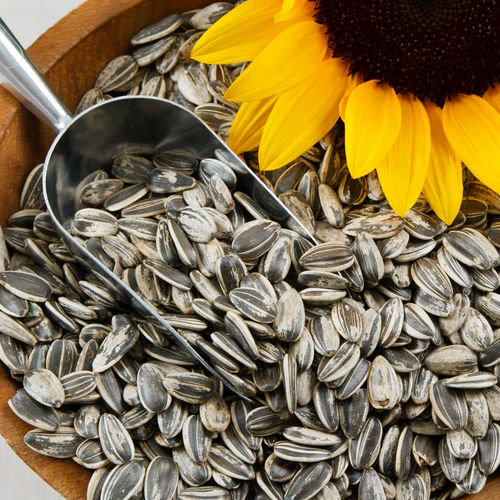
Fall planting of sunflower seeds is especially effective in:
- Mild winter climates (USDA Zones 7–10)
- Areas with early springs and minimal snow cover
- Regions with wet but not freezing winters
In colder climates (Zones 3–6), success depends on seed hardiness and soil drainage. You may still plant in fall, but expect delayed germination until soil temperatures rise.
Potential Risks and How to Avoid Them
While fall planting has many benefits, there are also a few risks:
| Risk | Prevention |
|---|---|
| Premature germination before winter | Plant close to first frost date |
| Seed rot in wet soils | Ensure well-draining soil, avoid clay-heavy beds |
| Wildlife eating seeds | Use row covers or netting if needed |
| Frost damage to seedlings | Mulch and choose frost-tolerant varieties |
Success Tips for Maximum Bloom
- Succession Planting: Combine fall and spring planting for a longer bloom season.
- Deadheading: Remove old blooms to encourage branching and new flowers.
- Fertilization: Use a balanced organic fertilizer in early spring when growth resumes.
- Companion Planting: Grow with cucumbers, squash, or beans to improve pollination and pest control.
Sunflowers in Sustainable and Regenerative Gardening
Sunflowers are more than just pretty flowers. In regenerative agriculture and sustainable gardening, they serve multiple purposes:
- Phytoremediation: Sunflowers extract heavy metals and toxins from soil.
- Carbon sequestration: Their rapid growth absorbs carbon dioxide.
- Biodiversity: They attract dozens of beneficial species to your garden ecosystem.
By fall-planting sunflowers, you’re aligning your gardening practice with nature’s cycles and contributing to a more resilient, productive, and biodiverse space.

Conclusion
Sunflower seeds are not just for spring — in fact, fall may be the perfect time to sow them. With the right timing, conditions, and variety, fall-planted sunflowers will reward you with stronger plants, earlier blooms, better soil, and happier pollinators.
Whether you’re a casual gardener or a serious grower, planting sunflowers in fall is a simple yet powerful way to harness the rhythms of nature for maximum beauty and yield.
So as the days grow shorter and the temperatures cool, don’t pack away your gardening tools just yet. Instead, plant a row of sunflowers and let them work their magic — above and below the soil — all through the coming seasons.

Leave A Comment