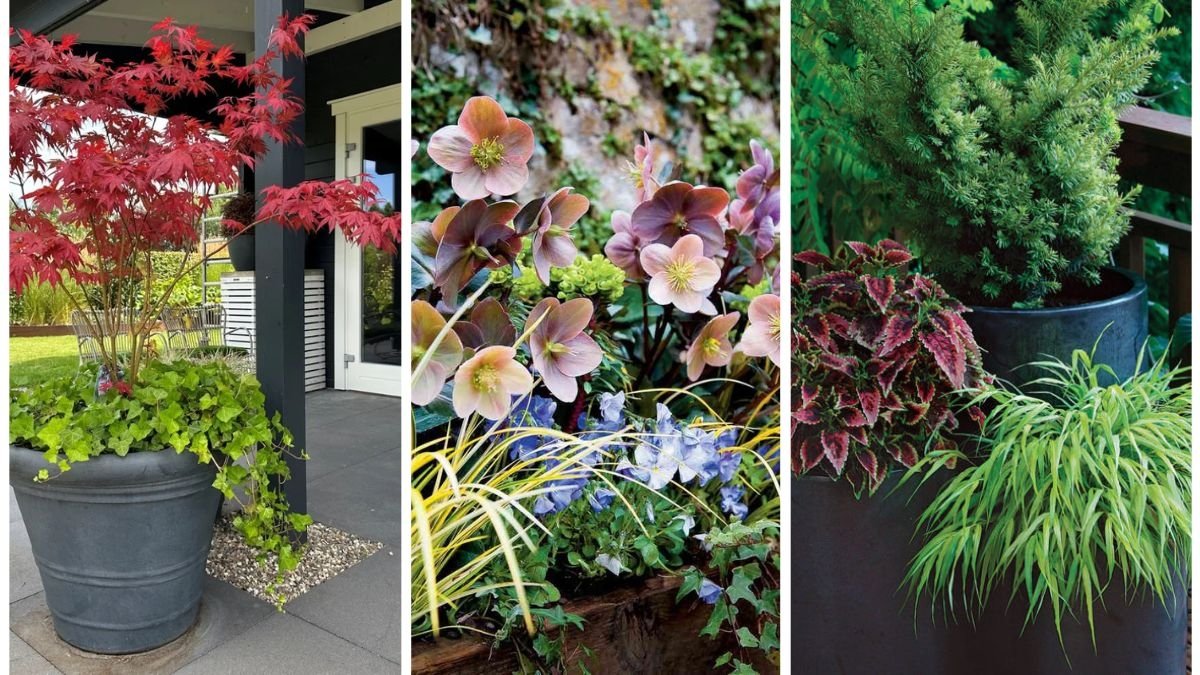
Container gardening has become a staple in urban spaces, patios, and small balconies. Yet one of the biggest challenges for container gardeners is dealing with limited sunlight. Not all outdoor or indoor areas receive the recommended six to eight hours of full sun that many plants crave. Fortunately, shade doesn’t have to mean a dull or lifeless garden. In fact, many shade-loving plants thrive in low-light conditions and bring a unique beauty to small spaces.
Whether you’re working with a shaded balcony, a covered porch, or an indoor nook, choosing the right shade-loving plants can turn even the gloomiest corner into a lush green retreat. This article explores five stunning shade-tolerant plants that are perfect for small containers, combining aesthetic appeal, manageable size, and low maintenance.
1. Hostas (Hosta spp.)
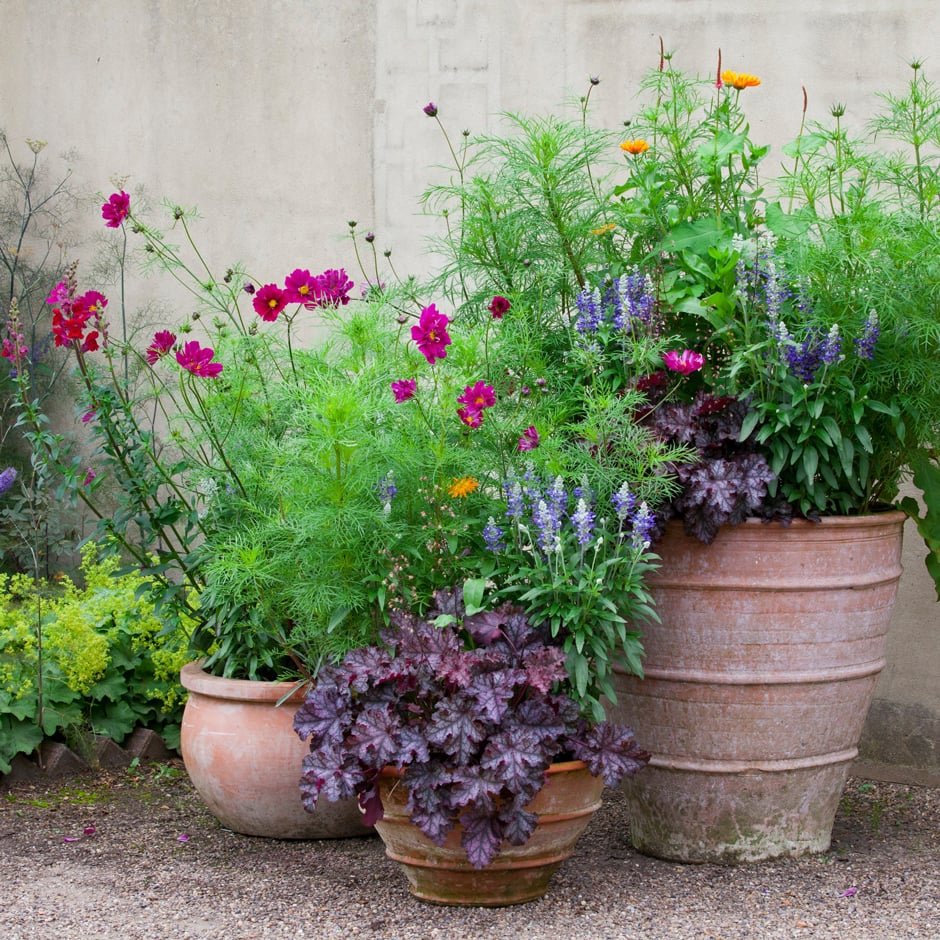
Why Hostas Are Ideal for Shade and Containers:
Hostas are classic shade garden favorites, beloved for their ornamental foliage. With their wide range of leaf colors, textures, and sizes, hostas bring visual interest even without blooms. While many varieties are quite large, there are miniature and dwarf hostas that are ideal for small containers.
Key Features:
- Foliage: Green, blue, variegated white/yellow
- Height: 4 inches to 2 feet (dwarf varieties for containers)
- Light Needs: Partial to full shade
- USDA Zones: 3–9 (depending on variety)
Recommended Varieties for Small Containers:
- ‘Blue Mouse Ears’ – Compact and round with bluish foliage
- ‘Golden Tiara’ – Small with green leaves and yellow edges
- ‘Pandora’s Box’ – Creamy center with green borders, very compact
Care Tips:
- Use a moisture-retentive but well-draining potting mix
- Water consistently, especially during dry spells
- Protect from slugs and snails, which are common pests
2. Ferns (e.g., Boston Fern, Maidenhair Fern, Japanese Painted Fern)
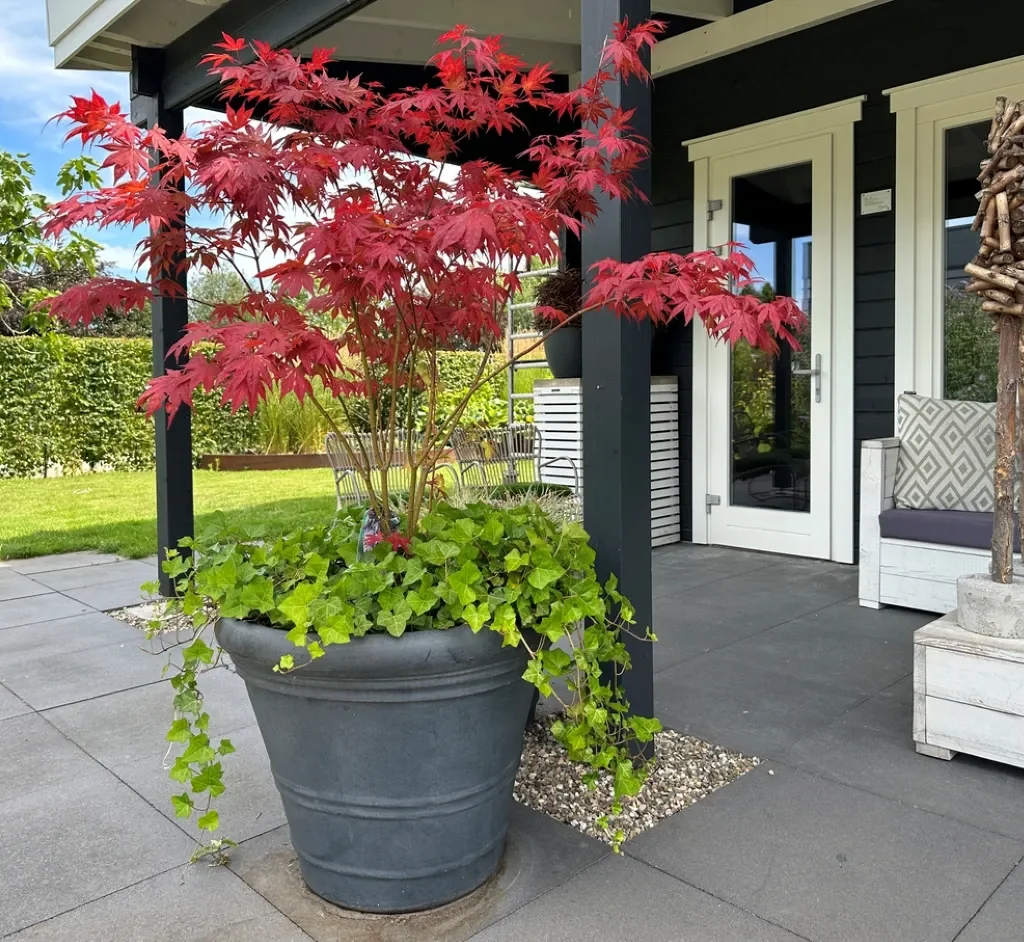
Why Ferns Are Ideal for Shade and Containers:
Ferns are champions of the shade garden, and their textural, feathery fronds add elegance to any container display. Many fern species thrive in small containers and offer an exotic, woodland feel.
Key Features:
- Foliage: Fine, divided, often arching
- Height: 6 inches to 2 feet (varies by species)
- Light Needs: Indirect light to full shade
- USDA Zones: 3–11 (species-dependent; some grown as houseplants)
Best Ferns for Containers:
- Boston Fern (Nephrolepis exaltata) – Classic and full-bodied
- Maidenhair Fern (Adiantum spp.) – Delicate foliage, perfect for indoor shade
- Japanese Painted Fern (Athyrium niponicum) – Striking silvery fronds with purple veins
Care Tips:
- Keep soil evenly moist, not soggy
- Mist regularly for humidity, especially indoors
- Use a peat-based potting mix with good aeration
3. Caladium (Caladium bicolor)
Why Caladium Is Ideal for Shade and Containers:
Caladiums are tropical foliage plants known for their dramatic, heart-shaped leaves in shades of red, pink, white, and green. They perform exceptionally well in containers and thrive in partial to deep shade.
Key Features:
- Foliage: Variegated, heart- or arrow-shaped
- Height: 12 to 24 inches
- Light Needs: Shade to filtered sun
- USDA Zones: 9–11 (grow as annuals or lift bulbs in colder zones)
Top Container Varieties:
- ‘White Christmas’ – Crisp white leaves with green veins
- ‘Pink Beauty’ – Vibrant pink centers with green margins
- ‘Red Flash’ – Deep red center with speckled green and pink edges
Care Tips:
- Plant tubers in warm soil (above 65°F)
- Water regularly but allow the soil to dry slightly between waterings
- Store tubers indoors in winter if grown in cold climates
4. Heuchera (Heuchera spp., also known as Coral Bells)
Why Heuchera Is Ideal for Shade and Containers:
Heucheras are prized for their colorful, ruffled foliage that comes in an array of hues from lime green and caramel to burgundy and almost black. Compact in size and shade-tolerant, they’re perfect for small containers or mixed arrangements.
Key Features:
- Foliage: Colorful, textured, evergreen in mild climates
- Height: 6 to 12 inches (with flower spikes up to 18 inches)
- Light Needs: Partial to full shade
- USDA Zones: 4–9
Popular Varieties for Containers:
- ‘Caramel’ – Apricot-orange foliage that glows in the shade
- ‘Obsidian’ – Deep black-purple leaves with high contrast
- ‘Lime Rickey’ – Bright chartreuse foliage for vibrant containers
Care Tips:
- Use well-drained soil with added organic matter
- Water regularly, especially in hot, dry weather
- Trim dead foliage in early spring to refresh the plant
5. Impatiens (Impatiens walleriana)
Why Impatiens Are Ideal for Shade and Containers:
When it comes to flowering plants for shady areas, impatiens top the list. These annuals are easy to grow, low maintenance, and bloom profusely in colors ranging from white and pink to coral and red—all season long.
Key Features:
- Flowers: Single or double blooms in vibrant shades
- Height: 6 to 12 inches
- Light Needs: Shade to filtered light
- USDA Zones: Annuals in most zones
Best Varieties for Small Containers:
- ‘Accent Series’ – Dwarf, uniform growth and bright colors
- ‘Double Impatiens’ – Rose-like blooms in pastel and bold shades
- ‘SunPatiens’ – Tolerates more sun but does well in partial shade too
Care Tips:
- Use rich, moist soil with good drainage
- Water frequently during hot weather
- Deadhead to encourage more blooms (although newer varieties are self-cleaning)
Design Tips for Small Shade Containers
Creating an attractive container arrangement in shady areas involves more than just plant selection. Consider the following design principles:
1. Thriller-Filler-Spiller Method
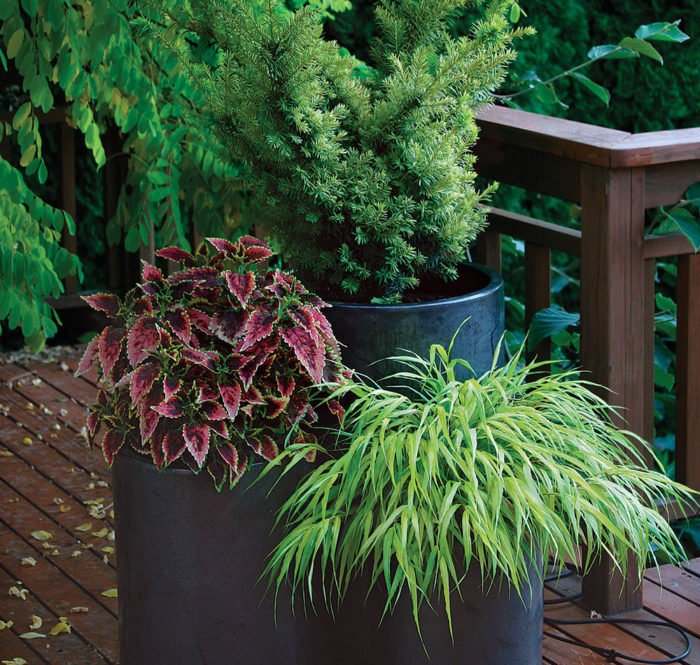
- Thriller: Taller, eye-catching plant (e.g., Caladium or Heuchera)
- Filler: Midsize plant to fill the space (e.g., Fern or Hosta)
- Spiller: Trailing plant over the container edge (e.g., Creeping Jenny or English Ivy)
2. Use Contrasting Textures and Colors
- Mix bold foliage (Caladium) with finer textures (Maidenhair Fern)
- Combine dark-leaved plants (Heuchera ‘Obsidian’) with light or variegated types
3. Container Choice Matters
- Choose containers that retain moisture, such as ceramic or glazed pots
- Use lighter colors to brighten darker spots
Maintaining Shade-Loving Container Plants
Even shade-tolerant plants need care and attention:
Watering:
- Shade slows down evaporation, so containers stay moist longer
- Check soil moisture regularly to avoid overwatering
Feeding:
- Use a balanced slow-release fertilizer or feed with a liquid fertilizer every 3–4 weeks during active growth
Pest Management:
- Common pests: slugs, aphids, spider mites
- Use natural solutions like neem oil or insecticidal soap
Seasonal Care:
- Many shade plants are perennials—overwinter containers indoors or in a sheltered area
- For annuals like impatiens, remove and replace in spring
Conclusion
Shade doesn’t have to be a limitation—it can be an opportunity to create a tranquil, lush retreat filled with subtle colors, rich textures, and unexpected elegance. By selecting the right shade-loving plants for small containers, even the darkest corners of your porch, balcony, or patio can become vibrant, living displays.
From the textured fronds of ferns to the flamboyant foliage of caladiums, and the constant blooms of impatiens, there’s a wealth of beauty waiting to thrive in your low-light garden. With thoughtful care and creative combinations, container gardening in the shade can be just as rewarding—and stunning—as gardening in the sun.

Leave A Comment