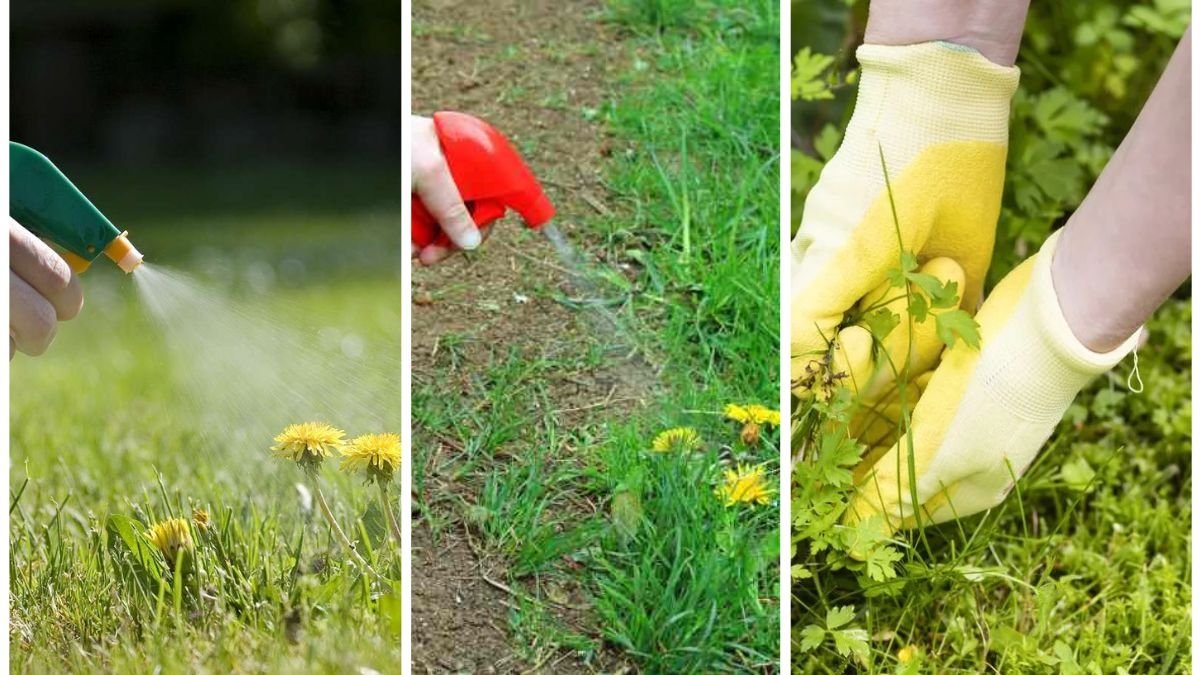
Weeds are the uninvited guests of every garden and farm. While some may appear harmless, their aggressive growth patterns, competition for nutrients, and ability to host pests and diseases make them a significant problem for gardeners and farmers alike. Traditionally, chemical herbicides have been the go-to solution for weed control. However, growing concerns about environmental health, human safety, and soil degradation have led many to seek alternative, chemical-free methods. This article explores how to effectively get rid of weeds without chemicals, offering practical strategies rooted in science and sustainability.
Why Avoid Chemical Herbicides?
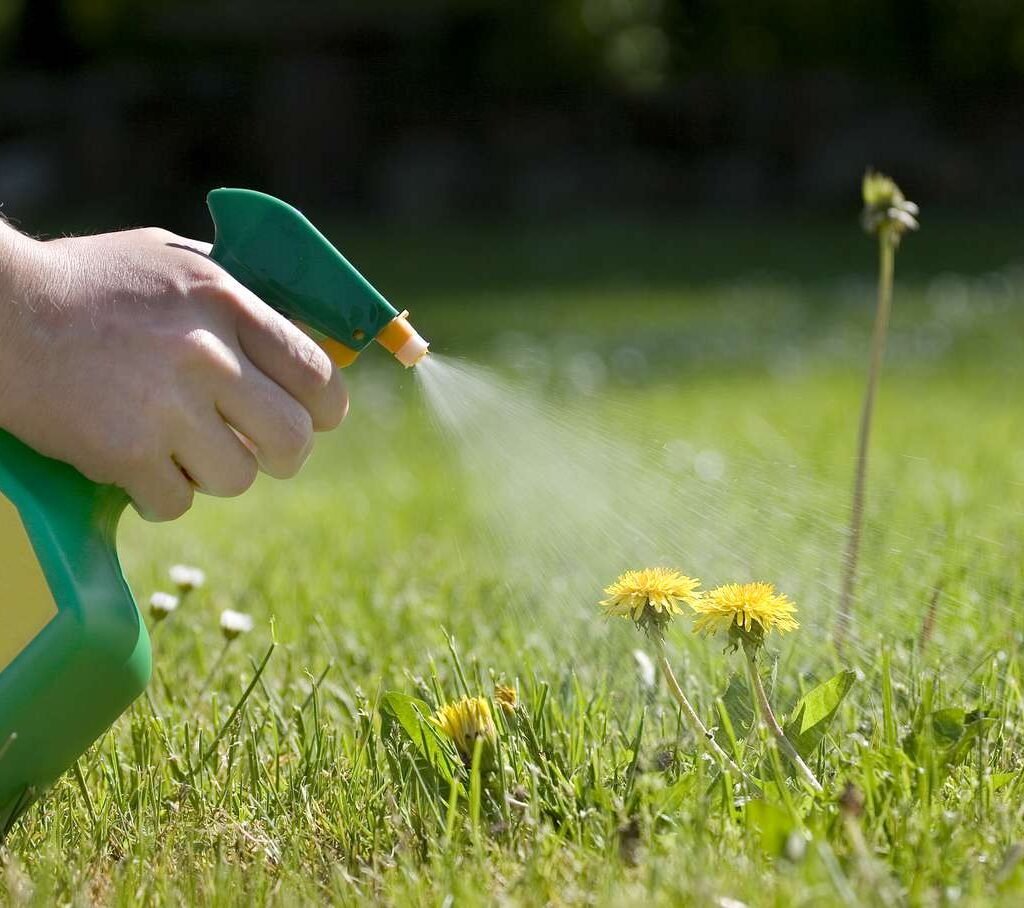
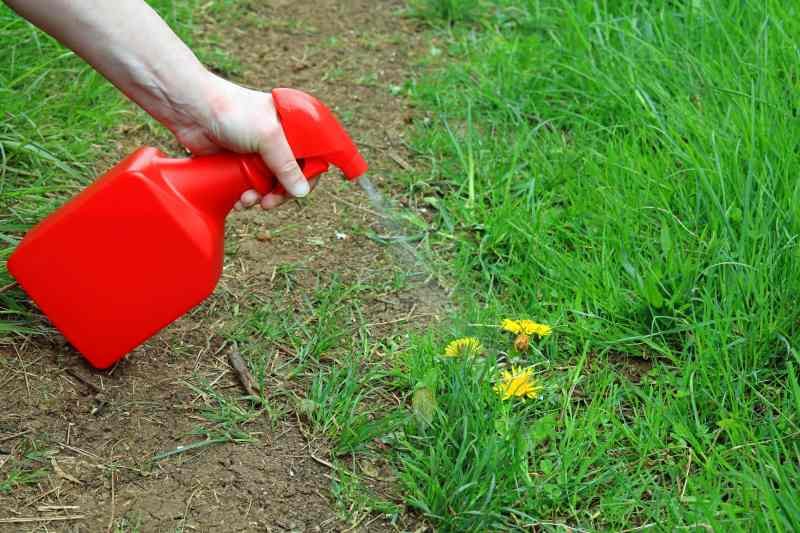
Before delving into chemical-free weed control methods, it’s crucial to understand why the shift away from herbicides is gaining momentum.
1. Environmental Impact
Chemical herbicides often leach into the soil and waterways, harming aquatic ecosystems and reducing soil biodiversity. Non-target plants and beneficial insects, such as pollinators, can also be affected.
2. Health Risks
Many herbicides contain compounds suspected of being carcinogenic or endocrine disruptors. Long-term exposure, particularly among agricultural workers, has been linked to serious health conditions.
3. Resistance
Over time, repeated herbicide use can lead to the evolution of “superweeds”—weed species that are resistant to common chemicals, making them even harder to control.

Understanding Weeds: The First Step in Control
Weeds are simply plants growing where they are not wanted. Some are annuals (completing their life cycle in one year), while others are perennials (regrowing year after year). Understanding the type of weed you’re dealing with is essential to choosing the right control method.
- Annual weeds (e.g., crabgrass, chickweed): Easy to manage by preventing seed spread.
- Perennial weeds (e.g., dandelions, bindweed): Require removal of the entire root system.
Non-Chemical Weed Control Methods
1. Manual Removal (Hand Pulling and Hoeing)
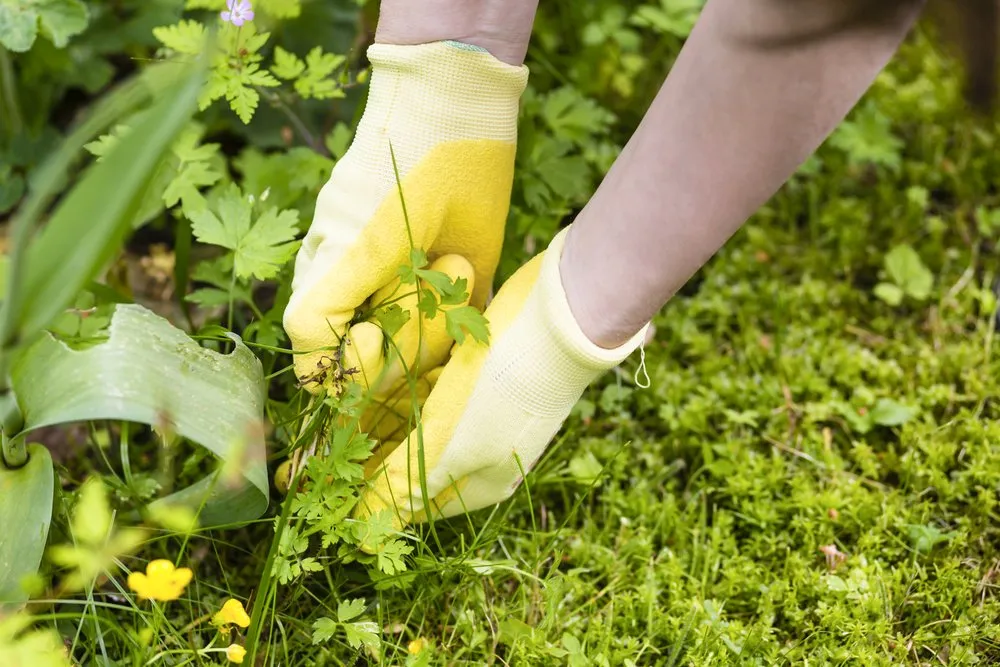
One of the most straightforward methods, hand pulling or hoeing, is best done when weeds are small and the soil is moist.
- Best for: Garden beds, small areas, and weeds with shallow roots.
- Tip: Use a forked weeding tool or dandelion puller to get deep roots without disturbing nearby plants.
- Limitations: Labor-intensive; requires persistence.
2. Mulching
Mulching involves covering the soil with a layer of organic or inorganic material to block light and suppress weed germination.
- Materials: Wood chips, straw, leaves, cardboard, or landscape fabric.
- Benefits: Retains soil moisture, improves fertility (organic mulch), and provides a clean appearance.
- Application: Apply 2–4 inches around plants and reapply seasonally.
3. Solarization
Solarization uses the sun’s heat to kill weed seeds and roots in the upper soil layers. It’s particularly effective in warm climates.
- How to do it:
- Clear the area of vegetation.
- Water the soil thoroughly.
- Cover with clear plastic sheeting for 4–6 weeks during the hottest months.
- Pros: Also kills soil-borne pests and diseases.
- Cons: Not suitable for areas with cooler climates or large-scale farms.
4. Flame Weeding
This method involves using a flame torch to expose weeds to high temperatures, effectively “boiling” their cells.

- Best for: Driveways, sidewalks, gravel paths, and areas away from flammable material.
- Equipment: Propane flame weeder.
- Caution: Should be used with extreme care, especially during dry seasons.
5. Boiling Water and Natural Solutions
Pouring boiling water directly onto weeds can scald them, damaging their cell structure.
- Works best on: Sidewalk cracks, patios, and non-planted areas.
- Other natural solutions:
- Vinegar (5% acetic acid): Acts as a desiccant, killing top growth.
- Salt (sparingly): Disrupts water uptake in plants.
- Caution: These can harm desirable plants and alter soil health if overused.
6. Ground Covers and Dense Planting
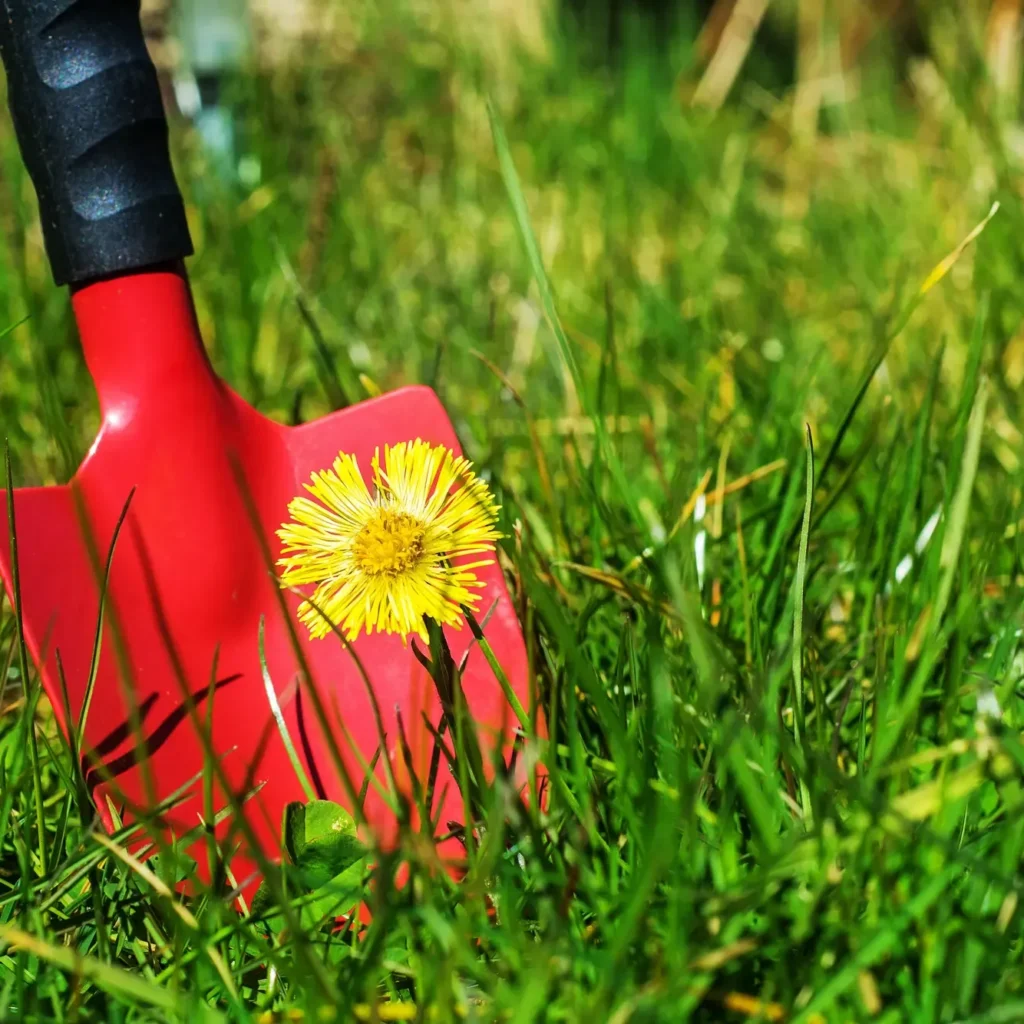
Dense planting of ground covers like clover, creeping thyme, or periwinkle can crowd out weeds.
- Advantage: Prevents sunlight from reaching weed seeds.
- Eco-friendly: Reduces soil erosion and adds aesthetic value.
- Tip: Choose species suitable for your climate and sunlight conditions.
7. Crop Rotation and Cover Crops (for Farms and Large Gardens)
Rotating crops each season and planting cover crops like rye or buckwheat can reduce the weed seed bank in soil.
- How it works:
- Different crops discourage the dominance of specific weeds.
- Cover crops outcompete weeds for nutrients and space.
- Bonus: Improves soil structure and fertility.
Prevention Is Better Than Cure
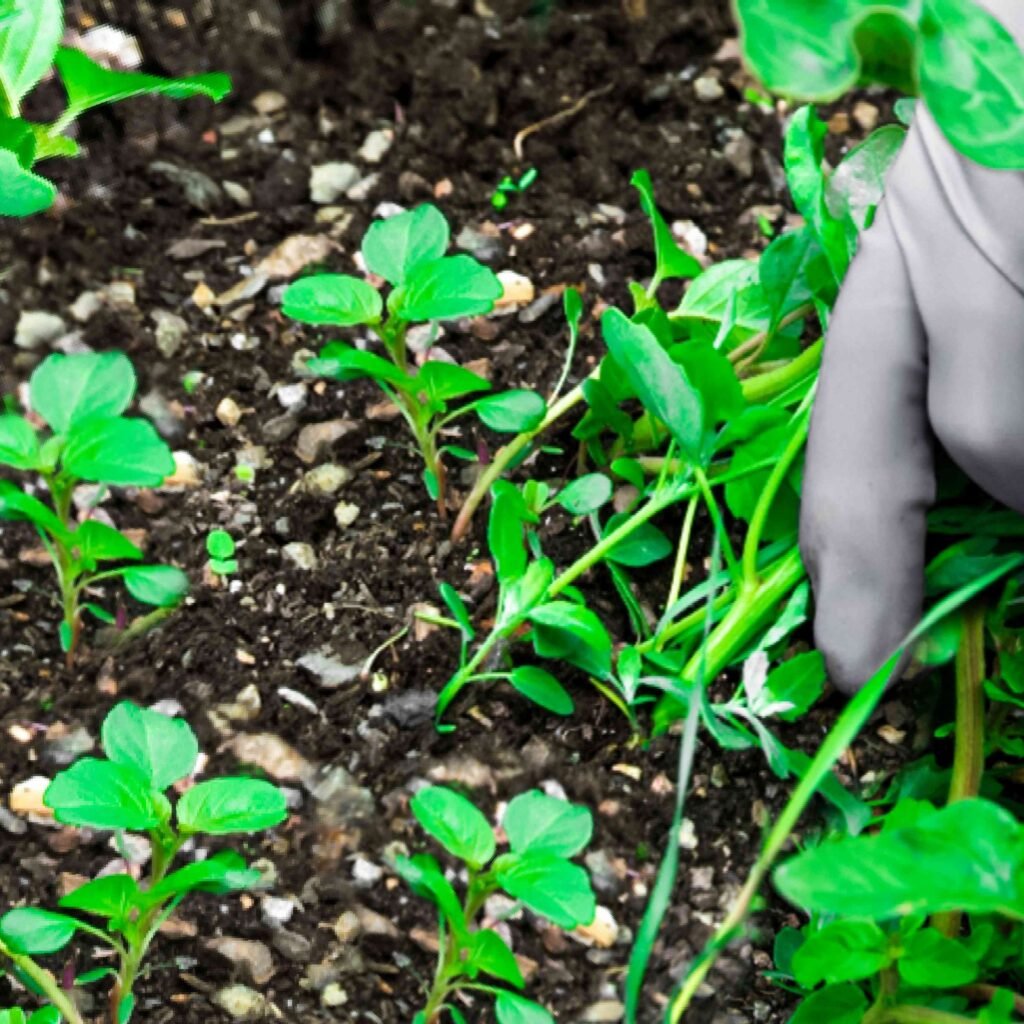
An ounce of prevention is worth a pound of cure—especially in weed management. Here’s how to stay ahead:
1. Inspect Regularly
Walk through your garden or field weekly. Early detection allows for easier removal before seeds spread.

2. Avoid Tilling Too Often
While tilling aerates soil, it also brings buried weed seeds to the surface. Consider no-till or minimal-till methods.
3. Use Sterile Compost
Ensure that compost is hot enough (above 130°F or 55°C) to kill weed seeds before application.
4. Edge Control
Install physical barriers or edging around garden beds to prevent weed creep from lawns or untended areas.
Integrated Weed Management (IWM): A Holistic Strategy
IWM combines multiple non-chemical methods tailored to specific environments and weed types. Rather than relying on a single approach, it integrates prevention, mechanical control, biological understanding, and ecological principles.
Example IWM Plan:
- Spring: Hand pull emerging weeds, apply mulch.
- Summer: Monitor growth, use flame weeder on driveways, reapply mulch.
- Fall: Plant cover crops, solarize unused beds.
- Winter: Plan crop rotation, inspect tools and barriers.
Challenges of Non-Chemical Weed Control
While sustainable and safe, these methods are not without challenges:

- Time-Intensive: Manual and mechanical methods require more labor.
- Persistence Required: Weeds can return; long-term management is essential.
- Effectiveness Varies: Not all methods work equally for all weed types or climates.
Despite these challenges, the environmental and health benefits of going chemical-free are significant. With proper planning and consistent effort, natural weed control can be highly effective.
Conclusion
Getting rid of weeds without chemicals is entirely achievable through a combination of knowledge, consistency, and eco-friendly practices. Whether you’re a home gardener, urban landscaper, or small-scale farmer, embracing chemical-free weed management not only protects the environment and human health but also promotes a more resilient and balanced ecosystem. By understanding weed behavior, implementing preventive strategies, and using practical non-chemical tools, we can create thriving gardens and farms—naturally.
Final Note:
Chemical-free weed control is not about finding a single miracle solution; it’s about combining the right strategies for your space, climate, and weed type. Like most sustainable practices, it rewards patience, observation, and a commitment to long-term soil and plant health.

Leave A Comment