Every gardener dreams of a thriving, weed-free garden. But no matter how experienced you are, weeds always seem to find a way back. The truth is, weeding isn’t just about pulling unwanted plants out of the ground—it’s about doing it the right way, at the right time, with the right strategy. Surprisingly, many of the weeds that return again and again do so because of common but preventable mistakes made during weeding.
This article explores the 5 most common weeding mistakes gardeners make and offers detailed, practical solutions to help you achieve lasting weed control. Whether you’re a beginner or a seasoned green thumb, recognizing and correcting these missteps can make a huge difference in your garden’s health and appearance.
1. Weeding at the Wrong Time
The Mistake: Pulling weeds whenever you find them—especially during dry, hard-soil conditions.
Many gardeners pull weeds at random times without considering environmental conditions. Unfortunately, this often leads to breaking the weed above ground, while leaving the root system intact—which allows regrowth within days.
The Solution: Weed when the soil is moist, ideally after rainfall or light watering.
Moist soil allows for easier extraction of the entire root system, especially for stubborn weeds like dandelions and dock. Morning is typically best, as temperatures are cooler and soil is still damp from overnight dew. For perennial weeds, target them in early spring when energy is still stored in the roots, or in fall before they go dormant.
Pro Tip: Avoid weeding in the middle of a sunny, dry day—roots break more easily and are harder to remove cleanly.

2. Ignoring Weed Roots
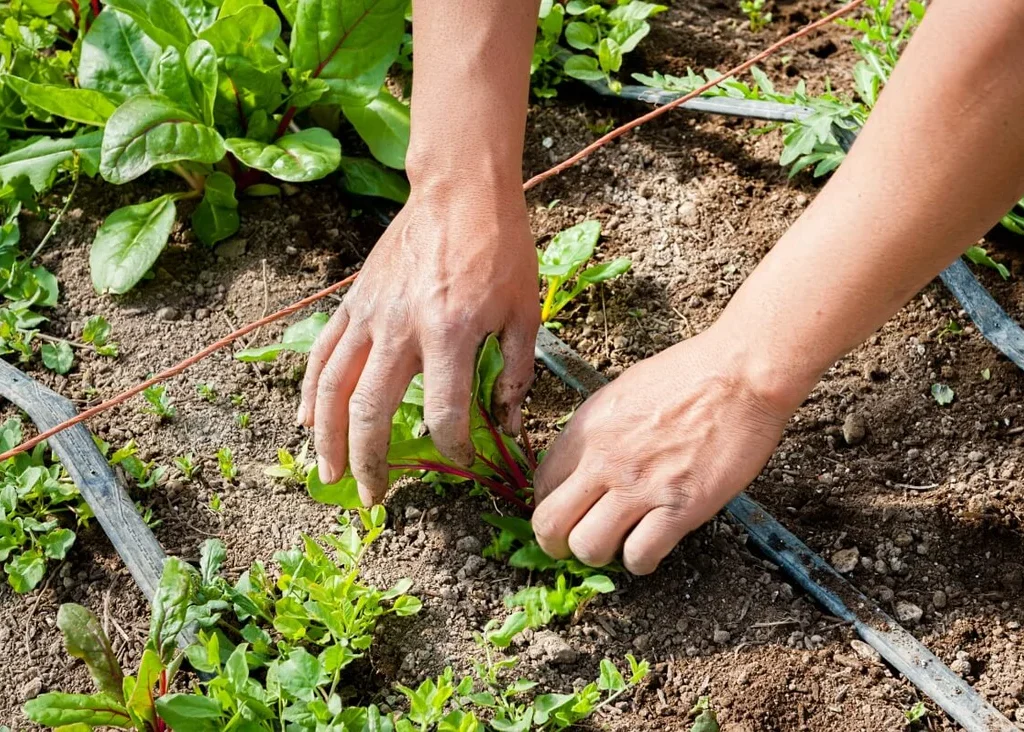
The Mistake: Pulling weeds from the surface without removing the entire root system.
This is especially common with deep-rooted or spreading weeds like bindweed, plantain, and creeping charlie. If even a small piece of root is left behind, the plant can regenerate. Worse, some weeds spread more aggressively when partially pulled and disturbed.
The Solution: Use proper tools to dig out the entire root.
Instead of just tugging with your fingers, use tools designed for deep weeding:
- Hori-hori knife or dandelion puller for taproots
- Weeding fork or trowel for spreading roots
- Hoe or stirrup hoe for surface-level weeds
Ensure you’re going deep enough to remove the full root system, particularly for perennials and rhizomatous weeds that spread underground.
Warning: For invasive spreaders like Bermuda grass, even small root fragments can create new plants. Be thorough and precise.
3. Letting Weeds Go to Seed
The Mistake: Waiting too long to remove weeds, allowing them to flower or seed.
A single mature weed can produce thousands of seeds, which can remain viable in the soil for years. Once a weed flowers and goes to seed, pulling it may not stop the spread—it might already be too late. Seeds can drop into your garden beds, lawn, and even compost piles.

The Solution: Pull weeds before they flower or produce seeds.
Adopt a weekly walk-through habit in your garden. Early detection and removal is the easiest way to control weed populations. If a plant has already gone to seed:
- Cut off the seed heads first and dispose of them (do not compost!)
- Then pull or dig out the remaining plant
- Apply mulch to prevent seed germination
Pro Tip: Keep a garden journal to track the time when certain weeds typically flower in your region. Use this to plan proactive weeding sessions.
4. Poor Use of Mulch or No Mulch at All
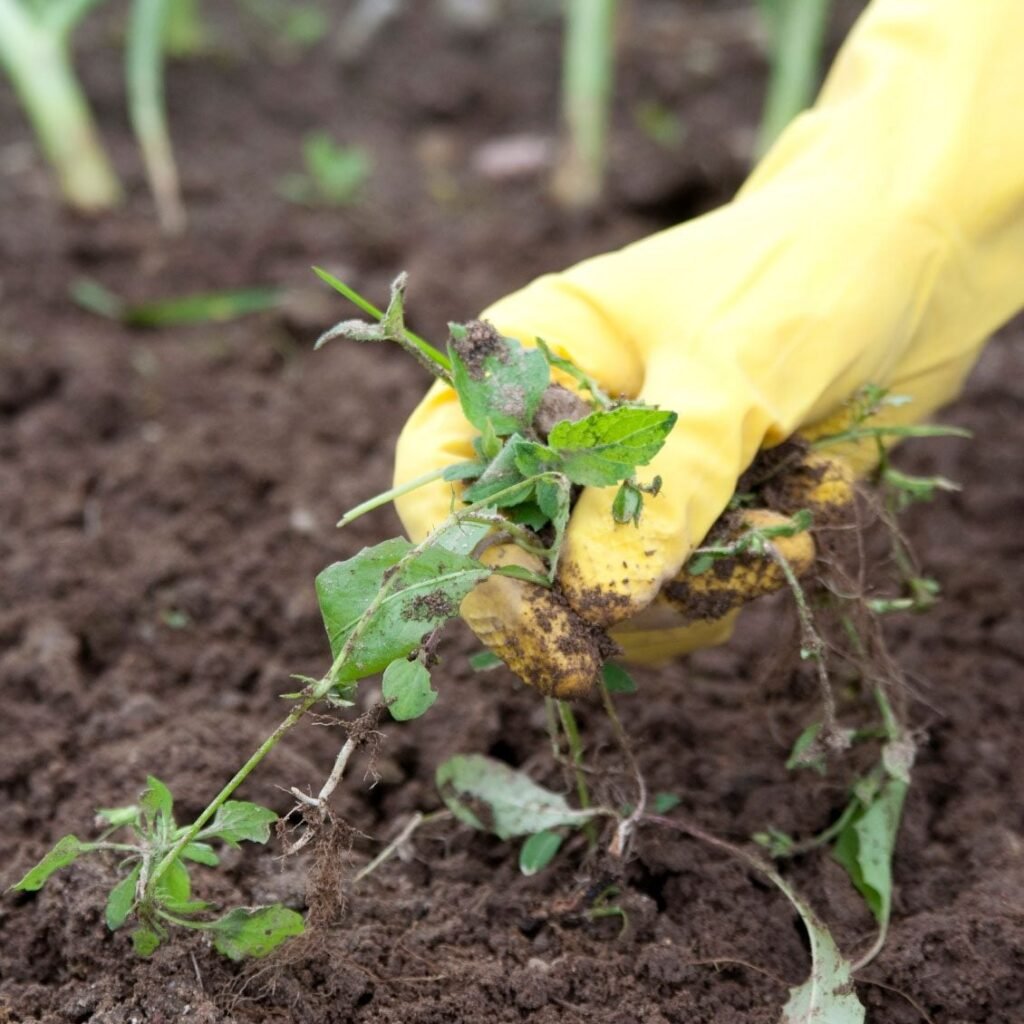
The Mistake: Leaving soil bare or applying mulch incorrectly.
Uncovered soil is an open invitation for weeds. Sunlight and rain create perfect conditions for dormant seeds to germinate. Even when mulch is used, applying too thin a layer, or using the wrong type, can allow weeds to push through.
The Solution: Apply the right mulch, at the right depth, in the right place.
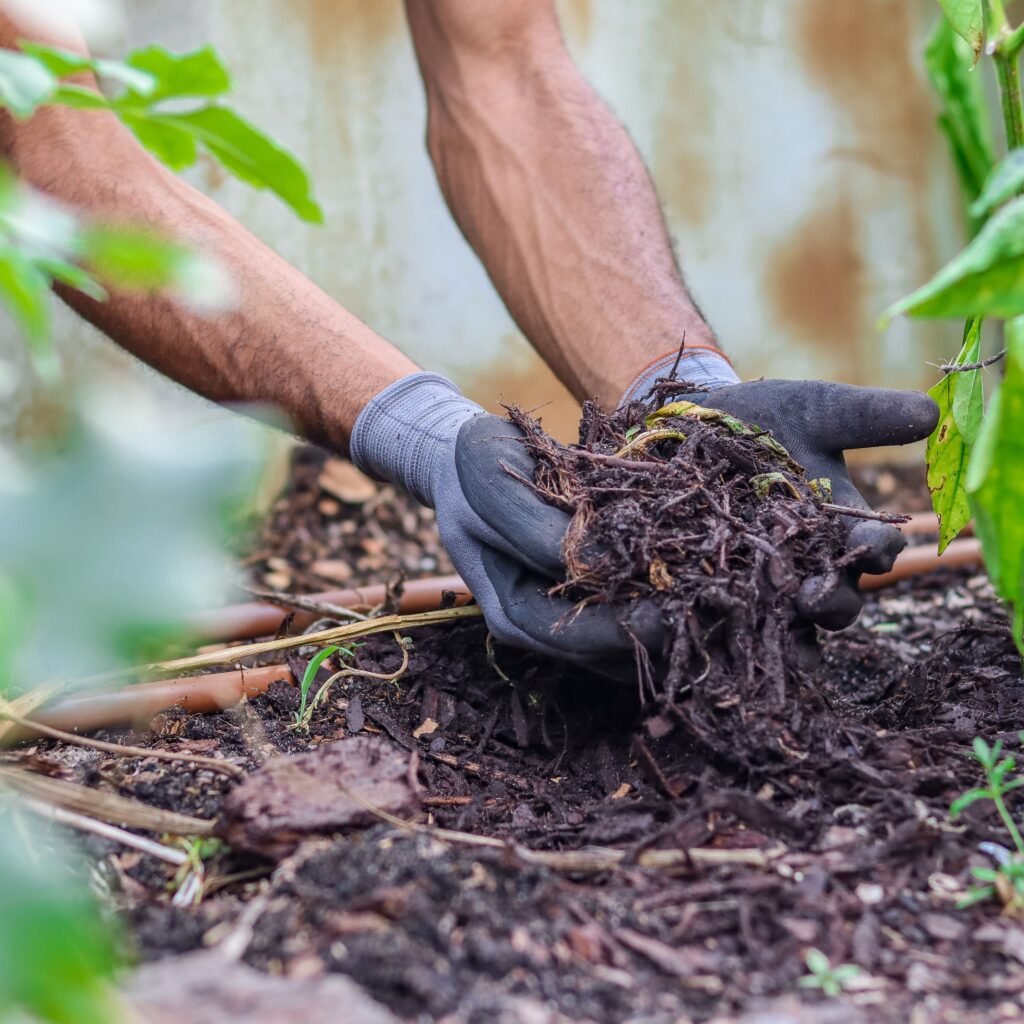
- Use organic mulch like straw, wood chips, shredded bark, or composted leaves.
- Apply mulch 2–4 inches deep—enough to block sunlight but not suffocate soil.
- Keep mulch away from the base of plants to prevent rot.
Mulch not only suppresses weed growth but also retains moisture, regulates temperature, and adds nutrients to the soil as it decomposes.
Bonus Tip: For extra weed protection, lay down cardboard or newspaper underneath your mulch as a biodegradable weed barrier.

5. Inconsistent or Reactive Weeding Habits
The Mistake: Only weeding when weeds become a major problem.
Many gardeners treat weeding as an occasional chore rather than a consistent part of garden maintenance. Waiting until weeds are large and visible allows them to establish stronger roots and crowd out desirable plants. This reactive approach leads to more effort, not less.
The Solution: Make weeding a regular, preventive practice.
- Dedicate 15–30 minutes a week to weeding—especially in peak seasons (spring and early summer).
- Focus on small sections of your garden at a time for manageable tasks.
- Weed while doing other tasks (watering, harvesting, inspecting plants).
Creating a consistent routine reduces overall weed pressure and makes weeding less overwhelming. Plus, you’ll catch weeds before they become unmanageable.
Quote to Remember:
“Weed early, weed often. It’s easier to keep a clean house than to clean a messy one.”
Bonus Mistake: Composting Weeds Improperly
The Mistake: Composting pulled weeds that contain seeds or live roots.
Throwing freshly pulled weeds—especially those that have flowered or seeded—into your compost pile can spread them back into your garden if the pile doesn’t reach a high enough temperature.
The Solution: Hot compost or dispose of invasive weeds properly.
- For general weeds: Hot compost (135°F/57°C+) will kill most seeds and roots.
- For invasive or seeding weeds: Discard in a sealed bag, burn (if permitted), or place in “weed tea” barrels for liquid compost.
Avoid cold composting invasive species like nutsedge, bindweed, or quackgrass.

Conclusion
Weeding is more than just a battle against unwanted plants—it’s a battle against time, knowledge gaps, and habits. The good news is that every gardener, regardless of experience level, can drastically improve their weed control strategy by recognizing and correcting these five common mistakes:
- Weeding at the wrong time
- Ignoring the root systems
- Letting weeds go to seed
- Misusing or neglecting mulch
- Being inconsistent or reactive
By understanding the science of weed behavior and adopting smarter practices, you’ll not only reduce your workload over time but also build a healthier, more productive garden.
Final Thoughts:
Weeding doesn’t have to be a constant chore. With the right timing, techniques, and a little planning, your garden can become a space of beauty and productivity—with far fewer weeds. Remember, every time you weed with intention, you’re not just removing a plant—you’re investing in your garden’s future.

Leave A Comment