Weeds are among the most persistent and frustrating problems in gardening and agriculture. Competing with desired plants for water, nutrients, sunlight, and space, weeds can severely impact crop yields, garden aesthetics, and soil health. While there are numerous methods for controlling weeds—ranging from chemical herbicides to manual removal—mulching has emerged as a highly effective, sustainable, and environmentally friendly solution. This article delves into the science and practicality behind using mulch as a weed suppression tool and explains why it remains a cornerstone practice in modern horticulture and agriculture.
What Is Mulching?
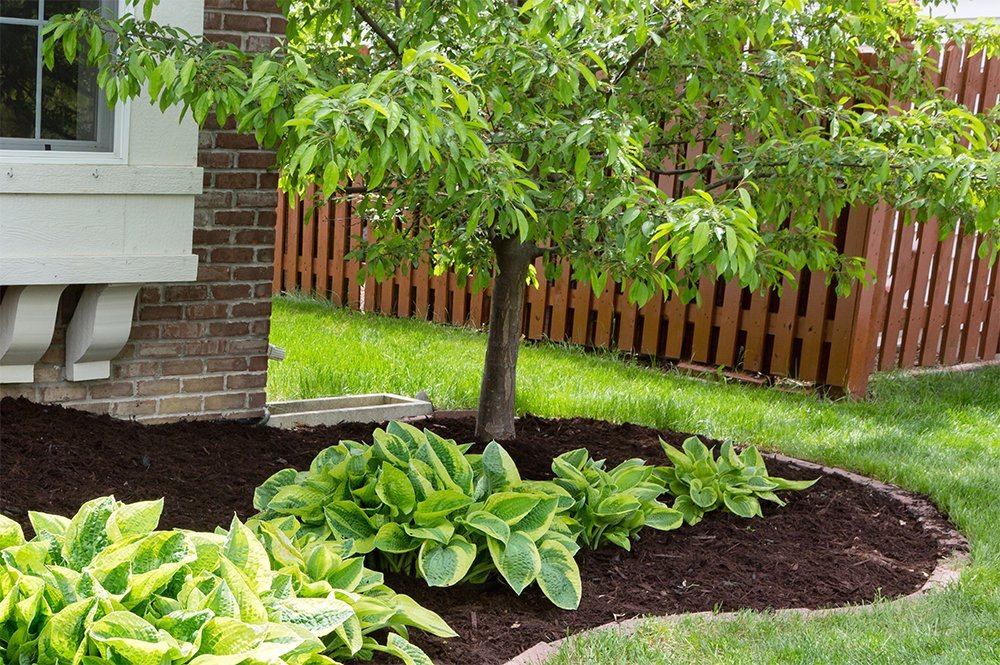
Mulching refers to the practice of applying a layer of material over the surface of the soil. This material can be organic, such as wood chips, straw, grass clippings, shredded bark, compost, or leaves; or inorganic, such as plastic sheeting, rubber mulch, gravel, or landscape fabric. While mulching offers many benefits—including soil moisture retention, temperature regulation, and erosion control—one of its most valuable roles is weed suppression.
How Mulch Suppresses Weed Growth
1. Blocking Sunlight
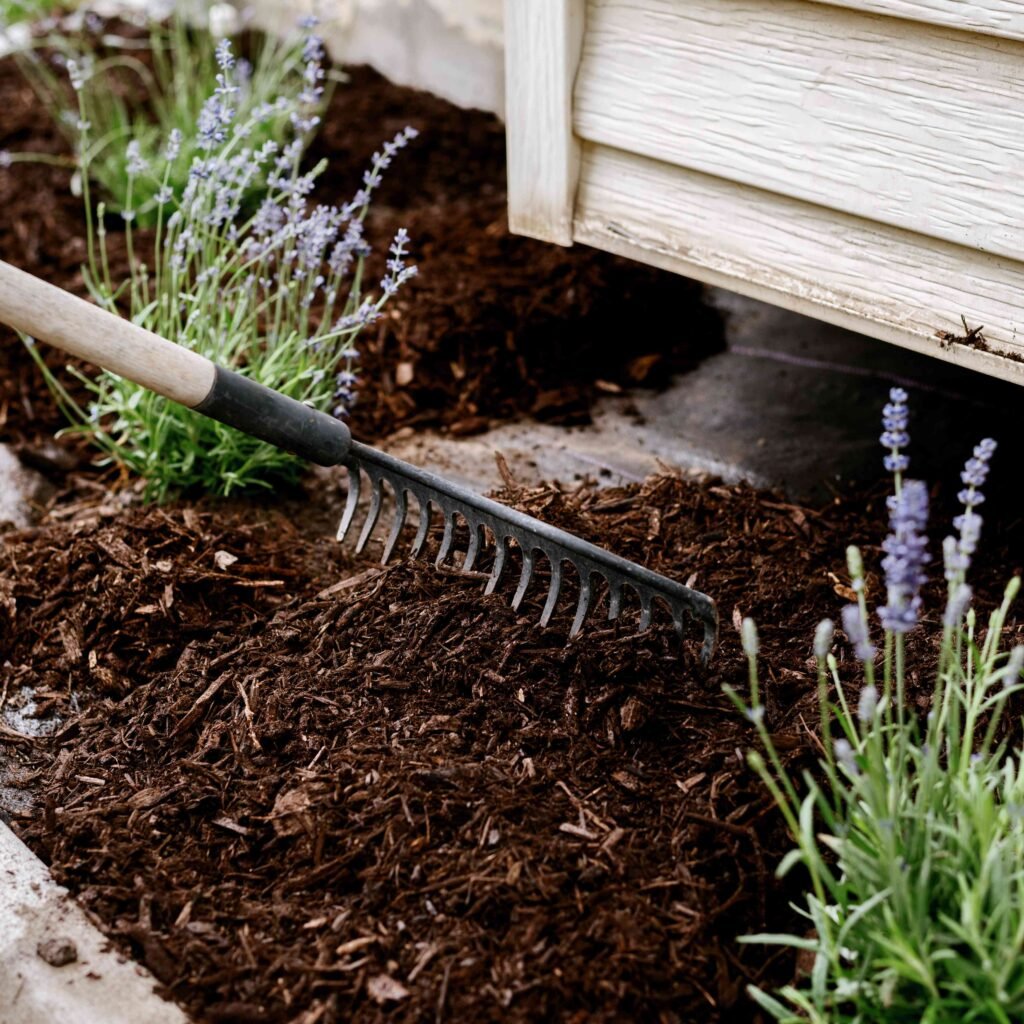
Weeds, like all plants, need sunlight to photosynthesize and grow. When a thick layer of mulch is applied, it blocks sunlight from reaching the soil, thereby inhibiting the germination of weed seeds. Without light, many weed seeds fail to sprout, and those that do germinate often lack the energy to penetrate the mulch layer.
Organic mulches like bark or straw are particularly effective because they create a dense, light-blocking barrier. Black plastic mulch is even more impenetrable, making it popular in large-scale agricultural operations.
2. Smothering Existing Weeds
In addition to preventing new weed growth, mulch can smother existing weeds. Weeds that are already growing may be cut off from air and light, weakening or killing them over time. This is especially true with thicker mulches or those that are layered strategically, such as using wet newspaper or cardboard beneath wood chips.

This process reduces the need for constant weeding and can be an effective way to reclaim overgrown garden beds or prepare a new growing area.
3. Creating Physical Barriers
Mulch acts as a physical barrier between the soil and the environment. Many weed seeds are wind-borne or spread by animals and humans. A well-mulched bed prevents weed seeds from reaching the soil surface, where they would typically germinate.
Additionally, certain types of mulch like landscape fabric or woven ground covers are designed specifically to block weed root penetration while allowing water and air to circulate. These are often used under gravel or bark chips for more permanent weed control in landscaping.
4. Improving Soil Conditions Unfavorable to Weeds
Organic mulches gradually decompose over time, enriching the soil with organic matter. This improves soil structure, promotes beneficial microbial activity, and can slightly lower the soil’s pH—changes that may favor desired plants over certain weeds.
Some mulches also produce natural chemical inhibitors. For example, pine needles can acidify the soil, deterring the growth of certain weeds. Similarly, walnut hulls contain juglone, a natural compound that is toxic to many plant species.

Types of Mulch and Their Effectiveness Against Weeds
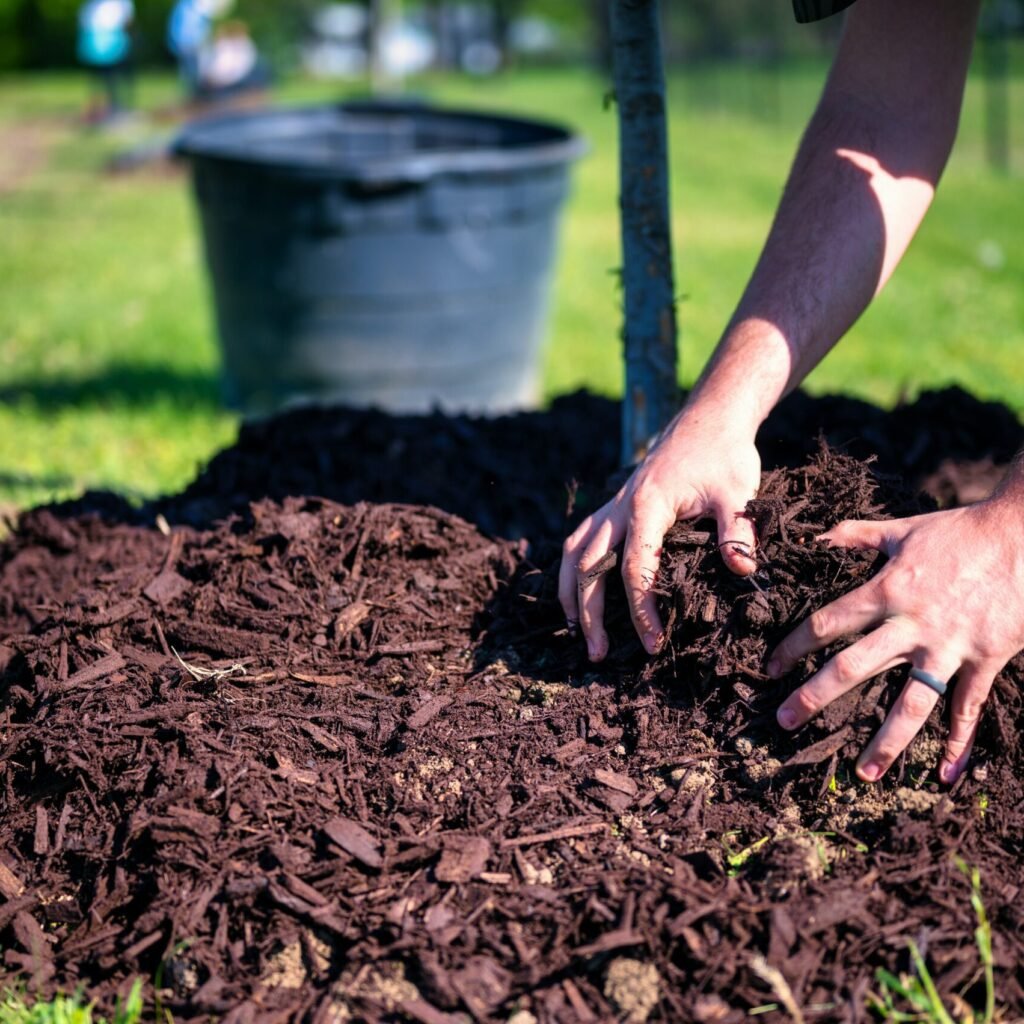
1. Organic Mulch
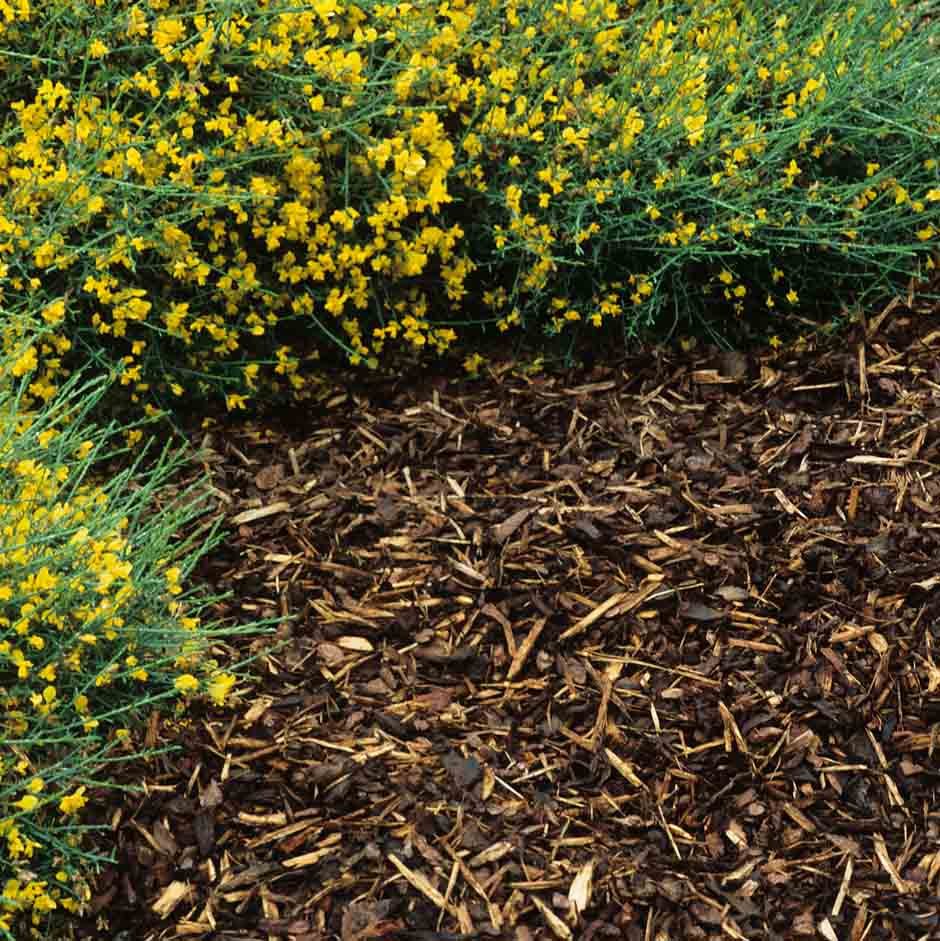
- Wood Chips and Bark: Long-lasting and aesthetically pleasing, these are ideal for perennial beds and pathways. They decompose slowly and provide excellent weed suppression.
- Straw or Hay: Common in vegetable gardens, straw is lightweight and decomposes faster, enriching the soil. Caution is needed to ensure it’s weed-free or sterilized before use.
- Grass Clippings: Easily available and nutrient-rich, though they compact quickly and may smell if not layered properly.
- Compost: While great for soil health, compost may contain viable weed seeds if not fully decomposed.
2. Inorganic Mulch
- Plastic Mulch: Used extensively in commercial agriculture, plastic sheeting is excellent for blocking weeds, conserving water, and warming the soil. However, it requires proper installation and disposal.
- Landscape Fabric: Durable and reusable, this synthetic barrier is often topped with decorative mulch in garden beds.
- Rubber Mulch: Made from recycled tires, rubber mulch is long-lasting and effective but does not improve soil fertility.
Best Practices for Weed Control with Mulch
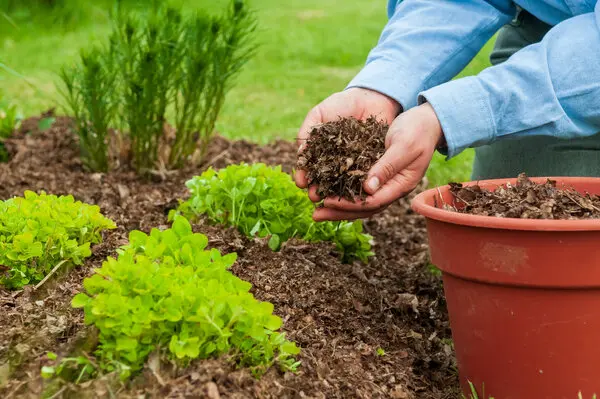
To maximize the weed-suppressing benefits of mulch, consider the following guidelines:
1. Apply Sufficient Thickness
A common mistake is using too little mulch. For organic mulch, a layer of 2 to 4 inches is generally recommended. Thinner layers may allow light to penetrate, encouraging weed growth. For finer mulches like grass clippings or compost, use slightly thinner layers (1–2 inches) to avoid compaction.
2. Prepare the Ground First
Before mulching, remove existing weeds manually or with a hoe. Applying mulch over weeds may smother some, but vigorous weeds may push through. For areas with heavy weed infestations, consider laying down newspaper, cardboard, or landscape fabric beneath the mulch.
3. Replenish Mulch Periodically
Organic mulch decomposes over time and may be disturbed by wind, water, or animals. Check your mulch layer regularly and top up as needed to maintain effective coverage.
4. Mulch at the Right Time
Apply mulch in late spring, after the soil has warmed and most weed seeds have begun germinating. This timing traps the seeds before they grow. Avoid mulching too early, as it may slow soil warming and plant development.

Environmental and Economic Benefits
Mulching provides more than just weed control—it also offers environmental and cost-saving advantages:
- Reduces Herbicide Use: By controlling weeds naturally, mulch minimizes the need for chemical herbicides, which can contaminate soil and waterways.
- Saves Water: Mulch conserves soil moisture by reducing evaporation, lowering the frequency of irrigation.
- Improves Soil Health: Organic mulches contribute nutrients, enhance microbial activity, and improve soil texture.
- Reduces Labor: Less time spent weeding means more time for planting, harvesting, or enjoying your garden.
These combined benefits make mulching a smart investment for home gardeners and commercial growers alike.
Limitations and Considerations
While mulching is highly effective, it is not a cure-all. Some challenges include:
- Mulch Can Harbor Pests: Thick mulch may provide cover for slugs, rodents, or insects.
- Incorrect Mulching Can Harm Plants: “Volcano mulching”—piling mulch around tree trunks—can lead to rot and disease.
- Plastic Mulches Are Not Biodegradable: Disposal and environmental impact should be considered.
- Some Weed Seeds Survive: Aggressive perennial weeds with strong root systems may still break through, requiring manual intervention.
Conclusion
Mulching is a powerful and versatile technique for controlling weed growth in gardens, landscapes, and agricultural settings. By creating a physical and environmental barrier, mulch deprives weeds of the light, space, and conditions they need to thrive. When applied correctly and maintained, mulch not only suppresses weeds but also improves soil health, conserves water, and reduces the need for herbicides and labor.
As sustainable gardening practices continue to gain importance in an era of environmental awareness, mulching stands out as a simple, cost-effective, and eco-friendly strategy. Whether you’re a home gardener or a commercial farmer, understanding and utilizing mulch can transform your soil into a weed-resistant, productive, and healthy ecosystem.


Leave A Comment