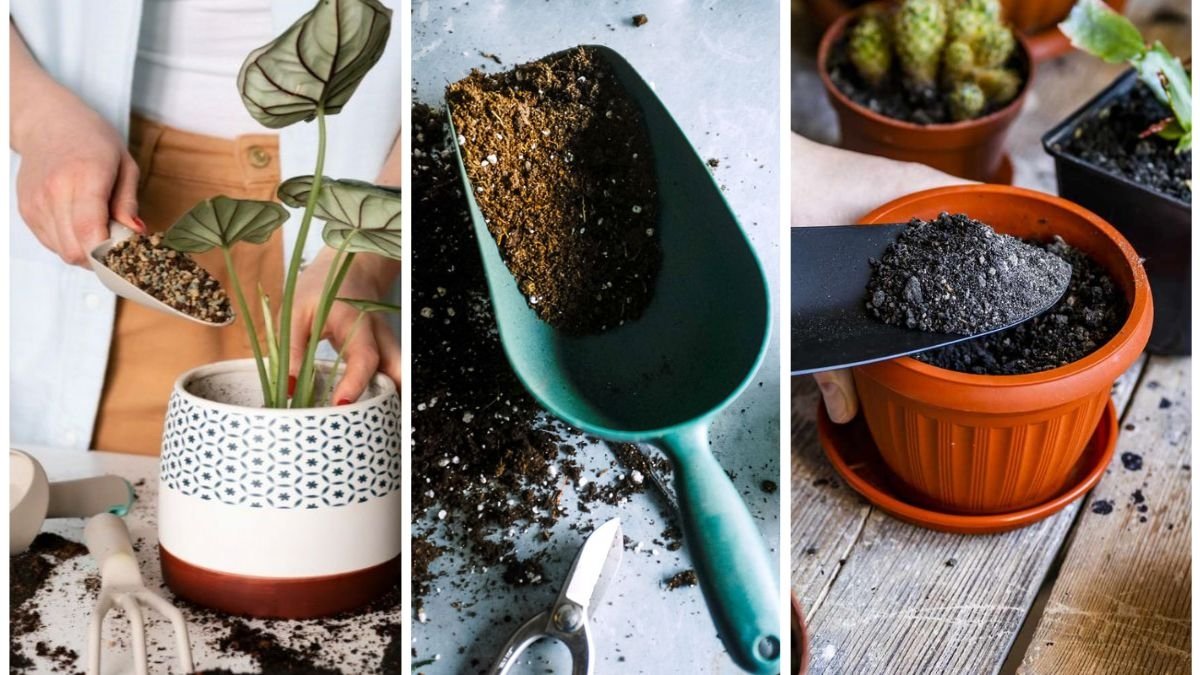
Container gardening offers flexibility, accessibility, and the ability to grow plants in limited spaces. From ornamental flowers to vegetables and herbs, containers are an excellent option for both beginners and experienced gardeners. However, many container gardeners overlook one critical factor—the condition of the soil. Over time, soil in containers deteriorates in structure and nutrient content, directly affecting plant health and productivity. This raises the important question: How often should you replace soil in containers?
Understanding Container Soil Dynamics
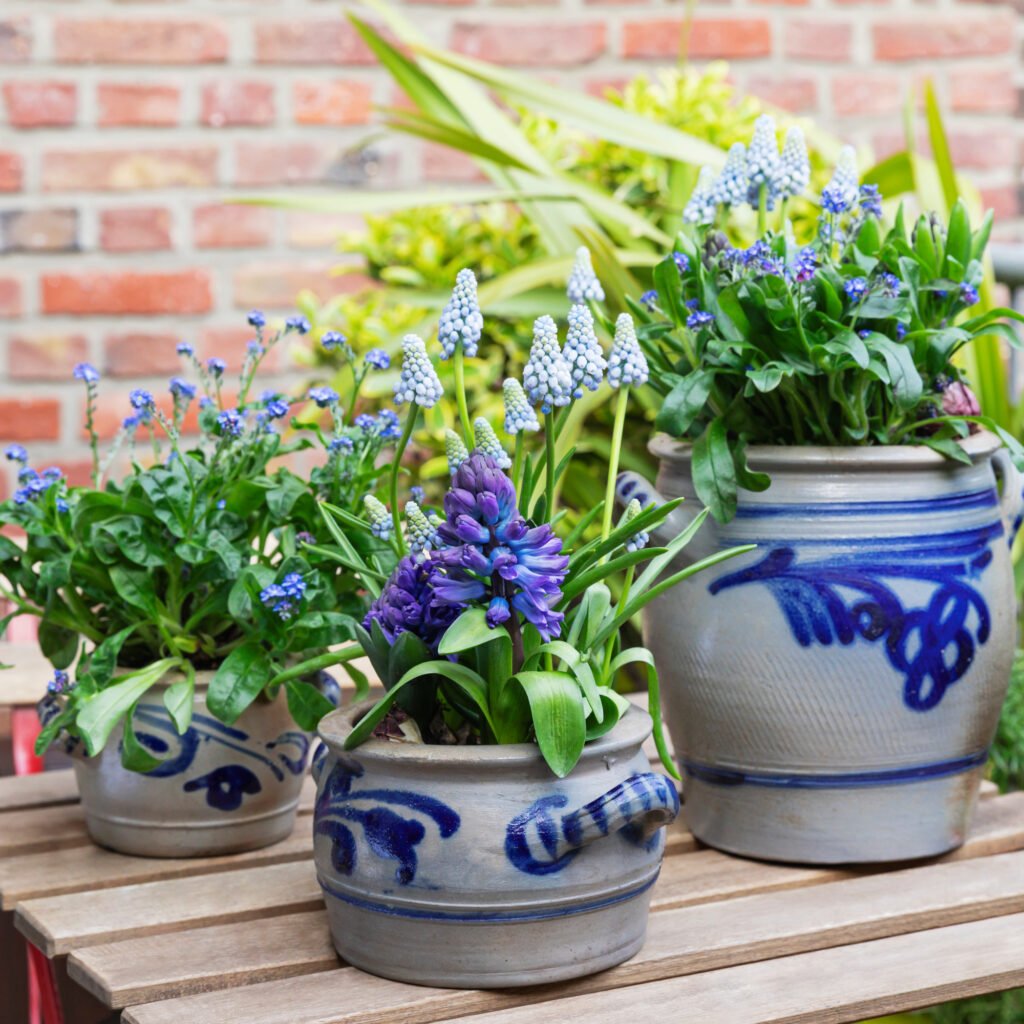
Unlike garden beds, container soil is confined to a limited space and does not benefit from natural processes such as earthworm activity, deep root systems, and microbial biodiversity that refresh soil health over time. In containers:
- Nutrients are quickly depleted due to plant uptake and frequent watering.
- Watering washes away soluble nutrients (leaching).
- Organic matter decomposes and shrinks, reducing the soil volume.
- Soil compacts and loses aeration, affecting root respiration.
This means that over time, even the best potting soil becomes less supportive of plant life.
Signs Your Container Soil Needs Replacing
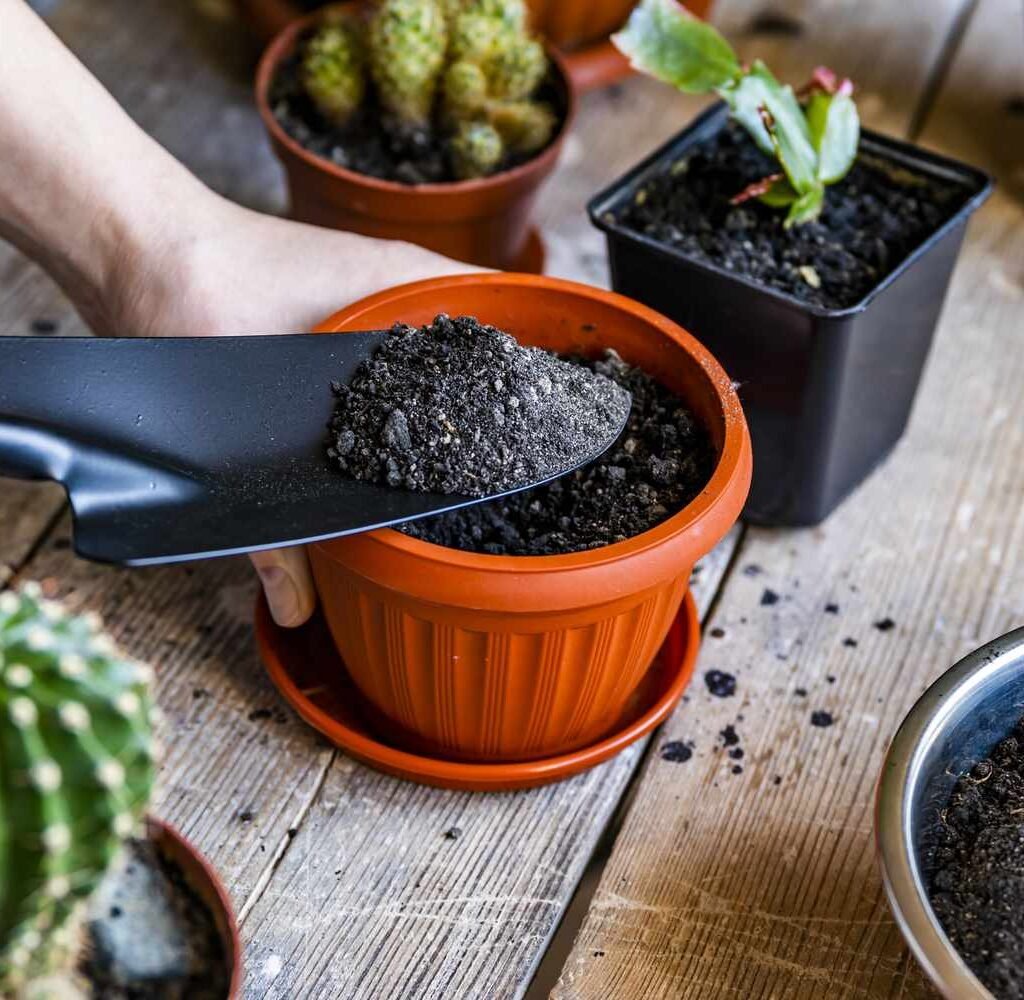
Before deciding how often to replace soil, it’s important to recognize the signs that your soil may be past its prime. Key indicators include:
- Poor drainage: Water pools on the surface or takes too long to drain.
- Soil compaction: The soil becomes dense and hard, making root penetration difficult.
- Yellowing or stunted plants: A sign of nutrient deficiency or poor root health.
- Fungal growth or mold: Indicates decaying organic matter or poor air circulation.
- Salt buildup: White crust on the surface due to fertilizer residue.
How Often Should You Replace Soil in Containers?
General Recommendation: Every 1–2 Years
As a rule of thumb, you should replace container soil every one to two years. However, this can vary depending on the type of plant, container size, and how intensively the soil is used.
Yearly Replacement for Heavy Feeders
If you’re growing nutrient-demanding plants like tomatoes, peppers, or annual flowers, it’s ideal to refresh or replace soil annually. These plants rapidly deplete nutrients and often suffer if grown in tired soil.
Every 2 Years for Perennials or Light Feeders
For perennials, houseplants, or herbs, replacing soil every 2 years may be sufficient. These plants typically grow slower and do not consume as many nutrients. However, regular monitoring is still essential.
Full vs. Partial Soil Replacement
In many cases, a full soil replacement isn’t always necessary or practical—especially with large containers. Here are the options:
Full Soil Replacement
This involves removing all the old soil, cleaning the pot, and starting fresh with new potting mix. Use this method when:
- The soil is heavily compacted.
- There’s evidence of disease, pests, or mold.
- You’re growing new crops that require different soil conditions.
Partial Soil Refreshing
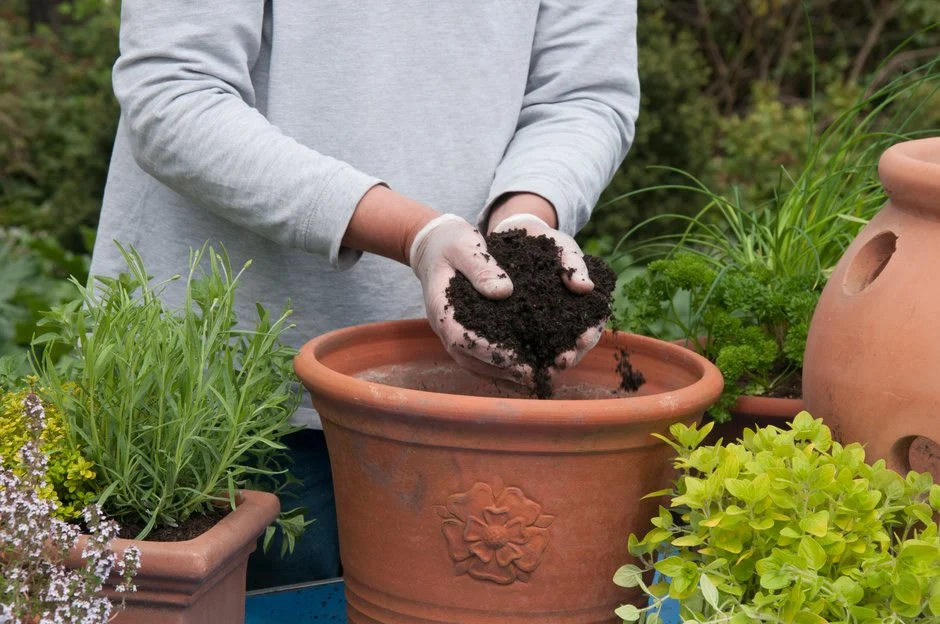
This approach is less labor-intensive and involves:
- Removing the top 1/3 to 1/2 of the old soil.
- Adding fresh potting mix or compost.
- Mixing in slow-release fertilizers or organic amendments.
This method maintains some of the existing soil structure while replenishing nutrients and improving aeration.
Top-Dressing
For indoor plants or long-term perennials, a simple top-dress once or twice a year can suffice. This involves:
- Removing 1–2 inches of topsoil.
- Replacing it with fresh compost, worm castings, or potting mix.
This minimally disruptive method rejuvenates the upper soil layer, where most root activity occurs.
Best Practices for Replacing Container Soil
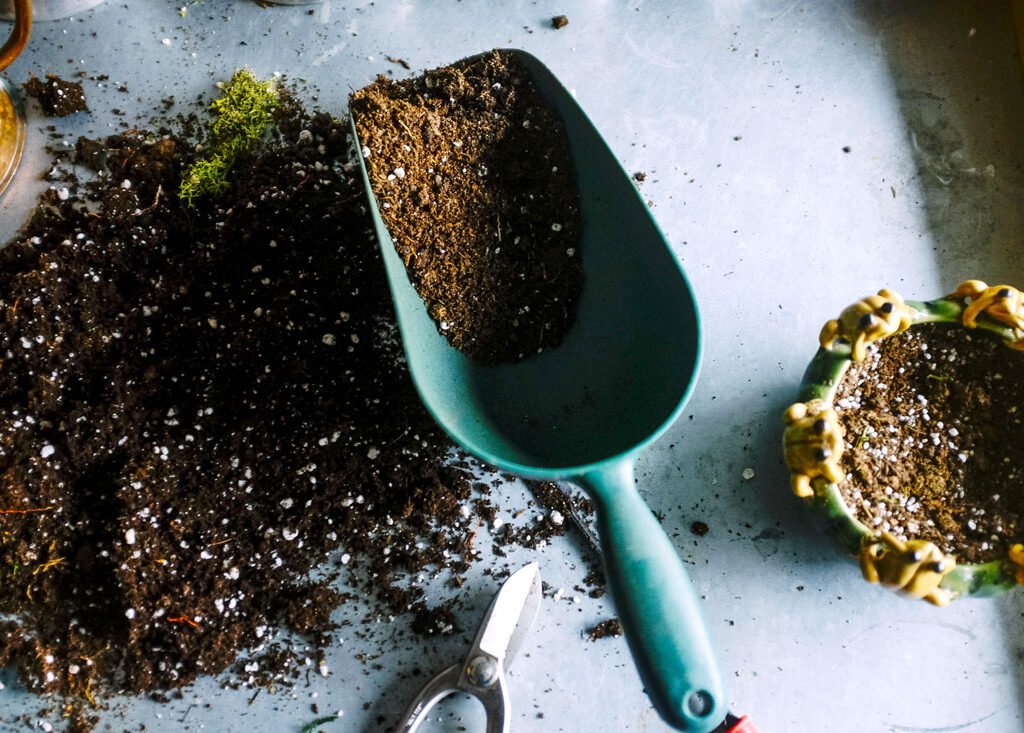
1. Sterilize Containers
Before adding new soil, always wash and sterilize the container with a mild bleach solution (1 part bleach to 9 parts water) to kill pathogens and pests.
2. Choose High-Quality Potting Mix
Use a mix specifically designed for container gardening. Avoid using garden soil, which can compact easily and harbor pests. Look for mixes containing:
- Peat moss or coco coir (for moisture retention)
- Perlite or vermiculite (for aeration)
- Compost or aged bark (for nutrients)
3. Enhance with Amendments
You can boost soil quality with:
- Compost: Adds organic matter and beneficial microbes.
- Worm castings: Improve structure and nutrient content.
- Slow-release fertilizers: Ensure ongoing nutrient supply.
- Biochar or mycorrhizae: Improve nutrient uptake and microbial diversity.
4. Improve Drainage
Ensure pots have adequate drainage holes. You can also add a layer of coarse gravel or perlite at the bottom to prevent waterlogging.
Environmental Considerations
Completely replacing soil every year can be wasteful. Here’s how to make the process more sustainable:

Reusing Old Soil
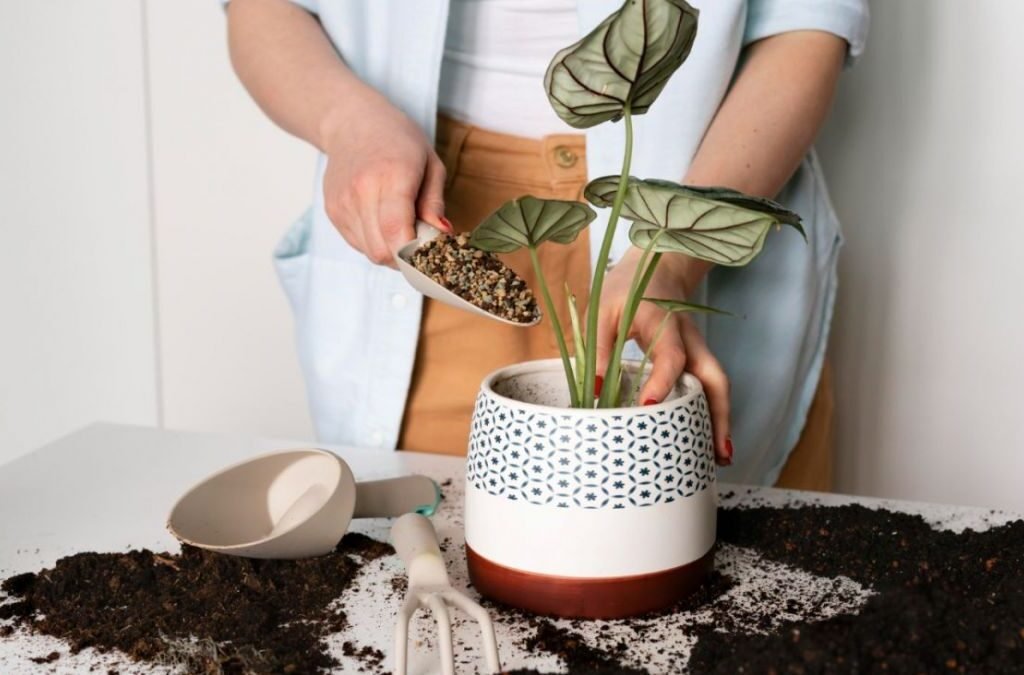
You can reuse old potting mix if it’s not diseased. Refresh it by:
- Removing plant debris and roots.
- Mixing it with fresh compost and perlite.
- Letting it sit in the sun (solarization) for 1–2 weeks to kill pathogens.
Composting Used Soil
Blend old soil with kitchen scraps, leaves, and grass clippings in a compost pile. Over time, it will break down into rich compost that can be used again.
Soil Rotation
Use the same soil for different plant types across seasons. For example, after growing tomatoes (heavy feeders), follow with lettuce or herbs (light feeders).
Special Cases: Indoor vs. Outdoor Containers
Indoor Plants
Indoor soil tends to last longer because it isn’t exposed to heavy rain or fluctuating temperatures. However, indoor soils can accumulate salts and toxins from fertilizers. Consider a partial replacement every 12–18 months.
Outdoor Containers
Outdoor container soils degrade faster due to:
- UV exposure
- Temperature swings
- Rainwater leaching nutrients
Hence, outdoor soil should be replaced or refreshed more frequently, typically annually.
Conclusion: It Depends, but Don’t Ignore It
The frequency of replacing soil in containers depends on several factors—plant type, soil condition, environmental exposure, and container size. But a good general practice is:
- Annual replacement or refresh for high-demand plants
- Every 2 years for slower-growing or low-demand plants
- Partial soil refreshes or top-dressing between full changes
Maintaining healthy soil in your containers is not just about replacing it—it’s about caring for it. Feed it, observe it, and replenish it as needed. Healthy soil equals healthy plants. And in container gardening, your plants are entirely reliant on the soil you provide—so make it count.

Leave A Comment