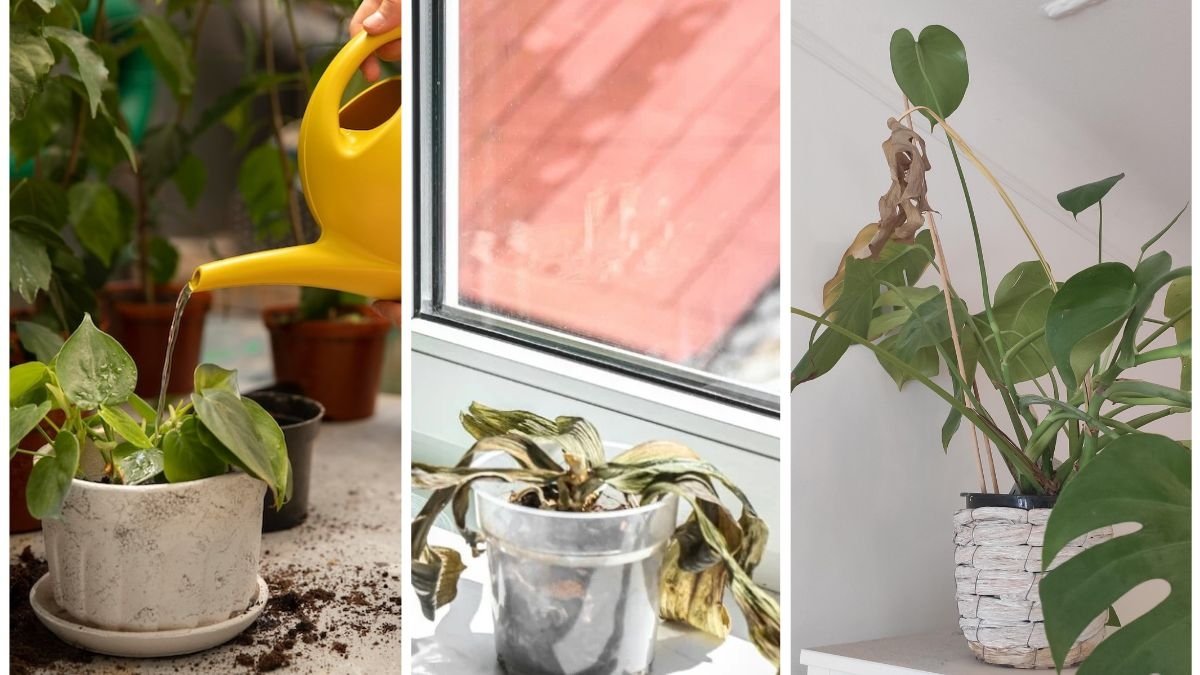
Water is life for plants—but too much of it can be just as harmful as too little. Ironically, many well-meaning gardeners unknowingly sabotage their plants with an excess of care, particularly through overwatering. While underwatering shows obvious symptoms like wilting and dryness, overwatering is a silent killer, often misdiagnosed until it’s too late.
This article explores why your plants may be overwatered without you realizing, how to identify the subtle signs, the science behind it, and what you can do to prevent it.
Understanding the Problem: Why Overwatering Happens
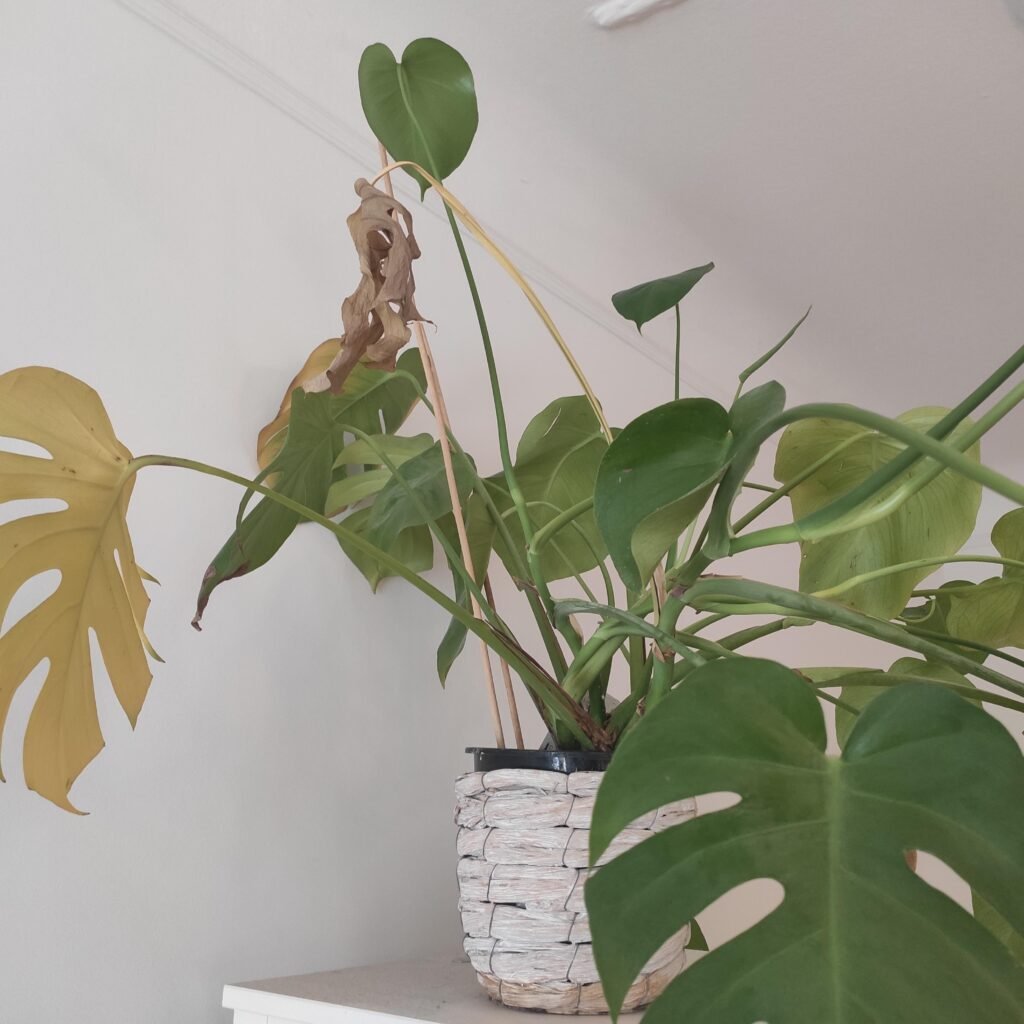
Overwatering typically doesn’t mean dumping gallons of water at once. In fact, many plants are overwatered by frequent small waterings that don’t allow the soil to dry out properly. This creates a constantly moist environment that suffocates roots and encourages rot, mold, and disease.
Common reasons overwatering happens unnoticed:
- Misinformation: Believing all plants need daily watering.
- Habit: Watering on a fixed schedule, not based on actual need.
- Indoor conditions: Limited airflow, indirect sunlight, and humidity cause water to evaporate more slowly.
- Poor drainage: Pots or soil that trap water lead to moisture buildup.
- Over-potting: Using pots that are too large retains more water than the plant can use.
The Science of Overwatering: What Happens to Your Plants
To understand how overwatering harms plants, we must look beneath the surface.
1. Oxygen Deprivation
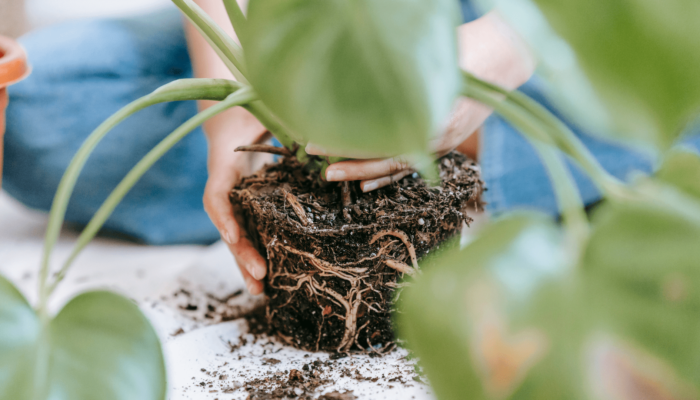
Roots not only absorb water and nutrients—they also breathe. In saturated soil, water fills up the air pockets, preventing oxygen from reaching the roots. Without oxygen, roots can’t function properly, and the plant essentially suffocates from below.
2. Root Rot
Prolonged moisture creates a breeding ground for fungal pathogens like Pythium, Phytophthora, and Rhizoctonia. These fungi attack roots, turning them brown or black, mushy, and nonfunctional. Root rot is often irreversible and deadly.
3. Disrupted Nutrient Uptake
Even if soil is nutrient-rich, constant moisture interferes with a plant’s ability to absorb those nutrients. This can cause deficiency symptoms similar to underfeeding, such as yellowing leaves, stunted growth, or weak stems.
7 Subtle Signs Your Plant Is Overwatered
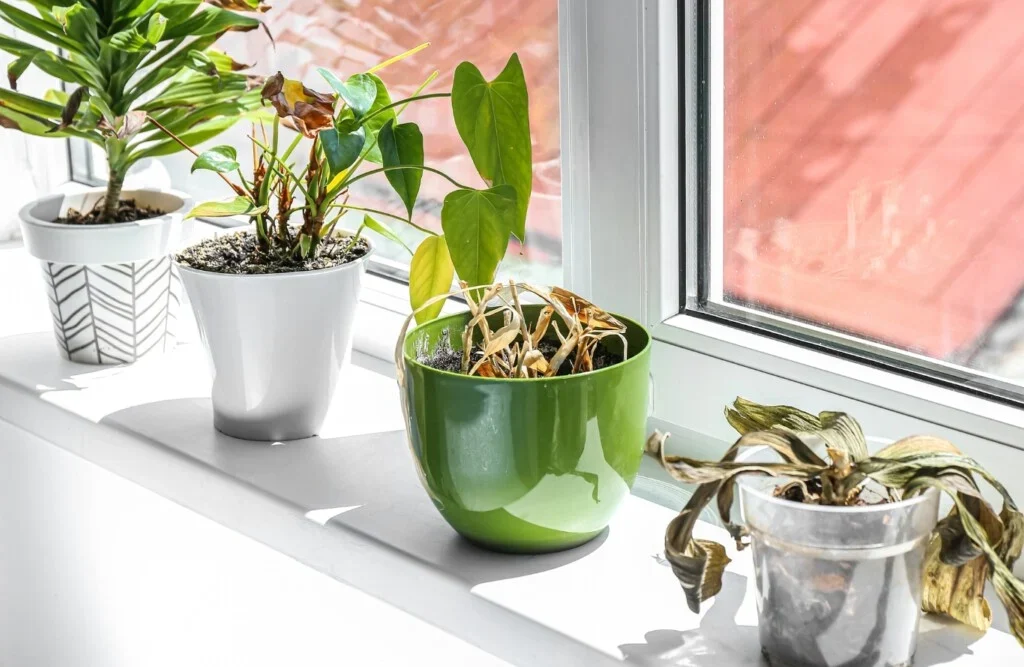
Overwatered plants don’t always look wet. In fact, many of the symptoms mimic those of underwatering or nutrient deficiencies. Here’s what to watch for:
1. Yellowing Leaves, Especially Lower Leaves
If the lower leaves are turning yellow and soft, it’s likely due to too much moisture. Yellowing caused by overwatering typically starts at the bottom and moves upward.
2. Wilting, Even When the Soil Feels Wet
Many people associate wilting with dryness, but if your plant is wilting and the soil is moist, it’s a major red flag. This is caused by root damage, not dehydration.
3. Leaf Drop or Leaf Curling
Overwatered plants may shed leaves, especially older ones. New growth may appear distorted, curled, or discolored.
4. Mushy or Soft Stems
This is a late-stage symptom, often associated with stem or root rot. The base of the plant may feel squishy or look darkened.
5. Soil That Smells Sour or Rotten
Healthy soil has an earthy scent. If your potting mix smells like mildew, rot, or stagnant water, it’s a clear sign of anaerobic activity and overwatering.
6. Algae or Mold on Soil Surface
Green algae or white mold growing on the surface of the soil indicates excess moisture and poor air circulation.
7. Fungus Gnats
These tiny black flies thrive in moist soil. If you notice them hovering near your plants, your watering habits might be the cause.
Situations Where Overwatering Is Most Common
1. Indoor Plants
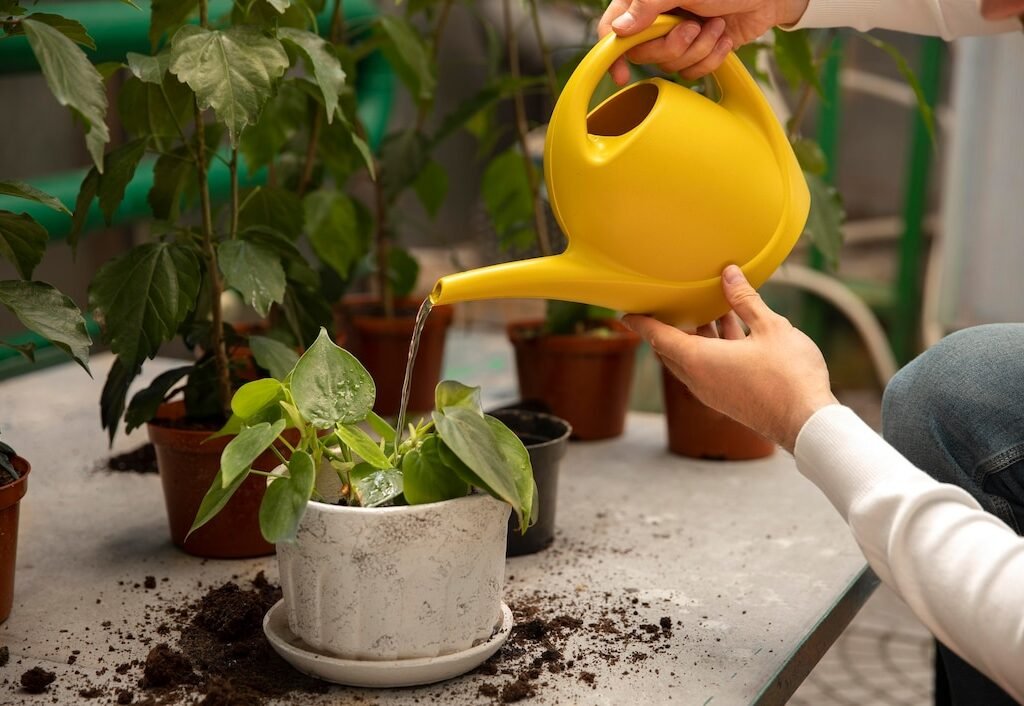
Indoor environments often lack proper light and airflow. Combined with pots without drainage or overzealous watering, this makes houseplants extremely vulnerable.
2. Dormant Plants
In winter or during a plant’s natural dormancy cycle, its water needs drop significantly. Continuing the same watering routine leads to waterlogged soil.
3. Young or Newly Potted Plants
Young roots are tender and more susceptible to fungal infections. Also, fresh potting soil can retain water more efficiently, tricking gardeners into watering too often.
4. Large Pots for Small Plants
Big pots hold more soil, and therefore more water. A small plant in a large pot may not be able to absorb water quickly enough, resulting in constantly wet conditions.
How to Test for Overwatering
1. The Finger Test
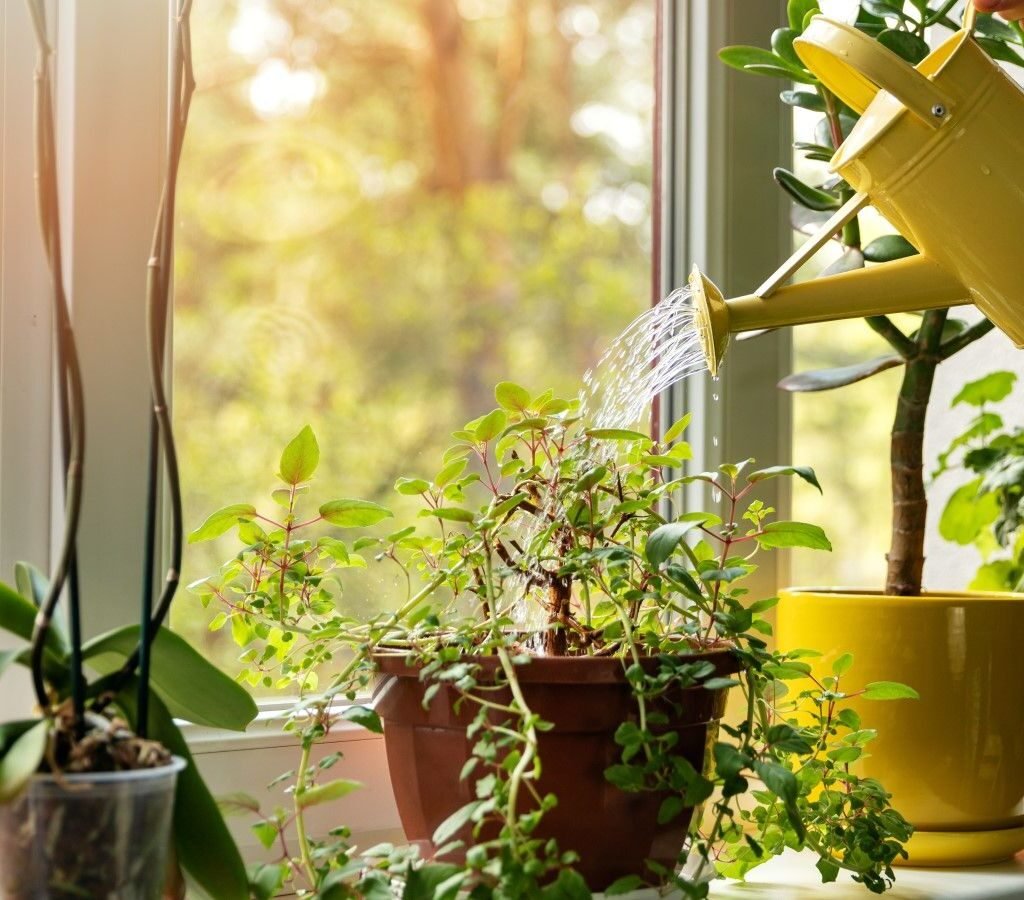
Stick your finger 1–2 inches into the soil. If it feels wet or cool, hold off on watering. If it’s dry, it’s usually time to water.
2. Use a Moisture Meter
A moisture meter can give you a precise reading of the soil moisture level at different depths—perfect for beginners and experienced gardeners alike.
3. Lift the Pot
Wet soil is significantly heavier than dry soil. Learn the difference by lifting your potted plant before and after watering.
Preventing Overwatering: Best Practices
1. Know Your Plant’s Needs
Each plant has unique water requirements. For example:
- Succulents and cacti need infrequent, deep waterings.
- Tropical plants like peace lilies enjoy consistent moisture but still need drainage.
- Fruiting vegetables like tomatoes need more water during fruiting but prefer drying out slightly between waterings.
2. Use the Right Soil
Potting soil should be light, well-draining, and aerated. For example:

- Mix sand or perlite for succulents.
- Use compost-rich loam for vegetables and herbs.
Avoid heavy garden soil in containers.
3. Ensure Proper Drainage
Always use pots with drainage holes. You can also:
- Add a layer of gravel or broken pottery at the bottom.
- Avoid letting pots sit in trays filled with water for too long.
4. Water Deeply, Not Frequently
Encourage deep root growth by watering thoroughly but less often. This allows roots to seek moisture below the surface and helps the topsoil dry out properly.
5. Monitor Humidity and Temperature
Plants in humid environments or cooler seasons require less frequent watering. Adjust accordingly to prevent water from sitting too long in the soil.
How to Save an Overwatered Plant
If you’ve identified overwatering as the issue, act quickly:
Step 1: Stop Watering
Let the soil dry out. Move the plant to a brighter, warmer location to encourage evaporation.
Step 2: Remove Damaged Leaves
Trim yellow, brown, or mushy leaves and stems to redirect energy to healthy parts of the plant.
Step 3: Repot if Necessary
If root rot is suspected:
- Gently remove the plant from its pot.
- Cut away all black, mushy roots with sterile scissors.
- Repot in fresh, dry, well-draining soil.
- Disinfect the pot before reusing it.
Step 4: Wait Before Resuming Normal Watering
After repotting, give the plant time to recover. Resume watering only when the top inch of soil feels dry.

Conclusion: Don’t Kill Your Plants with Kindness
In gardening, good intentions can sometimes lead to unintended consequences. Overwatering is one of the most common mistakes plant owners make—often out of love and attentiveness. But understanding your plant’s needs, recognizing the early signs, and adjusting your care routine can prevent this silent killer from taking root.
In short:
- Overwatering can mimic drought symptoms.
- It damages roots, attracts pests, and disrupts nutrient uptake.
- Regular observation and flexible watering schedules are key.
By learning to listen to your plants and trust the soil—not the calendar—you’ll avoid overwatering and cultivate a healthier, more resilient garden.9

Leave A Comment