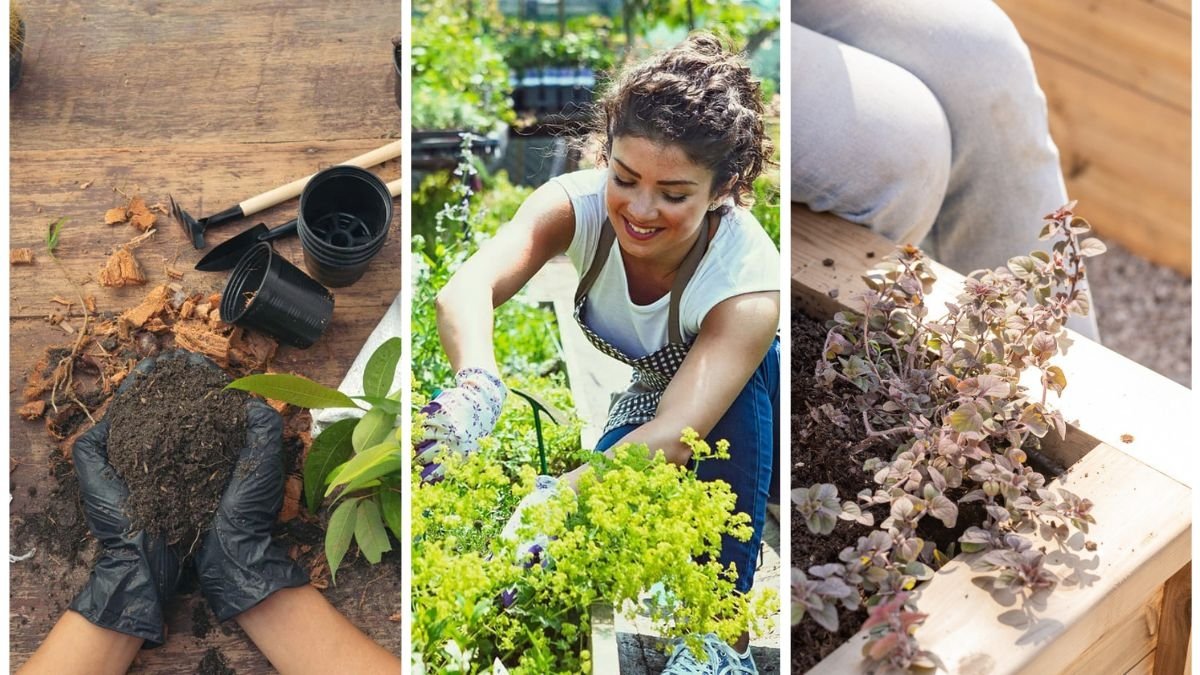
A beautiful and productive garden doesn’t begin with seeds or plants—it starts with healthy soil. Unfortunately, many gardeners find themselves struggling with poor soil conditions: compacted clay, sandy soil that drains too fast, or lifeless dirt that seems to repel growth. But here’s the good news—poor soil is not a dead end. With the right strategies and a bit of patience, you can transform even the most uninviting garden bed into fertile, vibrant soil.
In this article, we’ll explore 5 proven ways to improve poor garden soil, backed by horticultural science and real-world experience.
Why Soil Quality Matters
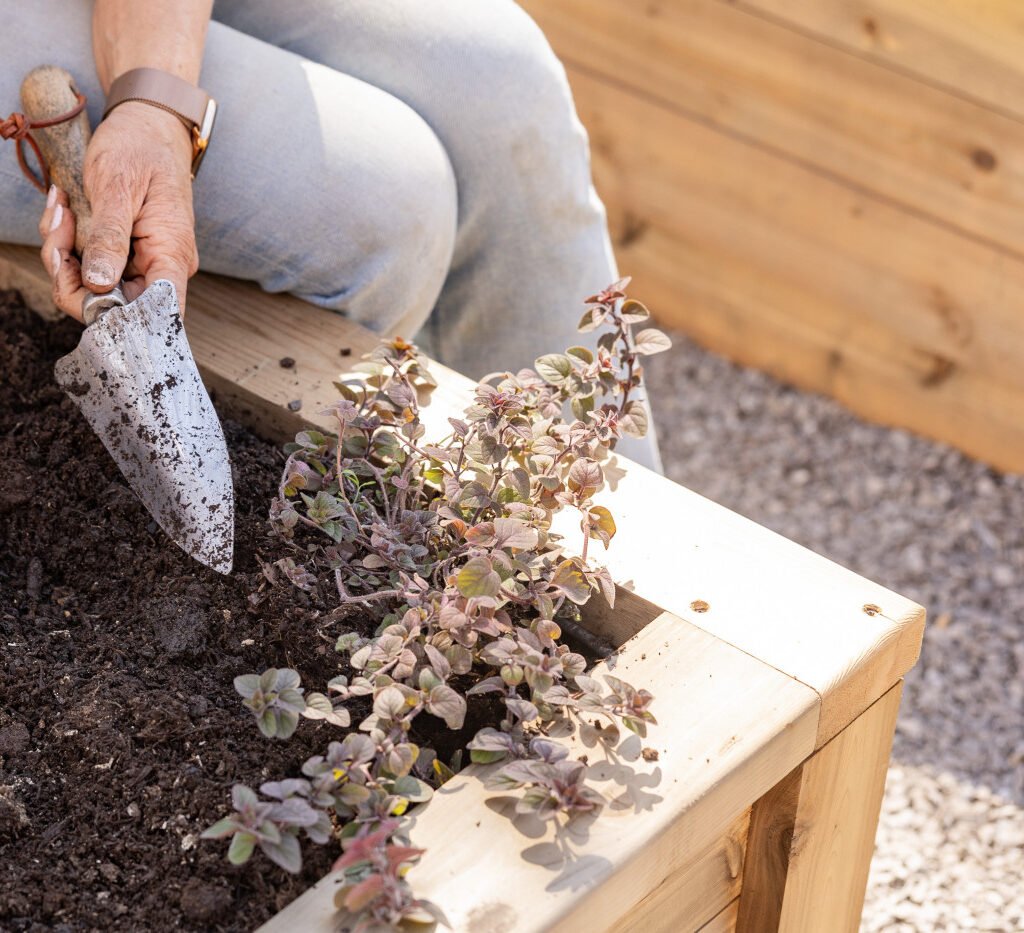
Soil isn’t just dirt—it’s a living ecosystem made up of minerals, organic matter, microorganisms, air, and water. Healthy soil provides:
- Nutrient storage and delivery
- Proper drainage and moisture retention
- Air circulation for roots
- Habitat for beneficial organisms like earthworms and microbes
Poor soil disrupts these functions, leading to:

- Weak plant growth
- Poor yields
- Increased pest and disease problems
Let’s look at five practical and effective ways to reverse this and build the foundation for a thriving garden.
1. Add Organic Matter

The Gold Standard for Soil Improvement
If you do nothing else for your poor soil, add organic matter. It’s the single most effective way to improve soil structure, nutrient content, and biological activity.
What is Organic Matter?
Organic matter refers to decomposed plant or animal materials, such as:
- Compost
- Aged manure
- Leaf mold
- Grass clippings
- Shredded bark or wood chips
How It Helps:
- Improves texture: Makes clay soil looser and sandy soil more cohesive.
- Feeds microorganisms: Encourages beneficial bacteria, fungi, and earthworms.
- Increases nutrient-holding capacity: Especially important in sandy soils.
- Improves water retention and drainage: Balances moisture for roots.
How to Use:
- Spread a 2–4 inch layer of compost or other organic material over your garden beds.
- Work it into the top 6–12 inches of soil with a shovel or garden fork.
- Repeat annually or semi-annually, especially at the beginning and end of the growing season.
2. Practice Cover Cropping
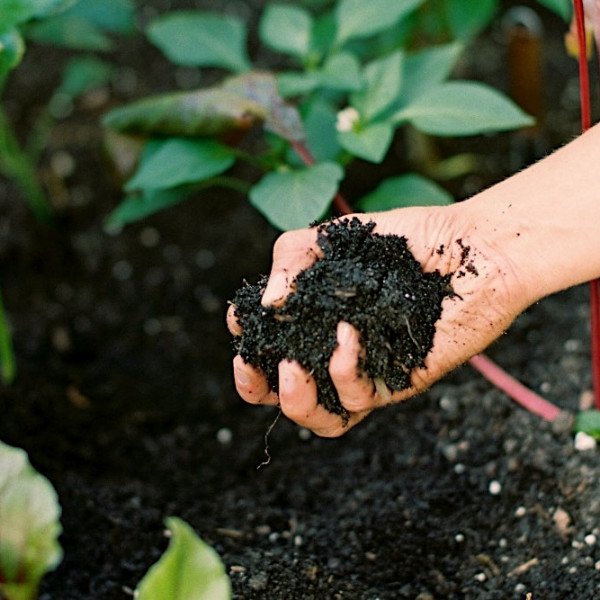
Nature’s Way to Rebuild Soil
Also known as “green manure,” cover crops are plants grown primarily to protect and enrich the soil, not for harvest.

Common Cover Crops:
- Legumes (e.g., clover, peas, vetch): Fix nitrogen from the atmosphere into the soil.
- Grasses (e.g., rye, oats): Improve soil structure and suppress weeds.
- Brassicas (e.g., mustard): Break up compacted soils and reduce pests.
Benefits:
- Adds organic matter when mowed or tilled into the soil.
- Prevents erosion by covering bare ground.
- Suppresses weeds naturally.
- Boosts soil nitrogen and microbial diversity.
When and How to Use:
- Plant cover crops in fall or early spring.
- Allow them to grow for several weeks or months.
- Cut or till them into the soil before they flower for best results.
3. Improve Soil Structure with Mulching
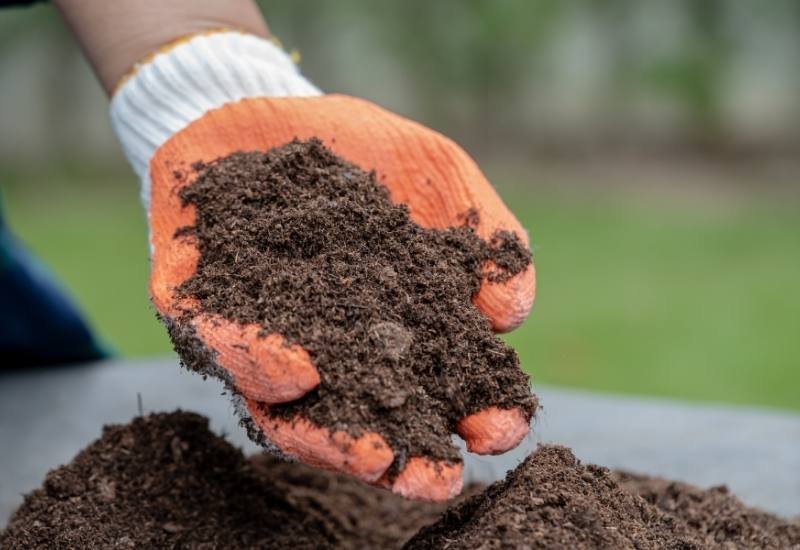
Mulching isn’t just for weed suppression or moisture retention—it plays a key role in soil restoration.
Types of Organic Mulch:
- Straw
- Grass clippings
- Wood chips
- Leaves
- Pine needles
- Compost
Benefits of Mulching:
- Regulates soil temperature
- Prevents compaction from rain
- Encourages earthworm activity
- Slowly adds nutrients and organic matter as it decomposes
- Reduces evaporation, conserving water
How to Apply:
- Apply 2–4 inches of mulch around plants and over bare soil.
- Keep mulch a few inches away from plant stems to prevent rot.
- Replenish as needed, especially after heavy rain or wind.
Mulching mimics the natural forest floor, where layers of organic material break down slowly and enrich the soil below.
4. Test and Amend the Soil
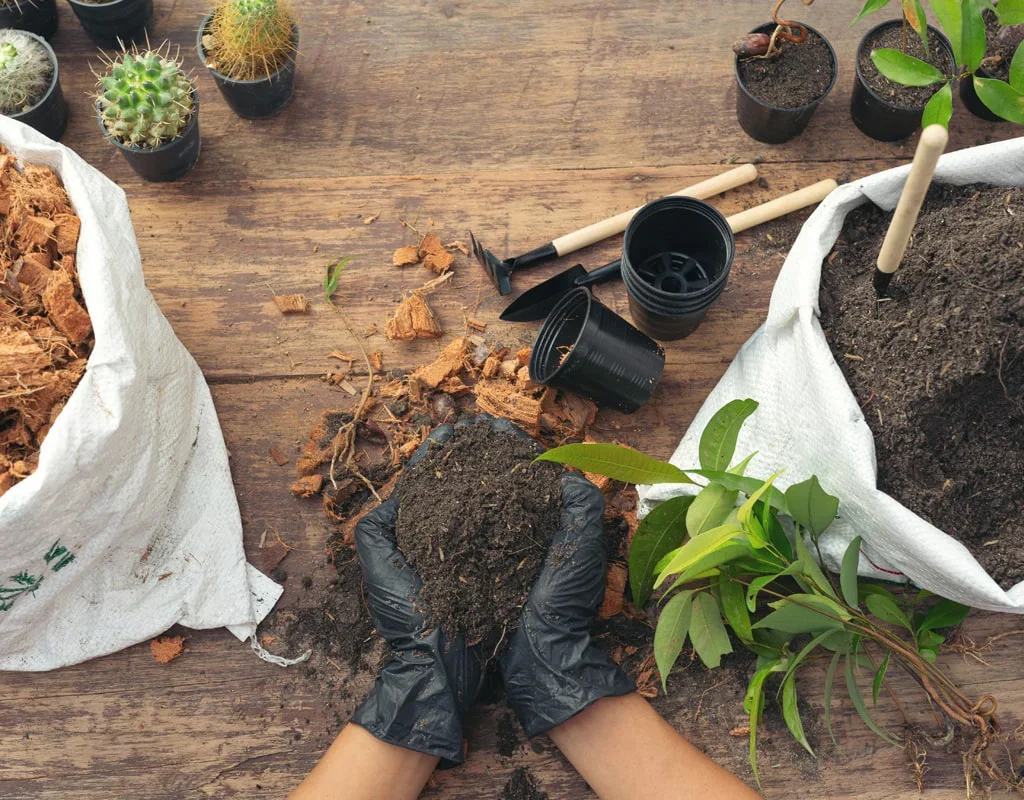
Poor soil often suffers from imbalanced pH or nutrient deficiencies. Guesswork is unreliable—you need to test your soil to know exactly what’s wrong.
Step 1: Get a Soil Test
- Use a home test kit or send a sample to a local extension service or soil lab.
- Tests typically measure:
- pH (acidic or alkaline)
- Macronutrients (N, P, K)
- Micronutrients (Fe, Mg, Zn, etc.)
Step 2: Amend Based on Results
- Adjust pH:
- Add lime to raise pH (make soil less acidic).
- Add sulfur to lower pH (make soil more acidic).
- Add nutrients:
- Use balanced organic fertilizers or specific amendments like bone meal, blood meal, rock phosphate, or kelp.
- Apply compost: To correct minor deficiencies and improve overall fertility.
Benefits:
- Improves nutrient uptake.
- Corrects toxic or deficient conditions.
- Maximizes the effectiveness of other improvements.
Understanding your soil’s current status allows you to make targeted and cost-effective improvements.

5. Minimize Soil Disturbance (No-Till or Low-Till Gardening)
Constant tilling and digging may seem helpful, but they can destroy soil structure and microbial life.
Problems with Excessive Tilling:
- Breaks apart soil aggregates
- Exposes beneficial organisms to the elements
- Increases erosion and compaction
- Disrupts fungal networks
The No-Till Approach:
- Layer organic matter (compost, mulch) on top of the soil.
- Let earthworms and microbes naturally incorporate it.
- Use a broadfork (not a rototiller) if soil is severely compacted.
Benefits:
- Preserves soil structure and microbial ecosystems.
- Retains moisture and reduces erosion.
- Promotes long-term soil health and fertility.
Over time, a no-till or low-till system creates a self-sustaining soil ecosystem that improves itself with minimal intervention.
Bonus Tips for Long-Term Soil Health
- Rotate crops annually to prevent nutrient depletion and disease buildup.
- Incorporate companion planting to encourage diverse root structures and symbiotic interactions.
- Avoid chemical herbicides and pesticides, which can harm beneficial organisms.
- Water wisely: Overwatering can lead to compaction and nutrient leaching.
How Long Does It Take to Improve Poor Soil?
Improving poor garden soil is a process—not a one-time fix. Visible results can begin in a few weeks to a season, but true transformation can take 1–3 years, depending on the soil’s original condition.
However, each step you take—from adding compost to cover cropping—builds a healthier soil environment for long-term success.

Conclusion: From Dirt to Gold
Poor soil is not a life sentence for your garden. With time, observation, and commitment, even the worst soil can be transformed into rich, dark, crumbly earth teeming with life.
To recap, the 5 best ways to improve poor garden soil are:
- Add organic matter consistently.
- Grow and incorporate cover crops.
- Use mulch to protect and build soil.
- Test and amend based on real data.
- Minimize tilling to protect structure and biology.
These methods are sustainable, cost-effective, and supported by decades of agricultural science. By treating your soil as a living system—and not just a medium for plant roots—you lay the foundation for a vibrant, abundant garden that will reward you for years to come.

Leave A Comment