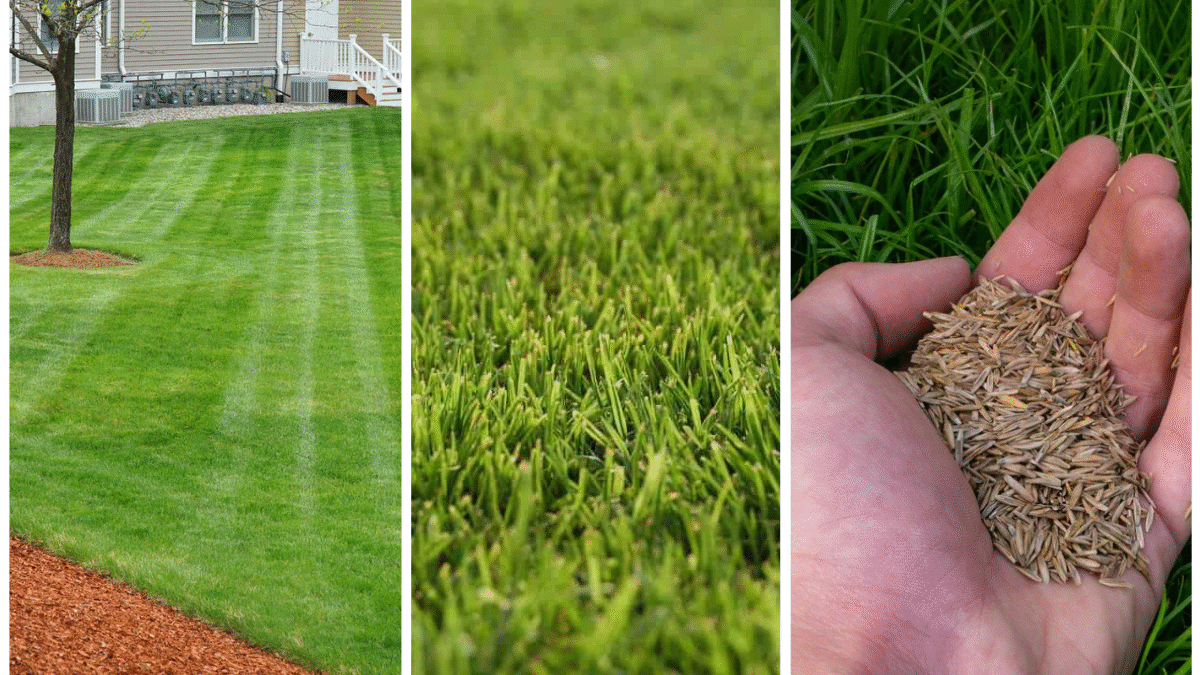
A lush, healthy lawn is one of the most rewarding sights in any garden or landscape, but achieving it depends heavily on timing and grass selection. For homeowners and gardeners, fall is often considered the best season to seed a new lawn or overseed an existing one. The soil is still warm from summer, moisture levels are generally higher, and cooler air temperatures reduce stress on emerging seedlings. However, the key to long-term success lies in choosing the right grass varieties for fall seeding.
In this article, we’ll explore why fall is the prime season for lawn establishment, the best grass varieties suited for different regions, and detailed insights into their growth patterns, benefits, and care requirements.
Why Fall Is the Ideal Time for Seeding Grass
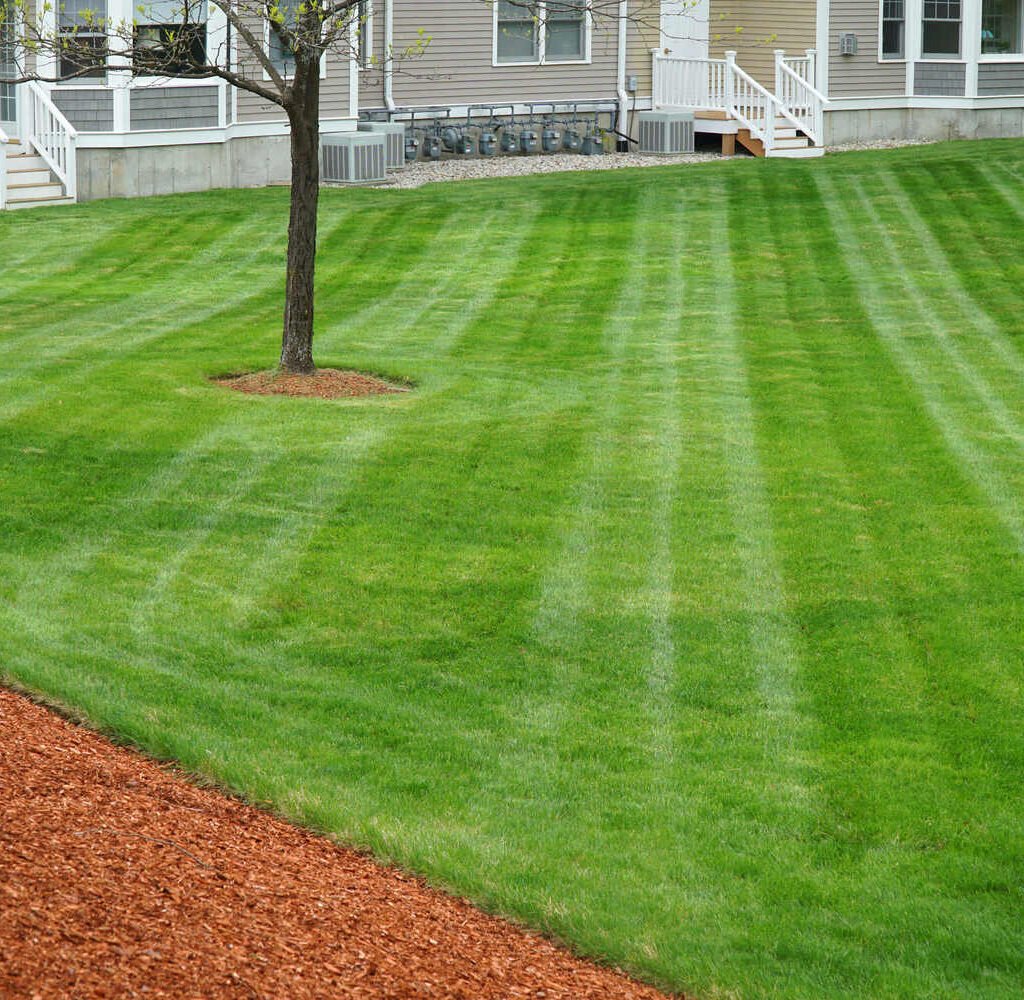
Before discussing varieties, it’s important to understand why fall offers the perfect conditions for grass growth:
- Optimal Soil Temperature – Grass seeds germinate best when soil temperatures remain between 50–70°F. Fall soil, warmed by summer, provides this environment.
- Cooler Air, Less Stress – Unlike summer, cooler air in fall reduces stress on seedlings and lowers the chances of drought damage.
- Fewer Weeds – Weeds like crabgrass and foxtail are less active in fall, allowing grass seedlings to establish with minimal competition.
- Better Root Development – With more energy focused on roots rather than shoots, fall seedlings develop strong systems to survive winter and thrive in spring.
Cool-Season vs. Warm-Season Grasses
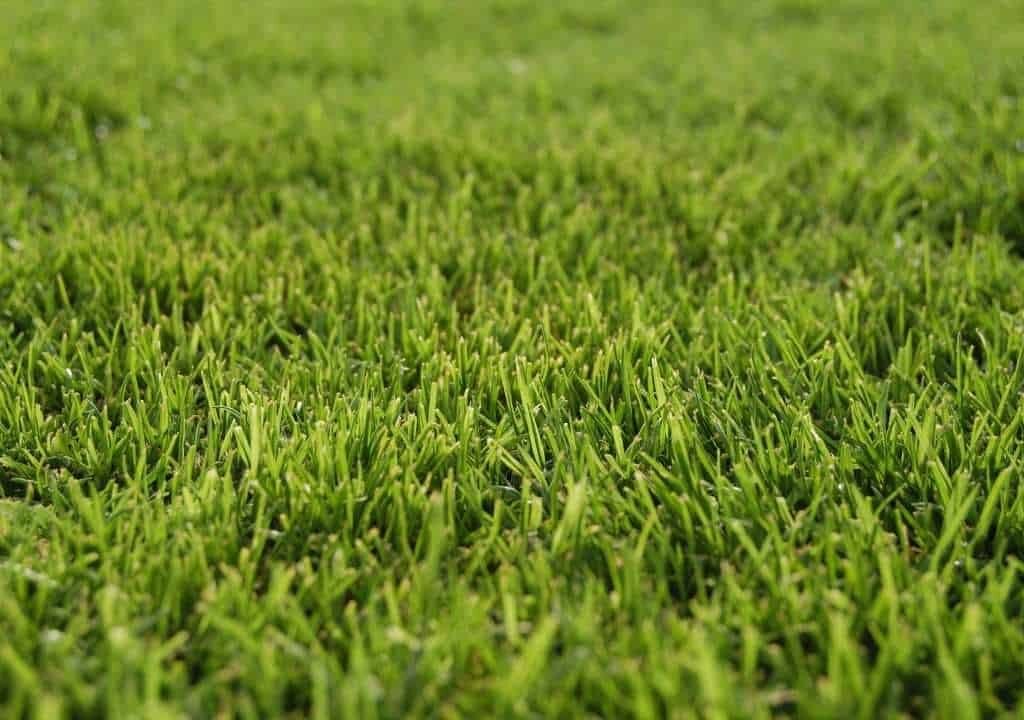
Grass varieties fall into two major categories:
- Cool-Season Grasses – Thrive in northern regions with cold winters and mild summers. They germinate quickly in fall and stay green longer into winter.
- Warm-Season Grasses – Suited for southern climates with hot summers. While spring is best for planting them, some varieties can still benefit from early fall seeding in warm zones.
For fall seeding, cool-season grasses are typically the top choice, though certain transitional climates may support both.
The Best Grass Varieties for Fall Seeding
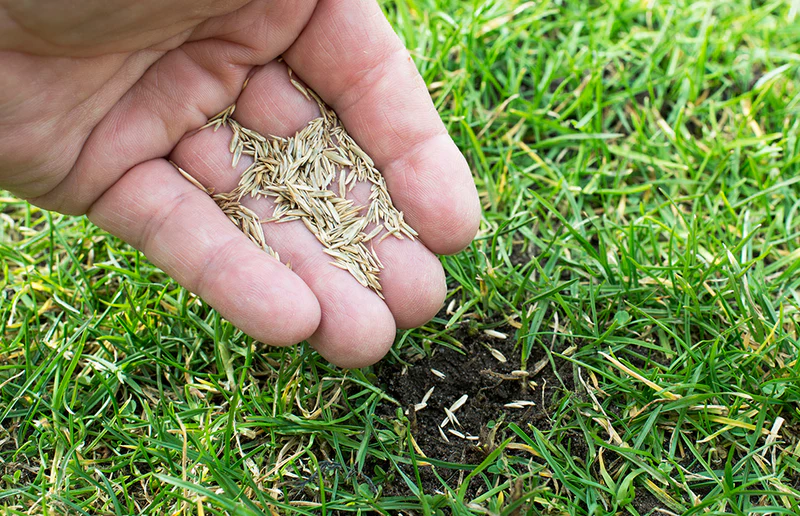
1. Kentucky Bluegrass (KBG)
- Best for: Northern and transition zones
- Germination time: 14–30 days
- Key traits: Fine texture, rich green color, excellent cold tolerance
Kentucky Bluegrass is one of the most popular lawn grasses for fall seeding. It thrives in cooler climates and develops a dense, carpet-like turf. Its rhizomatous growth habit allows it to spread, filling bare patches naturally over time.

Benefits:
- Tolerates cold winters and bounces back in spring
- Self-repairing growth through underground rhizomes
- Resistant to foot traffic and damage
Challenges:
- Slower germination compared to ryegrass
- Requires more frequent watering during establishment
Best Use: For homeowners looking for a lush, durable lawn that can withstand northern winters.
2. Perennial Ryegrass
- Best for: Transitional and northern regions
- Germination time: 5–10 days (fastest among cool-season grasses)
- Key traits: Quick establishment, medium texture, shiny green leaves
Perennial Ryegrass is an excellent choice for overseeding in fall because of its rapid germination. It quickly covers bare patches, making it ideal for repairing lawns damaged by summer stress or foot traffic.
Benefits:
- Germinates in less than two weeks
- Provides quick green cover before winter
- Tolerates moderate wear and tear
Challenges:

- Not as drought-resistant as fescues
- May require frequent reseeding since it doesn’t spread aggressively
Best Use: Perfect for homeowners seeking fast lawn establishment or patch repair in fall.
3. Tall Fescue
- Best for: Wide adaptability across north and transition zones
- Germination time: 7–12 days
- Key traits: Coarse texture, drought tolerance, deep root system
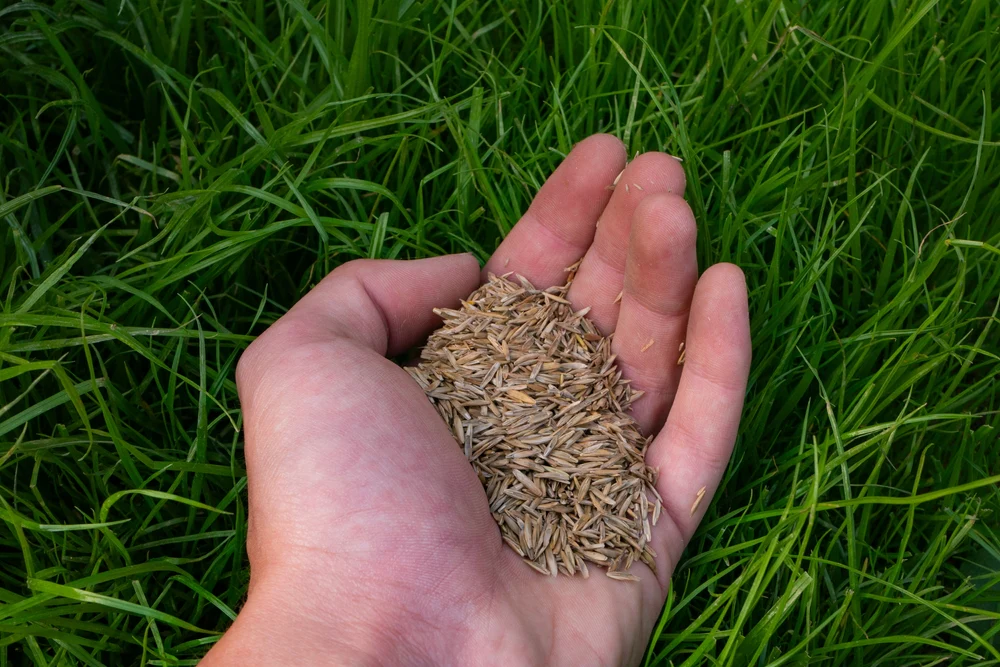
Tall Fescue is one of the most versatile grasses for fall seeding. Its deep roots make it drought-tolerant, while its adaptability allows it to thrive in various soil types. It is often recommended for areas with fluctuating weather conditions.
Benefits:
- Strong drought resistance compared to other cool-season grasses
- Tolerates heavy foot traffic
- Low maintenance with fewer fertilizer requirements
Challenges:
- Coarser texture than bluegrass or ryegrass
- Does not spread vigorously—relies on clump growth
Best Use: Great for family lawns, play areas, or regions with inconsistent rainfall.
4. Fine Fescues (Creeping Red, Chewings, Hard, Sheep Fescue)
- Best for: Shady areas and northern climates
- Germination time: 7–14 days
- Key traits: Shade tolerance, soft fine blades, low fertility needs
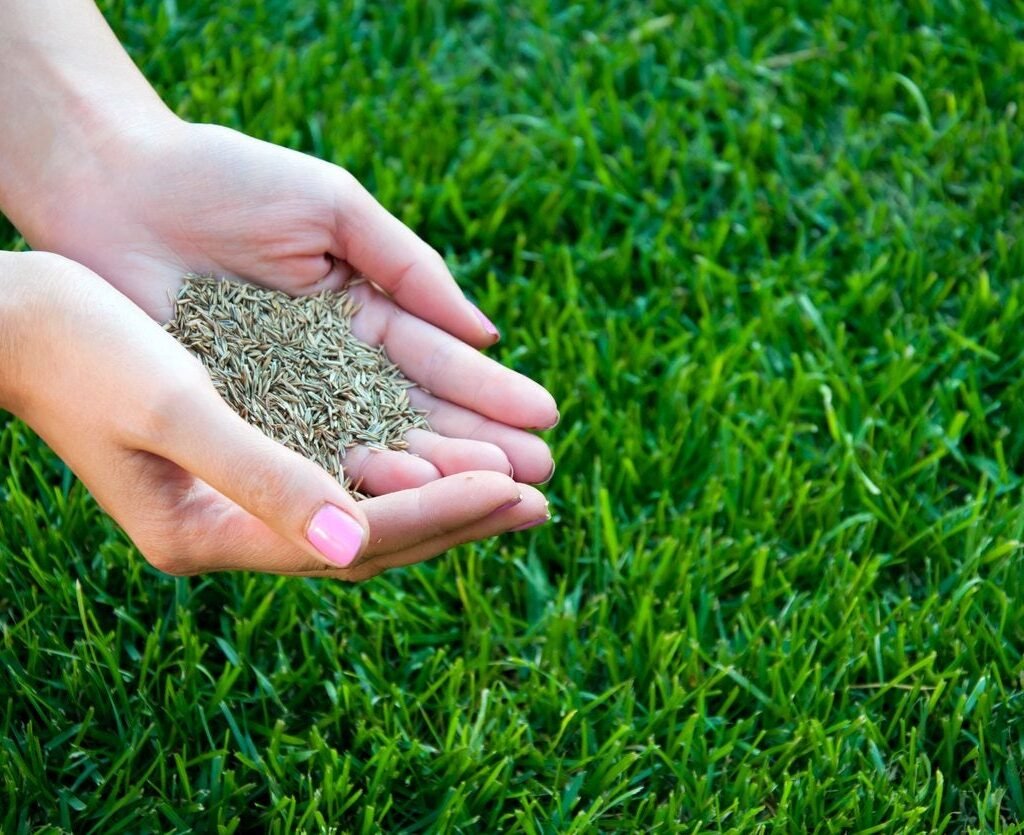
Fine fescues are a group of grasses ideal for lawns with significant shade. They can grow in low-light conditions where other varieties struggle, making them a valuable addition to seed blends.

Benefits:
- Excellent performance in shade
- Low maintenance—require less fertilizer and water
- Soft, fine blades create a velvety appearance
Challenges:
- Poor wear resistance compared to ryegrass or tall fescue
- May thin out in high-traffic areas
Best Use: Perfect for shaded lawns or as part of a mixed seed blend for balanced performance.
5. Bentgrass (Creeping Bentgrass)
- Best for: Golf courses, ornamental lawns
- Germination time: 10–14 days
- Key traits: Extremely fine texture, dense growth, light green color
Bentgrass is commonly used in golf courses due to its ability to create smooth, even turf. While not always suitable for standard home lawns, it can be a premium choice for ornamental landscapes.
Benefits:
- Creates a dense, uniform surface
- Can be mowed very short (ideal for putting greens)
- Adapts well to cooler climates
Challenges:

- High maintenance—requires frequent mowing and watering
- Susceptible to disease if not managed properly
Best Use: For specialized lawns where appearance is prioritized over low maintenance.
Regional Recommendations
- Northern U.S. & Cold Regions: Kentucky Bluegrass, Fine Fescues, Perennial Ryegrass
- Transition Zones (Midwest, Mid-Atlantic): Tall Fescue, Perennial Ryegrass, Kentucky Bluegrass blends
- Shaded Lawns: Fine Fescues (Creeping Red, Hard, Chewings)
- High-Traffic Areas: Tall Fescue, Perennial Ryegrass
Blended Seed Mixes: A Smart Strategy
Instead of choosing one variety, many homeowners opt for blended seed mixes. These contain multiple grasses, combining strengths like shade tolerance, drought resistance, and wear durability. For example:
- Sun & Shade Mix: Kentucky Bluegrass + Fine Fescue + Ryegrass
- High-Traffic Mix: Tall Fescue + Perennial Ryegrass
- Low-Maintenance Mix: Fine Fescues
Seed blends ensure year-round performance and adaptability to changing conditions.
Tips for Successful Fall Seeding
- Prepare the Soil – Loosen compacted soil, remove debris, and enrich with compost or starter fertilizer.
- Test the pH – Grass grows best in slightly acidic soil (6.0–7.0). Adjust with lime or sulfur if needed.
- Seed at the Right Rate – Over-seeding requires lighter application, while new lawns need heavier seeding.
- Water Consistently – Keep soil evenly moist until seedlings establish roots.
- Mow Carefully – Wait until grass reaches 3–4 inches before the first mow.
- Protect Seedlings – Minimize foot traffic until grass thickens.
Conclusion
Fall is the season of opportunity for lawn lovers. With warm soil, cool air, and fewer weeds, it’s the best time to establish strong, resilient turf. Choosing the right grass variety—whether it’s the lush Kentucky Bluegrass, the quick-growing Perennial Ryegrass, the durable Tall Fescue, or the shade-loving Fine Fescues—makes all the difference in achieving a vibrant, healthy lawn that thrives through winter and flourishes in spring.
By pairing the right seed variety with proper soil preparation, watering, and maintenance, you can transform your yard into a green oasis that lasts year-round.

Leave A Comment