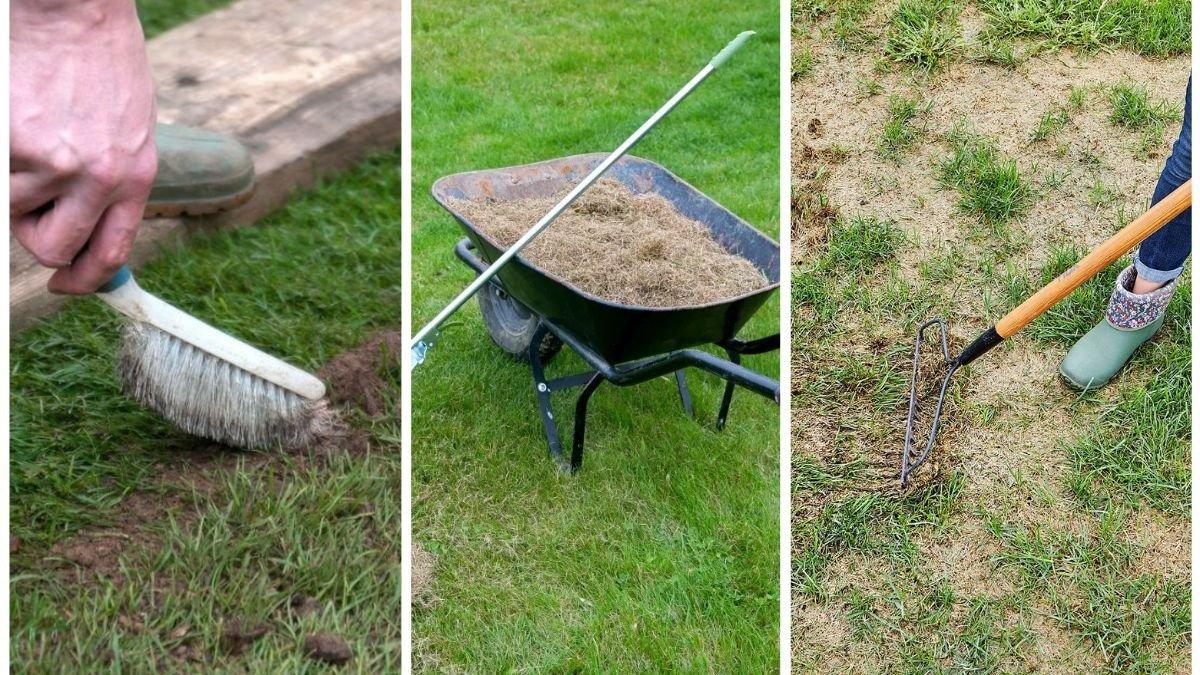
Ahot summer can take a serious toll on your lawn. Weeks of scorching sun, drought stress, and heavy foot traffic can leave once-green turf looking dry, patchy, and brown. While it may feel discouraging, the good news is that most lawns can recover with the right care and timing. Early fall is the perfect season to start lawn repair because the weather cools, rainfall increases, and grass has the best chance to establish strong roots before winter.
In this guide, we’ll walk you through why summer heat damages lawns, practical steps to restore their health, the best grasses to reseed with, and ongoing maintenance tips to ensure your lawn bounces back stronger than ever.
Why Hot Summers Damage Lawns
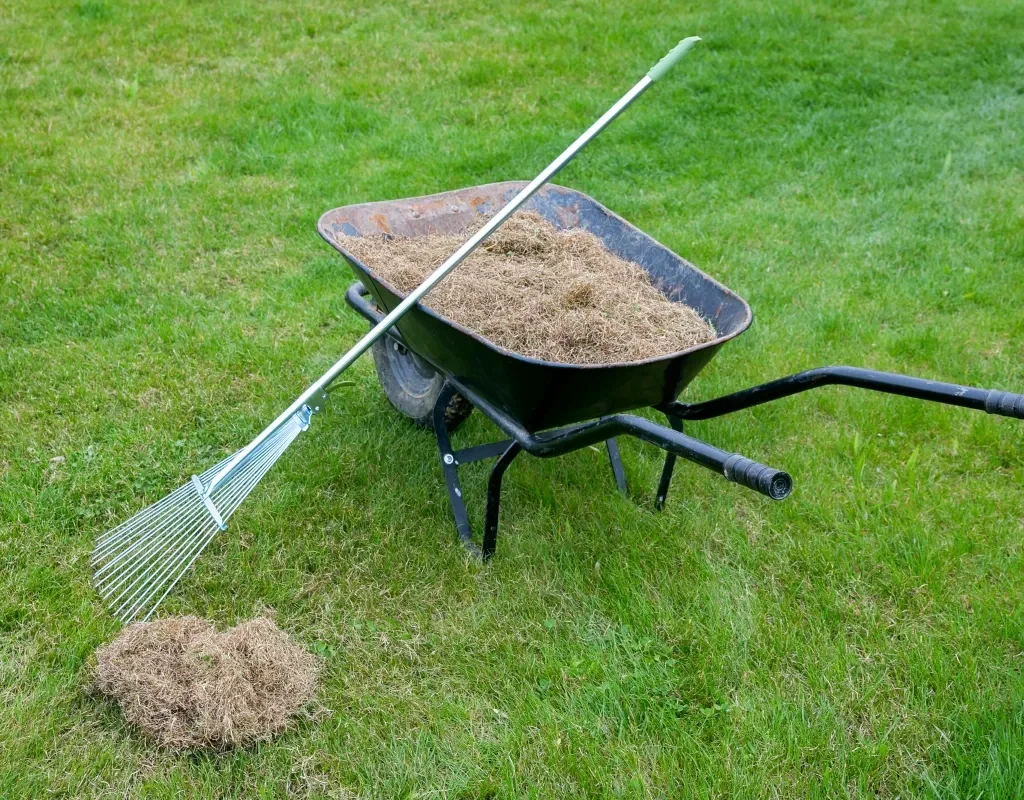
To repair effectively, it’s important to understand what causes summer lawn decline:
- Heat Stress – High daytime temperatures push grass into dormancy. Leaves turn brown as the plant conserves energy.
- Drought Conditions – Lack of water weakens roots and leaves grass unable to absorb nutrients.
- Soil Compaction – Frequent walking or playing on dry soil compresses it, reducing air and water movement to roots.
- Weed and Pest Invasion – Stress creates opportunities for crabgrass, dandelions, grubs, and chinch bugs to invade.
- Disease Pressure – Fungal diseases such as brown patch thrive in hot, humid conditions, further damaging turf.
Understanding these stressors helps you tailor a repair plan that restores both the appearance and resilience of your lawn.
Step-by-Step Guide to Repair Lawn Damage

1. Assess the Damage
Walk across your lawn and note areas of concern:
- Dormant grass vs. dead grass – Dormant grass will regrow once cooler weather arrives, but dead grass requires reseeding or sodding.
- Thatch buildup – A thick, spongy layer may prevent water and nutrients from penetrating.
- Bare spots – Exposed soil areas are prone to weed takeover.
Mark the worst patches for more intensive repair.

2. Clear and Prepare the Lawn
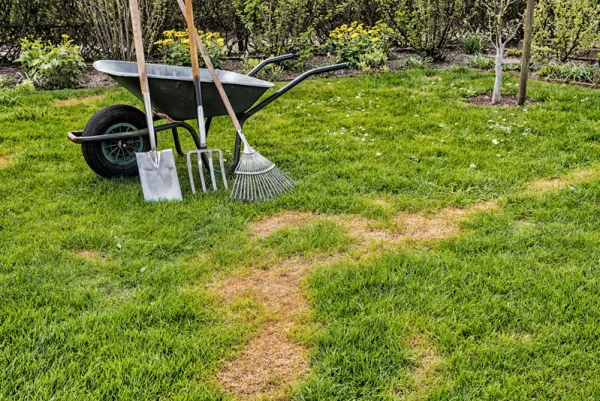
Before seeding or fertilizing, prepare the soil for new growth:
- Remove debris – Rake up dead grass, sticks, and leaves.
- Dethatch if needed – Use a dethatching rake or machine if thatch exceeds ½ inch.
- Aerate compacted soil – Core aeration relieves compaction, improves drainage, and creates pathways for seed-to-soil contact.
This preparation ensures seeds can establish strong roots without obstacles.
3. Reseed Bare or Thin Areas
Fall is the ideal season for reseeding after summer damage because soil is warm but the air is cool. Choose grass varieties suited to your region:
- Cool-season zones (northern U.S., Europe): Kentucky Bluegrass, Tall Fescue, Fine Fescues, Perennial Ryegrass.
- Warm-season zones (southern U.S., tropical regions): Bermuda Grass, Zoysia, Bahia Grass (usually best seeded or sodded in late spring, but overseeding with ryegrass in fall maintains color).
Steps for reseeding:
- Loosen the soil surface with a rake.
- Spread seed evenly at recommended rates.
- Lightly rake again for soil contact.
- Apply a thin layer of straw mulch or compost to retain moisture.
- Water lightly and consistently until germination.
4. Water Wisely
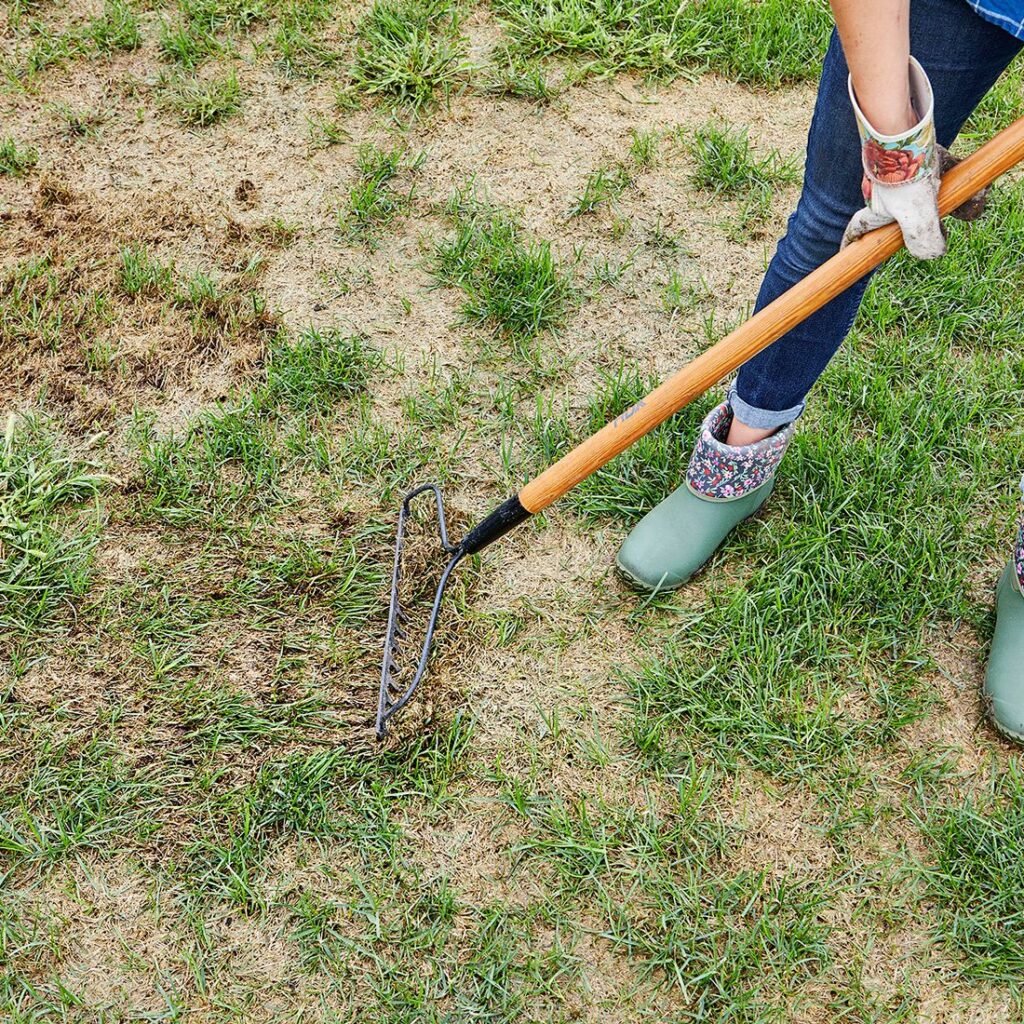
After summer drought, consistent watering is key. Follow these guidelines:
- Frequency: Water daily in short bursts until seedlings sprout.
- Depth: Once established, water deeply 2–3 times a week so roots grow downwards.
- Timing: Morning watering is best to minimize evaporation and disease risk.
Avoid overwatering, as soggy soil can suffocate roots.

5. Fertilize for Recovery
Summer heat depletes soil nutrients. Apply a balanced fall fertilizer rich in nitrogen and potassium to encourage strong root growth.
- Early fall: Use a starter fertilizer when reseeding.
- Late fall: Apply a winterizing fertilizer to prepare grass for dormancy.
Avoid heavy fertilization during extreme summer heat, as stressed grass cannot process nutrients effectively.
6. Control Weeds and Pests
Weeds often thrive where grass has thinned. To prevent takeover:
- Hand-pull weeds from reseeded patches.
- Apply a selective post-emergent herbicide if needed (avoid pre-emergents, as they hinder new seed growth).
- Inspect for grubs and pests—treat infestations with targeted controls like beneficial nematodes or approved insecticides.
A healthy, dense lawn is the best long-term defense against weeds and pests.
7. Mow with Care
Mowing is essential for recovery but must be done carefully:
- Keep blades sharp to avoid tearing fragile new growth.
- Mow when grass reaches 3–4 inches tall.
- Never remove more than one-third of the blade at once.
- Leave clippings on the lawn to recycle nutrients.
Raise mowing height slightly in fall to provide shade to the soil and retain moisture.

8. Mulch and Topdress for Soil Health
Adding a thin layer of organic compost or topsoil improves soil structure, increases nutrient availability, and helps retain moisture. Mulching around trees and shrubs also reduces competition for water during recovery.
Best Grass Varieties for Lawn Repair After Summer
When reseeding in fall, select grasses known for quick germination and resilience:
- Perennial Ryegrass – Fast germination (5–10 days), great for quick coverage.
- Tall Fescue – Deep-rooted, drought-resistant, ideal for summer recovery.
- Kentucky Bluegrass – Lush appearance, spreads to repair thin spots, though slower to germinate.
- Fine Fescues – Shade-tolerant and low-maintenance, perfect for problem areas.
In warm-season regions, overseeding Bermuda or Zoysia lawns with ryegrass ensures greenery through the cooler months.
Long-Term Maintenance Tips to Prevent Future Damage
Repairing your lawn is only the first step—keeping it healthy requires preventive care:
- Regular Aeration – Aerate every fall or spring to prevent compaction and promote strong roots.
- Consistent Watering – Install irrigation systems or follow a deep, infrequent watering schedule.
- Fertilization Schedule – Apply fertilizer 3–4 times annually based on grass type and soil test results.
- Weed Control – Use pre-emergent herbicides in early spring to stop summer weeds from germinating.
- Proper Mowing – Adjust mower height seasonally, keeping blades higher in summer for shade.
- Soil Health Monitoring – Test soil every 2–3 years to check nutrient balance and pH.
- Traffic Management – Rotate play areas, use stepping stones, or limit heavy traffic during hot, dry spells.
When to Consider Sod Instead of Seed
If large areas of your lawn are completely dead or if you need instant results, sodding may be a better option than seeding. Sod provides immediate green coverage, prevents soil erosion, and establishes more quickly. However, it is more expensive and requires proper watering to root successfully.
Conclusion
A hot summer can leave lawns looking lifeless, but recovery is absolutely possible with the right repair strategy. By assessing damage, reseeding with appropriate grass varieties, watering consistently, fertilizing, and maintaining healthy soil, you can transform brown patches into a lush green carpet once again.

Fall provides the perfect window for lawn repair, giving grass time to strengthen roots before winter and bounce back vigorously in spring. With ongoing care—regular aeration, proper mowing, and preventive weed control—your lawn will not only recover from summer stress but also become more resilient for seasons to come.
A damaged lawn is not the end of your landscape’s beauty—it’s simply an invitation to renew, repair, and grow stronger than before.

Leave A Comment