
As the crisp air of fall settles in, many homeowners shift their focus from summer blooms and barbecues to preparing their lawns for the colder months ahead. While it may seem like the growing season is coming to a close, fall is actually the most important time to invest in your lawn’s health. Before your grass enters winter dormancy, you have a golden opportunity to strengthen its roots, fill in bare patches, and encourage lush, thick growth that will return even greener in spring.
A thin or stressed lawn going into winter risks weed invasion, snow mold, and weak growth in the following year. On the other hand, a thicker lawn before dormancy not only looks better but also insulates itself against winter stress, ensuring a strong comeback.
In this article, we’ll explore five proven tips for achieving a thicker lawn before winter dormancy—covering overseeding, fertilization, mowing, watering, and soil care. Each strategy works with the natural rhythm of grass growth in fall, ensuring your lawn is well-prepared to withstand the cold.
1. Overseed to Fill Bare and Thin Spots
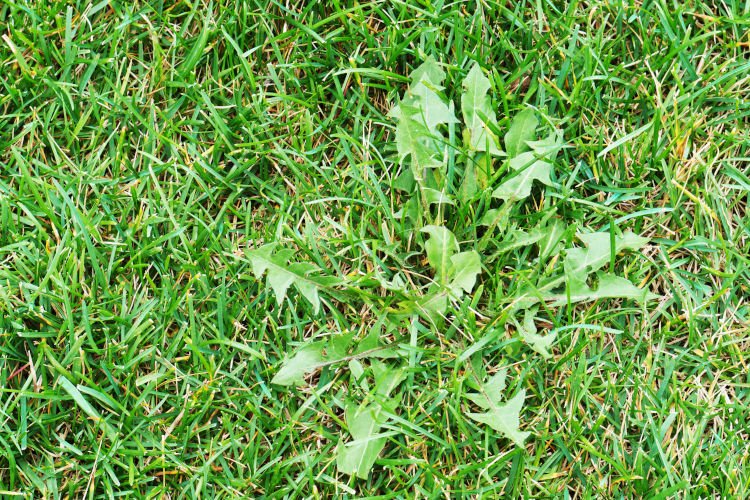
One of the most effective ways to thicken your lawn in fall is through overseeding—spreading new seed over existing turf. As temperatures drop and soil remains warm, grass seed germinates quickly without the stress of summer heat.

Why Overseeding Works
- Fills bare spots: Thin lawns allow weeds like crabgrass and dandelions to thrive. Overseeding chokes them out.
- Increases density: More blades of grass equal a thicker, carpet-like appearance.
- Boosts resilience: New seedlings add genetic diversity, improving disease resistance.
Best Practices for Overseeding
- Choose the right seed mix: Match grass type to your region—Kentucky Bluegrass, Perennial Ryegrass, or Tall Fescue for cool-season lawns; Bermuda or Ryegrass blends for transitional zones.
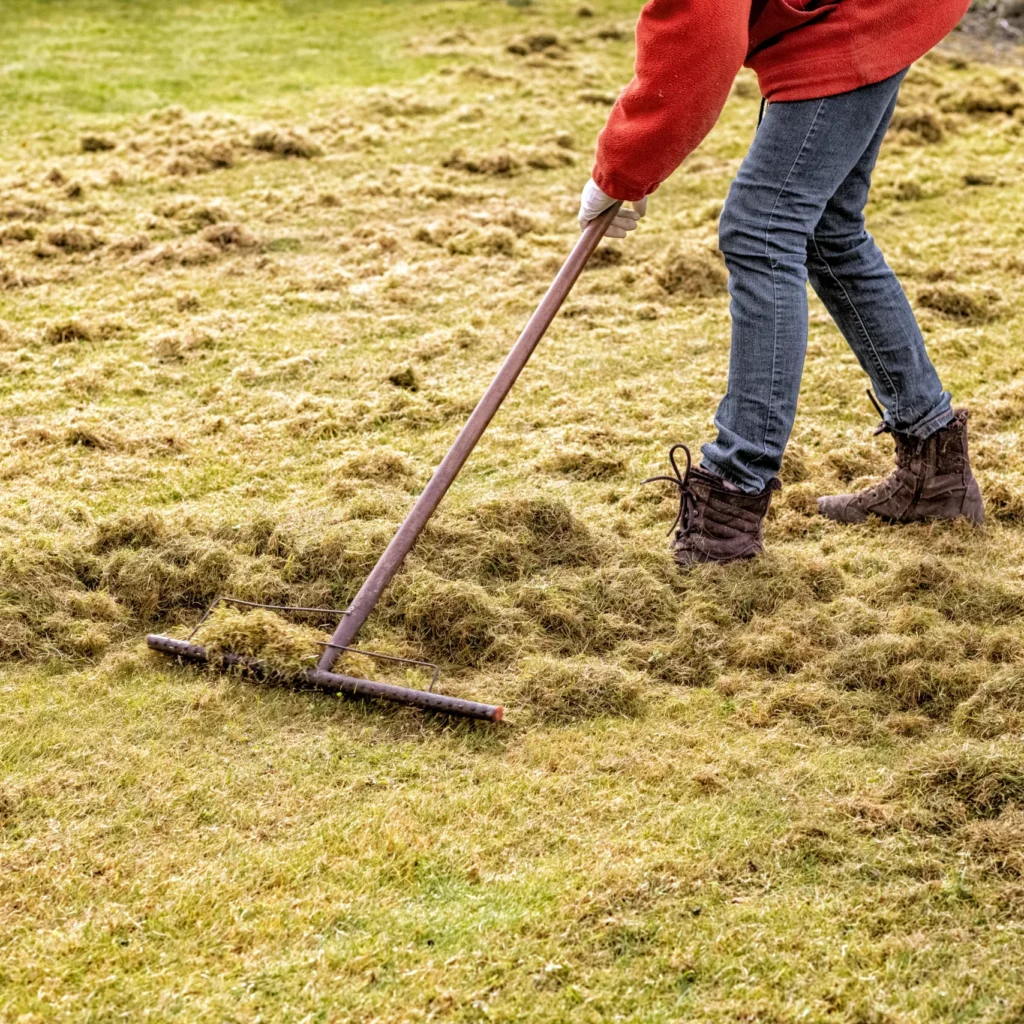
- Prepare the lawn: Mow shorter than usual (about 2 inches) and rake thoroughly to expose soil.
- Ensure seed-to-soil contact: Lightly rake in seeds and consider a thin compost topdressing.
- Keep soil moist: Water lightly 1–2 times daily until germination, then transition to deeper, less frequent watering.
Result: By the time winter arrives, you’ll have a lawn that looks fuller and is better equipped to crowd out weeds.
2. Fertilize with a Fall Formula
Fertilization is critical for thickening your lawn before dormancy. Unlike spring fertilization, which focuses on leaf growth, fall fertilization fuels root development. Stronger roots mean grass can store energy to survive winter and emerge thick and green in spring.
Why Fall Fertilizer Matters
- Encourages root growth before the ground freezes.
- Improves nutrient storage for spring regrowth.
- Helps grass recover from summer stress (heat, drought, foot traffic).
Fertilizer Application Tips
- Use a nitrogen-rich formula: Look for a fall or “winterizer” blend high in nitrogen and potassium. Nitrogen promotes density, while potassium enhances cold tolerance.
- Timing is key: Apply early fall fertilizer when daytime temps are around 60–70°F, and a second application in late fall (4–6 weeks before the ground freezes).
- Spread evenly: Use a broadcast spreader to avoid patchy growth.
- Water afterward: Light watering ensures nutrients reach the root zone.
Result: Fertilization strengthens root systems, ensuring your lawn enters dormancy healthy and reawakens in spring thick and vibrant.
3. Adjust Your Mowing Routine

Mowing is often overlooked as a strategy for lawn thickening, but proper mowing habits in fall encourage stronger growth and prepare grass for winter.

Why Mowing Matters
- Promotes lateral growth, encouraging turf to spread and thicken.
- Prevents disease risk by keeping grass at the right height before snow cover.
- Improves seed-to-soil contact during overseeding.
Mowing Tips for Fall
- Gradually lower mowing height: Keep grass around 2.5–3 inches before winter. Taller grass insulates roots, but grass left too long may mat down and invite snow mold.
- Sharpen mower blades: Clean cuts reduce stress and disease risk.
- Leave clippings: Mulched clippings return nutrients to the soil naturally.
- Avoid scalping: Cutting too short weakens the plant before winter dormancy.
Result: A carefully managed mowing schedule thickens turf in fall and prevents disease issues under winter snow.
4. Water Deeply and Strategically
Even though cooler temperatures and fall rains reduce evaporation, watering remains essential for building a thicker lawn before dormancy. Grass roots are still active until the ground freezes, meaning they benefit from consistent moisture.
Why Watering Helps Thickness
- Supports seed germination and establishment from overseeding.
- Prevents drought stress in fall, which weakens root reserves.
- Ensures nutrients from fertilizer are absorbed efficiently.
Watering Guidelines for Fall
- Depth over frequency: Water deeply (6–8 inches) 1–2 times per week instead of shallow, daily watering.
- Early morning is best: Reduces evaporation and fungal risk.
- Stop before freezing temps: Once the ground freezes, watering is no longer effective.
Result: Well-hydrated roots grow deeper and stronger, creating a thicker lawn capable of surviving winter and bouncing back quickly in spring.
5. Improve Soil Health with Aeration and Topdressing

Even the best overseeding and fertilization won’t work without healthy soil. Fall is the perfect time to aerate and topdress your lawn, giving roots the oxygen, nutrients, and structure they need to support thicker turf.

Core Aeration Benefits
- Relieves soil compaction caused by summer activity.
- Improves air, water, and nutrient movement to roots.
- Enhances seed-to-soil contact during overseeding.
Topdressing with Compost
- Adds organic matter, boosting microbial activity.
- Improves water retention while preventing runoff.
- Levels uneven areas, giving the lawn a smoother appearance.
How to Do It:
- Rent a core aerator or hire a professional service.
- Spread a thin layer (¼–½ inch) of compost or high-quality topsoil.
- Rake lightly to blend it into existing turf.
Result: Aeration and topdressing rejuvenate soil, ensuring grass roots grow deeper and blades grow thicker before dormancy.
Bonus: Weed and Pest Control Before Dormancy
While the five tips above are primary, consider weed and pest management as supplemental steps:
- Apply selective herbicides only where needed (avoid pre-emergent if you’re overseeding).
- Inspect for grubs or pests and treat accordingly.
- A thicker lawn naturally resists future weed invasion.
Putting It All Together: A Pre-Winter Lawn Care Routine
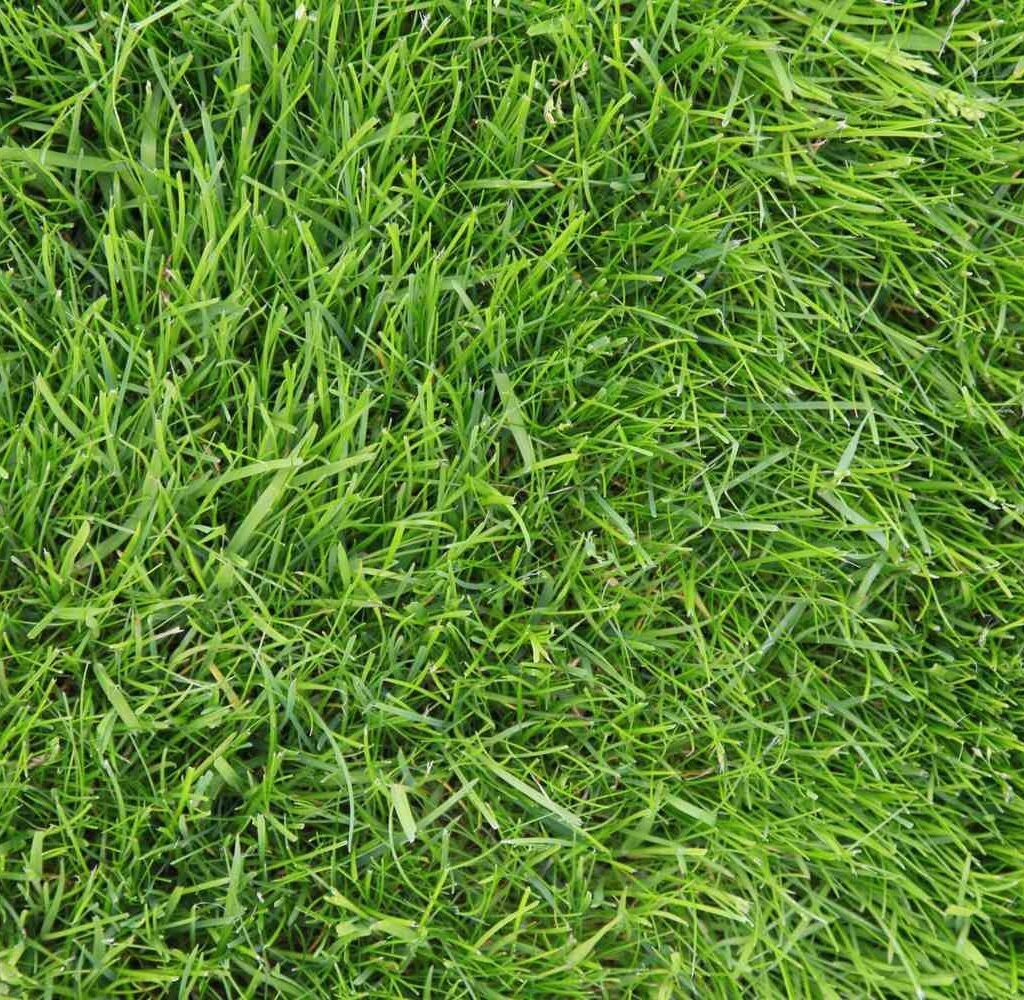
Here’s how you can combine all five tips into an easy fall routine:

- Early Fall (September–October): Aerate and overseed thin spots, apply starter fertilizer, and water consistently.
- Mid-Fall (October): Continue watering, mow regularly at the right height, and spread topdressing if needed.
- Late Fall (November): Apply a winterizing fertilizer, perform the last mow (2.5–3 inches), and reduce watering as temperatures drop.
By following this structured plan, you’ll ensure your lawn is thick, resilient, and prepared for dormancy.
Conclusion
A thicker lawn before winter dormancy doesn’t just improve your yard’s curb appeal—it’s an investment in your lawn’s long-term health. By overseeding, fertilizing properly, mowing smartly, watering deeply, and improving soil health through aeration and topdressing, you give your lawn the best chance to thrive through winter and flourish in spring.
Rather than letting your grass fade into dormancy unprepared, take advantage of the fall season. A little extra care now will reward you with a vibrant, dense, and resilient lawn that will be the envy of the neighborhood come springtime.

Leave A Comment