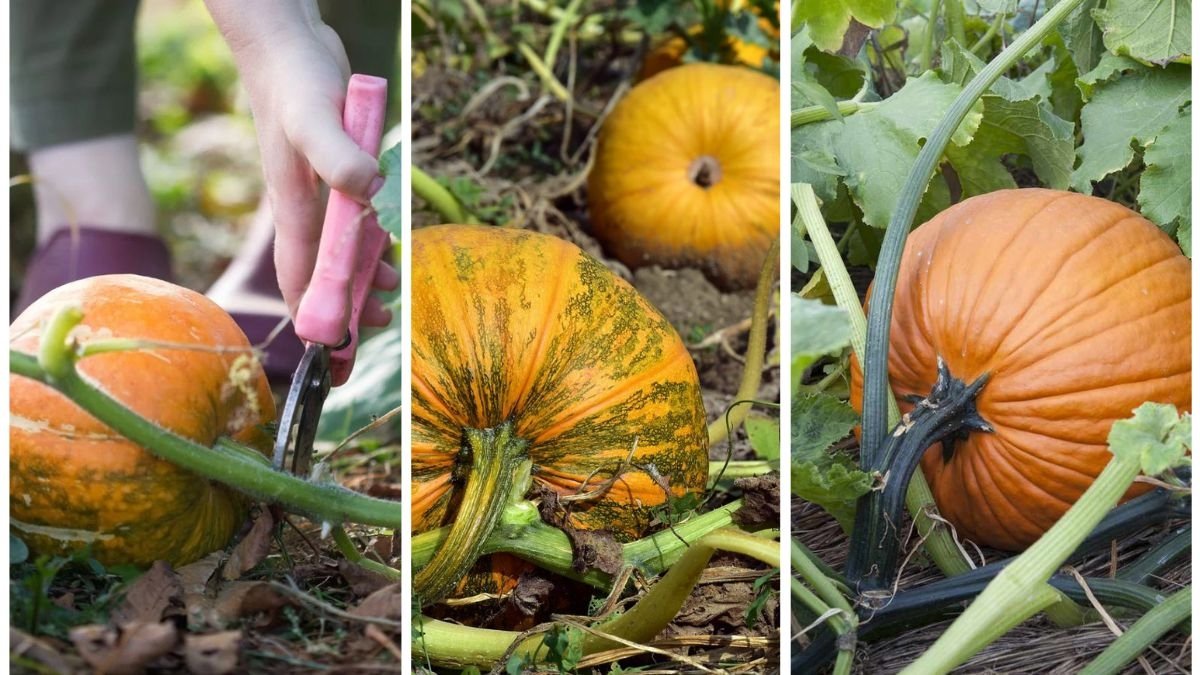
Pumpkins are more than just a festive decoration for Halloween or Thanksgiving—they are also a versatile crop for cooking, baking, and long-term storage. However, if you want to enjoy their rich flavor and ensure they last through the winter months, knowing the right time to harvest pumpkins is critical. Harvest too early, and they may rot or fail to develop their full flavor. Harvest too late, and frost or decay could ruin them.
This article will guide you through every aspect of harvesting pumpkins at the perfect time for maximum storage life, covering signs of maturity, harvesting techniques, curing, and storage conditions. By following these steps, you’ll not only extend the shelf life of your pumpkins but also preserve their quality and taste.
Why Harvest Timing Matters
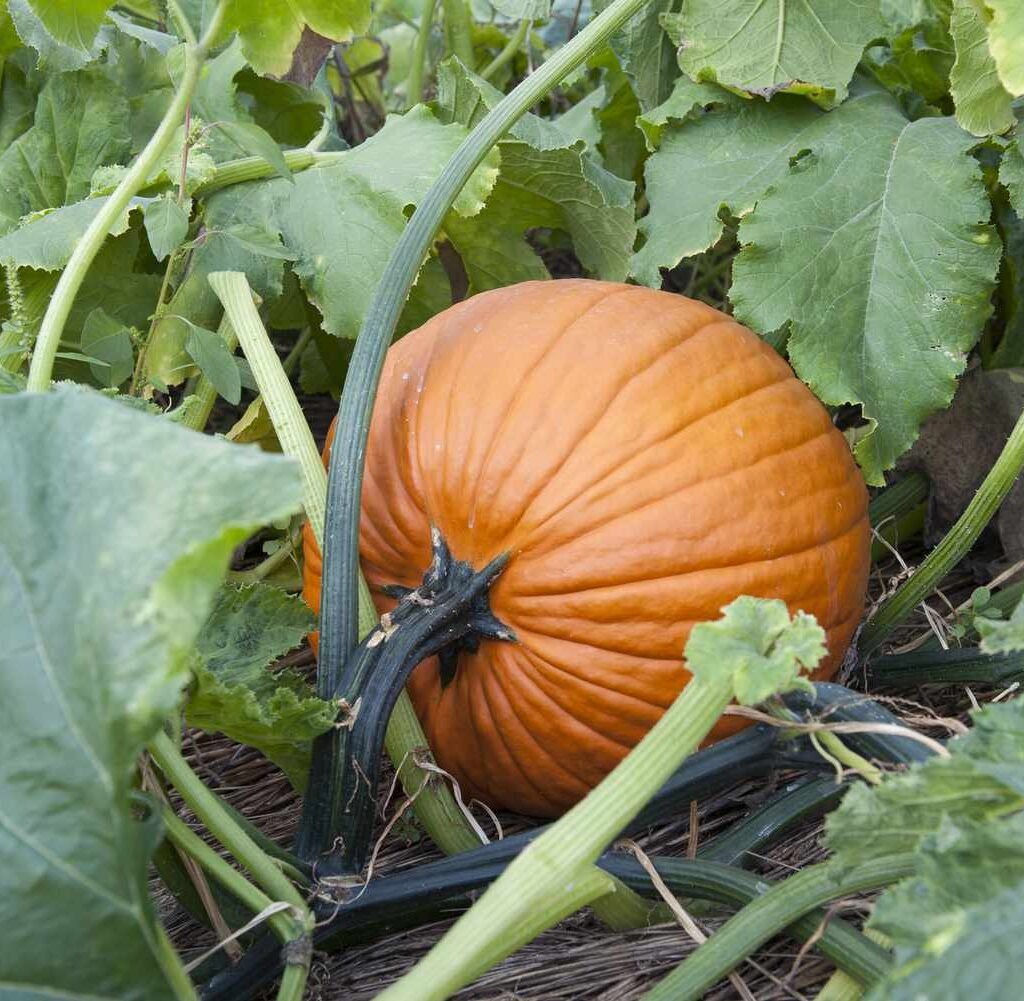
The timing of pumpkin harvest has a direct impact on storage:
- Flavor and sweetness – Pumpkins need time to fully ripen on the vine to develop natural sugars and flavor.
- Durability – Mature pumpkins have harder rinds, making them resistant to rot and pests.
- Shelf life – Properly harvested and cured pumpkins can last 3–6 months in storage.
- Nutrient density – Pumpkins harvested at peak ripeness retain more vitamins, minerals, and antioxidants.
Harvesting too early can result in pumpkins that shrivel, soften, or spoil quickly. Harvesting too late risks frost damage, which shortens storage life significantly.
Signs That Pumpkins Are Ready for Harvest
Unlike some fruits, pumpkins don’t continue to ripen well after being picked. That’s why it’s essential to identify the right harvest stage while they’re still on the vine.
Here are the key signs to look for:
- Color Change
- The skin turns deep orange (or the mature color of the variety).
- For specialty pumpkins (white, blue, or green varieties), the skin should reach its consistent mature shade.
- Hard Rind
- The rind should be firm and resist puncture when pressed with your fingernail.
- A soft rind indicates immaturity.
- Dying Vines
- The pumpkin vine begins to wither and turn brown.
- This is a natural sign the plant has finished feeding the fruit.
- Hollow Sound
- Gently tap the pumpkin—it should sound hollow.
- Dry Stem
- A dry, corky stem is another strong indicator of maturity.
- A soft, green stem suggests it needs more time on the vine.
The Right Harvest Time
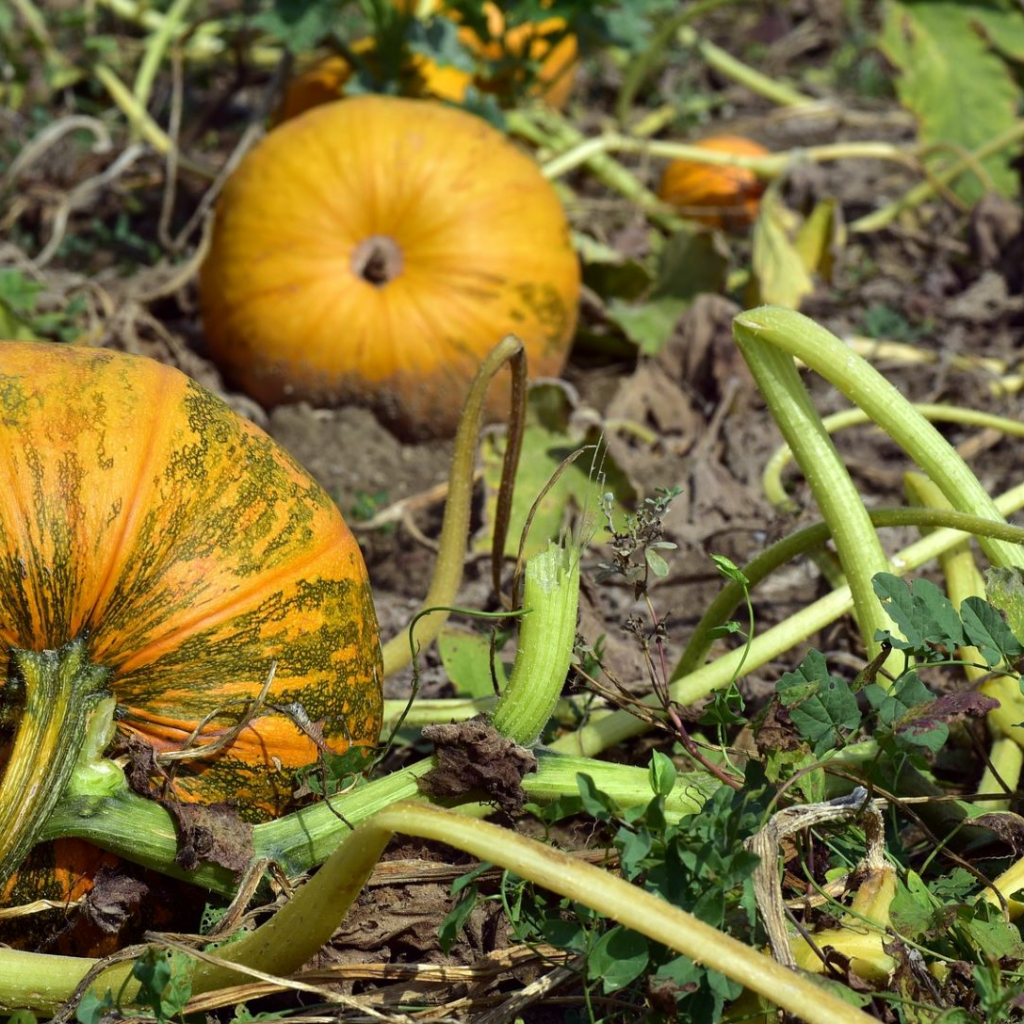
The general harvest season for pumpkins falls between late September and October, depending on your region and planting time. A few factors to consider:
- Days to maturity – Check the seed packet for maturity dates (usually 90–120 days).
- Climate – In northern climates, aim to harvest before the first hard frost.
- Frost warning – A light frost may not kill pumpkins, but a hard freeze will damage skin and shorten storage life.
Rule of thumb: Harvest pumpkins when they are fully colored, the rind is firm, and the vine is starting to die back—but before frost arrives.
How to Harvest Pumpkins Properly
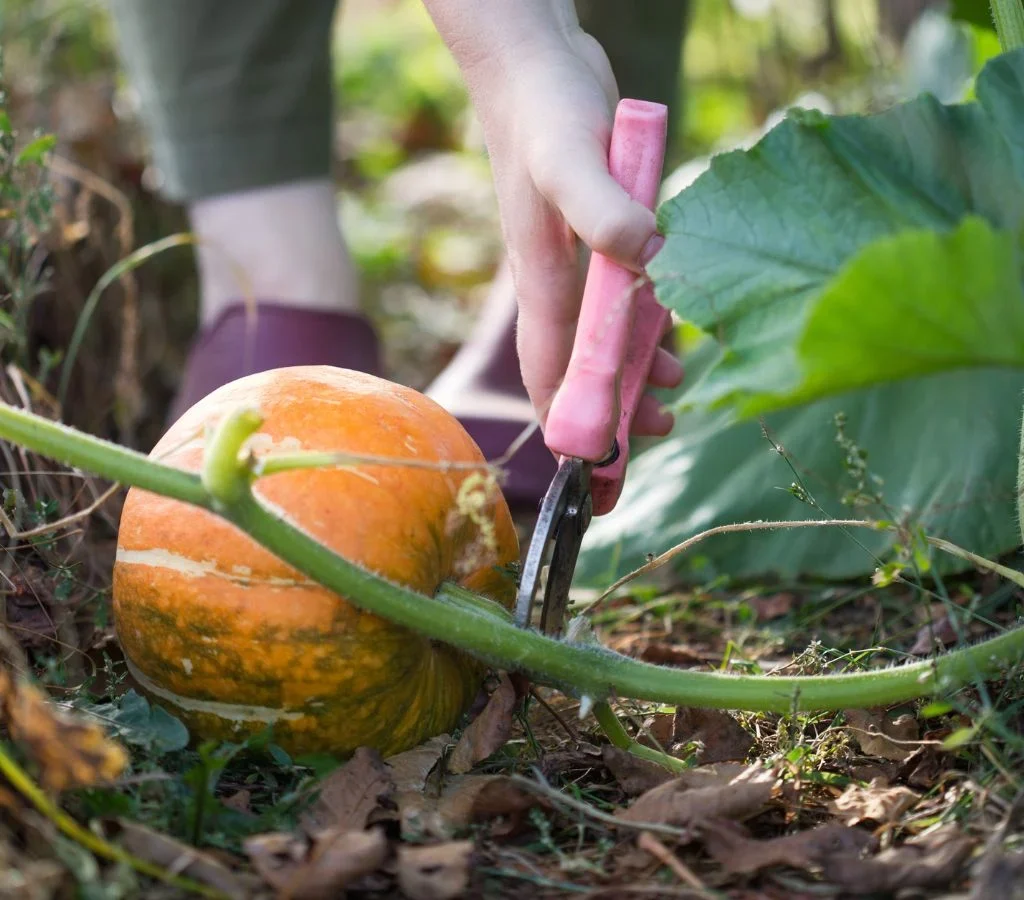
Even if your pumpkins are ready, improper harvesting can damage them and reduce storage life. Follow these steps:
- Choose the right tools
- Use sharp pruning shears, loppers, or a knife instead of pulling the pumpkin off the vine.
- Leave a long stem
- Always cut the stem with at least 3–4 inches attached.
- Pumpkins without stems rot quickly, while stems act as a natural “lid.”
- Handle with care
- Avoid dropping or carrying pumpkins by the stem (it can snap off).
- Small bruises may seem minor but often lead to rot in storage.
- Harvest on a dry day
- Wet pumpkins are more prone to mold.
- Morning harvests are best, when dew has evaporated.
Curing Pumpkins for Long-Term Storage
Curing is the process of hardening the pumpkin’s rind and healing minor cuts or scratches. This step is crucial for extending storage life.
- Temperature: Place pumpkins in a warm (80–85°F / 27–29°C), dry, well-ventilated area.
- Duration: Cure for 10–14 days.
- Sunlight option: If weather permits, pumpkins can cure outdoors in direct sunlight for a week, but bring them inside at night to avoid dew or frost.
- Purpose: Curing toughens the rind, seals wounds, and helps prevent moisture loss.
Storing Pumpkins for Maximum Shelf Life
Once cured, pumpkins can be moved into long-term storage. The right conditions make all the difference:
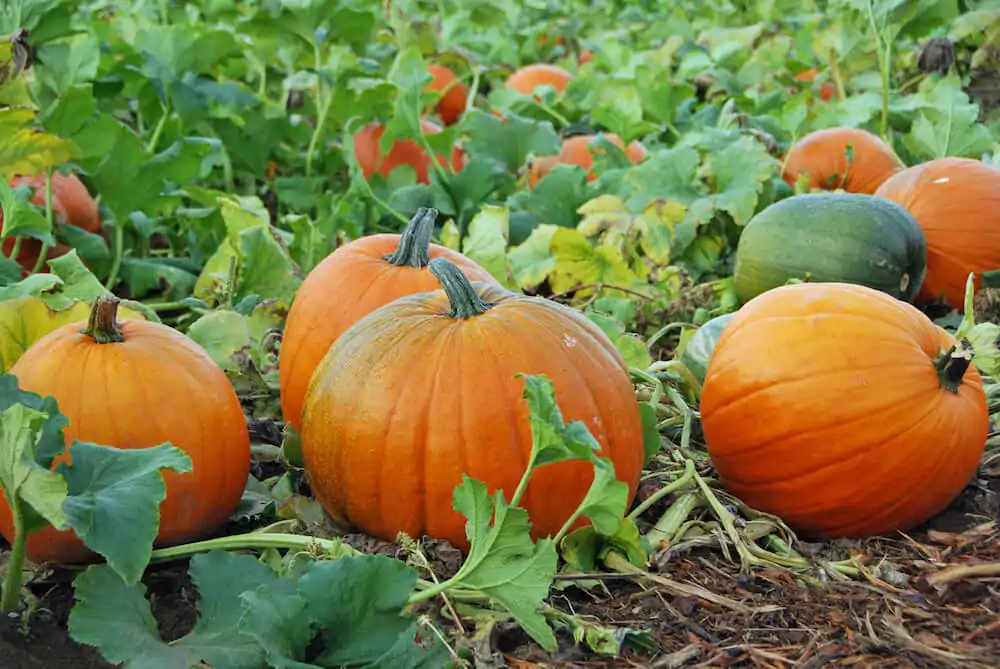
- Temperature: 50–55°F (10–13°C) is ideal.
- Humidity: 50–70% relative humidity. Too much humidity leads to mold, while too little causes shriveling.
- Air circulation: Store pumpkins on shelves, slatted crates, or straw—not directly on concrete floors.
- Spacing: Keep pumpkins from touching each other to reduce the spread of rot.
- Darkness: Store in a cool, dark place such as a basement, root cellar, or garage (if insulated).
When stored correctly, pumpkins last up to 3 months (sometimes longer for certain varieties like Hubbard or Long Island Cheese).

Monitoring Pumpkins in Storage
Storage doesn’t end after placement—regular monitoring is necessary:
- Check pumpkins weekly for soft spots or mold.
- Remove any rotting pumpkins immediately to protect the rest.
- Handle carefully during inspections to avoid bruising.
Special Tips for Longer Storage
- Don’t wash pumpkins before storage – Washing removes the natural protective layer. Instead, gently wipe dirt off with a dry cloth. If disease is a concern, a light 1-part bleach to 10-part water rinse can be used, but dry thoroughly afterward.
- Choose the right varieties – Not all pumpkins store equally well. Heirloom and hard-rind pumpkins like ‘Long Island Cheese,’ ‘Cinderella,’ and ‘Jarrahdale’ last longer than thin-skinned varieties.
- Avoid cracked or damaged pumpkins – Even small blemishes provide entry points for decay.
Common Mistakes to Avoid
- Harvesting too early: Immature pumpkins have soft skin and spoil quickly.
- Leaving pumpkins in frost: Even one hard frost can ruin them.
- Cutting too short a stem: Pumpkins without a handle deteriorate faster.
- Stacking pumpkins directly: Trapped moisture encourages mold growth.
Bonus: Using Pumpkins After Storage
Once storage time is up or pumpkins begin showing signs of aging, don’t let them go to waste. Pumpkins are versatile in the kitchen and garden:
- Cooking: Use in soups, pies, breads, or roasted as a side dish.
- Seeds: Roast seeds for a healthy snack.
- Composting: If pumpkins are no longer edible, add them to the compost pile to enrich garden soil.
Bringing It All Together
Harvesting pumpkins at the right time is both an art and a science. The key is to wait until the fruit is fully mature—deeply colored, with a hard rind and drying stem—but before frost can damage it. By harvesting carefully, curing properly, and storing in the right environment, you can extend the life of your pumpkins for several months.
This ensures you’ll have plenty of flavorful, nutrient-rich pumpkins ready for autumn feasts, holiday decorations, or even midwinter meals. With a little care and attention, your pumpkins can last well beyond harvest season, bringing both beauty and nourishment into your home.


Leave A Comment