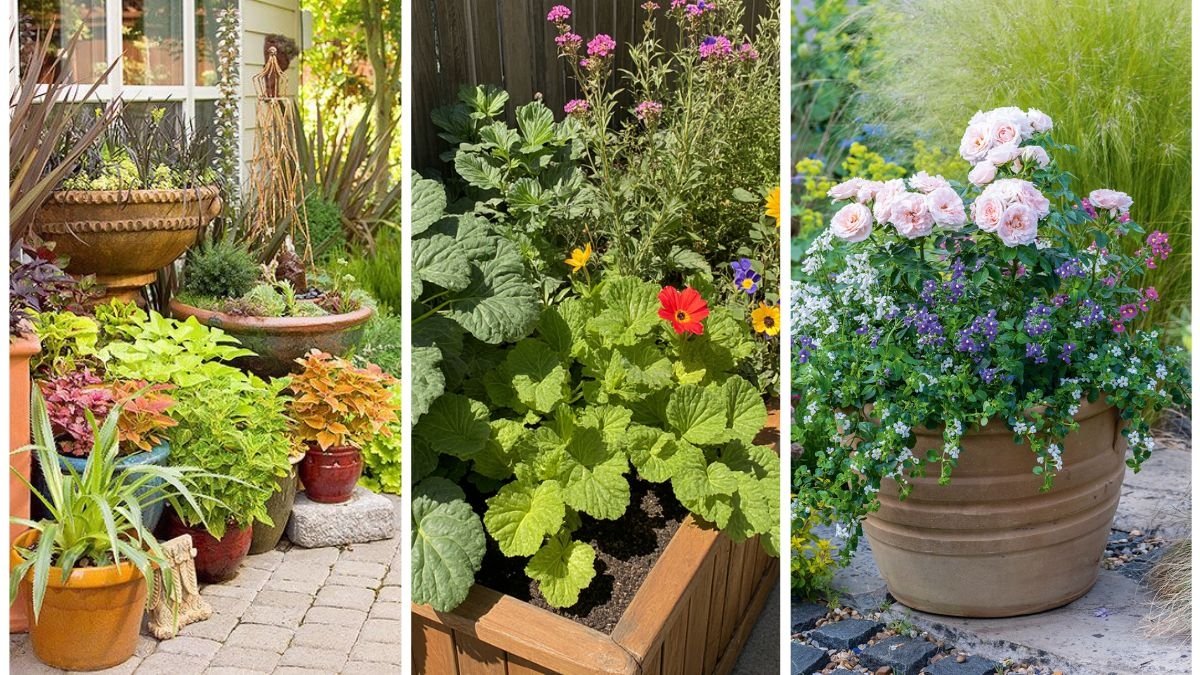
Container gardening has become an increasingly popular way to grow vegetables, herbs, flowers, and even small shrubs in limited spaces. From urban balconies to compact patios, containers offer flexibility and mobility, allowing anyone to enjoy the pleasures of gardening. But as fall arrives, your plants face new challenges—shorter days, cooler nights, and changing nutrient needs.
One of the most important steps you can take to keep your container plants healthy through the autumn months is proper fertilization. Fertilizing in fall is not just about feeding plants—it’s about preparing them for the seasonal transition, ensuring continued growth, enhancing resilience, and in some cases, getting them ready for winter dormancy.
This article will guide you through the right way to fertilize container plants in fall, covering why it matters, what types of fertilizers to use, how to apply them, and common mistakes to avoid.
Why Fertilizing Container Plants in Fall Matters
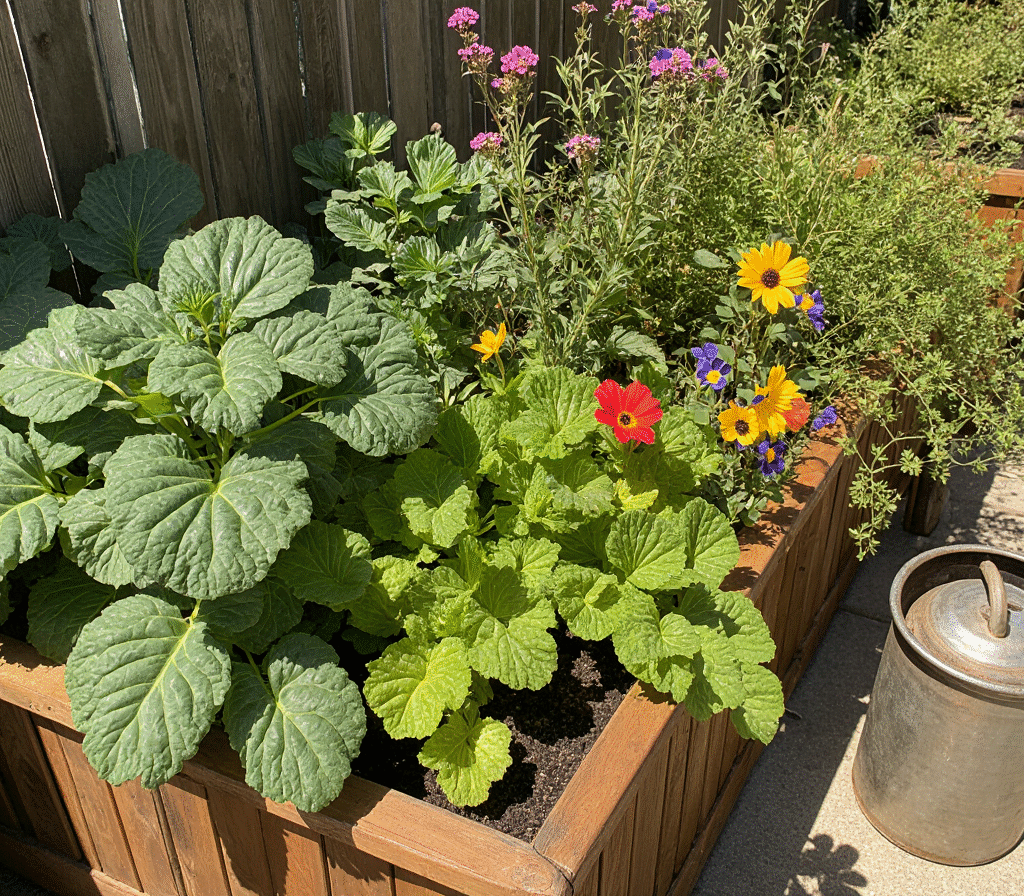
Unlike plants growing in the ground, container plants depend entirely on the nutrients you provide. Over the summer, frequent watering leaches nutrients from the soil. By the time fall arrives, many containers are depleted, and without intervention, plants may struggle.
Here’s why fall fertilization is essential:
- Restoring nutrients: Summer’s heavy growth and watering leave soil nutrient-poor. Fertilization replenishes what’s lost.
- Supporting fall growth: Many vegetables, herbs, and flowers thrive in cool weather. Fertilizing keeps them vigorous.
- Strengthening roots: Fall fertilizers help develop stronger root systems to endure temperature fluctuations.
- Winter preparation: Perennials and overwintering plants need nutrients to build energy reserves before dormancy.
Understanding Plant Needs in Fall
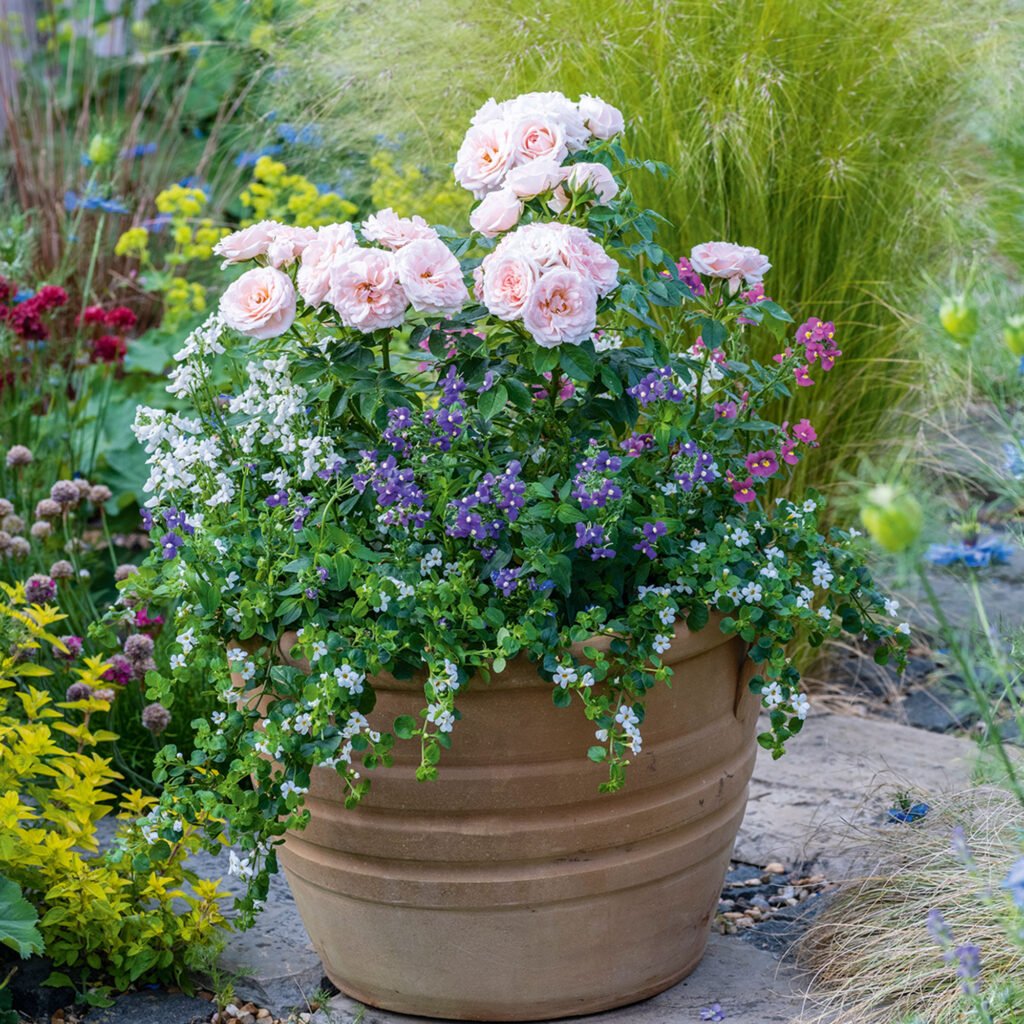
Plants’ nutrient requirements shift as the seasons change. During spring and summer, they crave nitrogen for leafy growth. In fall, however, the focus shifts to root health, disease resistance, and fruit or flower production.
- Nitrogen (N): Still needed, but in lower amounts, since excessive nitrogen in fall can lead to tender new shoots that are easily damaged by cold.
- Phosphorus (P): Supports strong root development—critical for overwintering plants.
- Potassium (K): Boosts disease resistance and improves cold tolerance.
For fall fertilization, choose products lower in nitrogen and higher in phosphorus and potassium.
Choosing the Right Fertilizer for Fall
There are three main categories of fertilizers suitable for container plants in fall:
1. Slow-Release Fertilizers
- Provide a steady supply of nutrients over weeks.
- Ideal for perennials, shrubs, and houseplants transitioning indoors.
- Example: Coated granular fertilizers with balanced or low-nitrogen formulas.
2. Water-Soluble Fertilizers
- Quick nutrient boost, absorbed directly by plant roots.
- Great for cool-season annuals like pansies, lettuce, and spinach.
- Can be applied every 2–3 weeks.
3. Organic Fertilizers
- Include compost tea, worm castings, fish emulsion, seaweed extract, and bone meal.
- Improve soil structure and microbial activity.
- Gentle and safe for edible crops.
Tip: For container plants in fall, a fertilizer labeled around 5-10-10 (low nitrogen, higher phosphorus and potassium) works best.
How to Fertilize Container Plants in Fall: Step-by-Step
Step 1: Assess Plant Type and Stage
- Annuals: Fertilize to encourage extended blooming or harvest until frost.
- Perennials: Fertilize to build root reserves before dormancy.
- Vegetables: Fall crops like kale, carrots, and radishes still need feeding for productivity.
Step 2: Refresh the Soil
- Remove dead leaves and spent stems.
- Gently loosen the top 1–2 inches of soil to aerate.
- Add fresh compost or potting mix to restore structure.
Step 3: Select the Fertilizer
- For leafy greens → balanced or slightly higher nitrogen.
- For root vegetables and perennials → higher phosphorus and potassium.
- For flowers → bloom-boosting formulas with low nitrogen.
Step 4: Apply Fertilizer Properly
- Granular slow-release: Mix into the top layer of soil, then water thoroughly.
- Liquid fertilizer: Dilute according to instructions and apply directly at the base of plants.
- Compost tea or organic feeds: Pour evenly over the soil to encourage root absorption.
Step 5: Monitor and Adjust
- Fertilize every 2–4 weeks depending on the product type.
- Observe plant response—yellowing leaves may indicate nitrogen deficiency, while weak flowering signals low phosphorus.
Fertilizing Different Types of Container Plants in Fall
1. Vegetables
Cool-season vegetables like broccoli, kale, spinach, and carrots thrive in fall. Fertilize them every 2–3 weeks with a water-soluble, balanced fertilizer. Root crops especially benefit from higher phosphorus for development.
2. Herbs
Herbs such as parsley, thyme, and chives continue growing well in fall. Use light, organic fertilization every 3–4 weeks. Avoid overfeeding, as this may dilute flavor.
3. Flowers
Pansies, violas, and chrysanthemums brighten fall gardens. Use bloom-boosting fertilizers with low nitrogen and high potassium to extend flowering.
4. Perennials and Shrubs in Containers
For plants overwintering in pots, apply slow-release fertilizer rich in phosphorus and potassium once in early fall. This helps roots strengthen before dormancy.
Common Mistakes to Avoid
- Overfertilizing
Too much fertilizer, especially nitrogen, encourages soft growth vulnerable to frost. Stick to recommended doses. - Late Fertilization for Perennials
Feeding perennials too late into fall can trigger new growth that won’t survive winter. Fertilize early to mid-fall only. - Ignoring Soil Health
Fertilizer alone isn’t enough. Refresh container soil annually with compost or a new potting mix. - Skipping Watering
Nutrients cannot be absorbed without consistent moisture. Dry soil reduces fertilizer effectiveness. - Using the Wrong Fertilizer
High-nitrogen fertilizers designed for spring growth are not suitable in fall. Always check the nutrient ratio.
Extra Tips for Fall Container Fertilization
- Flush salts: If using chemical fertilizers, occasionally flush containers with plain water to prevent salt buildup.
- Mulch lightly: Add a thin layer of straw or shredded leaves to help conserve moisture and regulate soil temperature.
- Move containers: Place them where they’ll receive maximum fall sunlight.
- Plan for winter: For perennials, stop fertilizing about 6 weeks before the first frost to allow natural dormancy.
Final Thoughts
Fertilizing container plants in fall is more than a seasonal chore—it’s a strategy for healthier plants, better yields, and smoother transitions into winter. By providing the right balance of nutrients, particularly phosphorus and potassium, you ensure strong roots, prolonged blooms, and resilient growth.
Whether you’re nurturing cool-season vegetables, keeping fall flowers vibrant, or preparing perennials for dormancy, the right fall fertilization techniques will make your container garden thrive. Avoid common mistakes, adjust to your plant’s needs, and remember: fall is not the end of the gardening season but a bridge to year-round success.
By mastering fall fertilization, you’ll enjoy robust plants that reward you with beauty and harvests—even as the days grow shorter and cooler.

Leave A Comment