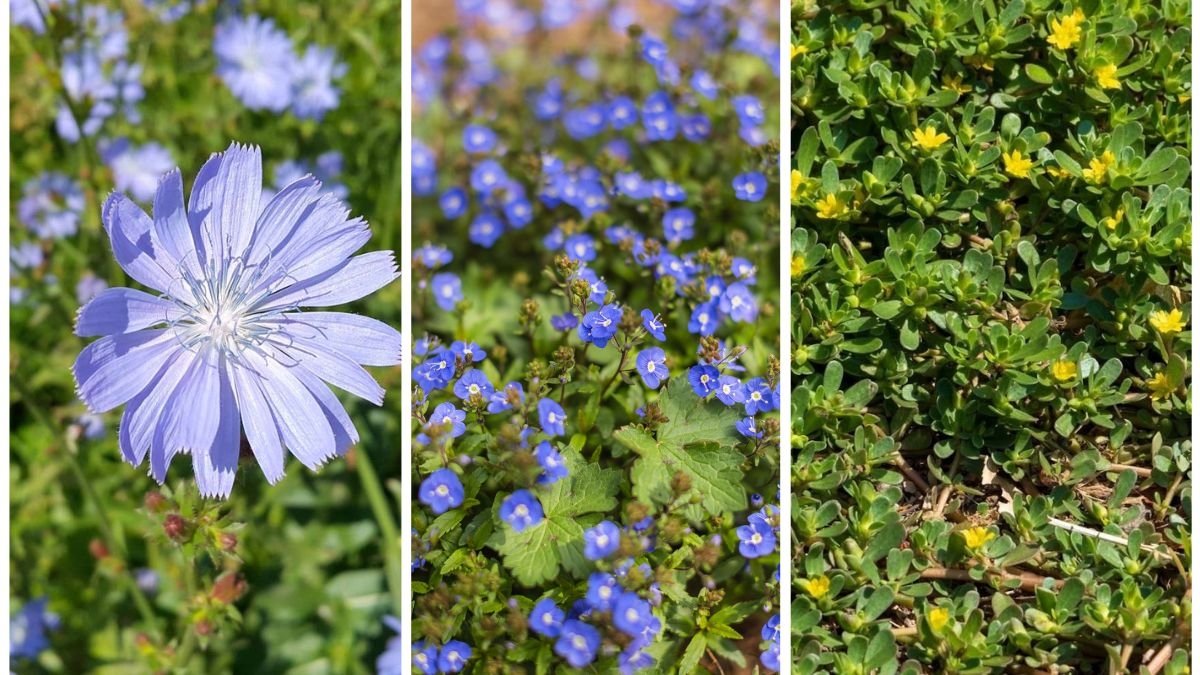
Gardening is a year-round task, but every season has its own set of challenges and advantages. When it comes to weed control, fall often provides an unexpected opportunity to gain the upper hand. The cooler temperatures, increased soil moisture, and the natural life cycles of plants make this season the perfect time to tackle some of the most stubborn weeds. Interestingly, many invasive species weaken during autumn, making them far easier to pull out compared to the scorching heat of summer or the dense, frozen ground of winter.
In this article, we’ll explore five common weeds that are easier to pull in fall, why this happens, and tips to remove them effectively so your garden beds, lawns, and walkways are prepared for a healthier spring.
Why Fall is the Best Time to Pull Weeds
Before diving into the specific weeds, it’s important to understand why fall gives gardeners an advantage:
- Moist Soil Conditions – Autumn often brings more rain, which softens the soil. Looser soil makes it easier to pull weeds out with their roots intact.
- Dying Back of Annuals – Many weeds begin to decline naturally in fall, so they’re less vigorous and easier to handle.
- Root Energy Transfer – Perennial weeds store energy in their roots during fall. If you pull them out completely now, they have less chance to return in spring.
- Reduced Seed Spread – Removing weeds before they fully disperse seeds in late fall prevents new growth in the next season.
- Less Competition for Desired Plants – Clearing weeds in autumn gives your lawn or flower beds a head start, allowing bulbs, grasses, and perennials to thrive without competition.
With these benefits in mind, let’s look at the five weeds that are much easier to deal with in fall.
1. Dandelions (Taraxacum officinale)

Dandelions are one of the most recognizable and persistent lawn weeds. In summer, their deep taproots make them notoriously hard to pull, often snapping and regrowing if not removed completely.
Why They’re Easier to Pull in Fall:
- The soil is moister, which softens around the taproot, allowing for easier extraction.
- During fall, dandelions start storing nutrients in their roots for winter. Removing them now prevents them from bouncing back with full force in spring.
How to Remove Them:
- Use a narrow weeding tool or dandelion fork to loosen the soil around the root.
- Gently but firmly pull to get the entire taproot out.
- If some root breaks off, cover the spot with mulch or compost to discourage regrowth.
Bonus Tip: Dandelion leaves are edible and highly nutritious—consider harvesting young leaves for salads before removing the plant.
2. Plantain (Plantago major)
Broadleaf plantain is a common lawn invader, thriving in compacted soil and areas with poor turf coverage. Its wide leaves smother grass, and its fibrous roots cling tightly to dry summer ground.
Why They’re Easier to Pull in Fall:
- Fall rains soften compacted soil, loosening plantain’s root grip.
- Older plants weaken as temperatures drop, making them easier to uproot by hand.
How to Remove Them:
- Loosen the soil with a trowel or weeding knife before pulling.
- Try to get the root crown out, as new shoots can regrow from any remnants.
- After removal, aerate the soil and overseed to discourage new plantain growth.
Bonus Tip: Plantain leaves are also edible and can be used in herbal remedies for minor skin irritations.
3. Crabgrass (Digitaria spp.)
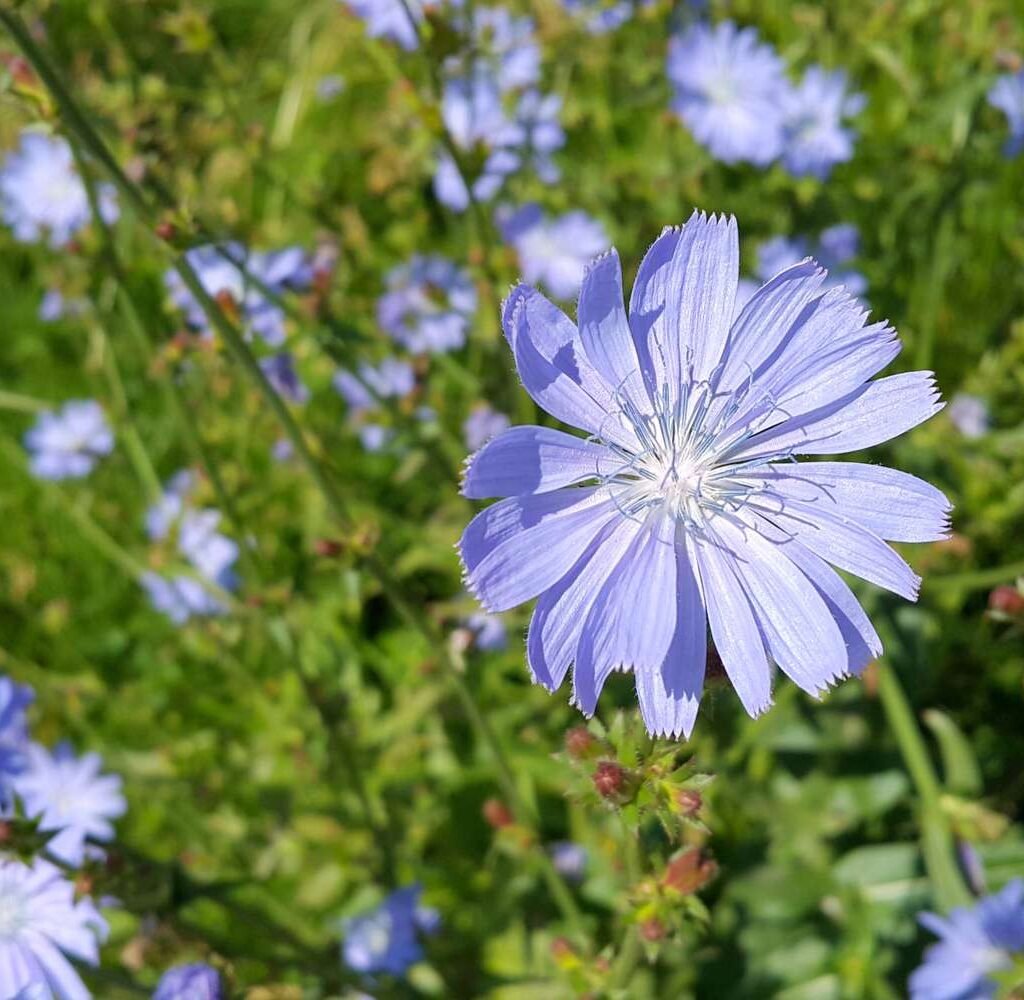
Crabgrass is a summer annual weed that spreads aggressively, thriving in hot weather. By fall, however, this weed starts to decline naturally as temperatures cool.
Why They’re Easier to Pull in Fall:
- Most crabgrass plants die after their life cycle in fall, leaving behind weak root systems.
- Pulling them out before they drop seeds prevents an even bigger problem next summer.
How to Remove Them:
- Simply hand-pull or rake out clumps since their roots loosen as they die back.
- Dispose of pulled plants away from your compost if seed heads have already formed.
- Apply mulch or reseed bare patches to prevent spring germination.
Bonus Tip: Fall removal of crabgrass significantly reduces the seed bank in your soil, leading to fewer infestations year after year.
4. Chickweed (Stellaria media)
Chickweed is a low-growing, sprawling weed that thrives in cool, damp conditions. It often sneaks into gardens in fall and early spring. Luckily, autumn gives gardeners the upper hand.
Why They’re Easier to Pull in Fall:

- Chickweed grows shallow roots, which come out easily in moist fall soil.
- Removing it before winter prevents it from spreading seeds during the next growing season.
How to Remove Them:
- Pull chickweed by hand or use a hoe to scrape it out from the soil surface.
- Because it grows in mats, lift entire clusters instead of individual stems.
- Mulch the area heavily afterward to discourage re-establishment.
Bonus Tip: Chickweed is edible and often used in salads or as a garnish, making it a bonus harvest for adventurous gardeners.
5. Creeping Charlie (Glechoma hederacea)
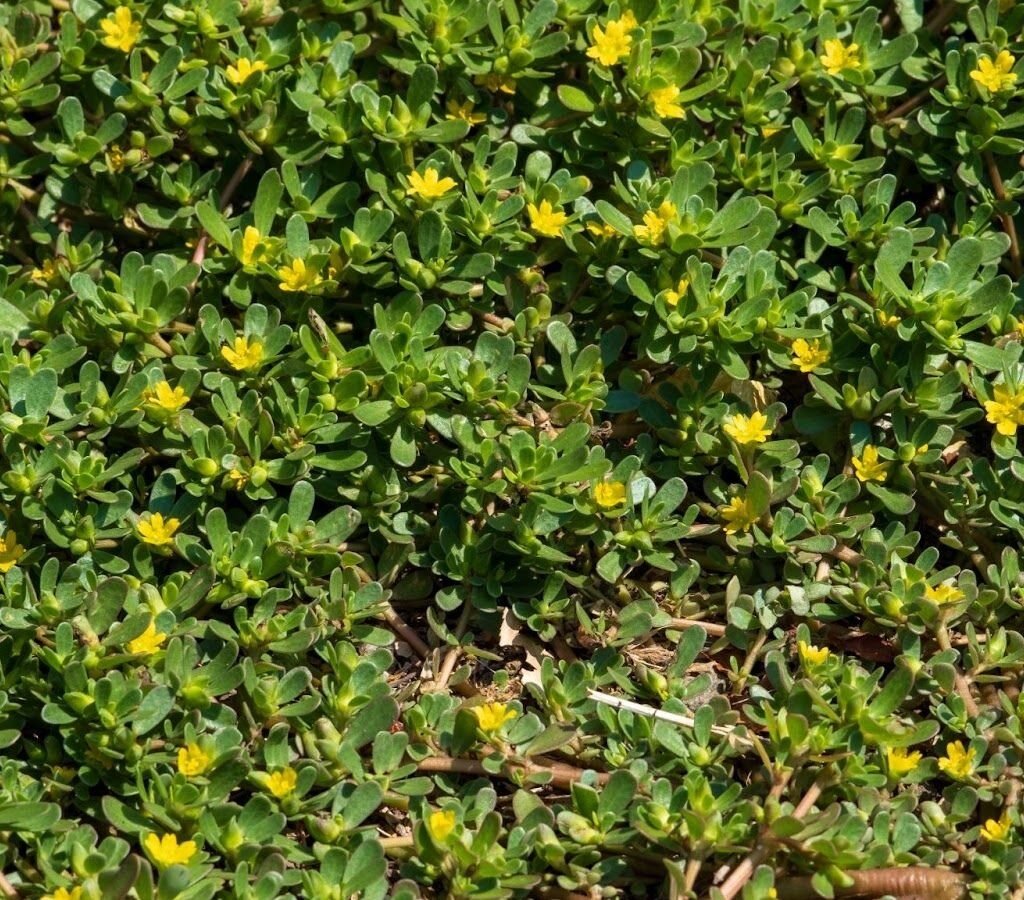
Also called ground ivy, creeping Charlie is a stubborn perennial that spreads through runners, forming dense mats in shady areas of the lawn. It’s notoriously difficult to eradicate in summer when it grows vigorously.
Why They’re Easier to Pull in Fall:
- Cooler weather slows its growth, making it less aggressive.
- Soil moisture helps loosen the runners and roots, allowing you to lift large sections at once.
- Removing it in fall prevents it from strengthening its root network over winter.
How to Remove Them:
- Use a hand rake or cultivator to lift mats of creeping Charlie.
- Pull steadily to get as many of the runners and roots as possible.
- Overseed shaded areas with groundcover or shade-tolerant grass to compete against future growth.
Bonus Tip: Creeping Charlie has been used historically in teas and herbal remedies, though it should be consumed cautiously.

Best Practices for Fall Weed Removal
Now that we’ve identified the weeds, here are some general strategies to make fall weeding more effective:
- Weed After Rainfall – Moist soil makes pulling much easier.
- Use the Right Tools – Hand forks, hoes, or specialized weed pullers help extract roots without breaking them.
- Wear Gloves – Many weeds have irritating sap or rough leaves.
- Mulch Immediately – Cover bare soil with mulch to prevent dormant seeds from sprouting.
- Overseed Your Lawn – A dense, healthy lawn is the best natural defense against weeds.
- Dispose Properly – Avoid composting weeds that have gone to seed unless your compost reaches high enough temperatures to kill them.
Final Thoughts
Fall isn’t just about raking leaves or planting spring bulbs—it’s also a golden opportunity to get ahead of weeds. Tackling dandelions, plantain, crabgrass, chickweed, and creeping Charlie during this season makes the job easier and sets your garden up for success in spring. By using the natural conditions of autumn to your advantage, you can pull weeds with less struggle and greater long-term effectiveness.
So, the next time you head outdoors in the crisp fall air, don’t just admire the changing leaves—bring along your gloves and weeding tools. A little effort now means fewer headaches (and weeds) when the growing season returns.

Leave A Comment