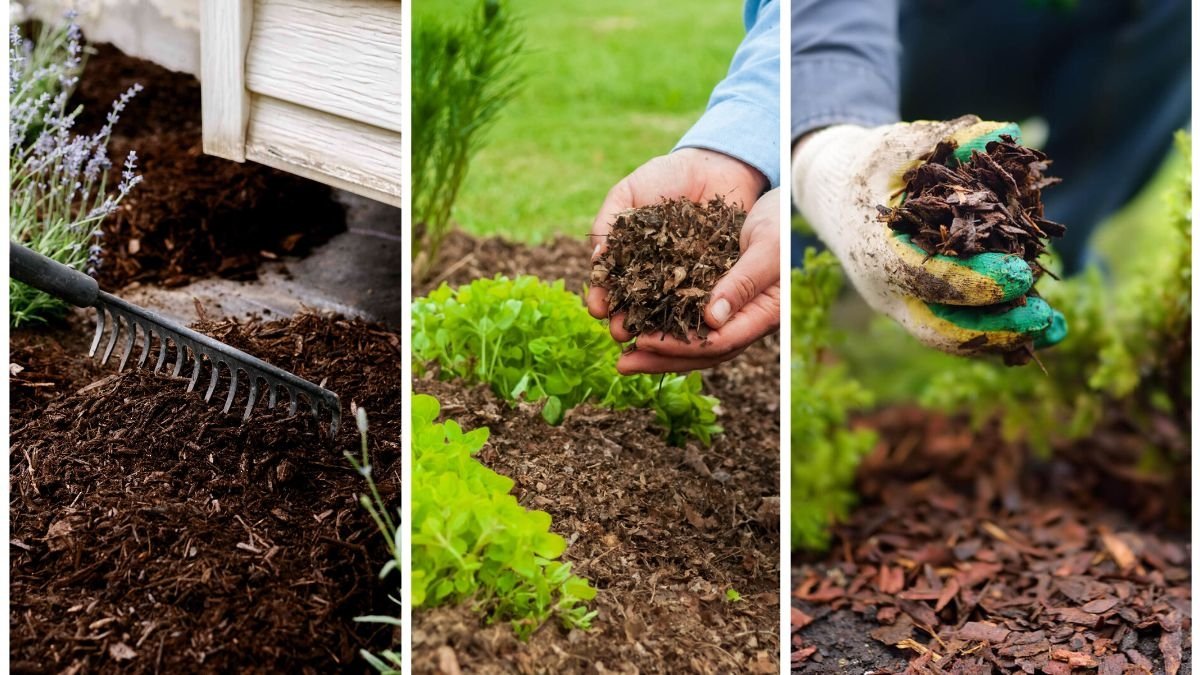
Mulching is one of the most effective, natural, and time-tested methods of weed control in gardens and landscapes. While many gardeners know that mulch suppresses weeds, not everyone understands the right way to apply it for maximum effectiveness. Used incorrectly, mulch can actually encourage weeds or damage your plants. Used correctly, it becomes a powerful barrier that improves soil health, conserves moisture, and keeps unwanted growth at bay.
This article explores the right way to use mulch to block weeds, covering types of mulch, application techniques, common mistakes to avoid, and maintenance tips to ensure your garden thrives.
Why Mulch Works Against Weeds
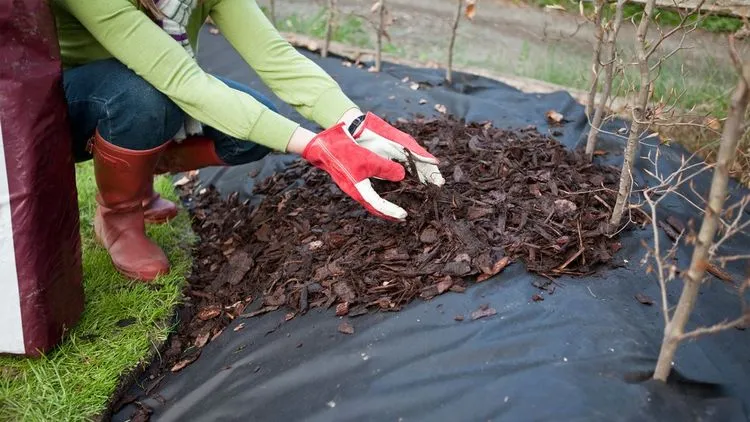
Mulch suppresses weeds in two main ways:
- Blocking Sunlight – Most weed seeds need light to germinate. A thick layer of mulch prevents sunlight from reaching them, stopping their growth before it starts.
- Creating a Barrier – Mulch physically covers the soil, making it difficult for existing weeds to push through the surface.
In addition, mulch helps improve soil quality by retaining moisture, moderating temperature, and breaking down into organic matter that nourishes your plants. When used properly, it creates a healthier environment for desirable plants while making conditions unfavorable for weeds.

Choosing the Right Type of Mulch
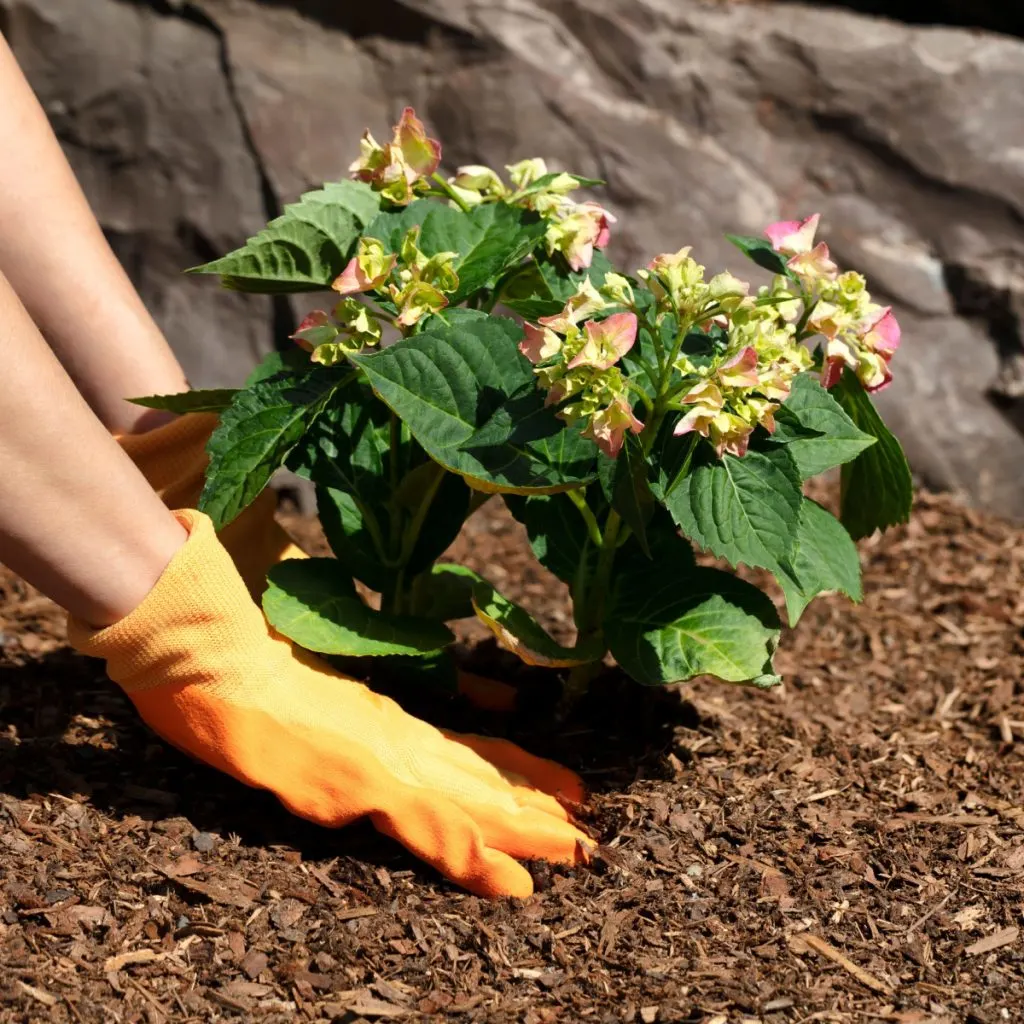
Not all mulches are equally effective at blocking weeds. The right choice depends on your garden goals, budget, and whether you prefer organic or inorganic materials.
1. Organic Mulches
These break down over time, improving soil fertility. They are eco-friendly but need replenishment every year or two.
- Wood chips / Bark mulch – Long-lasting, excellent weed barrier, ideal for shrubs and trees.
- Straw or hay – Great for vegetable gardens, lightweight, but decomposes quickly.
- Grass clippings – Free and readily available, but best applied thinly to avoid matting.
- Compost – Nourishes soil and blocks weeds if layered thickly enough.
2. Inorganic Mulches
These don’t break down, so they last longer but don’t improve soil health.
- Landscape fabric – Effective barrier under gravel or mulch; must be installed properly.
- Plastic sheeting – Good for vegetable rows, but can trap heat and restrict water.
- Gravel / Stone – Long-lasting, attractive, and weed-resistant, but doesn’t enrich soil.
Pro Tip: For blocking weeds, wood chips, bark mulch, and straw are among the most effective organic options.

The Right Way to Apply Mulch for Weed Control
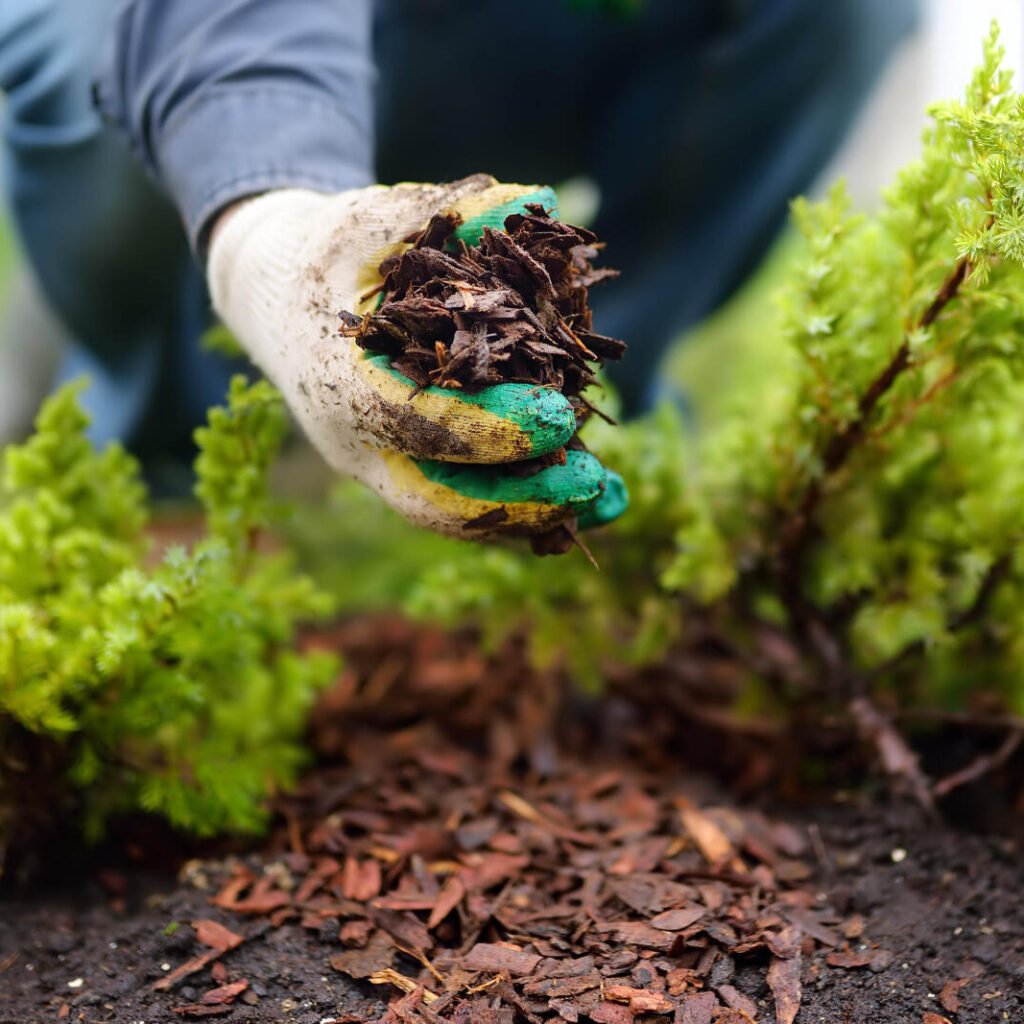
Even the best mulch won’t work if it’s applied incorrectly. Here’s a step-by-step guide:
1. Prepare the Area First
- Remove Existing Weeds – Pull or dig out as many weeds as possible before applying mulch. Mulch is not a magic eraser—it suppresses future growth but doesn’t kill established weeds.
- Edge the Bed – Define clear borders to keep mulch in place and prevent grass or weeds from creeping in from the edges.
2. Use a Weed Barrier (Optional)
- For long-term weed suppression, lay down newspaper, cardboard, or landscape fabric beneath the mulch. These block stubborn weeds like bindweed or nutsedge.
- If using cardboard or newspaper, water it thoroughly so it lays flat and begins decomposing into the soil.
3. Apply the Right Depth
- The golden rule: 2–4 inches thick.
- Less than 2 inches won’t block light effectively.
- More than 4 inches can suffocate plant roots and retain too much moisture, leading to rot or pests.
4. Keep Mulch Away from Plant Bases
- Leave a 2–3 inch gap around tree trunks, shrubs, and flower stems.
- Piling mulch directly against plants creates “mulch volcanoes,” which cause rot, attract rodents, and invite disease.
5. Spread Evenly and Smoothly
- Use a rake or gloved hands to distribute mulch evenly.
- Avoid clumps that allow weeds to sneak through exposed soil.
Mulching Mistakes That Invite Weeds
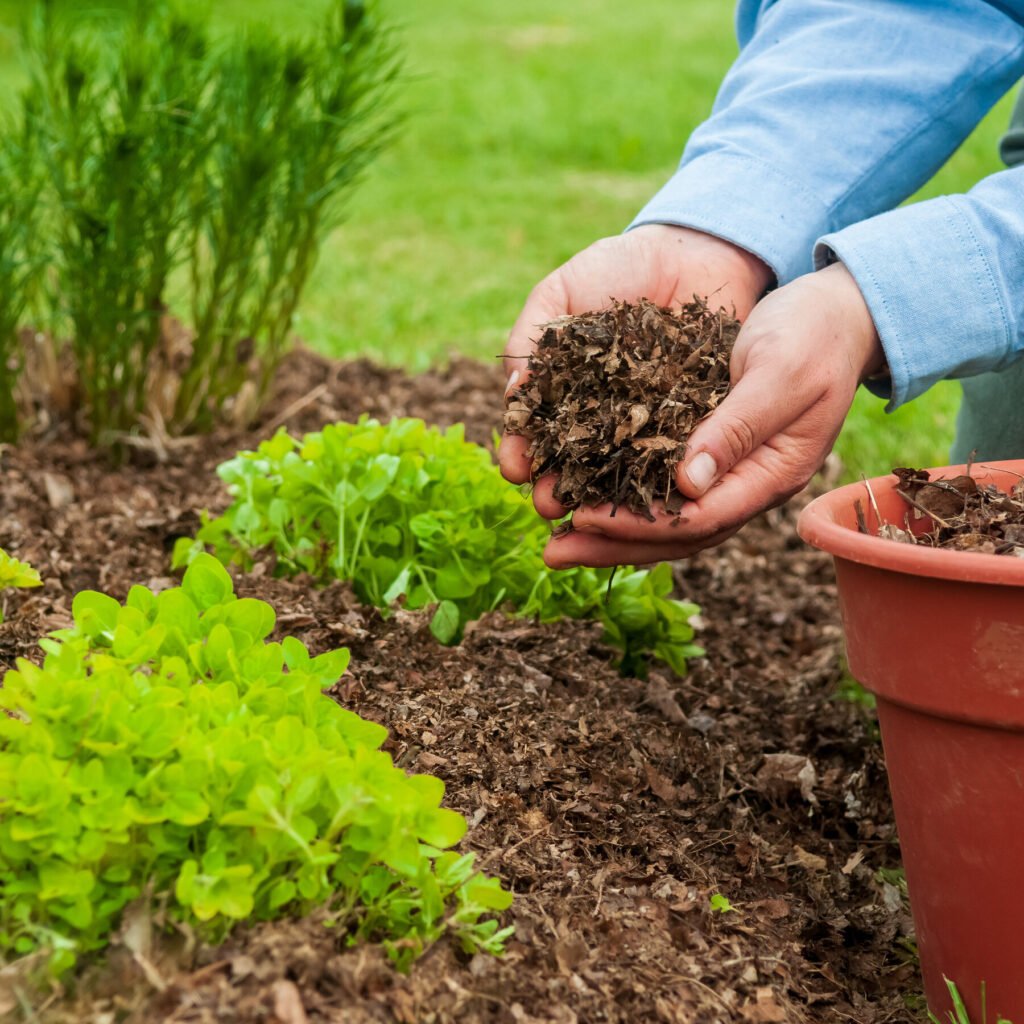
Even well-meaning gardeners sometimes misuse mulch, leading to the opposite effect—more weeds! Here are mistakes to avoid:
- Too Thin a Layer – Anything under 2 inches thick won’t block weeds effectively.
- Too Thick a Layer – More than 4 inches can suffocate plants and create fungus or mold.
- Using Fresh Wood Chips Directly – Fresh chips rob nitrogen from the soil as they decompose. Age them for a few months or use them as surface mulch only.
- Ignoring Edges – Weeds often creep in from the sides. Installing edging or trenching helps.
- Letting Mulch Break Down Completely – Over time, old mulch decomposes into soil, which becomes a seedbed for weeds. Refresh annually.
Seasonal Timing for Mulching
Timing matters when applying mulch for weed prevention.
- Spring – Apply mulch after the soil warms up. Mulching too early keeps soil cold and slows plant growth.
- Summer – Refresh mulch to retain moisture and protect roots during heatwaves.
- Fall – Mulching in fall helps insulate plants and reduces winter weed germination.
- Winter – In colder regions, mulch can be applied late fall to protect perennials, though weed suppression isn’t the main focus here.
Maintaining Mulch for Long-Term Weed Control
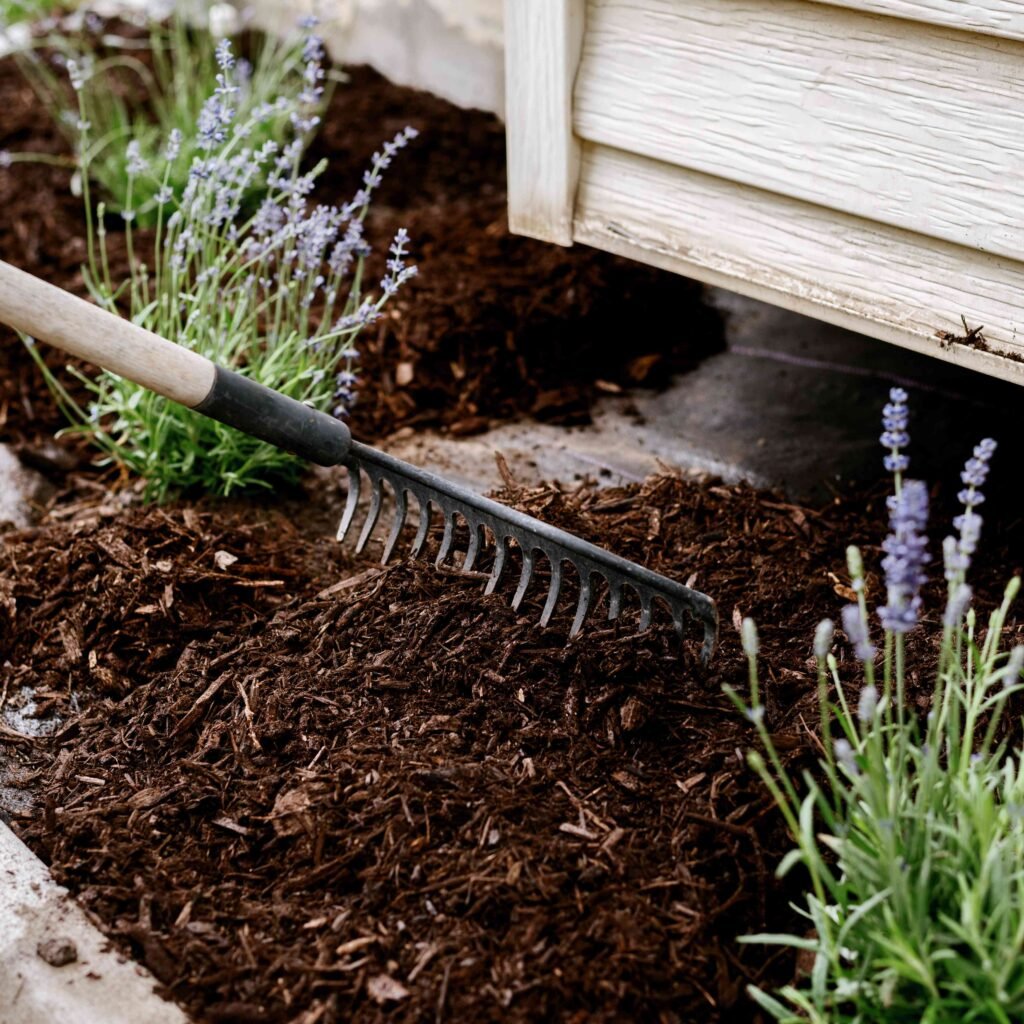
Mulch isn’t a one-and-done task—it needs maintenance. Here’s how to keep it effective:

- Inspect Twice a Year – Check for thin spots where weeds might sprout and replenish as needed.
- Fluff Compact Mulch – Break up crusted mulch with a rake to allow water and air to penetrate.
- Replace Every 1–2 Years – Organic mulch breaks down, so add fresh layers to maintain depth.
- Spot Weed Promptly – Pull any weeds that manage to push through before they spread seeds.
- Combine with Other Strategies – Mulch works best when paired with proper spacing, healthy soil, and strong plant coverage.
Additional Benefits of Mulch Beyond Weed Control
While weed suppression is the main focus here, mulch also provides other benefits that make it essential in any garden:
- Moisture Retention – Reduces the need for frequent watering.
- Soil Enrichment – Organic mulches add nutrients as they decompose.
- Temperature Regulation – Keeps soil cooler in summer and warmer in winter.
- Erosion Control – Prevents soil from washing away during heavy rains.
- Aesthetic Appeal – Creates a neat, polished look in garden beds.
A Sample Mulching Strategy for Different Garden Areas
To make this more practical, here’s how you might apply mulch in various scenarios:
- Vegetable Garden – Use straw or shredded leaves, 2–3 inches deep, refreshed every season. Add cardboard under mulch for stubborn weeds.
- Flower Beds – Use shredded bark or compost, 3 inches deep, keeping a gap around plant stems.
- Around Trees and Shrubs – Apply wood chips 3–4 inches deep, but never touching the trunk. Extend mulch to the tree’s drip line if possible.
- Pathways and Walkways – Use gravel or stone mulch over landscape fabric for a durable, weed-free surface.
Final Thoughts
Mulch is one of the simplest, most effective tools in the gardener’s toolkit for weed control. But like any tool, it must be used correctly. By choosing the right mulch type, applying the proper depth, and maintaining it seasonally, you can create a natural barrier that suppresses weeds, conserves resources, and enhances your garden’s beauty.
Remember: mulch is not just about covering the soil—it’s about creating a balanced environment where your plants thrive and weeds struggle to survive. Apply it thoughtfully, and you’ll enjoy not only fewer weeds but also healthier, more resilient gardens year after year.


Leave A Comment