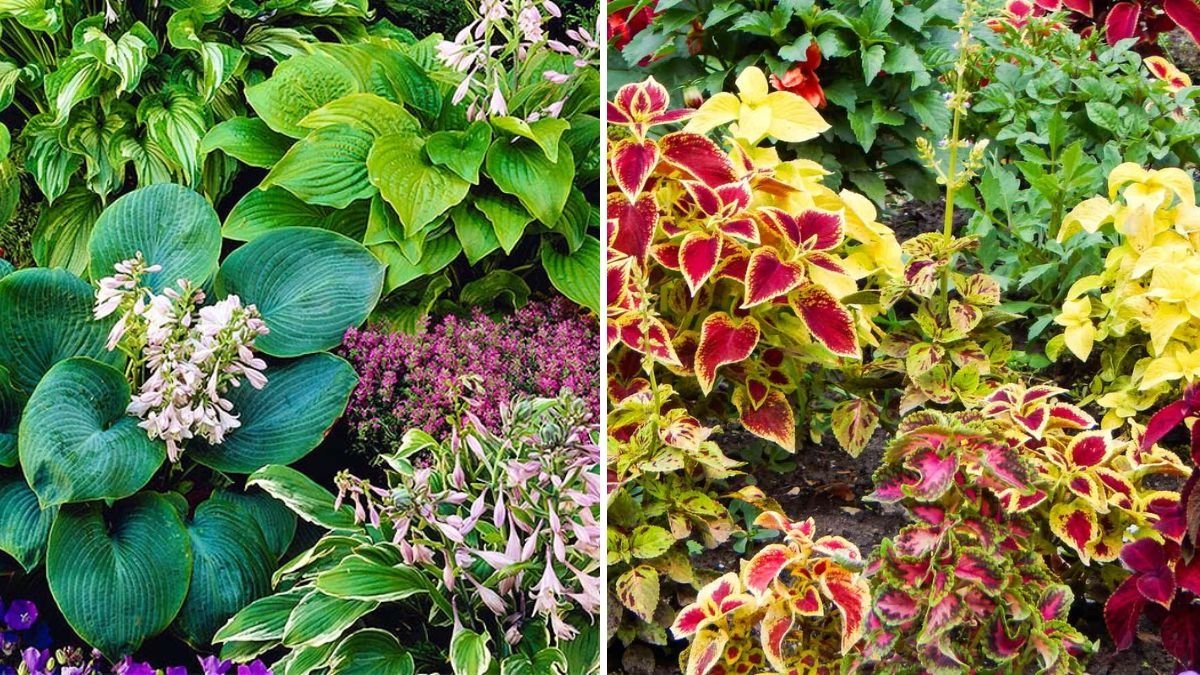
When the days grow shorter and a crispness fills the air, many gardens begin to lose their summer vibrancy. Yet fall is far from a dull season. In fact, it can be one of the most spectacular times in the garden—if you know how to use the right plants. Perennials, with their resilience and recurring displays, are the backbone of a garden that thrives year after year. By mixing fall-blooming perennials thoughtfully, you can create a dazzling canvas of color, texture, and form that carries your landscape through the season’s end.
In this guide, we’ll explore how to mix fall perennials for maximum color, covering plant choices, design strategies, and care tips to keep your garden alive with brilliance well into autumn.
Why Focus on Fall Perennials?
Perennials are plants that return season after season, often becoming stronger and more abundant with time. While many people associate spring and summer with perennial blooms, fall perennials offer unique advantages:
- Late-Season Color: When annuals fade, perennials like asters and goldenrod come alive.
- Pollinator Support: Many fall perennials provide nectar and pollen for bees, butterflies, and other insects preparing for winter.
- Low Maintenance: Once established, perennials require less care than seasonal annuals.
- Longevity: They anchor the garden, providing structure and rhythm year after year.
Focusing on perennials in autumn ensures your garden has both continuity and seasonal drama.
Essential Fall-Blooming Perennials
To maximize color, start by selecting perennials that peak in autumn. Here are some standout choices:
1. Asters
With their daisy-like flowers in purples, blues, and pinks, asters brighten up borders and attract butterflies.
- Bloom Time: Late summer to fall.
- Height: 1–4 feet, depending on variety.
- Best Uses: Borders, cottage gardens, pollinator gardens.
2. Sedum (‘Autumn Joy’ and others)
Sedum is a superstar in fall gardens, with fleshy leaves and large flower heads that deepen from pink to copper-red.
- Bloom Time: Late summer through frost.
- Height: 1–2 feet.
- Best Uses: Mixed beds, rock gardens, pollinator havens.
3. Goldenrod (Solidago)
A native perennial, goldenrod produces sprays of bright yellow flowers that create a stunning contrast to autumn foliage.
- Bloom Time: Late summer to early fall.
- Height: 2–5 feet.
- Best Uses: Naturalized plantings, meadow gardens, native landscapes.
4. Japanese Anemones
Elegant and airy, these perennials add a refined touch with soft pink or white blooms that sway on tall stems.
- Bloom Time: Late summer into mid-fall.
- Height: 2–4 feet.
- Best Uses: Borders, woodland gardens, shaded edges.
5. Rudbeckia (Black-Eyed Susans)
Though often thought of as summer bloomers, rudbeckias continue into fall, offering golden petals with dark centers.
- Bloom Time: Mid-summer through fall.
- Height: 1–3 feet.
- Best Uses: Mass plantings, pollinator beds, cut flowers.
6. Russian Sage (Perovskia atriplicifolia)
Tall, airy spikes of lavender-blue flowers give gardens a hazy effect and pair beautifully with warm autumn tones.
- Bloom Time: Mid-summer to frost.
- Height: 3–5 feet.
- Best Uses: Focal points, mixed borders, drought-tolerant gardens.
Design Principles for Mixing Fall Perennials
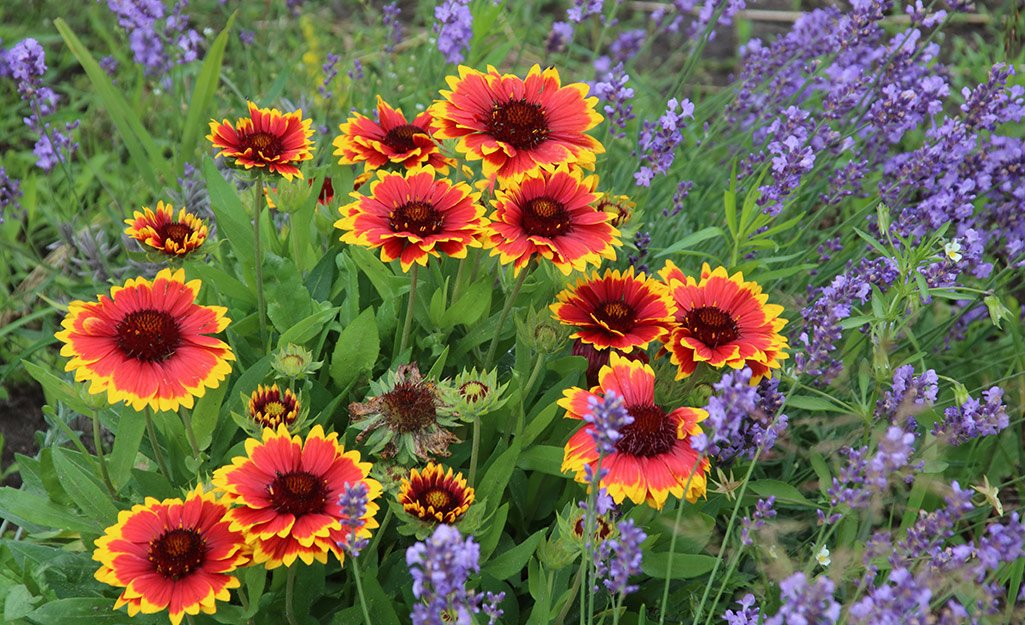
Choosing plants is only part of the process. To truly maximize fall color, you need to layer and balance your perennials thoughtfully.
1. Play With Color Combinations
- Warm Palette: Pair goldenrod, rudbeckia, and sedum for a fiery display of yellows, oranges, and reds.
- Cool Palette: Mix asters, Russian sage, and Japanese anemones for calming blues, purples, and pinks.
- Contrast for Drama: Combine purple asters with golden goldenrod or pair deep red sedum with white anemones.
2. Stagger Bloom Times
Select perennials that flower at slightly different times to extend the season. For instance:
- Early fall: Rudbeckia and goldenrod.
- Mid-fall: Asters and Japanese anemones.
- Late fall: Sedum and Russian sage.
This ensures your garden always has something in bloom.
3. Layer Heights and Structures
Arrange plants by height for depth and dimension:
- Back: Tall Russian sage or goldenrod.
- Middle: Medium-height asters or Japanese anemones.
- Front: Compact sedum or dwarf rudbeckias.
This layering prevents plants from shading one another while creating a tiered effect.
4. Add Texture and Form
Perennials offer more than flowers. Their foliage and seed heads also add visual interest:
- Sedum’s fleshy leaves provide structure.
- Russian sage’s airy stems add movement.
- Asters’ dense clusters bring a bold splash of color.
Companion Plants for Extra Impact
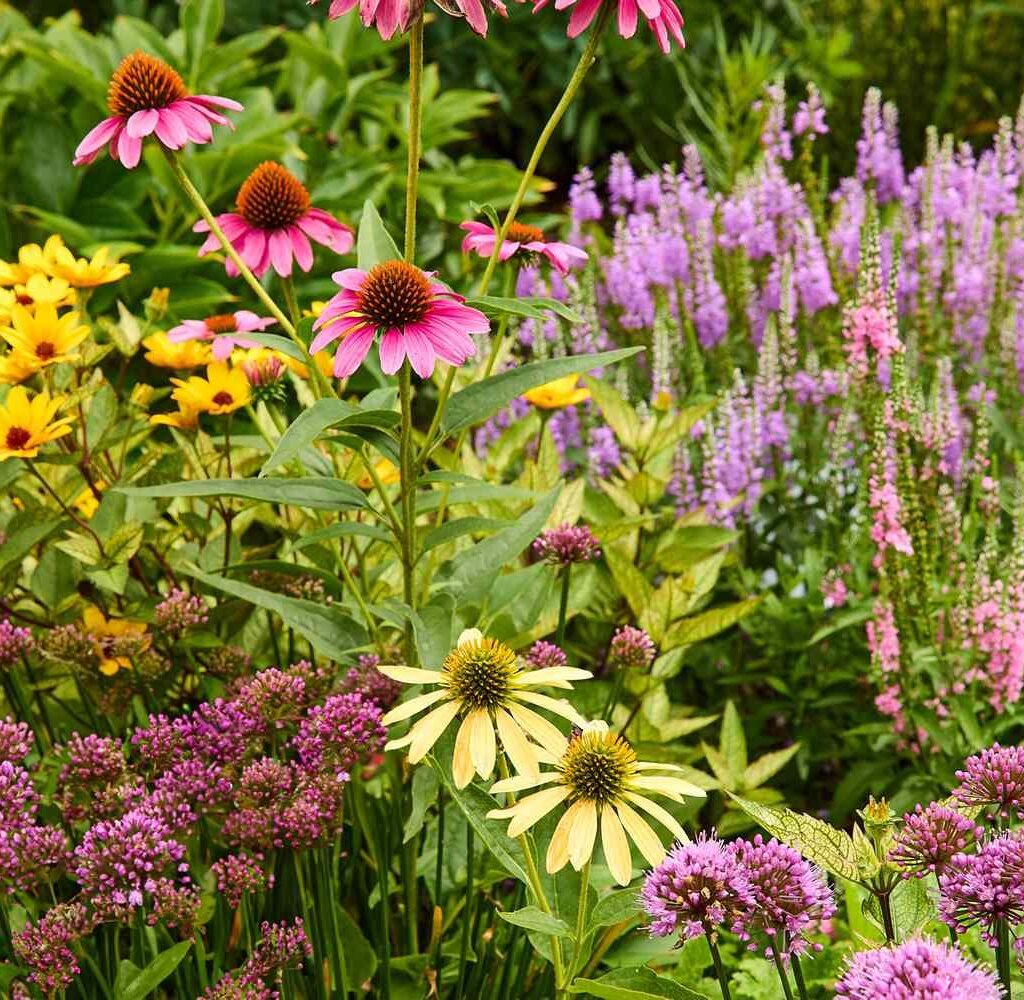
While fall perennials stand strong on their own, pairing them with other seasonal plants enhances their beauty.
- Ornamental Grasses: Fountain grass, switchgrass, and miscanthus add golden plumes and movement, complementing fall perennials.
- Fall Annuals: Pansies, violas, or calendula fill gaps and add immediate color.
- Shrubs: Hydrangeas, viburnum, or burning bush provide colorful backdrops with foliage and berries.
By blending perennials with these companions, you create a multi-layered garden that thrives well into autumn.
Care Tips for Long-Lasting Color
To ensure your fall perennials perform at their peak, proper care is essential:
- Deadheading: Remove spent blooms (except seed heads you want to leave for winter interest). This extends flowering and tidies the garden.
- Watering: Even in cooler weather, plants need consistent moisture—especially if rains are scarce.
- Fertilizing: Apply a balanced fertilizer in late summer to encourage strong late-season blooms.
- Mulching: Add mulch in early fall to regulate soil temperature and conserve moisture.
- Dividing: Fall is also a good time to divide overcrowded perennials like asters or rudbeckias to rejuvenate them for next year.
Extending Color Beyond Blooms
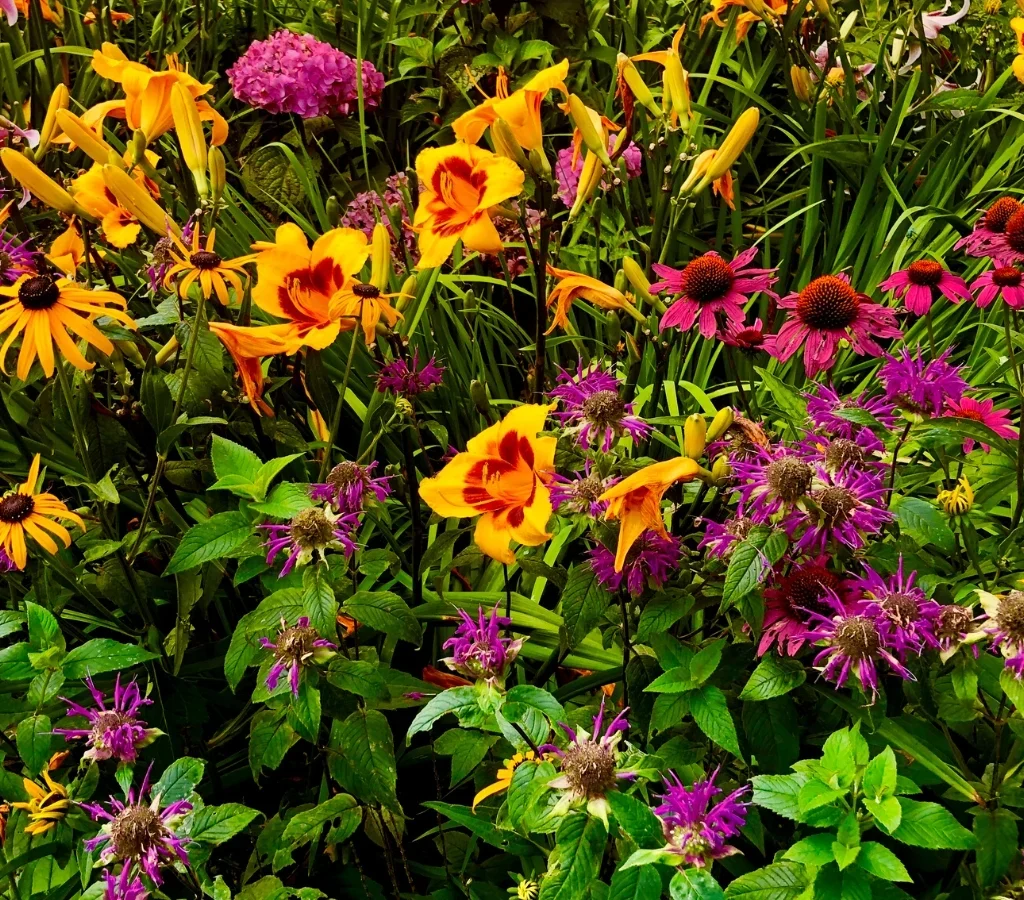
Color in a fall garden isn’t just about flowers. Think beyond petals to create year-round interest:
- Foliage: Sedum and goldenrod offer striking foliage that changes shades in autumn light.
- Seed Heads: Rudbeckia and coneflower seed heads provide texture and food for birds.
- Stems: Russian sage’s silvery stems shine even after flowers fade.
Leaving some perennials standing also adds winter beauty, catching frost and snow for a sculptural effect.
Common Mistakes to Avoid
- Overcrowding: Too many perennials in one space compete for nutrients and diminish blooms.
- Ignoring Bloom Times: Planting perennials that all peak at once can leave gaps later in the season.
- Neglecting Pollinators: Avoid spraying pesticides in fall—your late-blooming perennials are vital for bees and butterflies.
- Cutting Back Too Soon: Resist the urge to cut everything down in fall; leaving some plants adds texture and supports wildlife.
Final Thoughts
Designing a fall garden with perennials is both an art and a science. By selecting the right plants—like asters, sedum, goldenrod, Japanese anemones, rudbeckia, and Russian sage—and mixing them with thoughtful attention to color, height, and bloom time, you can create a landscape that radiates energy and beauty until the first frost.
Fall perennials don’t just fill the garden with late-season color—they provide structure, ecological benefits, and enduring charm. With proper planning and care, your autumn garden will be anything but fleeting, becoming a vibrant celebration of the season’s unique palette.
When it comes to creating a garden that thrives year after year, the secret lies in knowing how to mix fall perennials for maximum color—and then letting nature reward you with a show that rivals even the brightest days of summer.

Leave A Comment