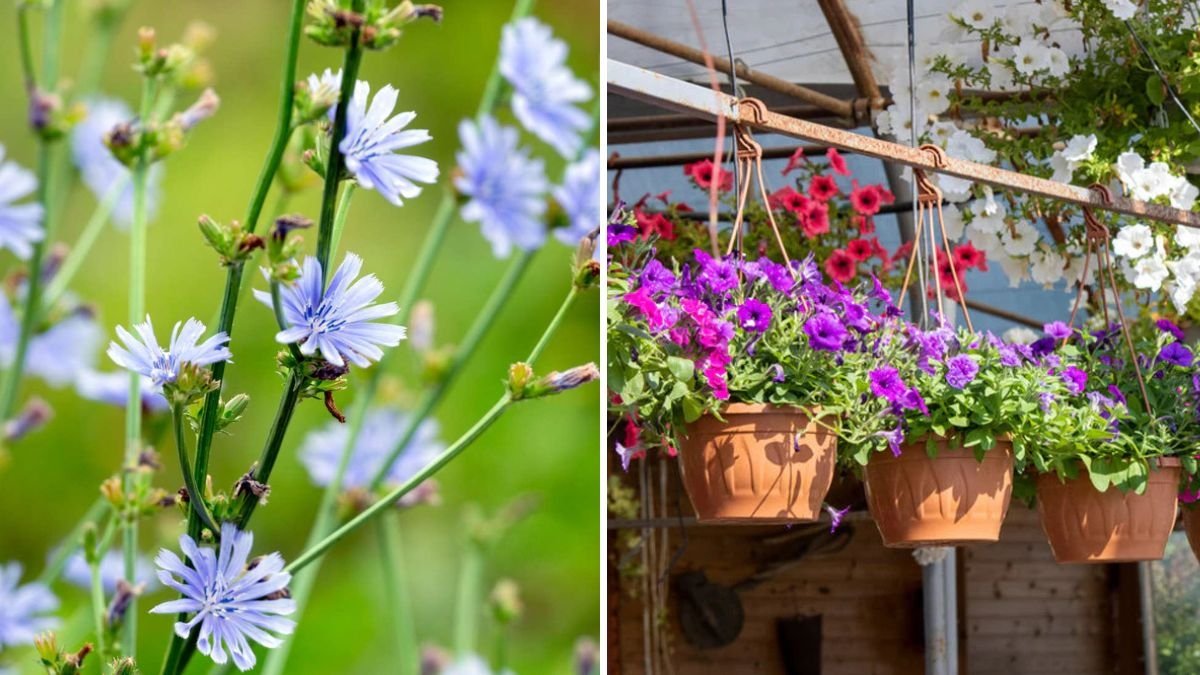
When most people think of flowers, they imagine color, fragrance, and beauty—but flowers can also play an important role in soil health. Beyond their ornamental value, certain blooms actively enrich the soil while they grow, helping to create a healthier garden ecosystem. By planting flowers that improve soil structure, add nutrients, or attract beneficial organisms, gardeners can enjoy vibrant displays while also building long-term fertility.
In this article, we’ll explore five flowers that improve soil while blooming—how they work, what benefits they bring, and how to grow them effectively in your garden.
Why Choose Flowers That Improve Soil?
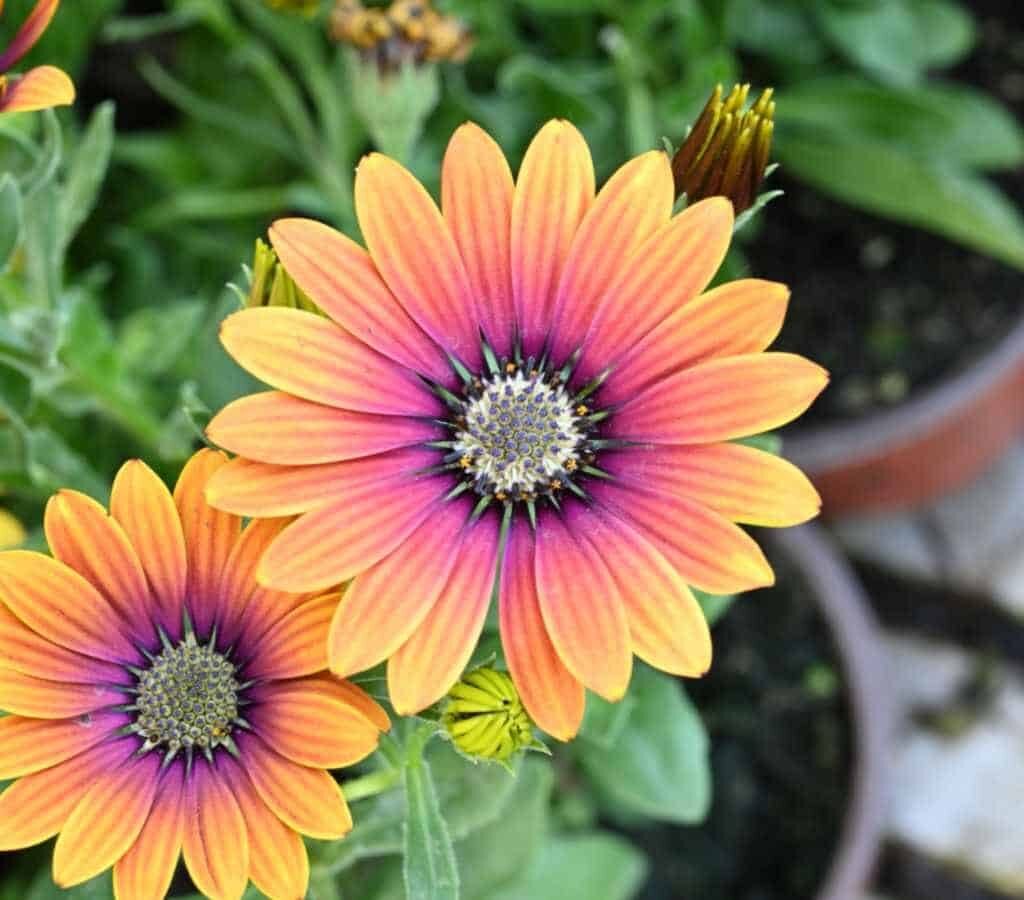
Traditional soil amendments like compost, mulch, and fertilizers are essential, but flowers offer a living, ongoing way to nurture soil. These dual-purpose plants:
- Fix nitrogen: Some flowers form partnerships with soil microbes to capture nitrogen from the air.
- Loosen compacted soil: Deep or fibrous roots break up heavy soils and improve aeration.
- Attract soil helpers: Pollinators, earthworms, and beneficial insects improve soil indirectly.
- Add organic matter: As flowers shed leaves or die back, they feed the soil with organic residue.
- Provide continuous cover: Root systems help prevent erosion and nutrient loss.
Now let’s dive into five flowers that do double duty—beautifying your garden while improving your soil.

1. Sunflowers (Helianthus annuus)
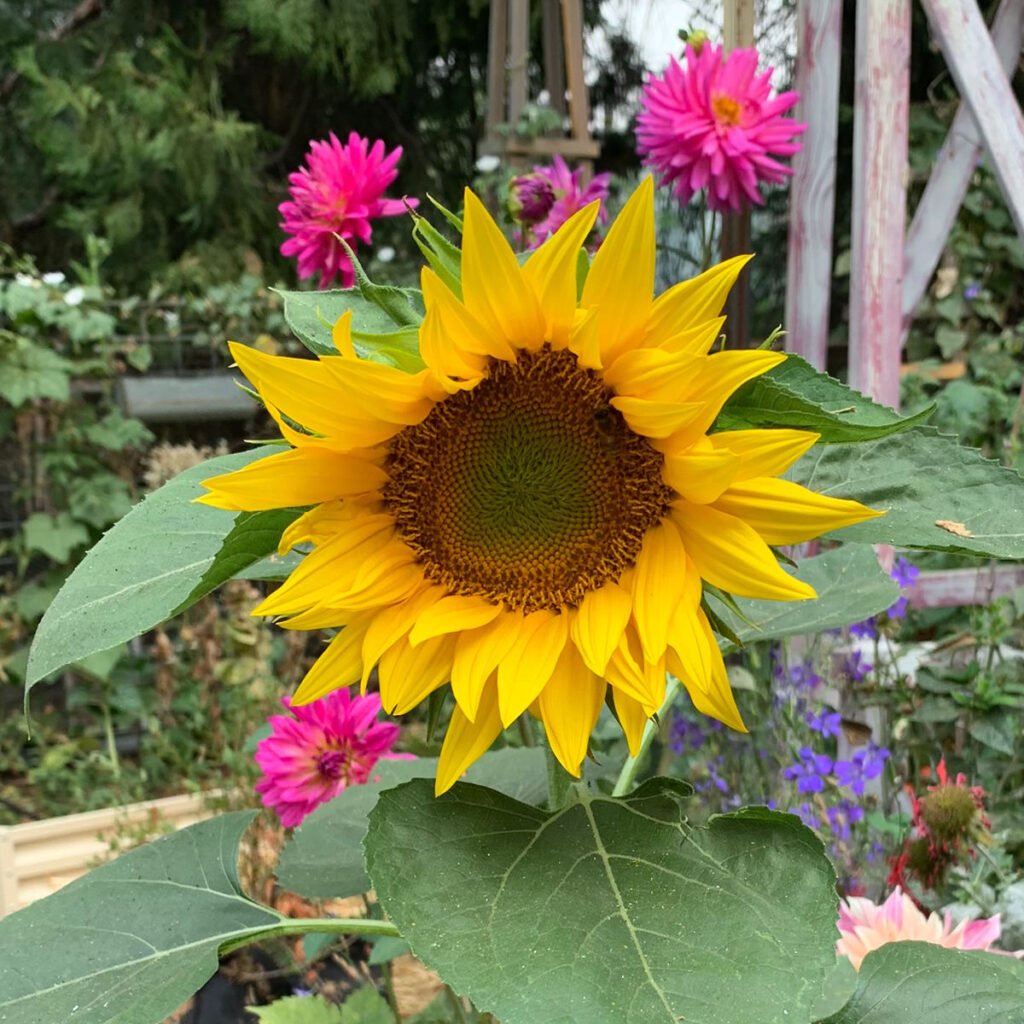
Sunflowers are iconic for their towering stems and golden blooms, but beneath the soil, they’re just as impressive. With deep, robust roots, they improve soil in several ways.
How They Improve Soil
- Deep-root penetration: Sunflowers send roots down several feet, breaking up compacted soil and improving drainage.
- Nutrient accumulation: Their roots draw nutrients like phosphorus and nitrogen from deeper layers, making them more available for future crops.
- Phytoremediation: Sunflowers can absorb heavy metals from contaminated soils, helping to clean up problem areas.
Best Growing Tips
- Soil: Well-draining soil with moderate fertility.
- Sunlight: Full sun (at least 6–8 hours daily).
- Care: Water regularly but avoid waterlogged conditions. Tall varieties may need staking.
Sunflowers not only improve soil but also provide seeds for wildlife and stunning cut flowers for indoor enjoyment.
2. Clover (Trifolium spp.)
Often seen as a ground cover, clover is one of the most powerful flowers for soil improvement. With its charming, ball-shaped blooms in white, red, or pink, clover is beautiful while also functioning as a natural fertilizer.
How They Improve Soil
- Nitrogen fixation: Clover forms symbiotic relationships with rhizobia bacteria, pulling nitrogen from the air and converting it into a form plants can use.
- Living mulch: Clover covers the ground, suppressing weeds and protecting soil from erosion.
- Soil texture improvement: Its fibrous roots add organic matter and enhance soil aeration when they decompose.
Best Growing Tips
- Soil: Thrives in most soils but prefers loamy conditions.
- Sunlight: Full sun to partial shade.
- Care: Low-maintenance; can be overseeded in lawns or planted between vegetable rows.
Clover not only enriches soil but also attracts pollinators, making it a win-win for both garden beds and ecosystems.

3. Marigolds (Tagetes spp.)
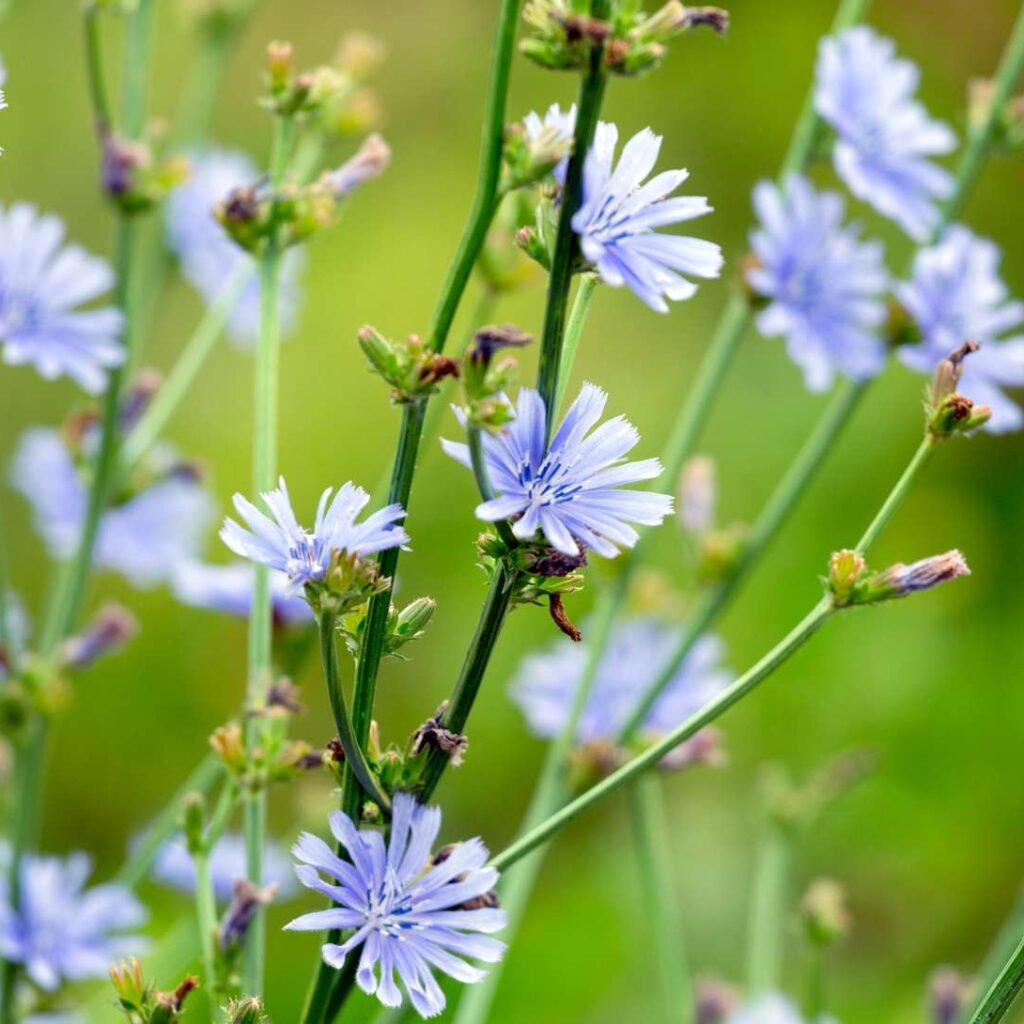
Marigolds are bright, cheerful, and easy to grow—but their true magic lies underground. They are known for their ability to naturally improve soil health and protect neighboring plants.
How They Improve Soil
- Nematode control: Marigolds release natural compounds that suppress harmful nematodes, microscopic pests that damage roots.
- Soil conditioning: As marigolds decompose, they add organic matter that enhances soil structure.
- Beneficial insect support: Their nectar attracts pollinators and predatory insects that contribute to a balanced ecosystem.
Best Growing Tips
- Soil: Adaptable, though they thrive in moderately fertile, well-drained soils.
- Sunlight: Full sun for the best blooms.
- Care: Deadhead regularly to prolong blooming; water evenly.
Marigolds are particularly valuable in vegetable gardens, where they protect crops like tomatoes and beans from soil-borne pests while adding color to the beds.
4. Lupines (Lupinus spp.)
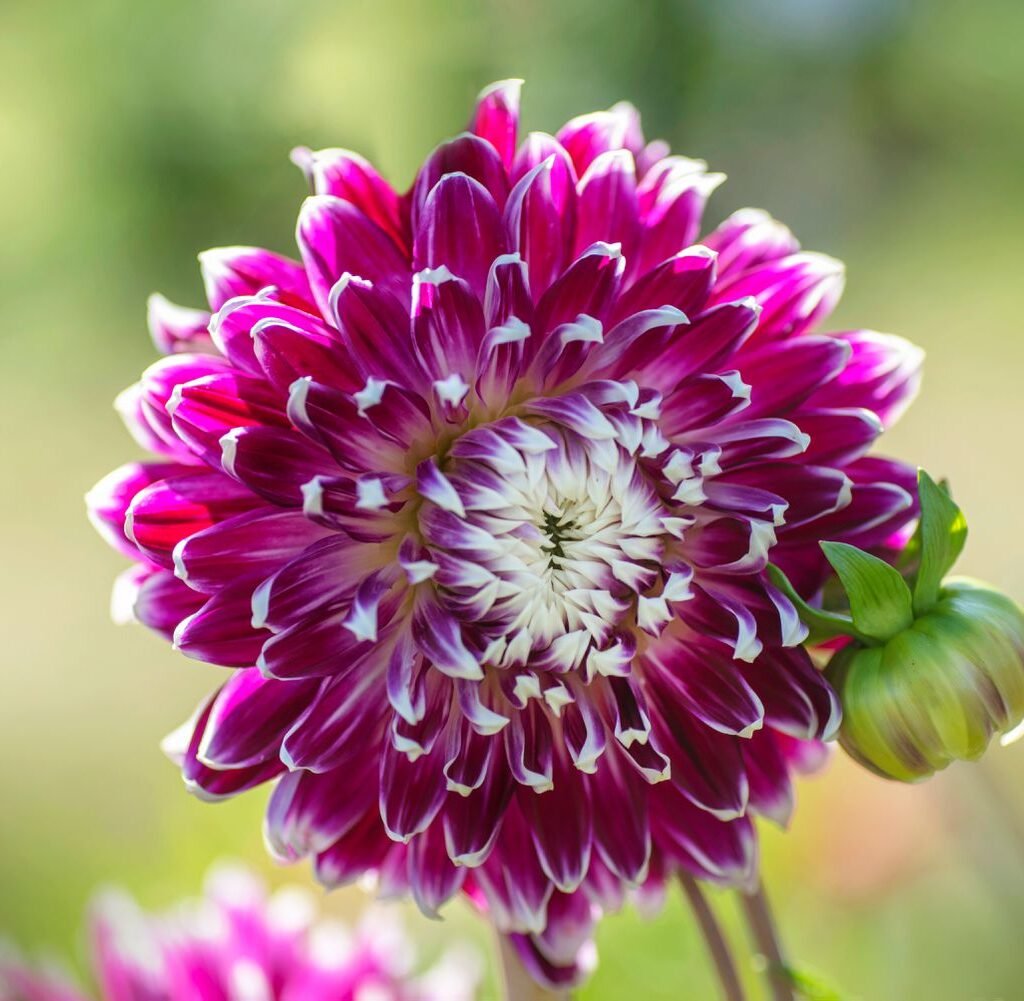
Lupines are beloved for their tall spikes of pea-like flowers in shades of purple, pink, and white. But they also have an extraordinary role in soil fertility.
How They Improve Soil
- Nitrogen fixation: Like clover, lupines are legumes that enrich soil with nitrogen through root nodules.
- Deep root systems: Their roots reach deep into the ground, helping to aerate soil and improve drainage.
- Organic matter: Lupines leave behind nutrient-rich biomass that decomposes into the soil.
Best Growing Tips
- Soil: Well-drained, slightly acidic soils are best.
- Sunlight: Full sun to partial shade.
- Care: Lupines prefer cooler climates; mulch around plants to keep roots cool.
Lupines are excellent for flower borders and meadow-style gardens, providing long-lasting color while enhancing soil health.

5. Borage (Borago officinalis)
With its star-shaped, sky-blue flowers, borage is both ornamental and functional. It has long been used as a companion plant in gardens for its ability to enrich soil.
How They Improve Soil
- Dynamic accumulator: Borage draws trace minerals like potassium and calcium up from deeper soil layers, making them available to other plants.
- Pollinator attractor: Bees flock to borage, indirectly supporting soil health by encouraging biodiversity.
- Soil cover: Dense foliage shades the soil, reducing evaporation and erosion.
Best Growing Tips
- Soil: Tolerates poor soils but prefers well-draining, fertile ground.
- Sunlight: Full sun to light shade.
- Care: Easy to grow; self-seeds readily, so thin seedlings if overcrowded.
Borage is particularly effective in vegetable gardens, where it benefits crops like tomatoes and strawberries by improving pollination and enriching the soil.
How to Maximize the Benefits of Soil-Improving Flowers
While each of these flowers contributes to soil health individually, combining them in your garden can multiply the benefits. Here’s how to make the most of them:
- Use Companion Planting
- Plant marigolds near tomatoes to deter nematodes.
- Sow borage alongside strawberries to improve flavor and pollination.
- Add clover between vegetable rows as living mulch.
- Rotate and Layer Plantings
- Follow sunflowers with shallow-rooted crops that benefit from loosened soil.
- Use lupines or clover as cover crops in fall or spring to restore nitrogen.
- Let Plants Decompose in Place
- Instead of pulling out spent flowers, chop and drop them into the soil to recycle organic matter.
- Encourage Biodiversity
- Mix these soil-friendly flowers with perennials and shrubs to build a self-sustaining garden ecosystem.
Common Mistakes to Avoid
- Overcrowding: While these flowers improve soil, crowding them can reduce airflow and lead to disease.
- Removing too early: Allow plants to bloom fully and die back naturally to maximize soil benefits.
- Ignoring soil basics: Flowers can’t fix everything—balance them with compost, mulch, and proper watering.
- Not choosing the right variety: For example, not all marigolds deter nematodes equally; French marigolds (Tagetes patula) are the most effective.
Final Thoughts
Flowers don’t just beautify—they can transform your soil into a fertile, living foundation for future growth. Sunflowers, clover, marigolds, lupines, and borage are five powerful allies that bloom vibrantly above ground while quietly working their magic below.

By weaving these plants into your garden, you create a space that is not only visually stunning but also ecologically rich and self-sustaining. Each bloom contributes to a cycle of improvement—adding nutrients, conditioning the soil, and supporting biodiversity.
So, the next time you plan your garden, think beyond color alone. Choose flowers that give back to the soil, and you’ll enjoy a healthier, more resilient garden for years to come.

Leave A Comment