
For most gardeners, nothing compares to the joy of seeing flowers burst with color across beds, borders, and containers. Yet, as summer fades and days shorten, many blooms begin to dwindle, leaving gardens looking tired just when you’d love them to shine. The good news? With the right care and techniques, you can keep your flowers blooming all the way until frost, ensuring your garden stays lively and colorful deep into autumn.
In this article, we’ll explore five easy, practical ways to extend your garden’s flowering season. Each method focuses on maximizing plant health, encouraging more blooms, and protecting your plants from early cold snaps.
1. Deadhead Regularly to Encourage New Blooms
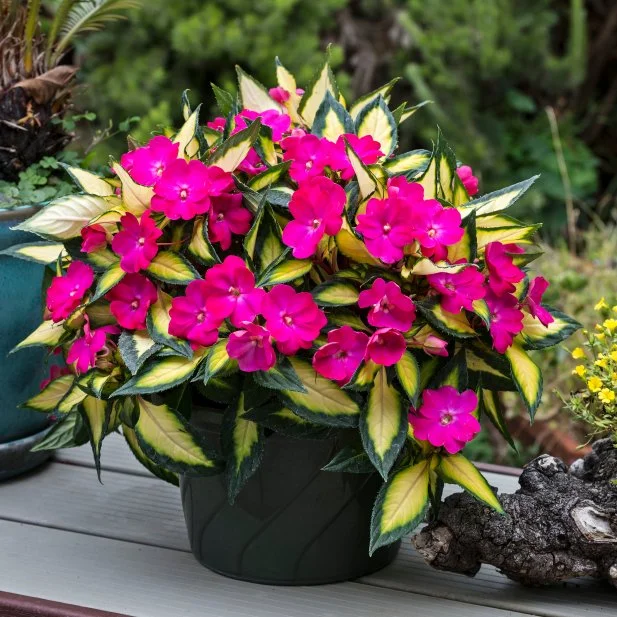
One of the simplest and most effective ways to prolong flowering is deadheading—the removal of spent flowers before they set seed.
Why It Works
Plants naturally shift their energy toward producing seeds once flowers fade. By removing those spent blossoms, you redirect the plant’s energy back into producing new flowers instead of seedpods.

How to Do It
- Pinch or snip: Use clean scissors or pruners to cut off faded flowers just above a healthy set of leaves or buds.
- Pinch back annuals: For plants like petunias, zinnias, and marigolds, pinching also keeps them compact and bushy.
- Perennials benefit too: Coreopsis, blanket flowers, and salvias will bloom repeatedly if you deadhead consistently.
Extra Tip
For plants that bloom in clusters (like phlox or yarrow), cut the entire cluster stem back when the majority of blooms fade—this often encourages a fresh flush of flowers.
2. Feed and Water Consistently
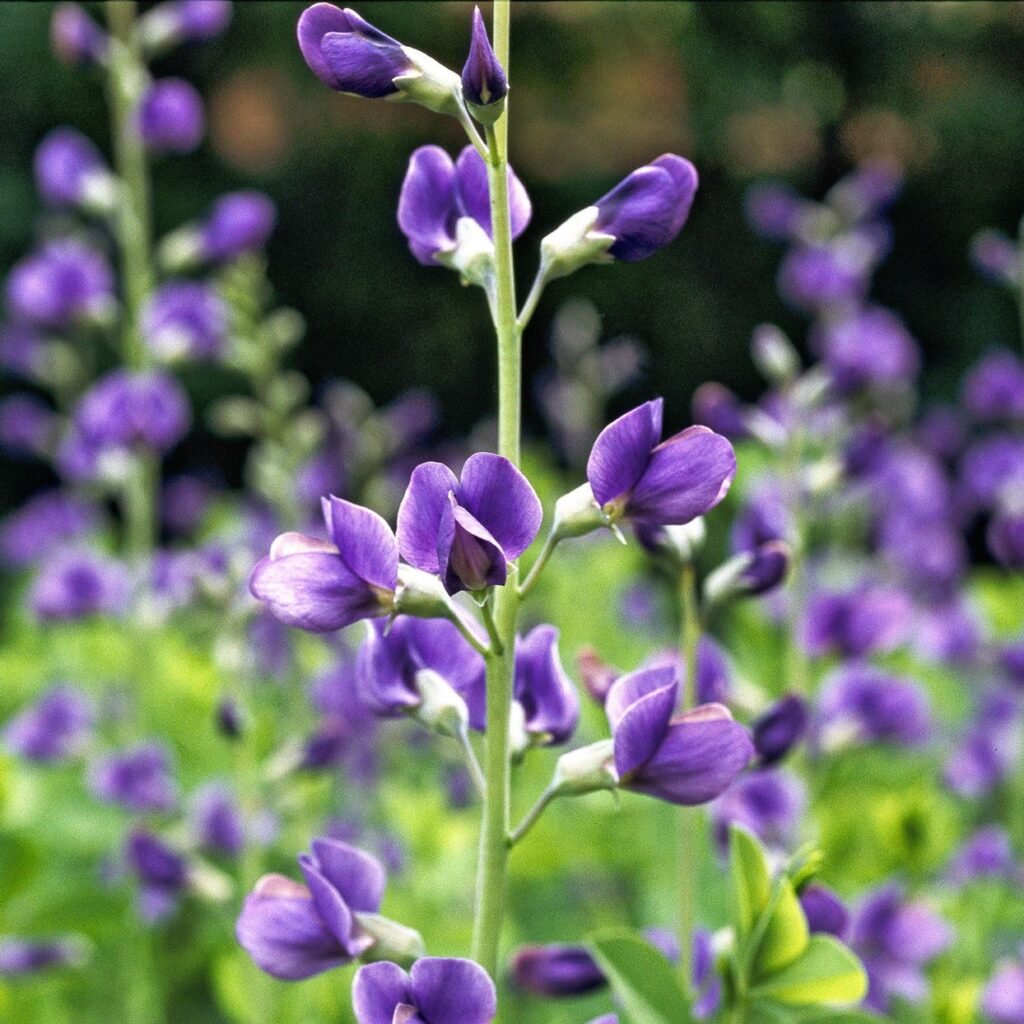
Flowers need consistent nutrients and hydration to keep producing blossoms, especially in late summer and early fall when they may be competing with changing weather conditions.
Feeding for Continuous Bloom
- Balanced fertilizer: Use a water-soluble fertilizer every 2–3 weeks during the growing season. Look for a bloom-boosting mix with a higher middle number (phosphorus) to encourage flowering.
- Organic options: Compost tea, fish emulsion, or bone meal also help enrich the soil and keep plants energized.
- Don’t overfeed: Too much nitrogen promotes leafy growth instead of flowers.
Watering for Longevity
- Deep watering: Water deeply 1–2 times a week instead of light daily sprinkling to encourage deep root growth.
- Morning is best: Watering early prevents disease by allowing leaves to dry before evening.
- Check soil moisture: Container plants dry out faster—stick a finger into the soil to test; water when the top inch feels dry.
Extra Tip
Mulching around plants retains moisture, regulates soil temperature, and reduces stress, which helps prolong blooming.
3. Extend the Season with Pruning and Pinching
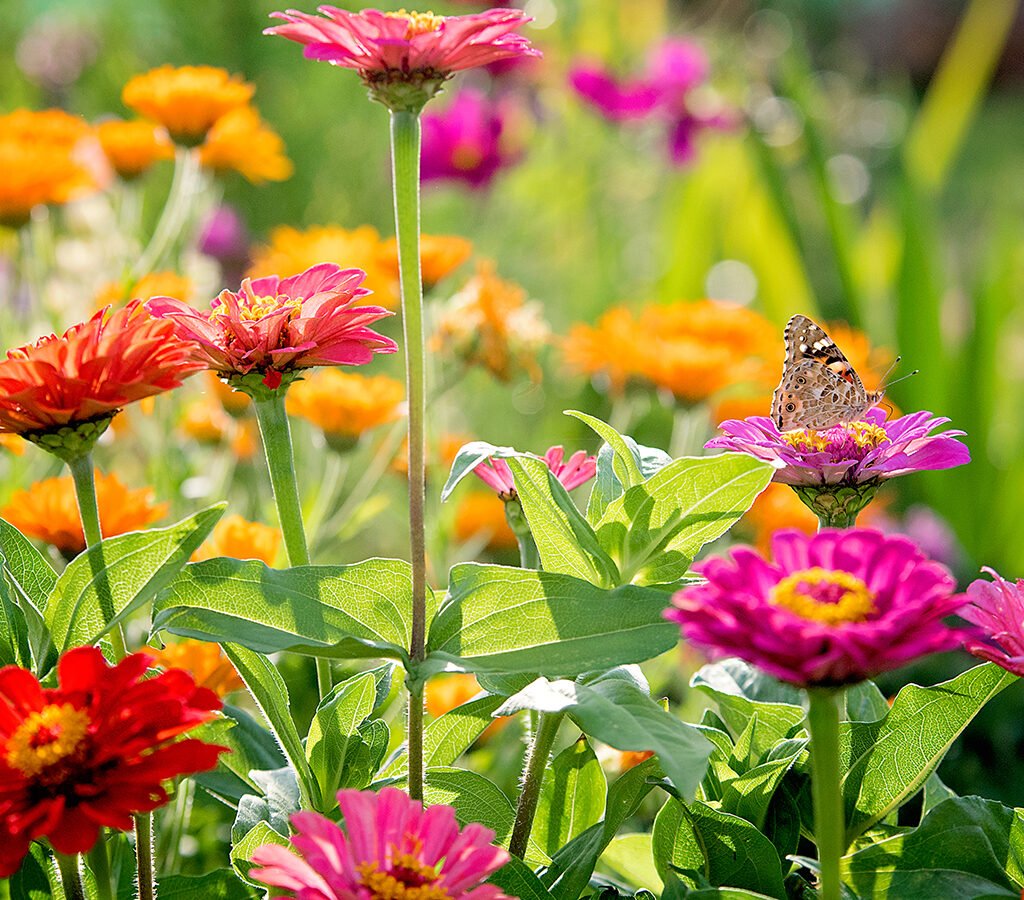
Strategic cutting back can rejuvenate plants, encouraging fresh growth and new flowers even late in the season.

Midseason Cutbacks
- Annuals: Trim leggy annuals like petunias, impatiens, and cosmos by one-third to stimulate dense, fresh growth.
- Perennials: After their first bloom cycle, cut perennials like salvia, catmint, and coreopsis down by half for a second flush of flowers.
Pinching for Delay
Pinching back plants earlier in the season (June or July) can delay blooming, spreading flower production over a longer period. This technique works well for chrysanthemums and asters, ensuring they’re at their best just as fall arrives.
Extra Tip
Don’t be afraid to prune late bloomers lightly in August—many will respond with fresh buds that carry into October.
4. Choose and Combine Late-Blooming Varieties
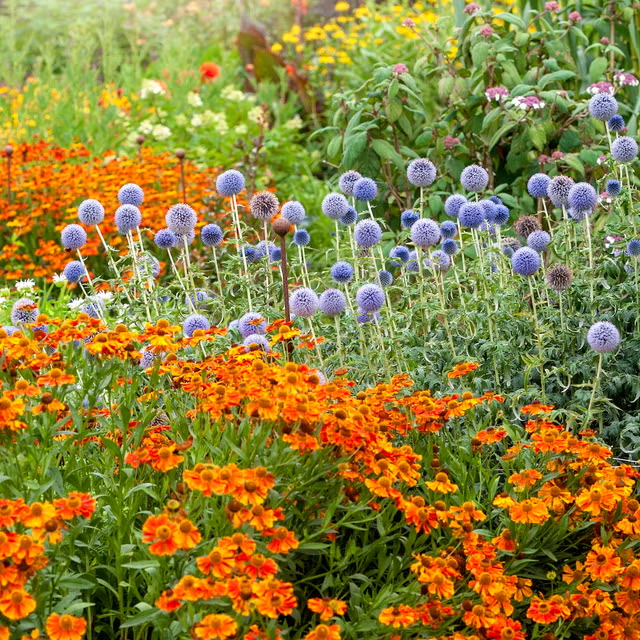
If you want continuous color until frost, start with the right plants. Many flowers are naturally inclined to bloom into fall, especially annuals and hardy perennials bred for extended flowering.
Best Late-Blooming Annuals
- Zinnias – Thrive until frost with bold colors.
- Cosmos – Tall, airy plants that keep producing.
- Marigolds – Hardy, cheerful flowers that shrug off cooler nights.
- Snapdragons – Often rebound and bloom again in fall after summer heat fades.
Best Late-Blooming Perennials
- Asters – Classic fall flowers in shades of purple, blue, and pink.
- Coneflowers (Echinacea) – Strong bloomers that last until frost.
- Black-eyed Susans (Rudbeckia) – Bright yellow daisy-like flowers that thrive late into the season.
- Sedum ‘Autumn Joy’ – Succulent-like perennial with fall-blooming clusters.
Extra Tip
Mixing perennials with reseeding annuals (like cleome or cosmos) ensures a continuous rotation of blooms well into fall.

5. Protect Plants from Early Frost
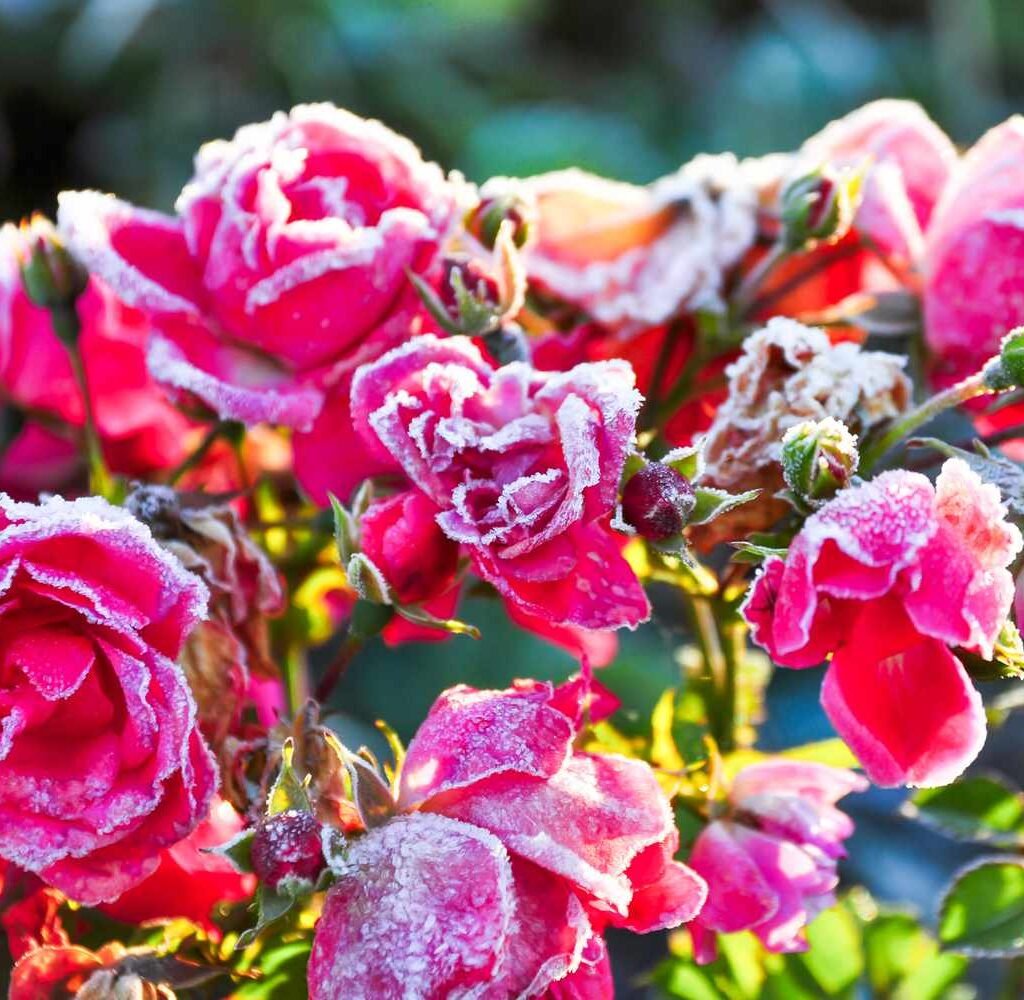
Even the healthiest flowers can be stopped in their tracks by a surprise early frost. With a little preparation, you can shield your blooms and keep them thriving longer.
Frost Protection Techniques
- Covers: Use old sheets, frost cloths, or lightweight blankets to cover plants on cold nights. Remove them in the morning once temperatures rise.
- Cloche or row covers: Small, portable covers protect individual plants or rows. Great for tender annuals in vegetable or flower beds.
- Move containers: Simply bring pots into a garage, porch, or sheltered area overnight during a cold snap.
Positioning for Warmth
- Place containers near house walls, where residual heat provides a warmer microclimate.
- Plant tender annuals in sheltered spots, like near fences or patios, where they’re less exposed to wind.
Extra Tip
Mulching heavily around perennials insulates the soil, protecting roots from early freezes while extending flowering.
Bonus Strategies for Prolonged Blooms
Beyond the five main methods, here are a few additional ways to keep flowers going strong:
- Succession planting: Stagger plantings of fast-growing annuals like zinnias to ensure waves of flowers into fall.
- Regular pest control: Aphids, spider mites, and powdery mildew often appear late season—keep plants healthy with vigilant monitoring.
- Cut flowers regularly: Harvesting blooms for indoor arrangements encourages plants like cosmos, zinnias, and dahlias to keep producing.
Putting It All Together
Imagine your garden in October: vibrant zinnias still dazzling with color, asters buzzing with pollinators, and marigolds cheering up borders, while your containers overflow with fresh blossoms. This isn’t just wishful thinking—it’s the result of consistent care and planning.

By deadheading, feeding and watering regularly, pruning strategically, choosing late-blooming varieties, and protecting plants from frost, you can extend the life of your flowers far beyond summer. Each step requires only a little effort, but together they make a powerful difference.
Conclusion
Keeping flowers blooming until frost isn’t complicated—it’s about working with your plants’ natural cycles and giving them the right conditions to thrive. Deadheading redirects energy to new blooms, consistent feeding and watering sustain growth, pruning keeps plants fresh, late-blooming varieties provide seasonal resilience, and frost protection ensures your efforts aren’t cut short by the weather.
With these five easy techniques, your garden can remain a haven of color, fragrance, and pollinator activity right up until the first hard frost. So don’t pack away your gardening tools just yet—your flowers still have plenty of beauty left to give.

Leave A Comment