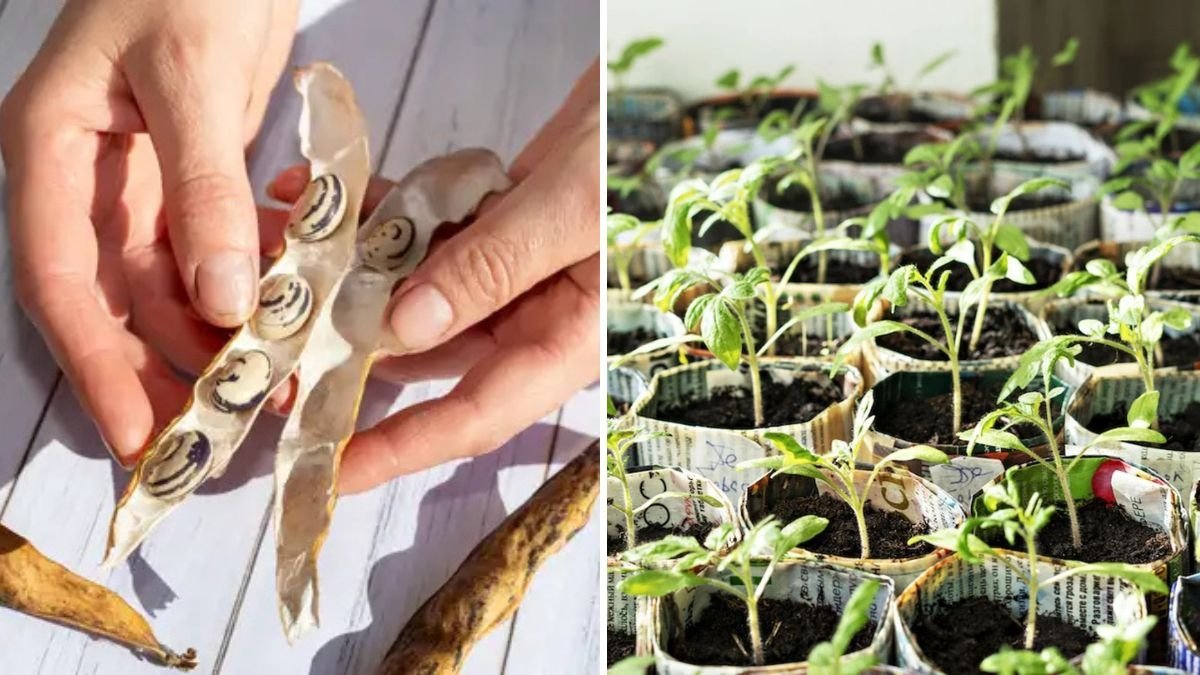
In today’s fast-paced world, where industrial agriculture and large seed companies dominate the food supply, community-led practices like seed swapping are making a powerful comeback. More than just an exchange of tiny kernels of life, seed swapping is about community building, biodiversity preservation, and creating resilient local food systems.
Gardeners who participate in seed swaps are not only saving money but also preserving cultural traditions, improving their gardens, and strengthening neighborhood ties. This article explores why seed swapping is such a vital practice, how it benefits local gardens, and why more gardeners should embrace this sustainable tradition.
What is Seed Swapping?
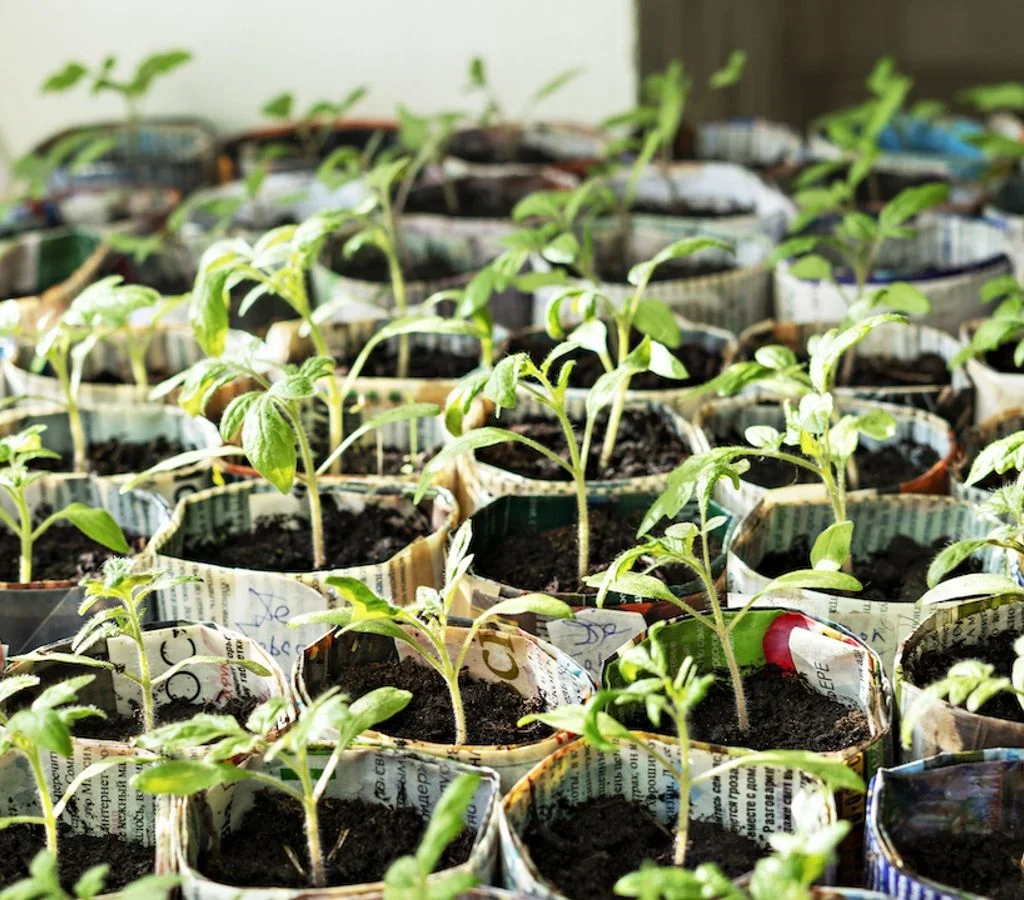
Seed swapping is the practice of exchanging seeds between gardeners, farmers, or community members. These events may be small gatherings among friends or larger community festivals, often hosted by libraries, schools, or gardening clubs. Participants bring extra seeds from their own harvests, trade them with others, and often share gardening tips and experiences along the way.
Seed swaps can take many forms:
- In-Person Swaps – Local events where people trade seeds face-to-face.
- Seed Libraries – Community spaces (often within public libraries) where members can “borrow” seeds, grow them, and return saved seeds for others to use.
- Online Exchanges – Digital platforms where seeds are mailed between participants.
Regardless of the format, the concept remains the same: a grassroots exchange of life, knowledge, and community spirit.
Benefits of Seed Swapping for Local Gardens
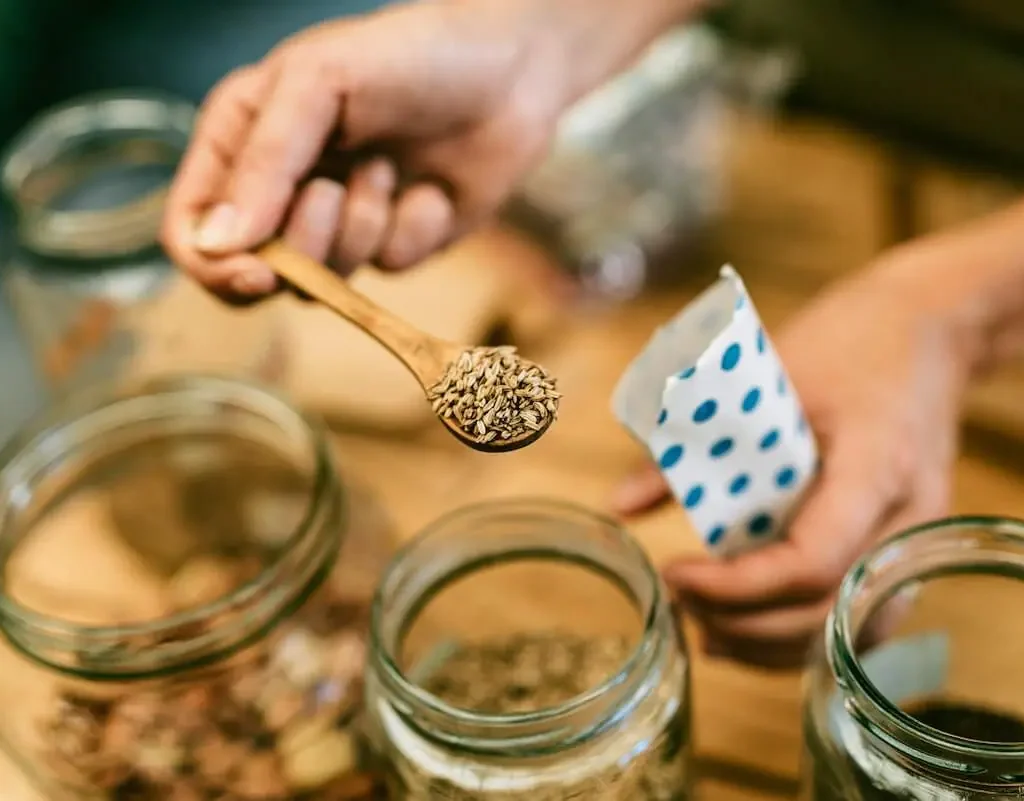
1. Preserving Biodiversity
Commercial agriculture tends to focus on a limited number of high-yield, uniform varieties, leading to a loss of genetic diversity. Seed swaps, on the other hand, encourage the sharing of heirloom, rare, and region-specific varieties.
- Heirloom tomatoes, unusual beans, or unique peppers are often passed down through generations and preserved only because gardeners continue to save and share them.
- These unique seeds strengthen local gardens by increasing biodiversity, which makes ecosystems healthier and more resilient against pests and diseases.
2. Adapting to Local Conditions
Seeds saved and shared locally are already adapted to regional climates, soils, and pests. Unlike store-bought seeds bred for general use, locally adapted seeds perform better in specific environments.
For example, a bean variety saved for decades in a dry climate will naturally thrive in similar dry conditions when grown by another gardener in the same region. This adaptation strengthens local food security, as the plants are more resilient and require fewer external inputs like chemical fertilizers or pesticides.
3. Encouraging Sustainable Gardening
When gardeners swap seeds, they also share knowledge about how to grow them. Instead of relying on chemical-heavy farming practices, participants often exchange organic and natural methods for pest control, soil care, and watering techniques.
Seed swapping encourages:
- Reduced dependence on corporations that sell patented or genetically modified seeds.
- Self-reliance in producing and saving seeds year after year.
- Lower costs, since swapping is free or nearly free compared to purchasing new packets annually.
4. Strengthening Community Bonds
Seed swaps bring people together. These events create opportunities to meet neighbors, exchange gardening tips, and celebrate the joy of growing food.
In many communities, seed swaps:
- Foster intergenerational learning, where older gardeners pass down skills and traditions to younger ones.
- Create cultural connections, as immigrants and ethnic groups share traditional crops from their homelands.
- Promote local resilience, as people build networks that can share resources during times of scarcity.
5. Protecting Food Security
Seed swapping supports food independence at the local level. With rising concerns about climate change, supply chain disruptions, and corporate control of seeds, having access to a diverse pool of locally adapted seeds ensures that communities can continue to grow food—even during challenging times.
Practical Examples of Seed Swapping Success
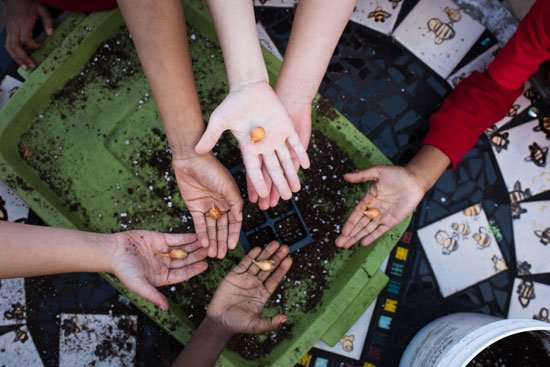
- Seed Libraries in the U.S. and Europe – Hundreds of libraries now lend seeds along with books. Members check out seeds, grow plants, and return saved seeds for others.
- Community Festivals – Events like “Seedy Saturdays” in Canada attract thousands of gardeners eager to trade seeds, attend workshops, and learn about sustainable gardening.
- Indigenous Seed Keepers Networks – Native communities are reviving traditional crops and cultural heritage by exchanging ancestral seeds that were once nearly lost.
These initiatives not only enrich local gardens but also safeguard cultural identity and food sovereignty.
How to Start Seed Swapping in Your Community
If you’re inspired to bring the benefits of seed swapping to your area, here are simple steps to get started:
1. Start Small
Begin by swapping seeds with a few friends or neighbors. Keep it informal at first, perhaps as part of a gardening club or community potluck.
2. Host a Seed Swap Event
- Pick a date before planting season.
- Invite local gardeners, schools, and community groups.
- Provide envelopes, labels, and tables for organizing seeds.
- Encourage participants to share growing tips along with their seeds.
3. Create a Seed Library
Partner with local libraries, community centers, or schools to establish a seed library. All it takes is a small cabinet of labeled envelopes and a system for borrowing and returning seeds.
4. Emphasize Education
Offer workshops on seed saving techniques, proper labeling, and the importance of biodiversity. Knowledge-sharing makes the swap more meaningful and sustainable.

5. Use Online Tools
If in-person gatherings aren’t possible, use online gardening forums, social media groups, or seed exchange websites to connect with other gardeners.
Best Practices for Successful Seed Swapping
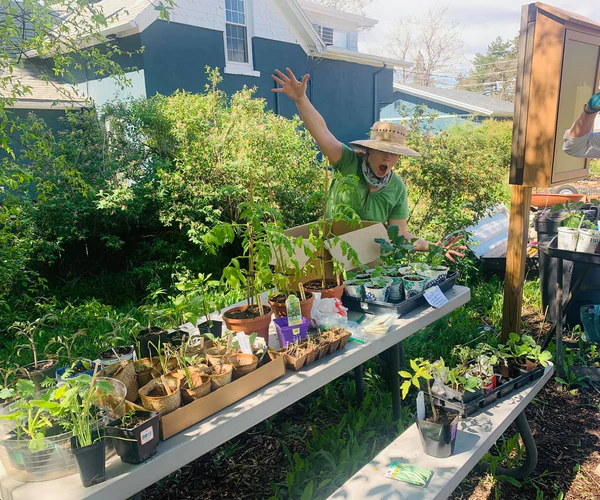
- Label Clearly – Always label seeds with the plant name, variety, harvest date, and any special growing instructions.
- Save Only from Healthy Plants – This ensures disease-free seeds with strong genetics.
- Respect Hybrids vs. Open-Pollinated Seeds – Hybrid seeds may not grow true to type, so be honest about what you’re sharing.
- Encourage Diversity – Share multiple varieties to keep the seed pool rich.
- Document Stories – Whenever possible, include the history of the seed variety. This creates a cultural and emotional connection for future growers.
Challenges and How to Overcome Them
While seed swapping has countless benefits, a few challenges can arise:
- Cross-Pollination Issues – Some crops (like squash or corn) cross-pollinate easily, which can lead to unexpected results. Solution: educate gardeners about isolation techniques or encourage trading self-pollinating crops first.
- Lack of Awareness – Many people don’t know about seed swapping. Solution: promote events through schools, local organizations, and social media.
- Seed Quality Concerns – Some seeds may be old or improperly stored. Solution: teach participants about proper seed saving and viability testing.
By addressing these challenges, communities can ensure that seed swaps remain successful and rewarding.
The Bigger Picture: Building Resilient Food Systems
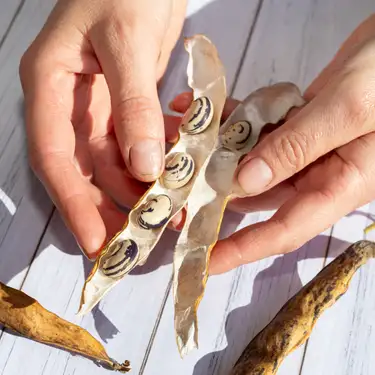
Seed swapping is more than just a local gardening trend—it’s part of a global movement to reclaim control of food systems from corporate monopolies. Every seed shared is an act of resistance against the homogenization of agriculture and a step toward creating resilient, community-driven food networks.
When neighbors come together to exchange seeds, they are:
- Preserving history.
- Preparing for the future.
- Strengthening their gardens and communities alike.
Conclusion
Seed swapping strengthens local gardens in ways that extend far beyond the soil. It protects biodiversity, adapts plants to regional conditions, encourages sustainability, and builds community resilience. Each seed exchanged carries not only the promise of food but also the stories, traditions, and connections of the people who nurture it.

In an era where food systems are increasingly fragile, seed swapping is a simple, grassroots practice that empowers communities. By saving and sharing seeds, gardeners ensure that local gardens remain vibrant, diverse, and sustainable for generations to come.
So the next time you find yourself with extra seeds, don’t let them sit unused. Share them with a neighbor, attend a seed swap, or start one in your community. In doing so, you’ll be planting more than seeds—you’ll be planting the roots of a stronger, more resilient future.

Leave A Comment