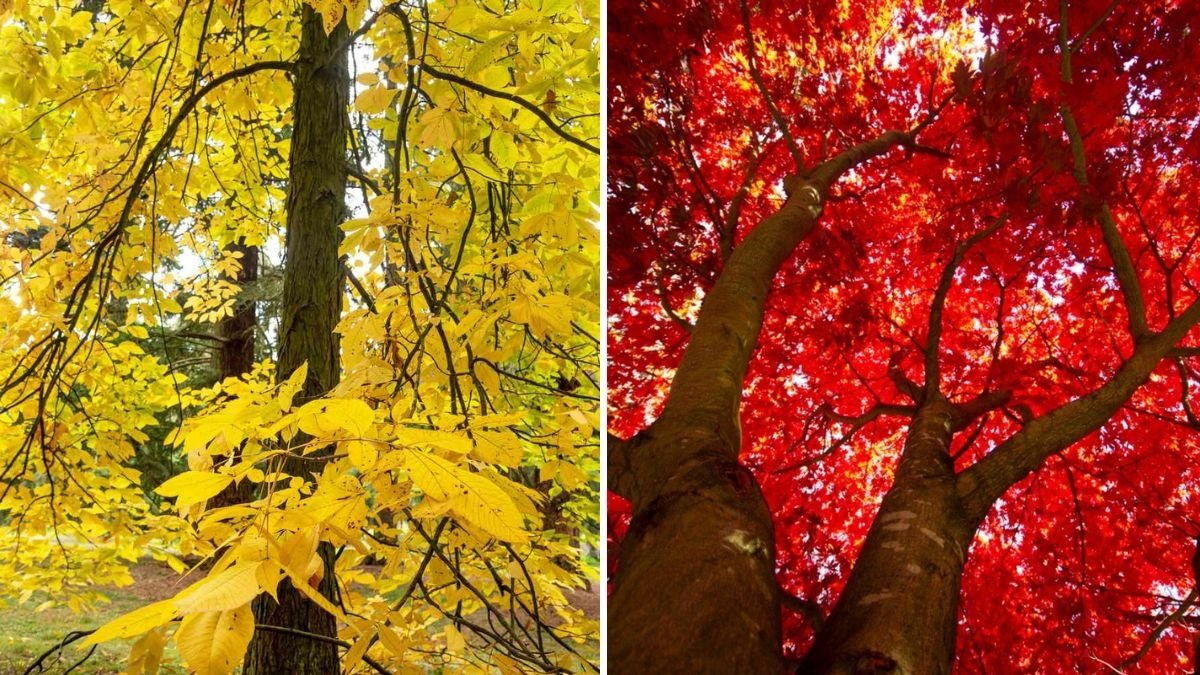
Autumn is one of the most magical seasons in nature’s calendar. As the temperatures drop and daylight hours shorten, trees put on a spectacular show of fiery reds, golden yellows, and glowing oranges. This transformation, caused by chemical changes in the leaves, turns ordinary landscapes into breathtaking works of art. While many plants contribute to the season’s charm, certain trees are especially admired for their vibrant fall displays.
In this article, we’ll explore five trees with the most beautiful fall colors, looking into their characteristics, the science behind their colors, where they thrive, and why they are beloved by gardeners, landscapers, and nature enthusiasts alike.
1. Sugar Maple (Acer saccharum) – The Quintessential Fall Icon
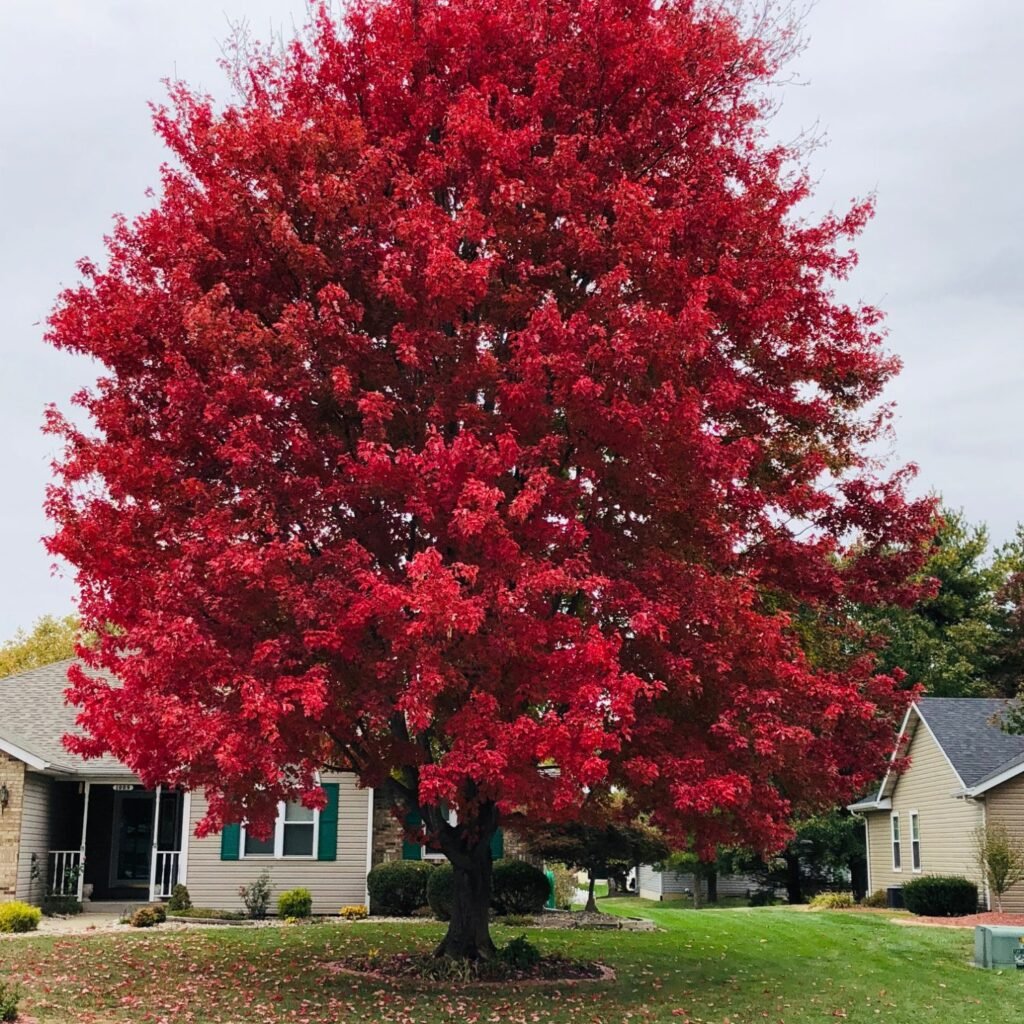
The Sugar Maple is perhaps the most iconic fall tree in North America. Renowned for its brilliant color palette, this tree paints entire forests in a mix of fiery red, glowing orange, and sunshine yellow.
Why It Stands Out:
- Spectacular Colors: Sugar Maples produce some of the brightest fall foliage thanks to their high sugar content. This sugar helps produce anthocyanins—the pigments responsible for the red and purple hues.
- Large Size: With heights reaching 60–75 feet, these towering trees make a dramatic impact in forests, parks, and residential areas.
- Cultural Significance: Beyond its fall beauty, the Sugar Maple is also the source of maple syrup, adding both ecological and economic value.
Best Growing Conditions:
Sugar Maples thrive in well-drained, slightly acidic soil and full sun to partial shade. They are most commonly found in the northeastern United States and parts of Canada, where autumn is synonymous with maple-drenched landscapes.
Why Gardeners Love It:
If you want a classic fall display in your yard, planting a Sugar Maple guarantees you a seasonal masterpiece. Their long lifespan—sometimes exceeding 200 years—makes them a legacy tree for generations.
2. Red Maple (Acer rubrum) – A Burst of Fiery Scarlet
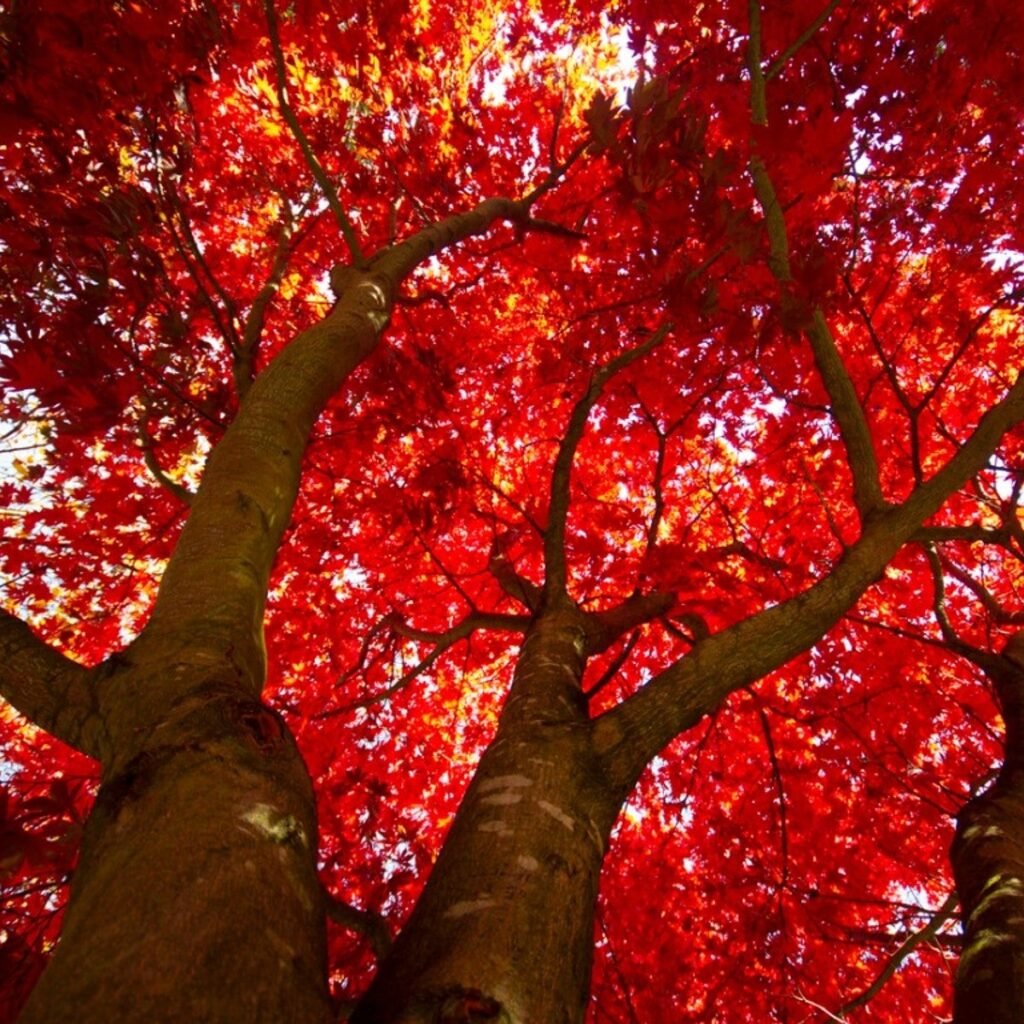
True to its name, the Red Maple is famous for its brilliant red hues. While it may display yellow and orange as well, it is the vivid crimson that steals the spotlight each fall.
Why It Stands Out:
- Early Color Changer: Red Maples are often among the first trees to change color in the fall, signaling the season’s arrival.
- Wide Adaptability: Unlike some trees that require very specific soil conditions, Red Maples can thrive in wet, dry, or even compact soils, making them one of the most widely distributed trees in North America.
- Year-Round Appeal: In spring, they produce red buds and flowers; in summer, they provide shade; in autumn, they explode with scarlet brilliance.
Best Growing Conditions:
Red Maples grow best in slightly acidic soil with good moisture. They thrive across much of the eastern United States and into southern Canada.
Why Gardeners Love It:
Their adaptability makes them easy to grow in urban, suburban, and rural settings. Plus, they’re relatively fast-growing, offering shade and seasonal beauty within a short time.
3. Sweetgum (Liquidambar styraciflua) – A Kaleidoscope of Colors
If you love variety, the Sweetgum tree is your perfect autumn companion. Unlike trees that lean heavily toward one dominant color, the Sweetgum produces a wide spectrum—reds, oranges, purples, and yellows—all at once.
Why It Stands Out:
- Color Diversity: Few trees can compete with the Sweetgum’s rainbow-like display. Sometimes, a single branch may showcase multiple shades at once.
- Unique Leaf Shape: Its star-shaped leaves not only look attractive but also enhance the way light plays off its fall colors.
- Distinct Seed Pods: While spiky “gum balls” can be a nuisance on lawns, they are ecologically important, feeding birds and small mammals.
Best Growing Conditions:
Sweetgum trees thrive in moist, well-drained soils and prefer full sun exposure. They are native to the southeastern United States but can also be found in many parts of Asia.
Why Gardeners Love It:
Despite its messy seed pods, the Sweetgum’s vibrant colors make it a landscape favorite. Its tall, pyramidal shape adds structure and drama to gardens and public spaces.
4. Ginkgo (Ginkgo biloba) – The Golden Fan
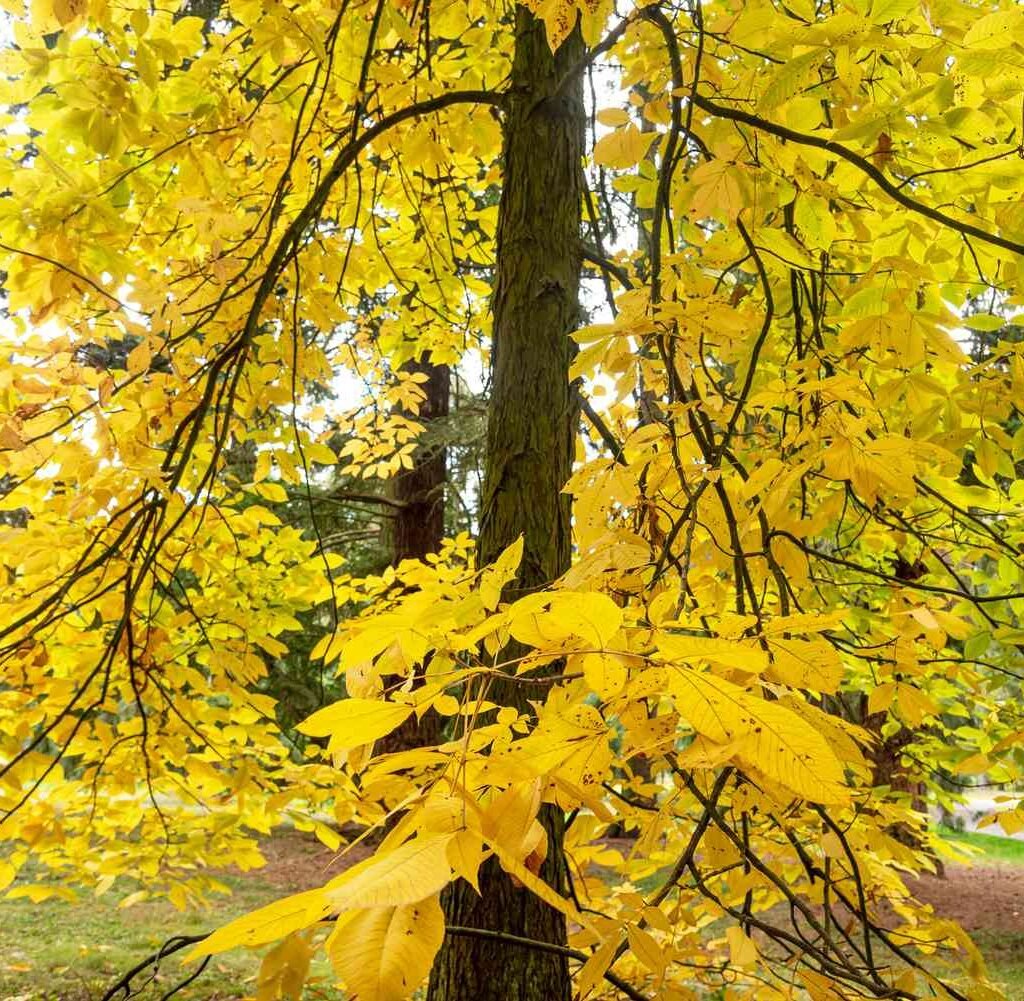
Known as a “living fossil,” the Ginkgo is one of the oldest tree species in the world, dating back over 200 million years. In fall, it undergoes a stunning transformation, turning its fan-shaped leaves into a sea of radiant gold.
Why It Stands Out:
- Brilliant Gold: The Ginkgo’s golden leaves are unique because they often change color simultaneously, creating a dramatic uniform effect.
- Elegant Shape: The fan-like leaves shimmer in sunlight, making the golden display even more enchanting.
- Historical Significance: Native to China, Ginkgos are revered in Asian culture for their resilience and longevity. Some specimens are over 1,000 years old.
Best Growing Conditions:
Ginkgos are hardy and adaptable, tolerating urban pollution, poor soils, and drought. They are commonly planted in cities worldwide because of their durability.
Why Gardeners Love It:
Aside from their unmatched golden show in autumn, Ginkgos are virtually pest-free and low-maintenance. They add both historical charm and seasonal elegance to landscapes.
5. Japanese Maple (Acer palmatum) – The Artist’s Tree
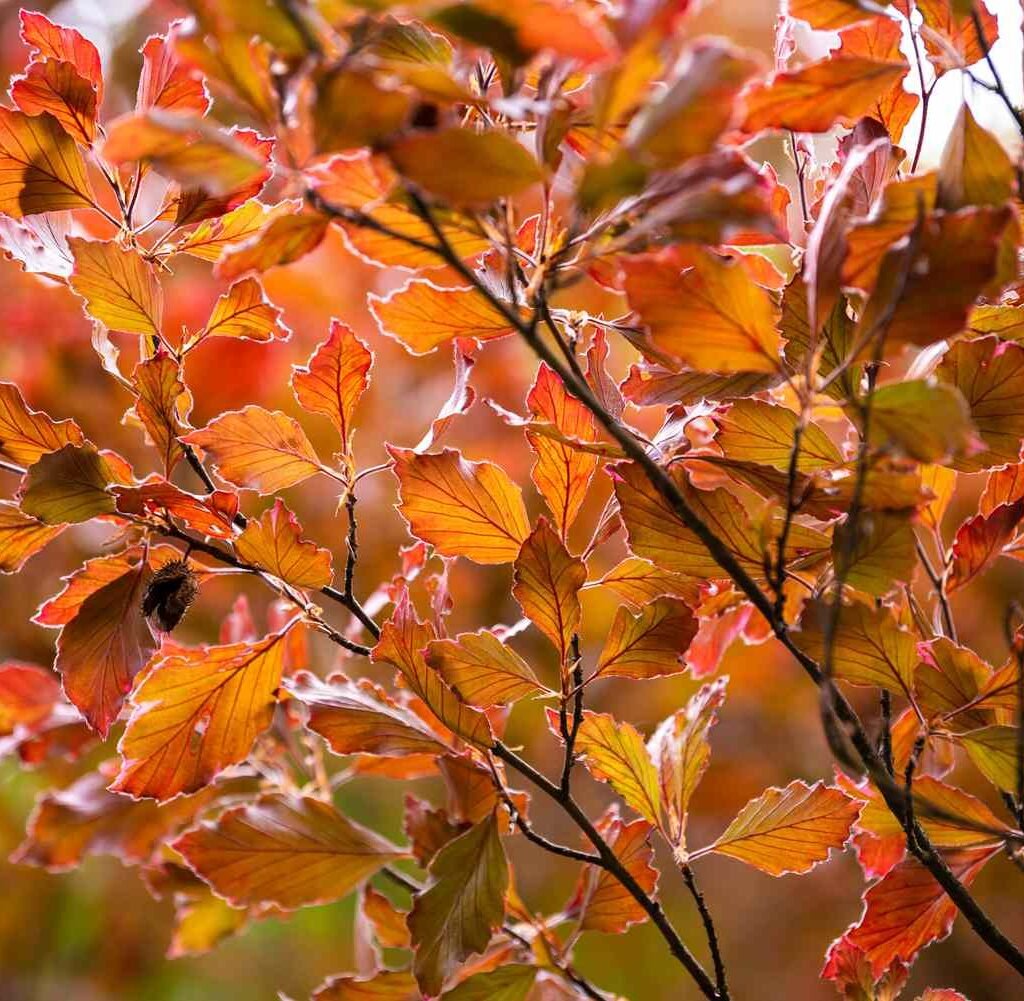
Delicate, graceful, and breathtakingly colorful, the Japanese Maple is a favorite among gardeners, especially for smaller landscapes. Its fall transformation ranges from deep burgundy and crimson to fiery orange and golden yellow.
Why It Stands Out:
- Exquisite Leaf Shapes: With finely cut or broad leaves depending on the variety, Japanese Maples look like living art.
- Compact Size: Unlike towering maples, most Japanese Maples are small to medium-sized, making them ideal for gardens, patios, or even container planting.
- Year-Round Beauty: Their layered branching structure and elegant forms add visual appeal in every season, not just autumn.
Best Growing Conditions:
Japanese Maples prefer well-drained soil and partial shade, especially in hotter climates. They are most associated with traditional Japanese gardens but have been embraced worldwide.
Why Gardeners Love It:
These trees are perfect for those who want dramatic color in a smaller space. With hundreds of cultivars available, gardeners can choose from a wide variety of leaf shapes, sizes, and fall hues.
The Science Behind Fall Colors
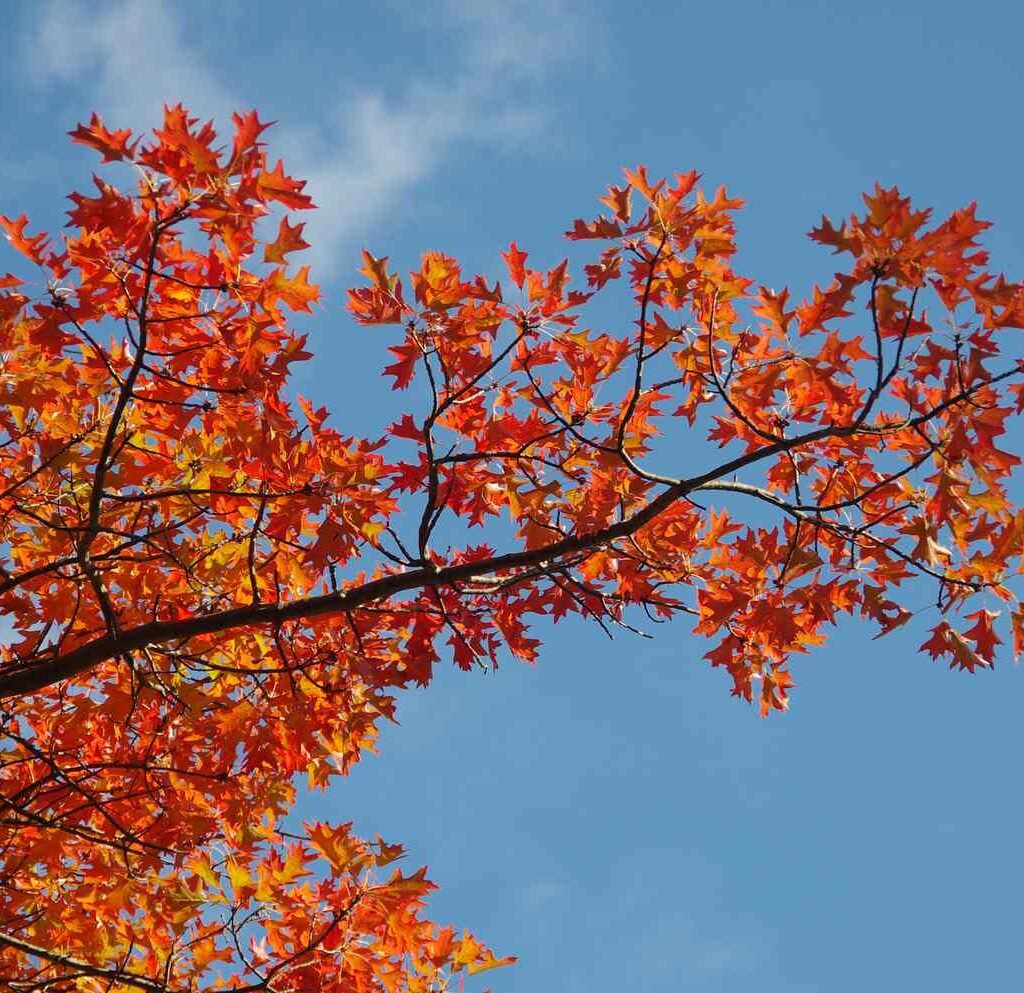
The beauty of autumn trees isn’t just an accident of nature—it’s the result of fascinating chemical processes:
- Chlorophyll Breakdown: During spring and summer, chlorophyll gives leaves their green color. As daylight decreases, chlorophyll production slows, revealing other pigments.
- Carotenoids: These pigments produce yellow and orange hues and are present in leaves all year, only becoming visible once chlorophyll fades.
- Anthocyanins: Formed in fall when sugars are trapped in leaves, these pigments create red, purple, and crimson tones.
- Weather Influence: Bright, sunny days and cool nights enhance anthocyanin production, making fall colors more vivid.
This scientific magic, combined with each tree’s unique traits, explains why some species are more dazzling than others.
Final Thoughts
When it comes to breathtaking fall displays, trees like the Sugar Maple, Red Maple, Sweetgum, Ginkgo, and Japanese Maple are nature’s masterpieces. Each offers a unique color palette, shape, and charm that can transform ordinary spaces into stunning seasonal landscapes. Whether you’re planning a garden, exploring autumn forests, or simply appreciating nature, these five trees represent the very best of fall’s beauty.
Their colors remind us that change can be beautiful, and that every season—just like every tree—has something extraordinary to offer.

Leave A Comment