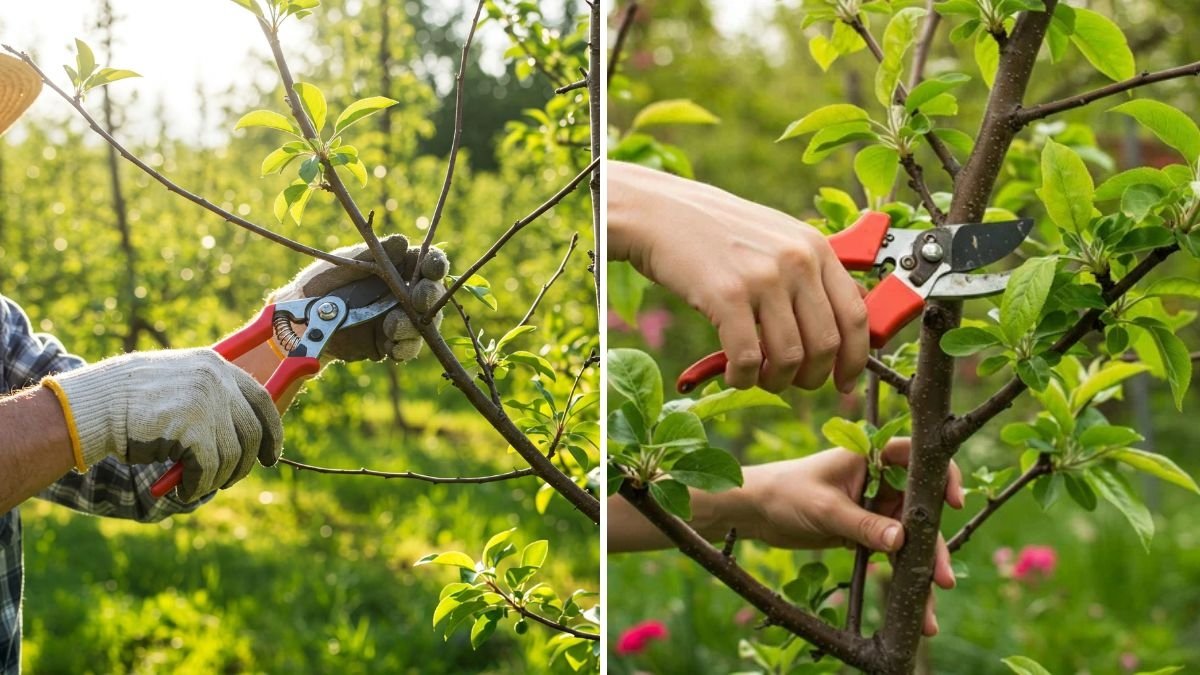
Pruning is one of the most essential yet often misunderstood aspects of plant care. Done correctly, it can improve the health, structure, and aesthetics of trees, shrubs, and other plants. Done incorrectly, it can weaken plants, reduce flowering or fruiting, and even lead to long-term damage.
Pruning is more than just cutting branches—it is a careful balance of science, timing, and technique. Understanding the right way to prune is key to promoting strong growth, maximizing yields, and ensuring the longevity of your plants. In this article, we’ll explore why pruning matters, the principles of proper pruning, seasonal considerations, techniques, and common mistakes to avoid.
Why Pruning Matters
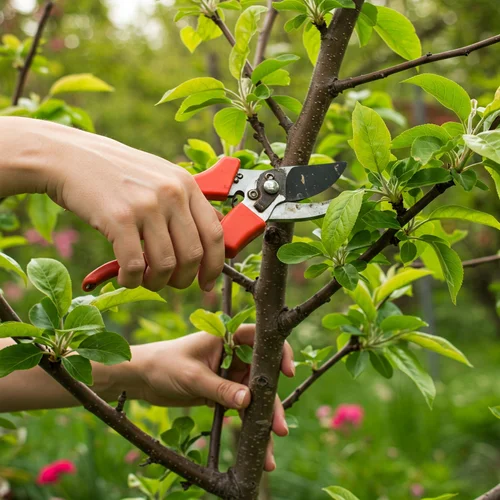
Pruning plays a critical role in plant health and development. Its benefits include:
- Encouraging Strong Structure: Proper pruning promotes a sturdy framework, reducing the risk of branch breakage under wind, snow, or heavy fruit loads.
- Improving Air Circulation: Thinning dense branches reduces humidity within the canopy, preventing fungal diseases and promoting healthier foliage.
- Stimulating Growth: Cutting back selected branches encourages the plant to redirect energy into new shoots, flowers, or fruit.
- Enhancing Aesthetic Appeal: Pruning shapes plants into attractive forms, maintains size control, and creates visual balance in the landscape.
- Increasing Sunlight Penetration: Removing overcrowded branches allows light to reach inner foliage, supporting photosynthesis and overall vigor.
Pruning is essentially a form of strategic “training” for your plants. When done correctly, it encourages growth in the desired direction while eliminating weak, damaged, or diseased wood.
The Principles of Proper Pruning
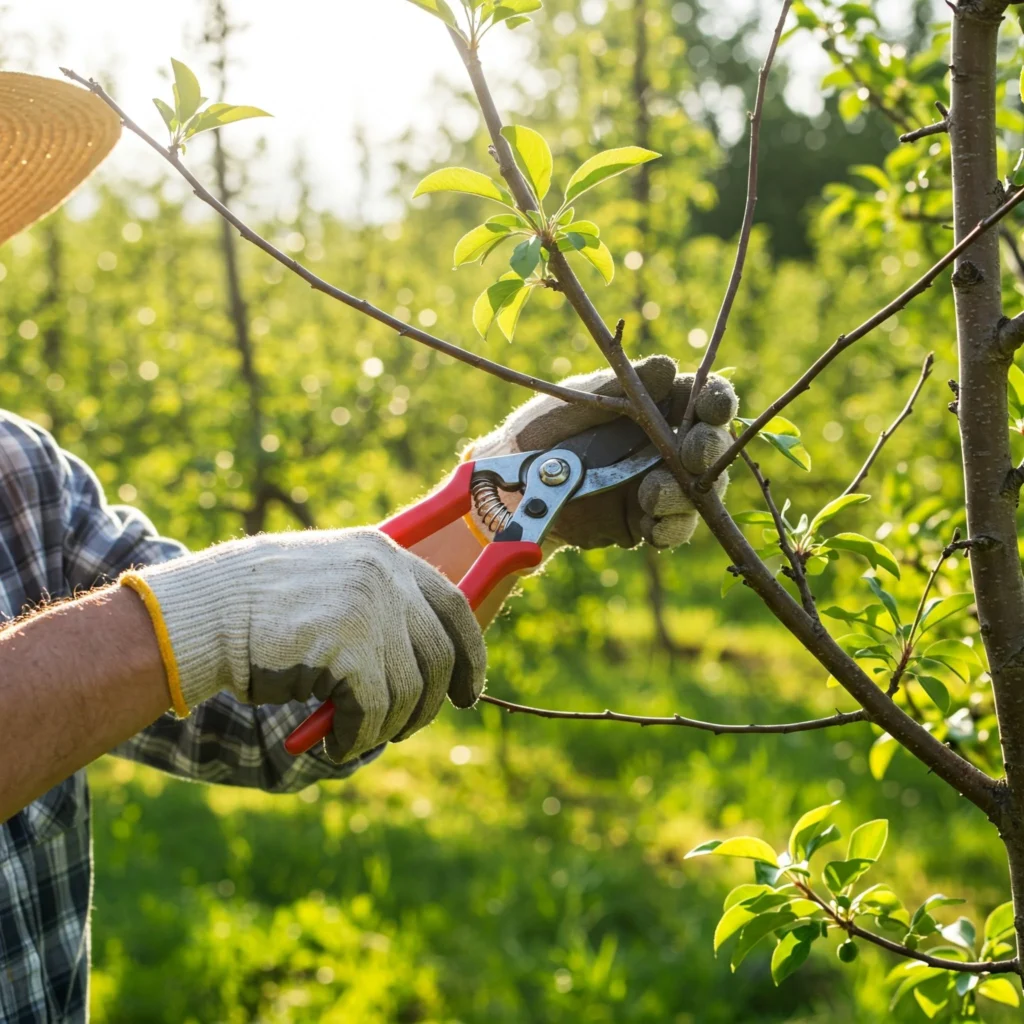
Successful pruning requires an understanding of several foundational principles:

1. Know the Plant Type
Different plants respond differently to pruning:
- Deciduous Trees: Often pruned in late winter while dormant.
- Flowering Shrubs: Timing depends on when the plant blooms—spring-flowering shrubs should be pruned after flowering, while summer-flowering shrubs are pruned in late winter or early spring.
- Fruit Trees: Require annual pruning to maximize yields and maintain structural integrity.
Understanding your plant’s growth habits and bloom cycle is essential to avoid cutting off flowers or fruiting wood.
2. Prune with Purpose
Every cut should have a reason:
- Remove dead, diseased, or damaged wood.
- Thin crowded areas to improve air circulation.
- Shape the plant for aesthetic or structural reasons.
- Control size or redirect growth.
Avoid pruning haphazardly—it can stress plants and create weak growth.
3. Make Clean Cuts
Use sharp, clean tools to make smooth cuts. Ragged or torn cuts can invite disease and pest infestations.

- Hand Pruners: Ideal for small branches up to ¾ inch in diameter.
- Loppers: Suitable for branches 1–2 inches thick.
- Pruning Saws: Required for branches larger than 2 inches.
Cut just above a bud, branch junction, or collar at a slight angle to promote proper healing.
4. Remove No More Than Necessary
A general rule of thumb: remove no more than 25–30% of a plant’s foliage in one season. Over-pruning can stress plants, reduce food production, and inhibit flowering or fruiting.
5. Consider Natural Growth Patterns
Observe the plant’s natural form and respect it. Pruning against its natural growth habit can lead to weak structure or unsightly shapes. For example, central leaders in trees should be maintained to promote vertical strength, while shrubs can be lightly thinned to encourage a full, rounded appearance.
Seasonal Considerations for Pruning
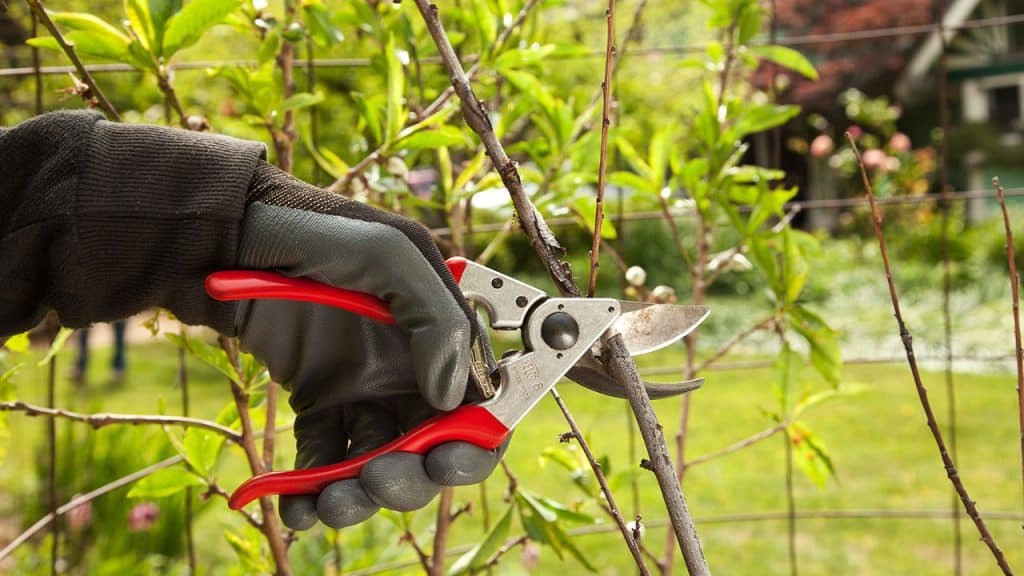
Timing is critical for successful pruning:
1. Winter Dormant Pruning
- Best for deciduous trees and many shrubs.
- Plants are dormant, making it easier to see structure and remove problem branches.
- Reduces sap loss and risk of disease.
2. Spring Pruning
- Focus on shaping and removing winter damage.
- Avoid pruning spring-flowering plants before bloom; wait until after flowering.
3. Summer Pruning
- Light pruning can help control growth and shape plants.
- Encourages fruiting in certain species like apples and pears.
- Avoid heavy pruning in hot weather, as it can stress plants.
4. Fall Pruning
- Generally discouraged for tender plants, as new growth may not harden before frost.
- Can be used for clean-up or removing dead/diseased wood.
Essential Pruning Techniques
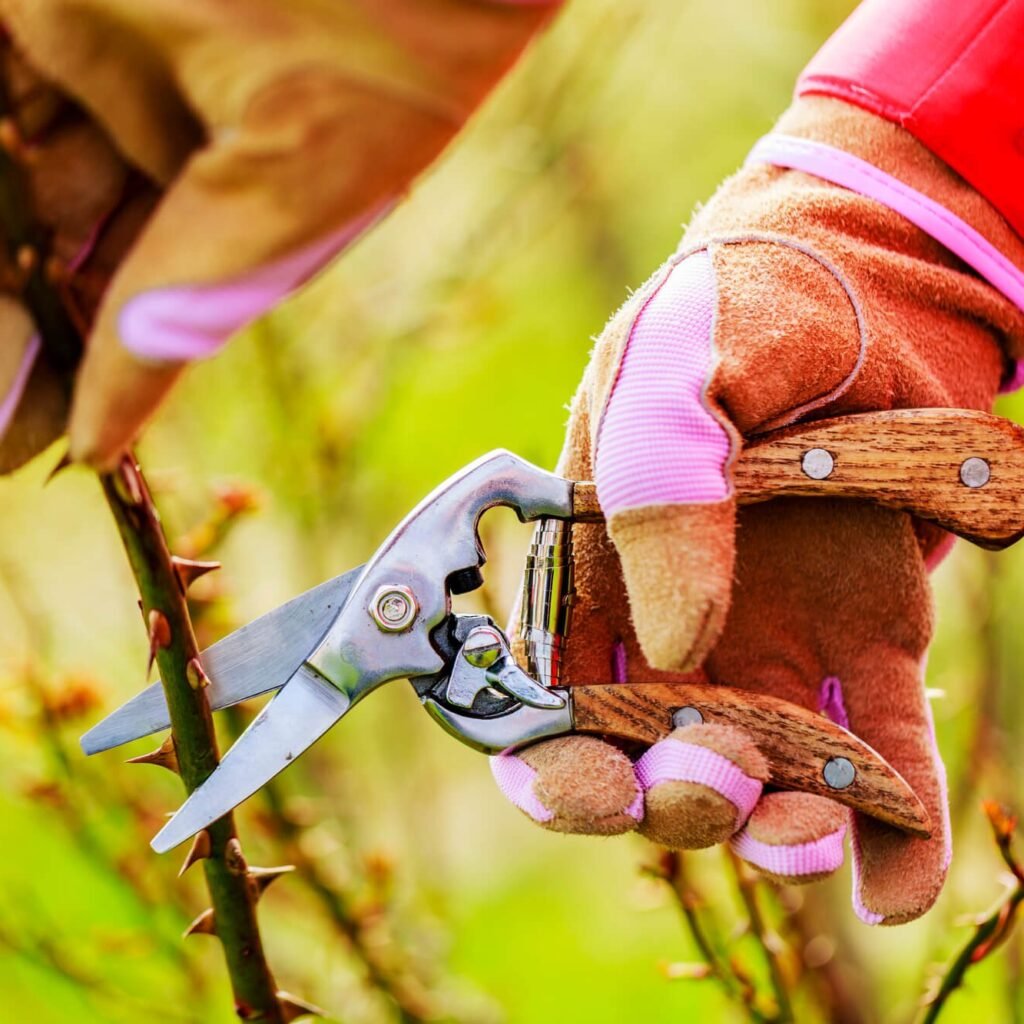
Proper technique is just as important as timing. Here are the key pruning methods:

1. Thinning
- Removes entire branches at their base.
- Opens up dense canopies to improve light and air circulation.
- Ideal for trees and shrubs with crowded branches.
2. Heading
- Cuts a branch back to a bud or lateral branch.
- Encourages bushier growth and more lateral shoots.
- Often used on shrubs and young trees to promote fullness.
3. Pinching
- Involves removing the tips of new growth by hand.
- Stimulates lateral growth, resulting in compact, fuller plants.
- Commonly used on herbaceous perennials and annuals.
4. Renewal Pruning
- Targets older, less productive branches, cutting them back to the ground.
- Promotes vigorous new shoots and rejuvenates the plant.
- Suitable for flowering shrubs like hydrangeas or for fruit bushes.
5. Structural Pruning
- Focuses on forming a strong framework in young trees.
- Encourages proper branching angles and a central leader.
- Helps prevent future breakage and structural problems.
Tools and Safety

Having the right tools and using them safely is essential:
- Hand Pruners: Sharp, bypass pruners for small branches.
- Loppers: For medium branches.
- Pruning Saws: For large branches or deadwood.
- Gloves and Eye Protection: Protect against cuts and flying debris.
- Disinfectant: Clean tools between cuts to prevent disease spread.
Sharp, well-maintained tools ensure clean cuts that heal quickly, reducing stress on the plant.
Common Mistakes to Avoid
Even experienced gardeners sometimes make pruning mistakes. Avoid these pitfalls:
- Over-Pruning: Removing too much foliage reduces energy reserves and weakens the plant.
- Cutting Too Close or Too Far from Buds: Can cause dieback or leave stubs that rot.
- Ignoring Dead or Diseased Wood: Failing to remove these branches increases the risk of pest infestations and disease.
- Pruning at the Wrong Time: Can remove flower buds or stimulate vulnerable new growth.
- Improper Tool Use: Dull or dirty tools can cause ragged cuts and spread disease.
Benefits of Pruning for Strong Growth
When done correctly, pruning ensures that your plants:
- Develop stronger, more resilient structures.
- Produce more flowers and fruit.
- Have better airflow, reducing disease pressure.
- Maintain an attractive, well-maintained appearance.
In essence, pruning is an investment in the long-term health and performance of your garden.

Final Thoughts
Pruning is more than a chore—it is an essential horticultural practice that shapes the future of your plants. By understanding plant types, observing natural growth patterns, applying correct techniques, and pruning at the right time, you can promote strong, healthy growth that lasts for years.
Remember, the right way to prune balances science with observation. Careful cuts, strategic thinning, and respect for the plant’s natural structure will ensure your trees and shrubs grow strong, beautiful, and productive. Every snip is an opportunity to strengthen your garden and enhance its beauty.
Prune wisely, and your garden will reward you with vigor, resilience, and a thriving display for every season.

Leave A Comment